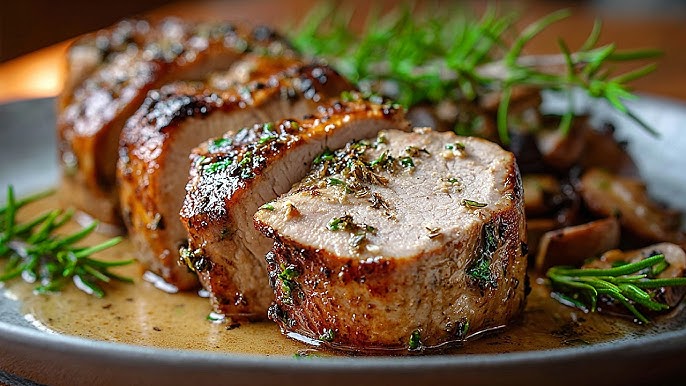
Pork Medallions Recipe: Pork medallions are one of the most elegant and satisfying ways to prepare pork tenderloin. With their small, round, steak-like shape, quick cooking time, and tender texture, pork medallions make a perfect meal for weeknight dinners, family gatherings, romantic dinners, or special occasions. When cooked properly, they are juicy on the inside, beautifully browned on the outside, and full of rich savory flavor.
In this step-by-step guide, we will prepare pork medallions using a simple but professional method that brings out the natural tenderness of the pork. We will season the meat well, sear it until golden, and finish it with a flavorful pan sauce that makes every bite more delicious. This pork medallions recipe is easy enough for beginners but polished enough to serve like a restaurant-quality dish.
Ingredients You’ll Need
To make the best pork medallions recipe, we need fresh pork tenderloin, balanced seasoning, and a few simple ingredients for a smooth, savory sauce.
For the Pork Medallions
- 1 pork tenderloin, about 1 to 1½ pounds
- 1 teaspoon salt, or to taste
- ½ teaspoon black pepper
- 1 teaspoon garlic powder
- 1 teaspoon onion powder
- 1 teaspoon smoked paprika
- ½ teaspoon dried thyme
- 2 tablespoons olive oil
- 1 tablespoon butter
For the Pan Sauce
- 2 tablespoons butter
- 3 cloves garlic, finely minced
- ½ cup chicken broth
- ¼ cup heavy cream
- 1 tablespoon Dijon mustard
- 1 teaspoon honey
- 1 teaspoon lemon juice
- ½ teaspoon dried parsley
- Salt and black pepper, to taste
Optional Garnish
- Fresh parsley, chopped
- Lemon wedges
- Extra cracked black pepper
Choosing the Best Pork for Pork Medallions
For this recipe, pork tenderloin is the best cut to use. Pork tenderloin is naturally lean, soft, and quick to cook. It should not be confused with pork loin, which is larger and usually requires a longer cooking time. Tenderloin is perfect for medallions because it slices neatly into small rounds and becomes tender with a short sear.
When buying pork tenderloin, we should choose meat that looks fresh, slightly pink, and firm. Avoid pork that looks gray, dry, or has excess liquid in the packaging. A good tenderloin should have a clean smell and a smooth surface. For best results, we should also trim away any silver skin, which is the tough, shiny membrane that can make the meat chewy if left on.
How to Prepare Pork Medallions Before Cooking
Before cooking, we need to prepare the pork properly so it cooks evenly and stays tender. First, place the pork tenderloin on a clean cutting board and pat it dry with paper towels. Removing surface moisture helps the pork develop a better golden crust during searing.
Next, trim off any excess fat or silver skin. Use a sharp knife and slide it carefully under the silver skin, pulling it away from the meat as you cut. After trimming, slice the pork tenderloin into 1-inch thick medallions. Try to keep each piece similar in thickness so they cook at the same speed.
For a more even shape, gently press each medallion with your palm. Do not flatten them too much. We want the pork medallions to stay thick enough to remain juicy.
Seasoning the Pork Medallions
A good pork medallions recipe depends on proper seasoning. In a small bowl, combine salt, black pepper, garlic powder, onion powder, smoked paprika, and dried thyme. Sprinkle the seasoning evenly over both sides of the pork medallions.
Rub the seasoning gently into the meat so every piece is coated. The smoked paprika adds warmth and color, garlic powder brings depth, onion powder adds savory flavor, and thyme gives a light herbal note. This seasoning blend creates a balanced taste without overpowering the pork.
For deeper flavor, let the seasoned pork rest for about 10 to 15 minutes before cooking. This short resting time allows the seasoning to settle into the surface of the meat.
Step-by-Step Guide to Cooking Pork Medallions
Step 1: Heat the Pan Properly
Place a large skillet over medium-high heat. Add 2 tablespoons of olive oil and allow it to heat until shimmering. A hot pan is important because it helps the pork medallions sear quickly and develop a golden crust.
Do not place the pork into a cold pan. If the pan is not hot enough, the meat may release too much moisture and steam instead of sear.
Step 2: Sear the Pork Medallions
Carefully place the pork medallions in the hot skillet in a single layer. Avoid overcrowding the pan. If needed, cook them in batches.
Sear the pork for about 3 minutes on the first side without moving them too much. This helps build a beautiful crust. Flip the medallions and cook for another 2 to 3 minutes on the other side.
Add 1 tablespoon of butter to the pan during the last minute of searing. Spoon the melted butter over the pork medallions to enrich the flavor and keep them moist.
Step 3: Check for Doneness
Pork medallions cook quickly, so we should avoid overcooking them. The ideal internal temperature for pork tenderloin is 145°F, followed by a short rest. The center should be slightly juicy and tender, not dry.
Once the pork reaches the correct doneness, transfer the medallions to a plate and cover loosely with foil. Let them rest while we prepare the sauce.
Step 4: Make the Garlic Cream Pan Sauce
Reduce the heat to medium. In the same skillet, add 2 tablespoons of butter. Once melted, add the minced garlic and cook for about 30 seconds until fragrant. Stir constantly so the garlic does not burn.
Pour in the chicken broth and scrape the bottom of the pan with a wooden spoon. The browned bits left from the pork are full of flavor and will make the sauce richer.
Add the Dijon mustard, honey, lemon juice, dried parsley, and heavy cream. Stir well until the sauce becomes smooth. Let it simmer for about 3 to 5 minutes, or until slightly thickened.
Taste the sauce and adjust with salt and black pepper as needed.
Step 5: Return the Pork Medallions to the Sauce
Place the pork medallions back into the skillet. Spoon the sauce over each piece and let them warm through for about 1 to 2 minutes. Do not cook them too long at this stage because the pork is already done.
Once coated in the creamy garlic sauce, remove the skillet from the heat. Garnish with fresh parsley and extra black pepper before serving.
Best Tips for Tender Pork Medallions
To make pork medallions tender and juicy, we should not overcook them. Pork tenderloin is lean, so it can become dry if cooked too long. A quick sear and a short rest are enough to produce soft, flavorful meat.
Another important tip is to slice the pork evenly. Uneven pieces will cook at different speeds, causing some medallions to dry out while others remain undercooked. Keeping them around 1 inch thick gives the best balance between a golden crust and juicy center.
We should also allow the pork to rest after cooking. Resting helps the juices settle back into the meat. If we cut into the medallions immediately, the juices may run out, leaving the pork less tender.
What to Serve with Pork Medallions
Pork medallions pair well with many side dishes. For a comforting dinner, serve them with mashed potatoes, roasted potatoes, buttered rice, creamy pasta, or garlic bread. These sides soak up the sauce beautifully and make the meal more filling.
For a lighter plate, we can serve pork medallions with steamed vegetables, roasted asparagus, green beans, sautéed spinach, or a fresh garden salad. The creamy sauce adds richness, while the vegetables keep the meal balanced.
For a more elegant presentation, place the pork medallions over mashed potatoes and spoon the sauce over the top. Add fresh parsley and lemon wedges for a clean, restaurant-style finish.
Pork Medallions with Mushroom Sauce Variation
For a delicious variation, we can add mushrooms to the sauce. After removing the pork from the skillet, add sliced mushrooms and cook until golden. Then add the garlic, broth, mustard, cream, and seasonings. Mushrooms add earthy flavor and make the dish even more satisfying.
This version works especially well with mashed potatoes or buttered noodles. The mushroom sauce gives the pork medallions a deeper, richer taste while still keeping the recipe simple.
Pork Medallions with Honey Mustard Sauce Variation
For a sweeter and tangier version, increase the honey to 1 tablespoon and add an extra teaspoon of Dijon mustard. This creates a honey mustard sauce that pairs beautifully with pork. The sweetness balances the savory seared meat, while the mustard adds brightness.
This variation is excellent for family dinners because it has a smooth, mild flavor that many people enjoy. Serve it with roasted carrots, rice, or potato wedges for a complete meal.
How to Store Leftover Pork Medallions
Leftover pork medallions should be stored in an airtight container in the refrigerator. They will stay fresh for about 3 days. Store the pork with the sauce to help keep it moist.
To reheat, place the medallions and sauce in a skillet over low heat. Add a splash of chicken broth or cream if the sauce has thickened too much. Warm gently until heated through. Avoid high heat because it can make the pork tough.
We can also reheat pork medallions in the microwave, but it is best to use short intervals and cover the dish to prevent dryness.
Can We Freeze Pork Medallions?
Yes, pork medallions can be frozen, although the cream sauce may change slightly in texture after thawing. For best results, freeze the cooked pork and sauce in an airtight freezer-safe container for up to 2 months.
To serve, thaw overnight in the refrigerator and reheat gently on the stovetop. Stir the sauce well while reheating. Add a small amount of cream or broth to bring back a smoother consistency.
Common Mistakes to Avoid
One common mistake is using pork loin instead of pork tenderloin. Pork loin is larger and less tender for this quick-cooking method. Pork tenderloin gives the best result for medallions.
Another mistake is overcrowding the pan. When too many pieces are added at once, the temperature drops and the pork may steam instead of sear. Cook in batches if necessary.
Overcooking is also a major problem. Pork medallions only need a few minutes per side. Once they reach the proper internal temperature, remove them from the pan and let them rest.
FAQs about Pork Medallions Recipe
1. What are pork medallions?
Pork medallions are small, round cuts of pork, usually sliced from pork tenderloin. They are tender, lean, and cook quickly, making them perfect for pan-searing, grilling, or serving with creamy sauces, garlic butter, mushrooms, or herbs.
2. How do we keep pork medallions tender?
To keep pork medallions tender, we should avoid overcooking them. Sear them over medium-high heat until golden on both sides, then cook only until the inside is juicy and done. Letting the meat rest for a few minutes before serving also helps keep it moist.
3. What can we serve with pork medallions?
Pork medallions pair well with mashed potatoes, roasted vegetables, rice, pasta, green beans, salad, or creamy mushroom sauce. For a lighter meal, we can serve them with steamed vegetables or a fresh garden salad.
4. Can pork medallions be cooked ahead of time?
Yes, pork medallions can be cooked ahead, but they taste best fresh. To reheat, warm them gently in a skillet with a little sauce, broth, or butter. Avoid high heat because it can make the pork dry and tough.
5. How long does it take to cook pork medallions?
Pork medallions usually take about 6 to 10 minutes to cook, depending on their thickness. Thin slices cook faster, while thicker medallions may need a few extra minutes. They should be golden outside and tender inside.
Final Thoughts
This pork medallions recipe is simple, flavorful, and elegant enough for any dinner table. With tender slices of pork tenderloin, a golden seared crust, and a creamy garlic pan sauce, every bite delivers rich flavor and satisfying texture. By using the right cut of pork, seasoning it well, searing it properly, and finishing it with a smooth sauce, we create a dish that feels special without being difficult.
Pork medallions are quick to prepare, easy to customize, and perfect with many side dishes. Whether served with mashed potatoes, rice, pasta, or vegetables, this recipe gives us a reliable and delicious meal that can be made again and again.