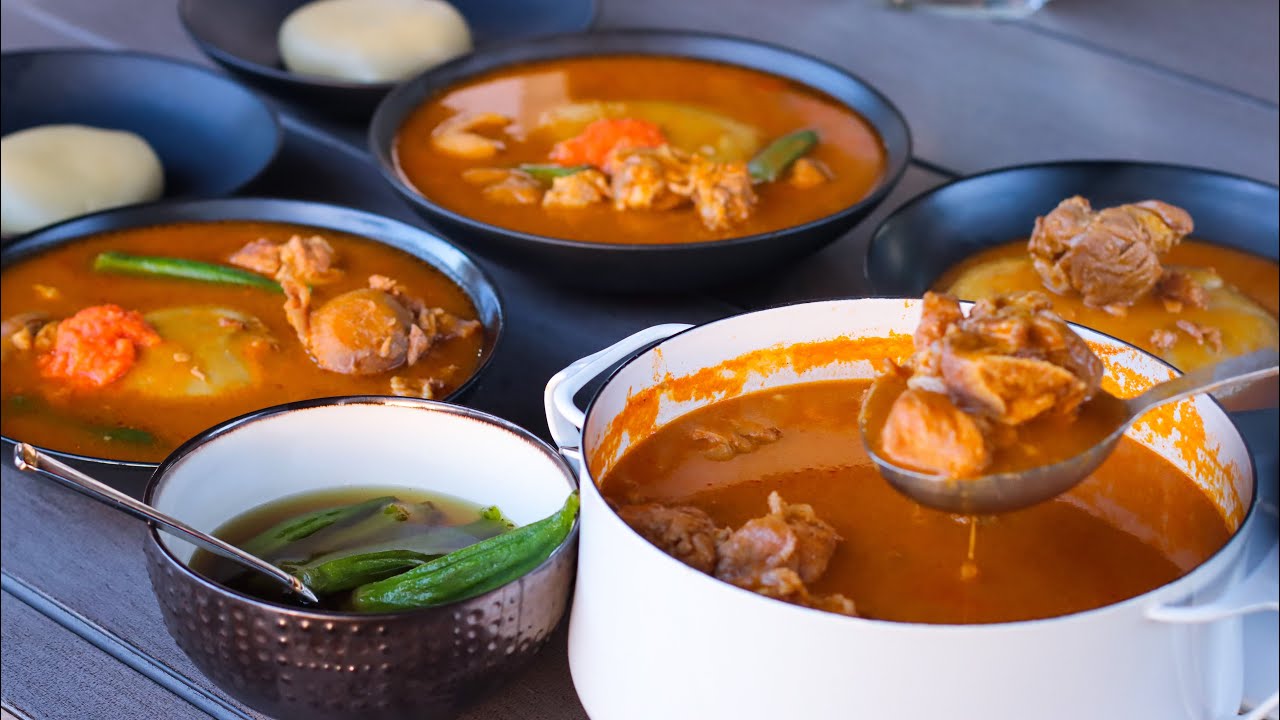
A well-prepared pork soup recipe is warm, rich, comforting, and deeply satisfying. It brings together tender pork, flavorful broth, vegetables, herbs, and spices to create a hearty meal that can be served for lunch, dinner, family gatherings, or cold-weather comfort food. Pork has a naturally savory taste that blends beautifully with root vegetables, leafy greens, aromatics, and seasoning. When cooked slowly, the meat becomes soft, the broth becomes full-bodied, and every spoonful carries deep homemade flavor.
This pork soup recipe is designed to be simple enough for everyday cooking yet rich enough to feel special. We use basic ingredients, practical cooking steps, and careful seasoning to build a soup that tastes balanced, nourishing, and satisfying. Whether we use pork shoulder, pork ribs, pork belly, pork chops, or bone-in pork pieces, the result can be delicious when the meat is properly browned, simmered, and seasoned.
Ingredients You’ll Need for Pork Soup
To make a flavorful and comforting homemade pork soup, we need ingredients that create depth, aroma, body, and freshness.
Main Ingredients
- 2 pounds pork shoulder, pork ribs, or bone-in pork pieces
- 2 tablespoons vegetable oil or olive oil
- 1 large onion, chopped
- 4 cloves garlic, minced
- 1 tablespoon fresh ginger, minced
- 2 medium carrots, sliced
- 2 celery stalks, chopped
- 2 medium potatoes, peeled and cubed
- 1 cup cabbage, chopped
- 1 cup sweet corn or green peas
- 6 cups water, pork stock, or chicken broth
- 2 bay leaves
- 1 teaspoon dried thyme
- 1 teaspoon smoked paprika
- ½ teaspoon black pepper
- 1 teaspoon salt, or to taste
- 1 tablespoon soy sauce or Worcestershire sauce
- 1 teaspoon chili flakes, optional
- 2 tablespoons fresh parsley or green onions, chopped
- 1 tablespoon lemon juice or vinegar, optional
Optional Add-Ins
- Tomatoes for a slightly tangy broth
- Mushrooms for deeper earthy flavor
- Spinach or kale for added greens
- Noodles, rice, or beans for a heavier meal
- Scotch bonnet or fresh chili for heat
- Coconut milk for a creamy version
Best Pork Cuts for Pork Soup
The best pork for soup is usually a cut with some fat, connective tissue, or bone because these parts release more flavor during simmering. Pork shoulder is one of the best choices because it becomes tender and juicy after slow cooking. Pork ribs create a rich broth because the bones add depth and body. Pork belly gives the soup a luxurious taste, although it is richer and fattier. Pork chops can work, but they should not be overcooked because lean pork can become dry.
For the richest result, we recommend using bone-in pork pieces. Bones naturally improve the broth and give the soup a more homemade, slow-cooked flavor. If we prefer a lighter soup, lean pork can be used, but the flavor may need support from broth, herbs, and aromatics.
How to Prepare Pork for Soup
Before cooking, we rinse the pork briefly and pat it dry with paper towels. Drying the meat helps it brown properly. If the pieces are too large, we cut them into medium chunks so they cook evenly. For bone-in pork, we leave the bones attached because they improve the flavor of the soup.
Season the pork lightly with salt, black pepper, smoked paprika, and thyme before browning. This first layer of seasoning helps the meat carry flavor from the inside out. Browning the pork is one of the most important steps because it creates a deeper, richer soup base.
Step-by-Step Guide to Make Pork Soup
Step 1: Brown the Pork
Place a large soup pot or Dutch oven over medium-high heat. Add 2 tablespoons of oil and allow it to heat properly. Add the pork pieces in a single layer, making sure not to overcrowd the pot. Brown the pork for about 3 to 4 minutes per side until the outside develops a golden color.
If the pot is too full, brown the pork in batches. This prevents steaming and allows the meat to develop better flavor. Once browned, remove the pork and set it aside on a plate.
Step 2: Sauté the Aromatics
In the same pot, add the chopped onion, garlic, and ginger. Stir well and cook for about 2 to 3 minutes until fragrant. The onion should soften, and the garlic should release its aroma without burning. Scrape the bottom of the pot with a wooden spoon to lift the browned bits left from the pork. These browned bits add strong savory flavor to the soup.
Step 3: Add the Vegetables
Add the carrots, celery, potatoes, cabbage, and any other firm vegetables. Stir them into the aromatics and let them cook for about 3 minutes. This step helps the vegetables absorb the base flavor before the liquid is added.
For softer vegetables like spinach, kale, or green onions, we add them near the end of cooking so they stay fresh and bright.
Step 4: Build the Broth
Return the browned pork to the pot. Add 6 cups of water, pork stock, or chicken broth. For a richer soup, broth is the better choice. Add bay leaves, thyme, smoked paprika, black pepper, soy sauce or Worcestershire sauce, and chili flakes if using.
Stir everything together and bring the soup to a gentle boil. Once it begins boiling, reduce the heat to low and allow it to simmer.
Step 5: Simmer Until the Pork Is Tender
Cover the pot partially and simmer for 1 hour to 1 hour 30 minutes, depending on the cut of pork. Pork shoulder and ribs need more time to become tender, while smaller boneless pieces may cook faster. Stir occasionally and check the liquid level. If the broth reduces too much, add more water or stock.
The pork is ready when it becomes tender enough to pull apart easily with a fork. The broth should taste rich, savory, and well-seasoned.
Step 6: Adjust the Seasoning
Taste the soup and adjust with more salt, pepper, or seasoning as needed. Add lemon juice or vinegar if the soup needs brightness. A small amount of acid can lift the flavor and balance the richness of the pork.
If the soup tastes too light, simmer it uncovered for another 10 to 15 minutes to concentrate the broth. If it tastes too salty, add more water, potatoes, or mild vegetables to balance it.
Step 7: Add Fresh Herbs and Serve
Remove the bay leaves. Add chopped parsley, green onions, or fresh herbs. Stir gently and turn off the heat. Allow the soup to rest for 5 minutes before serving. This short resting time helps the flavors settle.
Serve the pork soup hot in deep bowls with bread, rice, noodles, boiled yam, mashed potatoes, or a simple side salad.
Tips for the Best Pork Soup Recipe
For the best pork soup recipe, always brown the meat before simmering. This step gives the broth deeper flavor. Use bone-in pork when possible because it creates a more satisfying soup. Simmer gently instead of boiling aggressively, because slow cooking keeps the meat tender and the broth clear.
Do not add delicate greens too early. Spinach, kale, parsley, and green onions should go in near the end. This keeps the soup fresh and colorful. Also, season gradually. Pork soup becomes more concentrated as it cooks, so it is better to adjust seasoning at the end.
How to Make Pork Soup Thicker
To make pork soup thicker, mash some of the cooked potatoes into the broth. This naturally thickens the soup without adding flour. Another method is to mix 1 tablespoon of cornstarch with 2 tablespoons of cold water, then stir it into the simmering soup. Let it cook for a few minutes until slightly thickened.
For a creamier pork soup, add ½ cup of heavy cream, coconut milk, or evaporated milk near the end of cooking. Keep the heat low after adding dairy so the soup does not split.
What to Serve with Pork Soup
Pork soup is filling on its own, but it also pairs well with simple sides. We can serve it with crusty bread, steamed rice, garlic bread, noodles, cornbread, or roasted vegetables. For a lighter meal, pair it with cucumber salad, cabbage slaw, or fresh greens.
If we want a more complete dinner, serve pork soup with boiled potatoes, plantains, rice, or soft dinner rolls. The broth is rich and flavorful, so it works well with anything that can soak up the soup.
How to Store Pork Soup
Allow the soup to cool completely before storing. Transfer it into airtight containers and refrigerate for up to 3 to 4 days. The flavor often becomes even better the next day because the ingredients have more time to blend.
To freeze, place the cooled soup in freezer-safe containers and store for up to 3 months. For best results, freeze without delicate greens or cream. Add fresh herbs or dairy after reheating.
How to Reheat Pork Soup
Reheat pork soup on the stovetop over medium heat until hot. Stir occasionally and add a little water or broth if it has thickened too much. It can also be reheated in the microwave in short intervals, stirring between each interval.
Make sure the pork is heated through before serving. Avoid boiling cream-based pork soup too hard, as this can affect the texture.
Common Mistakes to Avoid
One common mistake is skipping the browning step. Without browning, the soup may taste flat. Another mistake is boiling the pork too aggressively, which can make the meat tough. A gentle simmer gives the best texture.
Adding all vegetables at the same time can also cause softer vegetables to overcook. Firm vegetables should go in early, while greens and herbs should go in late. Finally, avoid adding too much salt at the beginning. The broth reduces as it cooks, and the salt becomes stronger.
Pork Soup Recipe Variations
For a spicy pork soup, add fresh chili, cayenne pepper, or chili oil. For an Asian-style pork soup, use ginger, garlic, soy sauce, mushrooms, bok choy, and noodles. For a creamy pork soup, add cream, potatoes, corn, and herbs. For a vegetable-rich version, increase the cabbage, carrots, celery, spinach, and peas.
A tomato-based pork soup can be made by adding crushed tomatoes or tomato paste after sautéing the aromatics. This gives the soup a deeper color and slightly tangy flavor.
FAQs about Pork Soup Recipe
1. What cut of pork is best for pork soup?
The best cuts for pork soup are pork shoulder, pork ribs, pork belly, pork hock, or pork bones with some meat attached. These cuts add rich flavor and become tender when simmered slowly. For a lighter soup, we can use lean pork loin, but fattier cuts usually create a deeper, more satisfying broth.
2. How long should we cook pork soup?
Pork soup usually takes 1 to 2 hours to cook, depending on the cut of pork used. Tender cuts may cook faster, while tougher cuts like pork shoulder, ribs, or hock need more time to become soft. The soup is ready when the pork is tender and the broth tastes rich and flavorful.
3. Can we add vegetables to pork soup?
Yes, vegetables make pork soup more nutritious and delicious. We can add carrots, potatoes, cabbage, onions, celery, corn, pumpkin, spinach, or green beans. Hard vegetables should be added earlier, while leafy greens should be added near the end so they do not overcook.
4. How do we make pork soup taste better?
To improve the flavor, we should season the pork well and simmer it with onions, garlic, ginger, herbs, spices, and stock. Browning the pork before boiling can also add a deeper taste. Allowing the soup to simmer slowly helps the ingredients release their full flavor.
5. Can pork soup be stored and reheated?
Yes, pork soup can be stored in an airtight container in the refrigerator for 3 to 4 days. It can also be frozen for longer storage. When reheating, warm it gently on the stove until hot, and add a little water or broth if the soup becomes too thick.
Conclusion
This pork soup recipe is hearty, flavorful, and easy to prepare with simple ingredients. By browning the pork, building a rich broth, simmering slowly, and adding vegetables at the right time, we create a comforting homemade soup with tender meat and deep savory flavor. It is perfect for family meals, meal prep, cold evenings, and anyone who enjoys a warm bowl of nourishing soup.