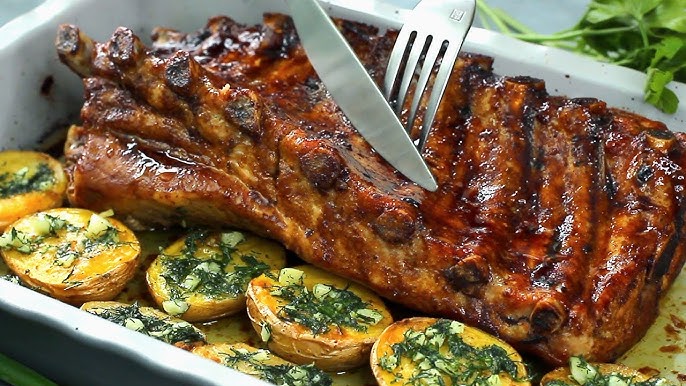
Tender Pork Spare Ribs Recipe: Tender pork spare ribs are one of the most satisfying comfort dishes we can prepare when we want meat that is rich, juicy, flavorful, and soft enough to pull away from the bone with ease. With the right seasoning, slow cooking method, and finishing technique, pork spare ribs become deeply savory, beautifully caramelized, and perfect for family dinners, weekend meals, barbecues, holidays, and special gatherings.
This pork spare ribs recipe focuses on building flavor in layers. We begin with a well-balanced dry rub, allow the meat to absorb the seasoning, cook the ribs low and slow until tender, then finish them with a glossy barbecue glaze. The result is a tray of juicy, tender, fall-off-the-bone pork ribs with a smoky, sweet, and savory taste in every bite.
Ingredients You’ll Need
To make this tender pork spare ribs recipe, we need simple ingredients that work together to create bold flavor and excellent texture.
For the Pork Spare Ribs
- 2 racks pork spare ribs
- 2 tablespoons olive oil
- 2 tablespoons yellow mustard
- 1 cup barbecue sauce
- 2 tablespoons honey
- 1 tablespoon apple cider vinegar
- 1 tablespoon Worcestershire sauce
For the Dry Rub
- 2 tablespoons brown sugar
- 1 tablespoon smoked paprika
- 1 tablespoon garlic powder
- 1 tablespoon onion powder
- 1 teaspoon black pepper
- 1 teaspoon salt
- 1 teaspoon chili powder
- 1 teaspoon ground cumin
- ½ teaspoon cayenne pepper
- ½ teaspoon dried thyme
Optional Ingredients for Extra Flavor
- ½ cup apple juice
- 1 tablespoon butter
- 1 teaspoon liquid smoke
- Extra barbecue sauce for serving
Preparing the Pork Spare Ribs
Before seasoning the ribs, we need to prepare them properly so they cook evenly and become tender. Place the pork spare ribs on a clean cutting board and pat them dry with paper towels. Removing excess moisture helps the seasoning stick better and allows the ribs to develop a better finish during cooking.
Next, turn the ribs over so the bone side is facing up. We should remove the thin membrane from the back of the ribs because it can become tough after cooking. Slide a small knife under the membrane at one end of the rack, loosen it gently, then grip it with a paper towel and pull it away. This small step makes a big difference because it allows the seasoning to penetrate the meat more effectively and gives us a softer final texture.
Once the membrane is removed, trim away any large pieces of excess fat. A little fat is good because it keeps the ribs moist, but thick chunks can prevent the rub from reaching the meat.
Making the Flavorful Dry Rub
The dry rub is the foundation of this pork spare ribs recipe. In a small bowl, combine brown sugar, smoked paprika, garlic powder, onion powder, black pepper, salt, chili powder, cumin, cayenne pepper, and dried thyme. Mix everything until the spices are evenly blended.
The brown sugar adds sweetness and helps the ribs caramelize beautifully. Smoked paprika gives the ribs a deep smoky flavor, while garlic powder and onion powder create a savory base. Chili powder, cumin, and cayenne pepper add warmth without overpowering the meat. Thyme gives the rub an earthy note that balances the richness of the pork.
For the best taste, we should season generously. Pork spare ribs are thick and meaty, so they need enough seasoning to flavor every bite.
Seasoning the Pork Spare Ribs
Brush both sides of the ribs with olive oil and yellow mustard. The mustard does not make the ribs taste sharp; instead, it helps the dry rub cling to the surface and creates a more flavorful crust as the ribs cook.
Sprinkle the dry rub evenly over both sides of the ribs. Use clean hands to press the seasoning into the meat, making sure every part of the ribs is coated. Pay attention to the edges, sides, and spaces between the bones.
For deeper flavor, we can cover the ribs and refrigerate them for at least 1 hour. For even better results, we can let them marinate overnight. This resting time allows the spices to settle into the pork and gives the final dish a richer taste.
Step-by-Step Guide to Cooking Tender Pork Spare Ribs
Step 1: Preheat the Oven
Preheat the oven to 300°F or 150°C. Low heat is important because pork spare ribs need time to break down and become tender. Cooking them too quickly can make the meat tough and dry.
Line a large baking tray with foil for easy cleanup. Place a wire rack on the tray if available. The rack helps heat circulate around the ribs, but the recipe still works well without it.
Step 2: Arrange the Ribs
Place the seasoned ribs on the baking tray with the meat side facing up. If the racks are too large, cut them into smaller sections so they fit comfortably. Avoid overcrowding the tray because the ribs need space to cook evenly.
For extra moisture, pour apple juice into the bottom of the tray. The liquid creates gentle steam inside the foil packet and helps keep the ribs juicy as they cook.
Step 3: Cover and Slow Cook
Cover the ribs tightly with foil. This traps moisture and allows the meat to cook slowly until tender. Place the tray in the preheated oven and bake for 2½ to 3 hours, depending on the thickness of the ribs.
The ribs are ready for glazing when the meat becomes tender and begins to pull back slightly from the bones. We can check by gently inserting a fork into the meat. If it slides in easily, the ribs are tender.
Step 4: Prepare the Barbecue Glaze
While the ribs are cooking, prepare the glaze. In a small bowl, mix barbecue sauce, honey, apple cider vinegar, Worcestershire sauce, and optional liquid smoke. Stir until smooth.
This glaze gives the ribs a sticky, shiny finish. The barbecue sauce provides bold flavor, the honey adds sweetness, the vinegar balances the richness, and the Worcestershire sauce adds depth.
Step 5: Brush the Ribs with Sauce
Carefully remove the ribs from the oven and take off the foil. The ribs will be tender, so handle them gently. Brush a generous layer of barbecue glaze over the meat side of the ribs.
Increase the oven temperature to 425°F or 220°C. Return the ribs to the oven uncovered and bake for another 10 to 15 minutes, or until the sauce becomes thick, glossy, and slightly caramelized.
For a deeper finish, brush on a second layer of sauce halfway through this final baking stage.
Step 6: Rest Before Serving
Once the ribs are finished, remove them from the oven and allow them to rest for 10 minutes. Resting helps the juices settle back into the meat, making each bite moist and flavorful.
After resting, slice the ribs between the bones using a sharp knife. Serve them warm with extra barbecue sauce on the side.
How to Make Pork Spare Ribs Extra Tender
The secret to tender pork spare ribs is low and slow cooking. Pork ribs contain connective tissue that needs time to soften. When we cook the ribs slowly at a low temperature, the meat becomes juicy and tender instead of tough.
Another important step is covering the ribs during most of the cooking time. The foil locks in steam and prevents the ribs from drying out. We only uncover them at the end so the sauce can caramelize.
We should also avoid rushing the process. If the ribs are not tender after 2½ hours, continue baking for another 20 to 30 minutes. The best ribs are done when the meat is soft and easy to pull apart.
Best Sauce for Pork Spare Ribs
A good sauce should balance sweetness, acidity, smokiness, and savory depth. Classic barbecue sauce works beautifully, but we can improve it by adding honey, vinegar, and Worcestershire sauce. This creates a glaze that is rich without being too heavy.
For sweeter ribs, use a honey barbecue sauce. For smoky ribs, use a hickory-style sauce or add a small amount of liquid smoke. For spicy ribs, add cayenne pepper, hot sauce, or chili flakes to the glaze.
The sauce should be added near the end of cooking. If we add it too early, the sugar in the sauce may burn before the ribs become tender.
What to Serve with Tender Pork Spare Ribs
These pork spare ribs pair well with classic sides that balance their rich flavor. We can serve them with creamy mashed potatoes, coleslaw, roasted vegetables, cornbread, baked beans, potato salad, macaroni and cheese, rice, grilled corn, or fresh salad.
For a lighter meal, serve the ribs with steamed vegetables and a simple cucumber salad. For a fuller barbecue-style plate, serve them with fries, coleslaw, and extra sauce.
The ribs also work well for gatherings because they can be cooked ahead and glazed just before serving.
Storage and Reheating Tips
Leftover pork spare ribs should be stored in an airtight container and refrigerated for up to 3 to 4 days. To keep them moist, add a little extra barbecue sauce before storing.
To reheat, place the ribs in a baking dish, cover with foil, and warm in the oven at 300°F or 150°C until heated through. We can also reheat them in an air fryer for a slightly crisp exterior, but the oven is best for maintaining tenderness.
For longer storage, freeze the cooked ribs for up to 2 months. Wrap them tightly in foil, place them in a freezer-safe bag, and thaw overnight in the refrigerator before reheating.
Helpful Tips for the Best Pork Spare Ribs
For the best results, always remove the membrane from the back of the ribs. This improves texture and helps the seasoning reach the meat. Use enough dry rub to coat the ribs fully, and let the seasoning rest on the meat before cooking.
Cook the ribs slowly and avoid high heat at the beginning. High heat can make the meat firm before it has time to soften. Save the high temperature for the final stage when we want the sauce to caramelize.
Do not skip the resting time after cooking. Even a short rest helps preserve moisture and gives the ribs a better texture when sliced.
FAQs about Tender Pork Spare Ribs Recipe
1. How do we make pork spare ribs tender?
We make pork spare ribs tender by cooking them slowly at a low temperature. Spare ribs contain connective tissue, so they need enough time to soften properly. Baking, slow cooking, or smoking the ribs helps break down the toughness and gives the meat a juicy, tender texture.
2. Should we boil pork spare ribs before cooking?
Boiling is optional, but we do not always recommend it because it can reduce the natural flavor of the ribs. Instead, we can bake the ribs covered with foil or slow-cook them until tender, then finish them with sauce for a rich and flavorful result.
3. What seasoning works best for tender pork spare ribs?
The best seasoning includes salt, black pepper, garlic powder, onion powder, paprika, brown sugar, and a little chili powder. This combination gives the ribs a balanced flavor with sweetness, smokiness, and mild heat.
4. How long should we cook pork spare ribs?
Pork spare ribs usually need about 2½ to 3 hours in the oven at a low temperature, depending on their size. The ribs are ready when the meat is tender and begins to pull away from the bones easily.
5. Can we make pork spare ribs ahead of time?
Yes, we can make pork spare ribs ahead of time. Cook them until tender, allow them to cool, and store them in the refrigerator. When ready to serve, reheat them gently and brush with barbecue sauce before finishing in the oven or grill.
Final Thoughts
This tender pork spare ribs recipe gives us everything we want in a rib dish: juicy meat, deep seasoning, rich barbecue glaze, and a soft texture that makes every bite satisfying. By using a flavorful dry rub, slow cooking the ribs, and finishing them with a sticky sauce, we create a homemade rib recipe that tastes bold, comforting, and perfectly balanced.
Whether we serve these ribs for a family dinner, a weekend barbecue, a holiday meal, or a relaxed gathering, they deliver excellent flavor with simple ingredients and clear steps. With patience, proper seasoning, and the right cooking method, we can make tender pork spare ribs that are delicious, memorable, and worth making again.