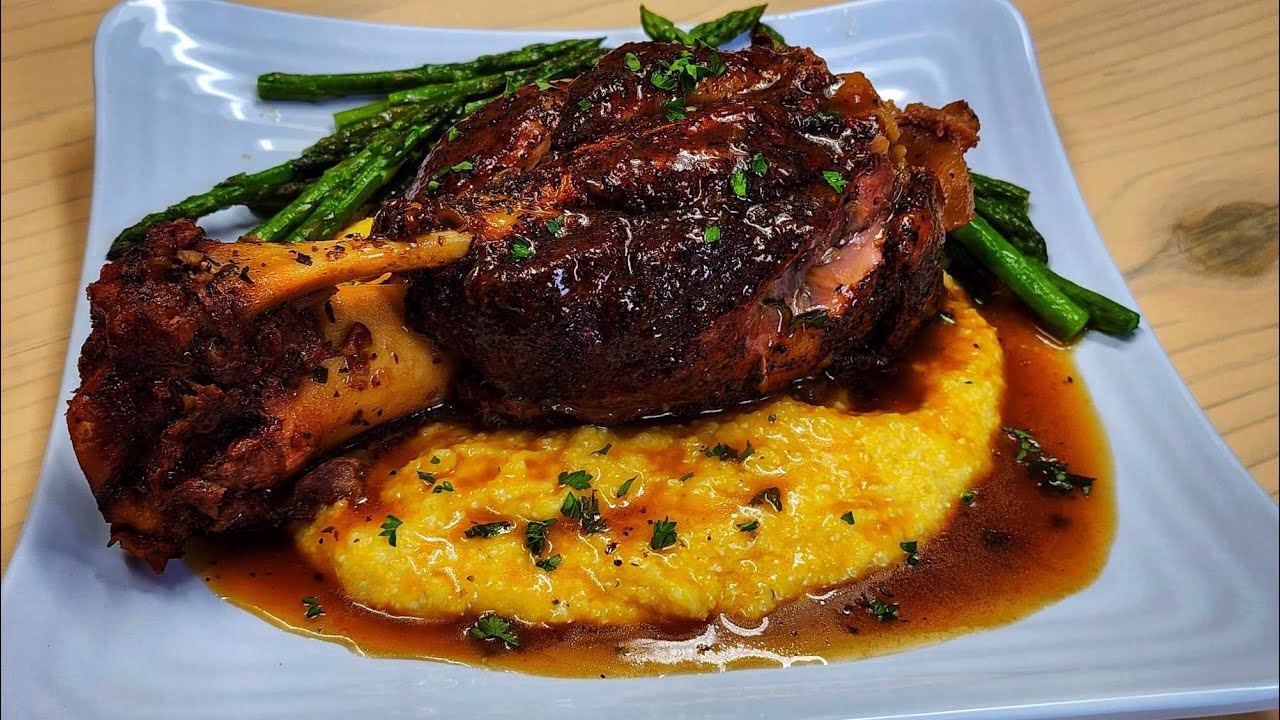
Pork Shank Recipe: Pork shank is one of the most flavorful cuts of pork when cooked properly. It is rich, meaty, slightly rustic, and perfect for slow cooking because the connective tissue breaks down beautifully into tender, juicy meat. This pork shank recipe gives us a deeply seasoned, fall-apart result with a rich pan sauce that works perfectly for family dinners, Sunday meals, holiday tables, or restaurant-style comfort food at home.
Pork shank comes from the lower part of the pig’s leg, which means it has plenty of muscle, bone, collagen, and natural flavor. Because it is not a quick-cooking cut, we get the best result by slow braising it until the meat becomes tender enough to pull apart with a fork. With the right seasoning, vegetables, herbs, and cooking method, pork shank becomes a bold and satisfying dish with a beautiful aroma and a rich, savory taste.
Ingredients You’ll Need
To prepare a flavorful and tender pork shank recipe, we need simple ingredients that build depth from the beginning of the cooking process.
Main Ingredients
- 2 large pork shanks, bone-in and skin-on or skinless
- 2 tablespoons olive oil or vegetable oil
- 1 large onion, chopped
- 3 carrots, peeled and chopped
- 2 celery stalks, chopped
- 5 cloves garlic, minced
- 2 tablespoons tomato paste
- 2 cups chicken stock or pork stock
- 1 cup beef stock for deeper flavor
- 1 cup dry white wine or extra stock
- 2 bay leaves
- 1 teaspoon dried thyme
- 1 teaspoon dried rosemary
- 1 teaspoon smoked paprika
- 1 teaspoon black pepper
- 1 teaspoon salt, or to taste
- 1 tablespoon Worcestershire sauce
- 1 teaspoon brown sugar
- 1 tablespoon apple cider vinegar
- Fresh parsley, chopped for garnish
Optional Ingredients for Extra Flavor
- 1 teaspoon mustard powder
- ½ teaspoon chili flakes for gentle heat
- 1 teaspoon onion powder
- 1 teaspoon garlic powder
- 1 tablespoon soy sauce for deeper umami
- 1 small leek, sliced
- 1 cup mushrooms, chopped
Best Pork Shank for This Recipe
For the best pork shank recipe, we should choose bone-in pork shanks because the bone adds richness to the sauce while the meat cooks. The bone also helps the dish develop a deeper, more satisfying flavor. Fresh pork shanks should have a firm texture, a clean smell, and a good amount of meat around the bone.
Skin-on pork shank gives us a richer result, especially if we want a slightly crispy outer finish after braising. Skinless pork shank also works well and is easier to serve. The most important thing is to cook the meat slowly until the tough fibers soften and the collagen melts into the sauce.
How to Prepare Pork Shank Before Cooking
Before cooking, we should pat the pork shanks dry with paper towels. This step helps the surface brown properly when seared. Browning is important because it creates the first layer of flavor in the pot. A wet pork shank will steam instead of sear, and the final dish may taste less rich.
After drying the meat, season it generously with salt, black pepper, smoked paprika, garlic powder, onion powder, thyme, and rosemary. We should rub the seasoning into all sides of the pork shank so every part is well coated. For even deeper flavor, the pork shank can be seasoned and refrigerated for a few hours before cooking.
Step-by-Step Guide to Making Pork Shank
Step 1: Season the Pork Shanks Properly
Place the pork shanks on a clean board or tray. Sprinkle them with salt, black pepper, smoked paprika, dried thyme, dried rosemary, garlic powder, and onion powder. Rub the seasoning into the meat until fully coated.
This step builds flavor directly into the pork. Since pork shank is a thick cut, seasoning the outside generously helps create a bold taste after slow cooking.
Step 2: Sear the Pork Shanks Until Brown
Heat olive oil in a large Dutch oven or heavy-bottomed pot over medium-high heat. Add the pork shanks and sear them on all sides until deeply browned. This should take about 8 to 10 minutes.
Do not rush this step. Browning gives the pork shank a richer color and stronger flavor. Once browned, remove the pork shanks from the pot and set them aside.
Step 3: Sauté the Vegetables
In the same pot, add the chopped onion, carrots, and celery. Cook for about 5 minutes, stirring often. The vegetables should begin to soften and pick up the browned bits from the bottom of the pot.
Add the minced garlic and cook for another 30 seconds to 1 minute. Garlic burns quickly, so we only need to cook it until fragrant.
Step 4: Add Tomato Paste for Richness
Stir in the tomato paste and cook it for about 2 minutes. This helps remove the raw tomato flavor and gives the sauce a deeper, slightly sweet taste.
Tomato paste is important in this braised pork shank recipe because it adds body, color, and richness to the final sauce.
Step 5: Deglaze the Pot
Pour in the white wine and scrape the bottom of the pot with a wooden spoon. The browned bits stuck to the pot contain a lot of flavor, and deglazing brings them into the sauce.
Allow the wine to simmer for about 3 minutes so the sharp alcohol taste reduces. If we do not want to use wine, we can replace it with extra chicken stock or pork stock.
Step 6: Add Stock, Herbs, and Seasoning
Add the chicken stock, beef stock, bay leaves, Worcestershire sauce, brown sugar, and apple cider vinegar. Stir everything together until well combined.
The stock creates the braising liquid, while the vinegar balances the richness of the pork. Brown sugar adds a light sweetness that works beautifully with the savory sauce.
Step 7: Return the Pork Shanks to the Pot
Place the seared pork shanks back into the pot. The liquid should come about halfway up the sides of the meat. If needed, add a little more stock.
Bring the liquid to a gentle simmer. Once it starts simmering, reduce the heat to low and cover the pot tightly with a lid.
Step 8: Slow Cook Until Tender
Let the pork shanks cook gently for about 2½ to 3 hours on the stovetop. Turn the shanks once or twice during cooking so they cook evenly.
The pork shank is ready when the meat is tender and begins to pull away from the bone. A fork should slide into the meat easily. If the meat still feels firm, continue cooking for another 20 to 30 minutes.
Oven-Braised Pork Shank Method
For an oven method, preheat the oven to 325°F / 165°C. After searing the pork shanks and preparing the braising liquid, cover the pot and transfer it to the oven. Cook for 2½ to 3 hours, checking occasionally to make sure the liquid has not reduced too much.
Oven braising gives steady heat and helps the pork cook evenly. This method is excellent when we want a hands-off approach with a consistent result.
How to Make the Sauce Thicker
Once the pork shanks are tender, remove them from the pot and place them on a serving plate. Discard the bay leaves. Simmer the sauce uncovered for 10 to 15 minutes until it reduces and thickens.
For a smoother sauce, blend the vegetables into the liquid using an immersion blender. For a rustic sauce, leave the vegetables whole. If we want an extra glossy finish, stir in 1 tablespoon of butter at the end.
How to Serve Pork Shank
This pork shank recipe pairs beautifully with hearty side dishes. The rich sauce needs something that can absorb the flavor.
Excellent serving options include:
- Creamy mashed potatoes
- Buttered rice
- Roasted potatoes
- Polenta
- Egg noodles
- Steamed vegetables
- Cabbage
- Crusty bread
- Garlic herb couscous
For a complete meal, serve the pork shank over mashed potatoes and spoon the thick sauce over the top. Garnish with fresh parsley for color and freshness.
Tips for the Best Pork Shank Recipe
Use low and slow cooking for the best texture. Pork shank needs time for the connective tissue to soften. Cooking it too quickly can make the meat tough.
Always sear the pork shanks first. This step adds color and flavor that cannot be replaced later.
Use enough liquid, but do not fully cover the meat. Braising works best when the pork is partially submerged.
Let the pork rest for a few minutes before serving. This helps the juices settle and keeps the meat moist.
Taste the sauce before serving and adjust the seasoning with salt, pepper, vinegar, or a small pinch of sugar if needed.
Storage and Reheating Instructions
Store leftover pork shank in an airtight container with the sauce. Keep it in the refrigerator for up to 3 days. The flavor often becomes even better the next day because the meat absorbs more of the sauce.
To reheat, place the pork shank and sauce in a covered pot over low heat until warmed through. Add a splash of stock or water if the sauce has thickened too much.
Pork shank can also be frozen for up to 2 months. Freeze it with the sauce to keep the meat moist. Thaw overnight in the refrigerator before reheating.
Common Mistakes to Avoid
Do not cook pork shank on high heat for a long time. A hard boil can make the meat dry and the sauce cloudy.
Do not skip the browning step. Without searing, the final dish may taste flat.
Do not remove the pork too early. Pork shank should be very tender before serving.
Do not under-season the braising liquid. Since the sauce becomes part of the final dish, it should be flavorful while cooking.
FAQs about Pork Shank Recipe
1. What is pork shank?
Pork shank is the lower part of the pig’s leg, usually taken from the front or back leg. It is a flavorful cut with bone, connective tissue, and rich meat. Because it is naturally tough, pork shank tastes best when cooked slowly until tender.
2. What is the best way to cook pork shank?
The best way to cook pork shank is by slow cooking, braising, roasting, or pressure cooking. Braising is one of the most popular methods because the meat cooks in liquid, absorbs flavor, and becomes soft enough to pull apart easily.
3. How long does pork shank take to cook?
Pork shank usually takes 2 to 4 hours to cook, depending on the method. In the oven or on the stovetop, it may take about 3 hours. In a pressure cooker, it can become tender in about 45 to 60 minutes.
4. How do we know when pork shank is done?
Pork shank is done when the meat is very tender and pulls away from the bone easily. For safety, pork should reach an internal temperature of at least 145°F, but pork shank is usually cooked longer so the connective tissue breaks down properly.
5. What can we serve with pork shank?
We can serve pork shank with mashed potatoes, rice, roasted vegetables, cabbage, beans, or crusty bread. It also pairs well with rich gravy, braising sauce, mustard, or a simple herb sauce.
Final Thoughts
This pork shank recipe gives us tender meat, a rich sauce, and a deeply satisfying meal using simple ingredients and a reliable cooking method. By seasoning well, searing properly, and braising slowly, we turn a tough cut of pork into a flavorful dish that feels special and comforting. Whether served with mashed potatoes, rice, roasted vegetables, or crusty bread, this slow-cooked pork shank is a hearty recipe worth making again and again.