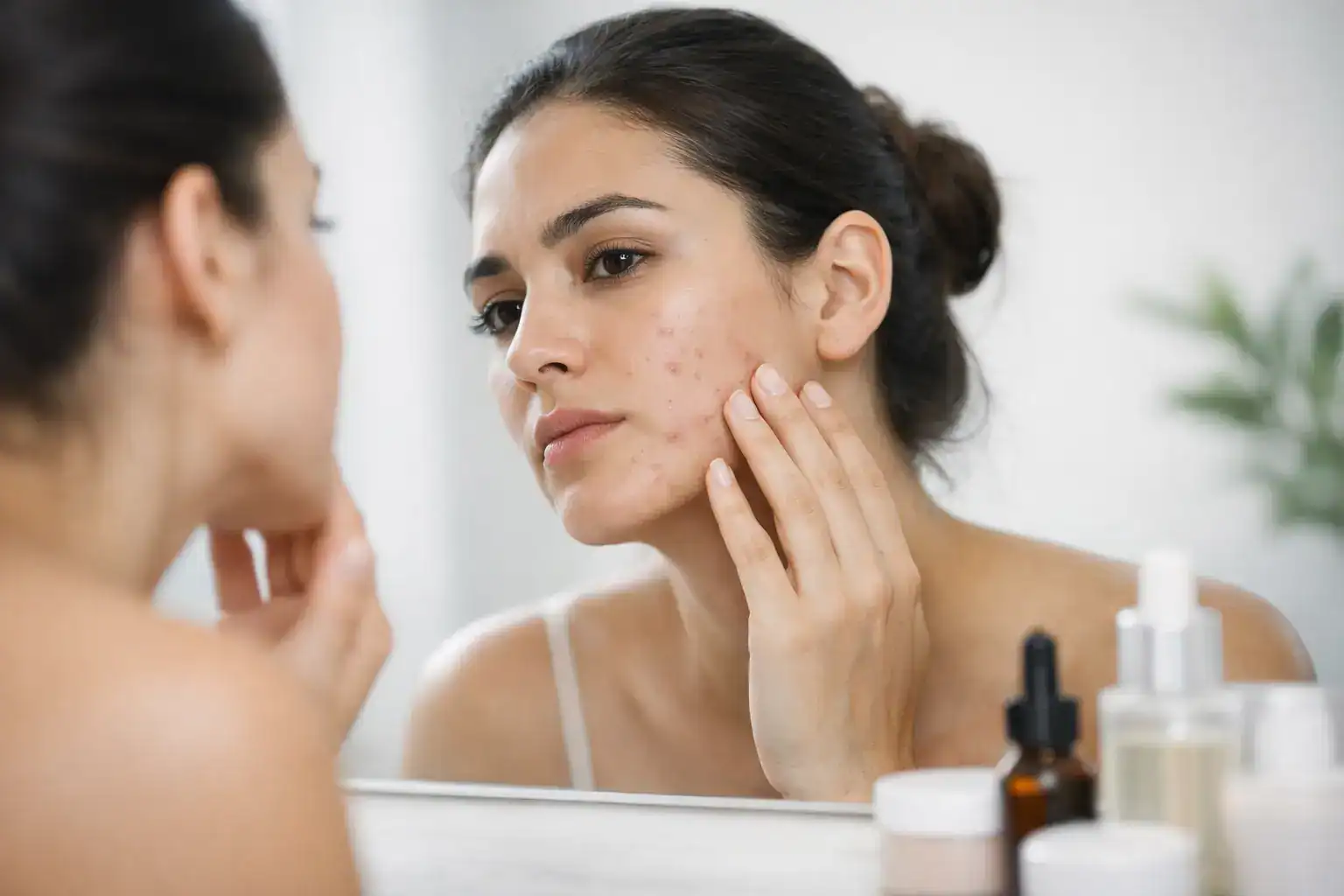
Melasma after pregnancy is a common skin concern that causes dark patches on the face, particularly around the cheeks, forehead, nose, and upper lip. Often called the mask of pregnancy, this condition develops when hormonal changes stimulate excess melanin production. Although pregnancy-related melasma may gradually fade after childbirth, persistent pigmentation can require targeted skincare or professional treatment.
Understanding melasma treatment after pregnancy cost and options helps new mothers choose effective, affordable, and safe solutions for improving uneven skin tone. We explore the available treatments, expected expenses, and factors that influence results, including important considerations for breastfeeding mothers.
What Causes Melasma After Pregnancy?
Melasma develops when melanocytes, the cells responsible for producing skin pigment, become overactive. During pregnancy, hormonal fluctuations can increase melanin production, especially when combined with sunlight exposure and genetic susceptibility.
Common factors contributing to postpartum melasma include:
- Hormonal changes: Pregnancy-related increases in estrogen and progesterone can contribute to pigmentation changes.
- Sun exposure: Ultraviolet radiation stimulates melanin production and may worsen existing dark patches.
- Genetic predisposition: Individuals with a family history of melasma are more likely to develop the condition.
- Visible light exposure: Visible light, particularly from sunlight, can worsen pigmentation in some skin tones.
- Skin irritation: Harsh skincare products may aggravate discoloration and contribute to additional pigmentation.
We recommend identifying potential triggers before selecting a post-pregnancy melasma treatment, as preventing further pigmentation is essential for maintaining results.
Best Melasma Treatment After Pregnancy: Available Options
Several treatments can improve postpartum melasma, ranging from affordable topical products to professional dermatological procedures. The appropriate option depends on pigmentation severity, skin sensitivity, breastfeeding status, and treatment budget.
1. Topical Creams for Melasma After Pregnancy
Topical treatments are often the first choice for managing mild to moderate melasma. These products contain ingredients that help reduce excess pigmentation and improve overall skin tone.
Common options include:
- Azelaic acid: Helps reduce pigmentation and is generally considered compatible with breastfeeding when used appropriately.
- Vitamin C: An antioxidant that may help brighten uneven skin tone and support protection against oxidative damage.
- Niacinamide: Supports the skin barrier and may gradually improve discoloration.
- Hydroquinone: A prescription-strength skin-lightening ingredient that can be effective but is generally best avoided during breastfeeding because safety information is limited.
- Topical retinoids: May support pigmentation treatment but require individualized medical advice, particularly when breastfeeding.
Estimated cost: Approximately $10–$100 or more per product, depending on the brand, formulation, and prescription requirements.
We recommend consulting a dermatologist before using strong pigment-correcting creams, especially while nursing.
2. Chemical Peels for Postpartum Melasma
Chemical peels use carefully selected exfoliating acids to remove superficial skin cells and improve pigmentation.
Common professional peeling agents include glycolic acid and lactic acid. These treatments may be considered when topical skincare alone does not provide sufficient improvement.
Estimated cost: $100–$300 or more per session.
Multiple sessions may be necessary, and results depend on skin type and the depth of pigmentation. Because aggressive chemical peels can trigger post-inflammatory hyperpigmentation, particularly in darker skin tones, we recommend treatment by an experienced dermatology professional.
3. Laser Treatment for Melasma After Pregnancy
Laser treatments target pigmentation using controlled light energy. Certain laser technologies may reduce stubborn melasma, although recurrence and worsening pigmentation remain important risks.
Laser treatment is generally considered for selected patients whose melasma has not responded adequately to conventional care.
Estimated cost: $200–$1,000 or more per session.
We advise consulting a qualified dermatologist before considering laser therapy, particularly for darker skin tones, where inappropriate settings may increase discoloration.
4. Prescription Melasma Treatments
Dermatologists may prescribe stronger formulations for persistent melasma, including combination creams containing hydroquinone, tretinoin, and a mild corticosteroid.
These treatments can produce meaningful improvements but require medical supervision and are not suitable for everyone.
Estimated cost: Approximately $30–$200 or more, depending on the prescription and pharmacy.
We emphasize that breastfeeding mothers should discuss alternative treatments with their healthcare provider before starting combination prescription products.
5. Sunscreen and Daily Skincare
Sun protection is one of the most important steps in preventing melasma from becoming darker or recurring.
We recommend daily use of a broad-spectrum SPF 30–50+ sunscreen, ideally a tinted formula containing iron oxides for additional protection against visible light.
Estimated cost: $10–$50 or more per product.
Consistent sunscreen application, protective clothing, and avoiding prolonged direct sunlight can help maintain improvements achieved through other treatments.
Melasma Treatment After Pregnancy Cost Comparison
The overall cost of melasma treatment after pregnancy varies depending on the treatment selected, geographic location, dermatologist’s experience, and number of sessions required.
| Treatment option | Estimated cost (USD) | Treatment approach |
|---|---|---|
| Sunscreen | $10–$50 | Daily protection |
| OTC brightening creams | $10–$100 | Regular home application |
| Prescription creams | $30–$200 | Dermatologist-supervised |
| Chemical peels | $100–$300+ | Multiple sessions |
| Laser therapy | $200–$1,000+ | Selected professional cases |
| Dermatology consultation | $75–$250+ | Initial assessment |
These are illustrative price ranges, not verified local quotations. Actual costs vary significantly by country, clinic, treatment plan, and provider.
For patients seeking affordable melasma treatment after pregnancy, we generally recommend starting with consistent sunscreen use and suitable topical treatments before considering expensive procedures.
Factors That Affect Melasma Treatment Costs After Pregnancy
Several factors influence the total amount patients spend on managing postpartum pigmentation.
Severity and Depth of Pigmentation
Mild epidermal melasma may respond more readily to topical skincare, while deeper or mixed pigmentation can require longer treatment and specialist intervention.
Number of Treatment Sessions
Professional procedures often require multiple appointments. Follow-up visits and maintenance skincare can increase overall costs.
Dermatologist Experience and Clinic Location
Treatment prices vary across clinics and geographic regions. Experienced dermatologists may charge higher consultation fees, particularly for specialized procedures.
Skincare Products and Maintenance
Long-term melasma management typically requires sunscreen, moisturizers, and appropriate pigmentation treatments. We encourage patients to consider these recurring expenses when calculating their treatment budget.
Safe Melasma Treatment After Pregnancy While Breastfeeding
Breastfeeding mothers require additional consideration when selecting melasma treatments because some medications have limited safety data during lactation.
Topical azelaic acid is considered low risk during breastfeeding, although direct studies in nursing mothers are limited. It should not be applied to the breast or nipple, and infants should not come into contact with treated skin. NCBI+1
We recommend discussing prescription treatments, chemical peels, and laser procedures with a qualified healthcare professional before beginning treatment. A gentle skincare routine, moisturizing products, and daily sunscreen provide a practical starting point.
How Long Does Melasma Take to Fade After Pregnancy?
Melasma may gradually improve as pregnancy-related hormone levels change after delivery. However, some individuals experience persistent pigmentation that requires ongoing management.
With an appropriate dermatologist-guided treatment plan, visible improvement may take three to twelve months, depending on pigmentation severity and treatment response. American Academy of Dermatology
We encourage consistency rather than aggressive skincare, as excessive exfoliation and irritation can worsen pigmentation.
How to Choose Affordable Melasma Treatment After Pregnancy
Selecting an effective treatment does not necessarily require expensive procedures. We recommend prioritizing products and treatments that suit individual skin needs while minimizing unnecessary expenses.
For mild melasma, daily tinted sunscreen and a suitable brightening ingredient may offer a reasonable starting point. Moderate pigmentation may benefit from professional assessment and prescription treatment. More persistent cases sometimes require combination therapy under dermatological supervision.
We also advise avoiding unregulated bleaching creams and harsh home remedies, which can damage the skin barrier and worsen discoloration.
Tips to Prevent Melasma From Returning After Pregnancy
Preventing recurrence is an essential part of maintaining brighter, more even-looking skin.
We recommend applying broad-spectrum sunscreen every morning, reapplying it during prolonged outdoor exposure, and selecting tinted products containing iron oxides. Gentle, fragrance-free skincare can also help reduce irritation that contributes to pigmentation. American Academy of Dermatology
Maintaining a consistent skincare routine and attending recommended dermatology appointments can help preserve treatment results.
FAQs about Melasma Treatment After Pregnancy
1. What Is the Best Melasma Treatment After Pregnancy?
The best melasma treatment after pregnancy includes daily sunscreen, azelaic acid, and dermatologist-recommended brightening products. Depending on skin sensitivity and breastfeeding status, dermatologists may suggest additional treatments.
2. Does Melasma Go Away Naturally After Pregnancy?
Yes, pregnancy-related melasma may gradually fade after childbirth as hormone levels stabilize. However, some women experience persistent dark patches that require professional treatment.
3. Is Melasma Treatment Safe While Breastfeeding?
Certain treatments, including topical azelaic acid, are generally considered low-risk during breastfeeding. However, we recommend consulting a dermatologist before using hydroquinone, retinoids, or other prescription treatments.
4. How Long Does Melasma Take to Fade After Pregnancy?
Melasma may improve within several months after delivery. With consistent skincare and sun protection, visible improvements can occur, although treatment results vary depending on pigmentation severity.
5. Can Vitamin C Help Treat Postpartum Melasma?
Yes, vitamin C serums may help reduce the appearance of dark spots, improve uneven skin tone, and provide antioxidant protection. They work best alongside daily sunscreen.
6. What Sunscreen Is Best for Melasma After Pregnancy?
We recommend a broad-spectrum SPF 30 or higher tinted sunscreen containing iron oxides. It helps protect against ultraviolet radiation and visible light, which can worsen melasma.
7. Can Melasma Return After Successful Treatment?
Yes, melasma can recur due to sun exposure, hormonal changes, or inadequate skin protection. Maintaining a consistent skincare routine helps reduce recurrence.
8. When Should We Consult a Dermatologist for Postpartum Melasma?
We recommend seeking professional advice when dark patches persist, worsen, or affect confidence. A dermatologist can recommend a personalized postpartum melasma treatment plan based on skin type, breastfeeding status, and pigmentation severity.
Conclusion
Understanding melasma treatment after pregnancy cost and options allows new mothers to make informed decisions about managing persistent facial pigmentation. From affordable sunscreen and topical creams to professional chemical peels and laser procedures, several approaches can improve uneven skin tone.
We recommend beginning with sun protection, choosing treatments appropriate for breastfeeding status, and seeking professional guidance for persistent pigmentation. With consistent care, realistic expectations, and suitable treatment, postpartum melasma can often be significantly improved.

