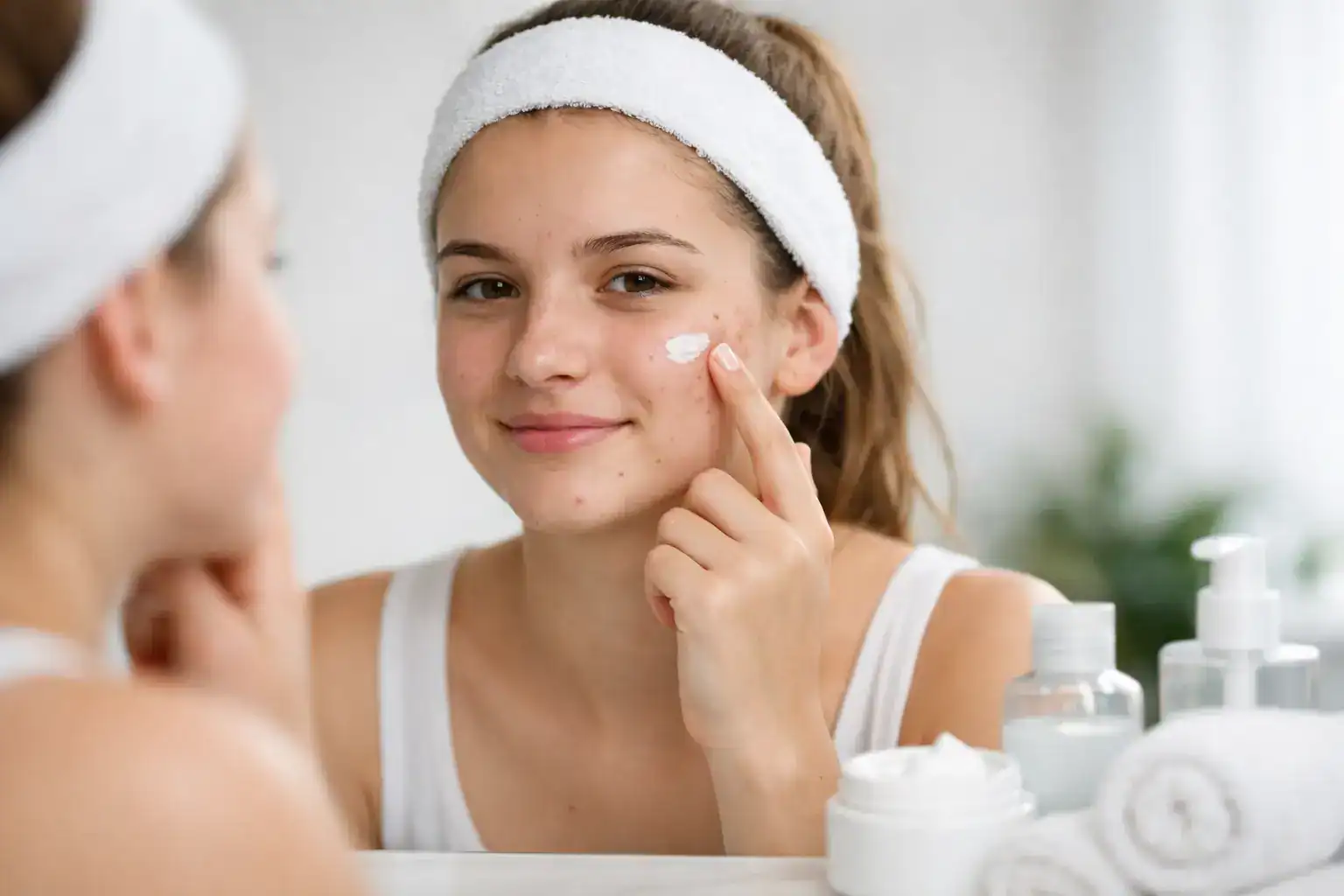
Melasma after pregnancy is a common skin concern that causes dark, uneven patches on the face, particularly around the cheeks, forehead, nose, and upper lip. Often called the mask of pregnancy, this form of hyperpigmentation develops due to hormonal changes, increased melanin production, and sun exposure. Although melasma may gradually fade after childbirth, some women experience persistent discoloration that requires professional treatment.
Choosing a dermatologist recommended melasma treatment after pregnancy is essential for improving skin tone without compromising skin health. We recommend evidence-based skincare solutions, consistent sun protection, and personalized dermatological care to manage pigmentation effectively.
What Causes Melasma After Pregnancy?
Melasma develops when pigment-producing cells, known as melanocytes, produce excessive melanin. Pregnancy-related fluctuations in estrogen and progesterone can stimulate this process, making certain areas of the face darker than the surrounding skin.
Several factors contribute to postpartum melasma, including hormonal changes, genetic predisposition, ultraviolet radiation, visible light exposure, and skin inflammation.
Women with medium to darker skin tones may be particularly susceptible because their melanocytes respond more actively to pigmentation triggers. While hormone levels gradually stabilize after delivery, existing pigmentation can persist for months or longer.
Understanding these contributing factors helps us recommend the most appropriate postpartum melasma treatment for each skin type.
Best Dermatologist Recommended Melasma Treatments After Pregnancy
Dermatologists typically recommend a combination of topical treatments, sun protection, and carefully selected clinical procedures. The best approach depends on pigmentation severity, skin sensitivity, breastfeeding status, and individual treatment goals.
1. Azelaic Acid for Postpartum Melasma
Azelaic acid is a commonly recommended ingredient for managing pigmentation after pregnancy. It helps reduce excessive melanin production while supporting a more even complexion.
Its anti-inflammatory properties also make it suitable for many people with sensitive or acne-prone skin. Dermatologists may recommend formulations containing 10% to 20% azelaic acid, depending on individual needs and product availability.
Azelaic acid is generally considered compatible with breastfeeding when used topically as directed, although application to the breast or areas that may contact an infant’s skin should be avoided.
2. Vitamin C Serums for Dark Spots
Vitamin C is a powerful antioxidant that helps protect the skin against environmental damage and supports a brighter, more uniform complexion.
We recommend incorporating a well-formulated vitamin C serum into a morning skincare routine when tolerated. Consistent use may gradually improve mild discoloration and complement other melasma treatments.
However, vitamin C alone may not sufficiently treat moderate or severe pigmentation.
3. Hydroquinone for Persistent Melasma
Hydroquinone is a well-established prescription treatment for stubborn melasma. It reduces pigmentation by inhibiting tyrosinase, an enzyme involved in melanin production.
Dermatologists may prescribe hydroquinone for limited treatment periods while monitoring irritation and treatment response.
Important: Hydroquinone is generally avoided during breastfeeding because safety information is limited and systemic absorption can occur. Women who are nursing should discuss alternative treatments with their dermatologist.
4. Topical Retinoids for Skin Renewal
Topical retinoids, including tretinoin, can improve uneven pigmentation by promoting skin cell turnover. They may be prescribed alongside other ingredients for persistent melasma.
However, retinoids can cause irritation, peeling, and dryness, particularly in sensitive skin.
Although some topical retinoids have low systemic absorption, their suitability during breastfeeding should be assessed individually by a healthcare professional. They should not be used during pregnancy.
5. Niacinamide for Uneven Skin Tone
Niacinamide, also known as vitamin B3, is a gentle skincare ingredient that supports the skin barrier and helps reduce the appearance of discoloration.
Its ability to improve moisture retention and minimize irritation makes it particularly useful for women experiencing postpartum skin sensitivity.
We recommend niacinamide as a supportive ingredient rather than a replacement for prescription treatment when melasma is extensive.
Professional Melasma Treatment Options for Stubborn Pigmentation
When topical skincare products do not provide sufficient improvement, dermatologists may recommend professional procedures. These treatments require careful assessment, especially for women with darker skin tones or those who are breastfeeding.
Chemical Peels for Melasma After Pregnancy
Superficial chemical peels containing ingredients such as glycolic acid may help improve uneven pigmentation by exfoliating the outermost skin layers.
However, inappropriate peel strength or excessive exfoliation can cause inflammation and worsen hyperpigmentation. We recommend having these procedures performed by a qualified dermatologist experienced in treating melasma.
Laser Treatment for Postpartum Hyperpigmentation
Certain laser and light-based treatments may improve resistant melasma when combined with topical medication and sun protection.
However, laser therapy is not suitable for everyone. It can sometimes cause rebound pigmentation or post-inflammatory hyperpigmentation, particularly in darker skin tones.
We recommend discussing potential benefits, limitations, and risks before considering laser treatment.
Tranexamic Acid for Resistant Melasma
Tranexamic acid is another treatment dermatologists may consider for persistent melasma. It is available in topical formulations and, in selected cases, as an oral medication.
Oral tranexamic acid requires medical evaluation because it may increase blood-clotting risks in susceptible individuals. Its use for melasma is off-label in many countries, and it should not be started without specialist guidance, particularly during the postpartum period.
Best Skincare Routine for Melasma After Pregnancy
A consistent skincare routine helps support professional treatment and minimize recurring pigmentation. We recommend keeping the routine gentle, practical, and focused on protecting the skin barrier.
Morning Skincare Routine
- Gentle cleanser: Remove impurities without stripping natural moisture.
- Vitamin C or niacinamide serum: Support a more even complexion and reduce the appearance of discoloration.
- Moisturizer: Maintain hydration and strengthen the skin barrier.
- Tinted sunscreen SPF 30–50+: Choose broad-spectrum protection containing iron oxides to reduce the effects of ultraviolet radiation and visible light.
Evening Skincare Routine
- Mild cleanser: Remove sunscreen, makeup, and daily buildup.
- Dermatologist-approved pigmentation treatment: Apply azelaic acid or another recommended treatment according to professional instructions.
- Hydrating moisturizer: Reduce dryness and maintain skin comfort.
We emphasize that daily sunscreen application is one of the most important steps in treating melasma after pregnancy. Sunscreen should be reapplied approximately every two hours while outdoors, particularly after sweating or swimming. American Academy of Dermatology+1
Is Melasma Treatment Safe While Breastfeeding?
Breastfeeding mothers should carefully evaluate skincare ingredients before beginning treatment. Although several topical products have low systemic absorption, not every pigmentation treatment has sufficient breastfeeding safety data.
We generally prioritize gentle skincare, sun protection, and treatments with more reassuring lactation safety profiles.
Topical azelaic acid is considered low risk during breastfeeding, provided the product is not applied to the breast or areas where an infant may come into direct contact with treated skin. NCBI+1
Hydroquinone has limited breastfeeding safety data, so many specialists prefer alternatives, particularly for prolonged cosmetic use. Topical tretinoin is considered low risk by LactMed because of limited absorption, but its use should still be reviewed individually. NCBI+1
How Long Does Melasma Take to Fade After Pregnancy?
Melasma may improve naturally as pregnancy-related hormonal changes resolve. However, the fading process varies according to pigmentation depth, genetic factors, sun exposure, and treatment consistency.
Some women notice gradual improvement within several months, while others experience discoloration that persists for years.
With appropriate dermatological treatment, visible results commonly develop over three to twelve months, although individual outcomes vary. American Academy of Dermatology
For lasting improvement, we recommend maintaining sun protection even after pigmentation has faded, because melasma can return when exposed to triggering factors.
How to Choose the Right Dermatologist for Postpartum Melasma
Selecting an experienced dermatologist is an important step toward achieving effective, safe pigmentation management.
We recommend choosing a qualified professional who can accurately diagnose facial discoloration, assess skin sensitivity, and develop an individualized treatment plan.
A comprehensive dermatology consultation should consider breastfeeding status, previous skincare reactions, pigmentation severity, medication history, and individual skin tone.
Women with darker complexions should particularly seek dermatologists experienced in managing hyperpigmentation in skin of color, as aggressive treatments may worsen discoloration.
Professional guidance also helps distinguish melasma from other pigmentation conditions that may require different treatments.
Common Mistakes to Avoid When Treating Postpartum Melasma
Even effective skincare ingredients can produce disappointing results when used incorrectly. We recommend avoiding several common practices that may delay improvement.
- Skipping sunscreen: Ultraviolet radiation and visible light can intensify existing pigmentation.
- Using multiple strong exfoliants: Excessive exfoliation may cause inflammation and worsen dark patches.
- Applying unregulated bleaching creams: Some products contain harmful ingredients, including mercury or potent corticosteroids.
- Expecting overnight results: Melasma improvement requires consistency and realistic expectations.
- Starting prescription products without medical advice: Breastfeeding status and individual skin sensitivity should guide treatment selection.
Adopting a gentle, consistent skincare routine is often more beneficial than frequently switching between aggressive pigmentation treatments.
When Should You See a Dermatologist for Melasma After Pregnancy?
We recommend scheduling a dermatology consultation when facial pigmentation persists, becomes more noticeable, or does not respond to consistent sun protection and gentle skincare.
Professional evaluation is particularly important when dark patches appear unusually, develop rapidly, become inflamed, or have features that are not typical of melasma.
A dermatologist can confirm the diagnosis, recommend appropriate treatment, and help prevent unnecessary irritation from unsuitable products.
FAQs about Dermatologist Recommended Melasma Treatment After Pregnancy
1. What is the best dermatologist recommended melasma treatment after pregnancy?
Dermatologists commonly recommend azelaic acid, hydroquinone, topical retinoids, and broad-spectrum sunscreen to reduce melasma after pregnancy. The most suitable treatment depends on skin type, pigmentation severity, and breastfeeding status.
2. Does melasma disappear naturally after pregnancy?
Yes, pregnancy-related melasma may gradually fade after delivery as hormone levels change. However, some dark patches persist and require dermatologist-recommended treatment to improve skin tone.
3. Is melasma treatment safe while breastfeeding?
Certain treatments, including azelaic acid and sunscreen, are generally considered compatible with breastfeeding. However, hydroquinone and retinoids require individual medical assessment because safety information is limited.
4. How long does melasma treatment take to show results?
Most topical melasma treatments require approximately 8–12 weeks to show noticeable improvement. Stubborn pigmentation may take several months, depending on treatment consistency and sun protection.
5. Can vitamin C help treat melasma after pregnancy?
Yes. Vitamin C serums may help reduce uneven pigmentation and support brighter-looking skin. They are often used alongside sunscreen and other dermatologist-recommended treatments.
6. Can melasma return after successful treatment?
Yes. Melasma can recur due to sun exposure, hormonal changes, and heat. Consistent sun protection and a suitable maintenance skincare routine help reduce recurrence.
7. What sunscreen is best for postpartum melasma?
Dermatologists generally recommend broad-spectrum SPF 30 or higher, preferably a tinted mineral sunscreen containing iron oxides to protect against visible light that can worsen melasma.
8. Should we consult a dermatologist for melasma after pregnancy?
Yes. We recommend consulting a qualified dermatologist to identify suitable treatments, particularly during breastfeeding, and develop a safe, personalized skincare plan.
Conclusion
Choosing the right dermatologist recommended melasma treatment after pregnancy involves understanding hormonal pigmentation, protecting the skin from sunlight, and selecting evidence-based treatments suitable for individual needs.
We recommend beginning with broad-spectrum tinted sunscreen, gentle skincare, and dermatologist-approved ingredients such as azelaic acid or niacinamide. For persistent discoloration, prescription treatments and carefully selected professional procedures may provide additional improvement.
With consistent care, professional guidance, and realistic expectations, women can achieve a more even-looking complexion while maintaining healthier skin after pregnancy.

