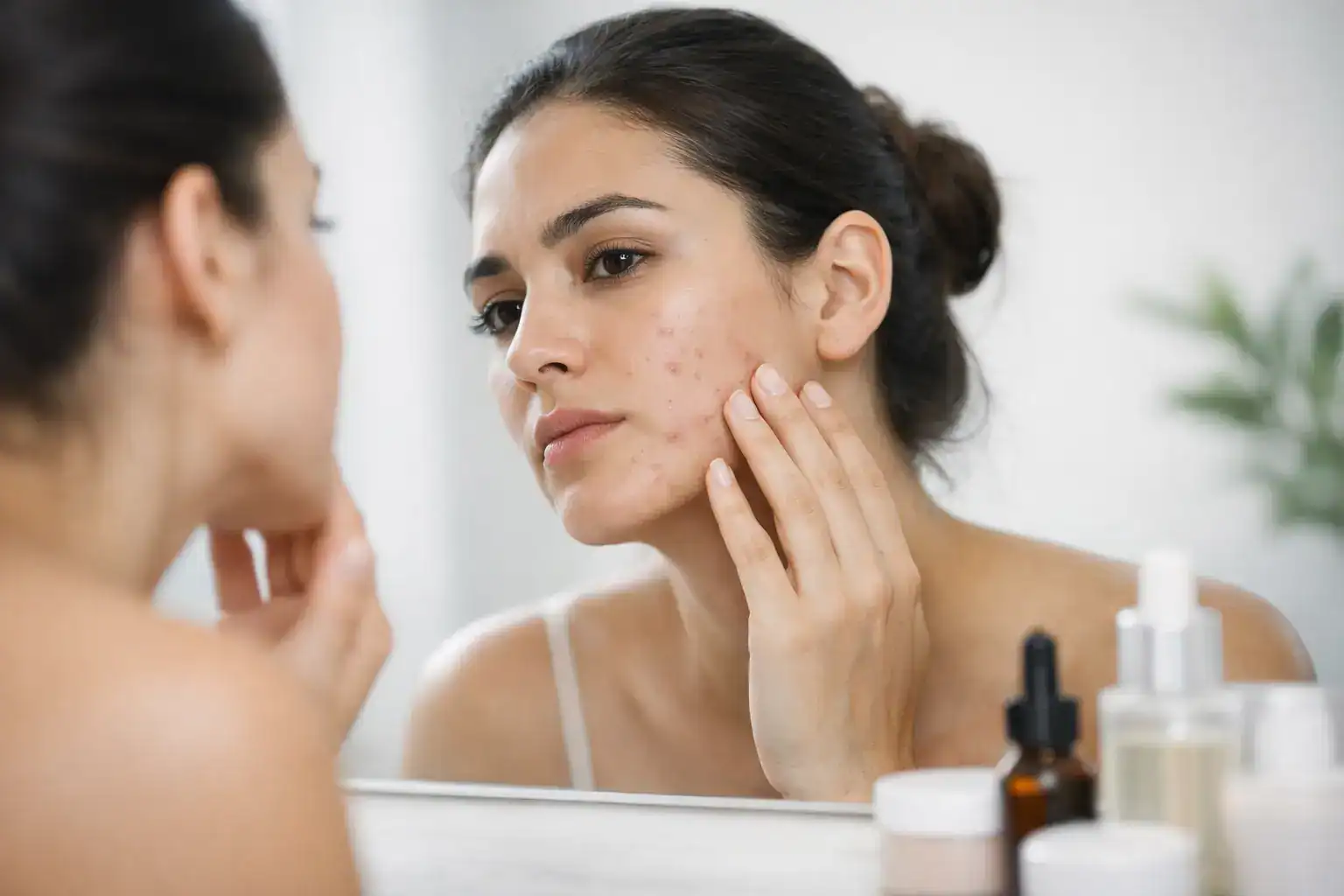
Hyperpigmentation is one of the most common skin concerns affecting people of different ages and skin types. Whether caused by acne scars, sun exposure, hormonal changes, or inflammation, dark spots and uneven skin tone can affect skin appearance and confidence. Finding the best dermatologist for hyperpigmentation is essential for receiving an accurate diagnosis, effective treatment, and long-lasting improvements in skin health.
At our practice, we understand that every individual’s skin is unique. We believe that successful hyperpigmentation treatment requires a personalized approach that addresses the underlying cause of discoloration rather than simply treating visible dark spots. With professional dermatological guidance, patients can achieve a more balanced complexion while protecting their skin from further pigmentation problems.
What Is Hyperpigmentation and What Causes It?
Hyperpigmentation occurs when certain areas of the skin produce excess melanin, the natural pigment responsible for skin color. This increased pigmentation creates patches or spots that appear darker than the surrounding skin.
Although hyperpigmentation is generally harmless, identifying its underlying cause is important for selecting the most effective treatment.
Common Types of Hyperpigmentation
Several forms of hyperpigmentation may require professional dermatological care.
- Melasma: Characterized by brown or gray-brown patches, commonly appearing on the cheeks, forehead, and upper lip. Hormonal changes and sun exposure are frequent triggers.
- Post-Inflammatory Hyperpigmentation (PIH): Dark spots that develop after acne, eczema, injuries, or other inflammatory skin conditions.
- Sunspots: Also called solar lentigines, these darkened areas develop following prolonged ultraviolet exposure.
- Freckles: Small pigmented spots that often become more noticeable with sunlight exposure.
- Medication-Related Pigmentation: Certain medications can cause skin discoloration that requires professional assessment.
The best dermatologist for hyperpigmentation evaluates the type, severity, and possible triggers before recommending treatment.
Why Choose a Dermatologist for Hyperpigmentation Treatment?
Although numerous skincare products promise to eliminate dark spots, not every treatment works for every skin type. Some products can cause irritation, worsening discoloration, or damage to the skin barrier.
A qualified dermatologist provides medical expertise and evidence-based solutions tailored to individual pigmentation concerns.
Benefits of Consulting a Hyperpigmentation Specialist
When choosing professional dermatological care, we recommend considering the following benefits:
- Accurate Skin Diagnosis: A dermatologist identifies the specific pigmentation condition and rules out other possible causes of discoloration.
- Personalized Treatment Plans: Treatment recommendations consider skin tone, sensitivity, medical history, and pigmentation severity.
- Access to Prescription Treatments: Dermatologists can prescribe medications that may be more effective than standard over-the-counter products.
- Professional Skin Procedures: Certain patients may benefit from chemical peels, laser treatments, or other procedures performed by qualified professionals.
- Prevention of Future Dark Spots: Dermatologists provide guidance on sun protection, skincare routines, and avoiding pigmentation triggers.
- Ongoing Skin Monitoring: Regular follow-up appointments help evaluate results and adjust treatment when necessary.
Professional care is particularly important for individuals with darker skin tones because aggressive treatments can increase the risk of post-inflammatory hyperpigmentation.
Best Dermatologist-Recommended Treatments for Hyperpigmentation
Effective hyperpigmentation treatment depends on the condition, skin type, and underlying cause. We recommend working with an experienced dermatologist to determine which treatment options are most appropriate.
1. Prescription Topical Treatments
Prescription creams are commonly recommended for reducing dark spots and improving uneven skin tone.
Dermatologists may prescribe:
- Hydroquinone: A skin-lightening medication used for selected pigmentation conditions under medical supervision.
- Tretinoin: A prescription retinoid that promotes skin cell turnover and may gradually improve pigmentation.
- Azelaic Acid: Helps manage acne-related discoloration and certain forms of melasma.
- Triple-Combination Creams: Prescription formulations containing hydroquinone, tretinoin, and a corticosteroid, sometimes used for short-term melasma treatment.
These medications require appropriate guidance because incorrect or prolonged use can cause irritation and other complications.
2. Chemical Peels for Dark Spots
Chemical peels use carefully selected exfoliating agents to remove superficial skin cells and improve the appearance of certain pigmentation conditions.
Common options include glycolic acid, salicylic acid, and other professionally formulated treatments.
We recommend choosing a dermatologist experienced with the patient’s skin tone, particularly when treating darker complexions, because stronger peels may worsen pigmentation if performed incorrectly.
3. Laser Treatment for Hyperpigmentation
Laser treatments target pigment or promote skin renewal using controlled energy.
Certain lasers may improve selected dark spots, sun damage, and pigmentation irregularities. However, laser procedures are not suitable for every condition.
For example, some individuals with melasma experience worsening pigmentation following inappropriate laser treatment.
An experienced laser dermatologist for hyperpigmentation carefully assesses treatment suitability, expected benefits, and potential risks before recommending a procedure.
4. Dermatologist-Recommended Skincare Products
A well-designed skincare routine supports professional treatment and helps maintain results.
Useful ingredients may include:
- Vitamin C: An antioxidant that can help improve the appearance of uneven pigmentation.
- Niacinamide: Supports the skin barrier and may reduce visible discoloration.
- Azelaic Acid: Helps address dark spots associated with acne and inflammation.
- Retinoids: Encourage skin cell turnover and may gradually improve uneven tone.
- Broad-Spectrum Sunscreen: Protects against ultraviolet radiation that can worsen pigmentation.
Daily sunscreen with SPF 30 or higher is essential. For melasma, tinted sunscreen containing iron oxides may provide additional protection against visible light, which can contribute to discoloration.
How to Choose the Best Dermatologist for Hyperpigmentation
Selecting a qualified dermatologist is one of the most important decisions when seeking effective dark spot treatment.
A dermatologist should have the medical knowledge and clinical experience necessary to distinguish between different pigmentation disorders.
Important Factors to Consider Before Booking an Appointment
We recommend evaluating these qualities when searching for the best dermatologist for hyperpigmentation near me:
- Professional Qualifications: Choose a dermatologist with recognized specialist training and appropriate medical registration.
- Experience Treating Hyperpigmentation: Look for experience managing melasma, sunspots, and post-inflammatory pigmentation.
- Expertise in Different Skin Tones: Dermatologists experienced with skin of color can better assess pigmentation risks and treatment suitability.
- Availability of Treatment Options: A practice offering medical skincare and carefully selected procedures may provide greater flexibility.
- Patient Reviews and Reputation: Consider credible patient feedback, professional recommendations, and communication quality.
- Transparent Treatment Costs: A reliable dermatologist should explain consultation fees, medication costs, and procedure expenses.
- Personalized Consultations: Choose a specialist who examines your skin and explains realistic treatment outcomes.
The ideal dermatologist prioritizes skin safety, accurate diagnosis, and sustainable pigmentation management rather than promising immediate results.
How Much Does Dermatologist Treatment for Hyperpigmentation Cost?
The cost of hyperpigmentation treatment varies depending on the dermatologist’s experience, geographical location, condition severity, and recommended procedure.
Generally, prescription skincare treatments may be less expensive than repeated in-office procedures. Chemical peels and laser sessions may involve additional costs, particularly when multiple appointments are required.
Factors That Influence Hyperpigmentation Treatment Costs
Several considerations determine the overall expense:
- Initial Consultation: Includes examination, diagnosis, and treatment planning.
- Prescription Medications: Costs depend on the prescribed ingredients and treatment duration.
- Professional Procedures: Chemical peels and laser treatments vary according to equipment and complexity.
- Number of Sessions: Persistent pigmentation may require multiple treatments.
- Follow-Up Appointments: Monitoring progress helps ensure safe, effective results.
- Maintenance Skincare: Sunscreen and appropriate skincare products support long-term improvements.
We encourage patients to request a detailed cost breakdown before beginning treatment. The most affordable dermatologist for hyperpigmentation should still provide qualified medical care and evidence-based recommendations.
How Long Does Hyperpigmentation Treatment Take to Work?
Hyperpigmentation does not always disappear immediately, even with professional treatment.
Superficial dark spots may begin improving within several weeks, while deeper or persistent pigmentation can require several months of consistent care.
Treatment response depends on pigmentation depth, skin tone, underlying triggers, and adherence to the recommended skincare routine.
Melasma, in particular, often requires long-term management because it can return after successful treatment.
We emphasize realistic expectations, regular monitoring, and consistent sun protection rather than aggressive treatments that promise instant results.
Tips to Prevent Hyperpigmentation From Returning
Preventing recurring dark spots is an essential part of maintaining treatment results. Even after pigmentation improves, continued exposure to triggering factors may cause discoloration to return.
Dermatologist-Recommended Prevention Strategies
We recommend incorporating these practices into a daily skincare routine:
- Apply broad-spectrum SPF 30 or higher sunscreen every morning and reapply when needed, especially outdoors.
- Avoid excessive sun exposure and use protective clothing or wide-brimmed hats.
- Treat acne and inflammatory skin conditions early to reduce the risk of new dark spots.
- Avoid picking pimples or irritating affected skin.
- Use gentle skincare products that support the natural skin barrier.
- Avoid unregulated skin-lightening products and harsh home remedies.
- Follow prescribed treatment instructions and attend recommended dermatology appointments.
Consistent prevention measures can help preserve improvements while supporting overall skin health.
When Should You See a Dermatologist for Dark Spots?
While some mild pigmentation concerns respond to carefully selected skincare products, certain situations require professional evaluation.
We recommend consulting a dermatologist when dark spots continue spreading, do not improve with appropriate skincare, or develop alongside persistent acne or inflammation.
Pigmented lesions that change in size, shape, or color, bleed, or develop irregular borders should also receive prompt medical examination.
A dermatologist can determine whether the discoloration represents a common pigmentation condition or requires further investigation.
FAQs about Best Dermatologist for Hyperpigmentation
1. What Does a Dermatologist Do for Hyperpigmentation?
A dermatologist for hyperpigmentation diagnoses the causes of dark spots, uneven skin tone, and skin discoloration. They recommend personalized treatments, including prescription creams, chemical peels, and laser procedures when appropriate.
2. How Do I Find the Best Dermatologist for Hyperpigmentation?
To find the best dermatologist for hyperpigmentation, look for a board-certified or appropriately accredited specialist with experience treating pigmentation disorders. Check patient reviews, professional qualifications, and expertise in treating different skin tones.
3. What Is the Best Treatment for Hyperpigmentation?
The best treatment depends on the underlying cause and skin type. Dermatologists may recommend azelaic acid, retinoids, hydroquinone, chemical peels, or laser therapy, alongside daily broad-spectrum sunscreen.
4. How Much Does a Dermatologist Charge for Hyperpigmentation Treatment?
The cost of hyperpigmentation treatment varies depending on the dermatologist’s experience, location, treatment method, and number of sessions required. Prescription treatments may cost less than professional procedures.
5. Can a Dermatologist Permanently Remove Hyperpigmentation?
Dermatologists can significantly reduce many types of hyperpigmentation. However, results depend on the cause, and some conditions, including melasma, may recur without ongoing skincare and sun protection.
6. How Long Does Dermatologist Treatment for Hyperpigmentation Take?
Visible improvements may appear within 8–12 weeks, although deeper pigmentation can take several months. Treatment duration depends on pigmentation severity, skin type, and the recommended procedure.
7. Is It Worth Seeing a Dermatologist for Hyperpigmentation?
Yes. Consulting an experienced hyperpigmentation dermatologist helps ensure accurate diagnosis, safer treatment choices, and an effective skincare plan tailored to your individual needs.
Conclusion
Choosing the best dermatologist for hyperpigmentation is essential for achieving effective, safe, and lasting improvements in uneven skin tone. From prescription creams and chemical peels to carefully selected laser treatments, professional dermatological care provides solutions tailored to different skin concerns.
At our practice, we believe that successful pigmentation management begins with understanding each patient’s skin and identifying the underlying causes of discoloration. By combining expert dermatological treatment, personalized skincare, and consistent sun protection, patients can improve the appearance of dark spots while maintaining healthier-looking skin.
For anyone struggling with melasma, acne marks, sunspots, or stubborn discoloration, consulting a qualified hyperpigmentation dermatologist is a valuable first step toward achieving a clearer, more even-looking complexion.

