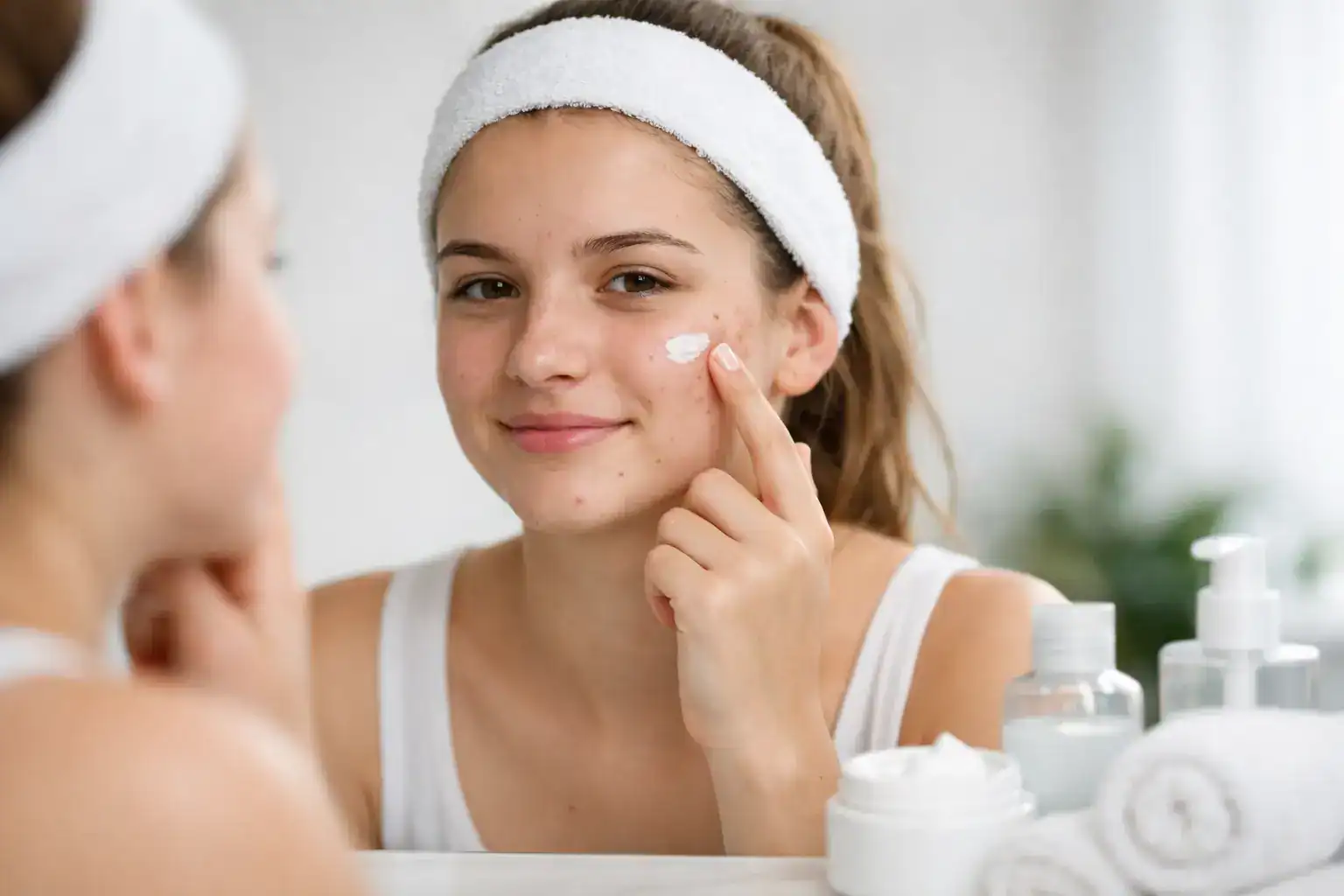
Melasma after pregnancy is a common skin concern that causes dark patches to develop on the face, particularly around the cheeks, forehead, nose, and upper lip. Often referred to as the mask of pregnancy, this pigmentation condition occurs primarily because of hormonal changes that stimulate excess melanin production. Although these dark patches may gradually fade after childbirth, some women experience persistent discoloration that requires targeted skincare and professional treatment.
Finding the best melasma treatment after pregnancy involves understanding the causes of pigmentation, choosing effective skincare ingredients, and following a consistent treatment routine. We recommend a personalized approach that combines sun protection, gentle topical treatments, and dermatologist-guided procedures when necessary.
What Causes Melasma After Pregnancy?
Melasma develops when melanocytes, the cells responsible for producing skin pigment, become overactive. During pregnancy, increased estrogen and progesterone levels can contribute to excess pigmentation, particularly when combined with sunlight exposure.
Even after childbirth, melasma may remain visible because pigment production does not always return to its previous level immediately.
Several factors can contribute to persistent postpartum melasma, including:
- Hormonal fluctuations: Changes in hormone levels during and after pregnancy can influence melanin production.
- Sun exposure: Ultraviolet radiation stimulates pigmentation and can darken existing melasma patches.
- Genetic predisposition: Women with a family history of melasma may be more likely to develop the condition.
- Visible light exposure: Visible light, particularly from sunlight, can worsen melasma, especially in darker skin tones.
- Skin irritation: Harsh skincare products and aggressive exfoliation may aggravate discoloration.
Understanding these factors allows us to recommend treatments that address pigmentation while protecting sensitive postpartum skin.
Best Melasma Treatment After Pregnancy: Top Treatment Options
The most effective treatment depends on pigmentation severity, skin sensitivity, breastfeeding status, and individual skin characteristics. We recommend combining clinically supported ingredients with daily sun protection for optimal results.
1. Azelaic Acid for Postpartum Melasma
Azelaic acid is a valuable treatment option for managing melasma after pregnancy. It helps reduce excess pigment production while supporting a more even-looking complexion.
Azelaic acid offers several benefits:
- Helps fade dark patches and uneven pigmentation.
- Supports clearer, smoother-looking skin.
- Provides anti-inflammatory properties.
- May be suitable for sensitive and acne-prone skin.
- Is generally considered compatible with breastfeeding when used topically as directed.
We recommend discussing the appropriate concentration with a dermatologist, particularly when managing persistent pigmentation.
2. Vitamin C Serum for Dark Spots After Pregnancy
Vitamin C is a popular antioxidant used to improve skin brightness and reduce uneven pigmentation. It helps limit oxidative stress and can complement other melasma treatments.
Regular use of a well-formulated vitamin C serum for melasma may help improve the appearance of dark patches while supporting overall skin health.
We recommend introducing vitamin C gradually, especially for sensitive postpartum skin, and pairing it with broad-spectrum sunscreen.
3. Niacinamide for Uneven Skin Tone
Niacinamide, also known as vitamin B3, is a gentle skincare ingredient that supports the skin barrier and reduces the appearance of hyperpigmentation.
Its benefits include improved skin hydration, reduced redness, and a more balanced complexion.
For women experiencing sensitivity after pregnancy, niacinamide for melasma can be a useful addition to a gentle skincare routine. It is often combined with other pigmentation treatments to support gradual improvement.
4. Hydroquinone for Persistent Melasma
Hydroquinone is a prescription-strength skin-lightening ingredient commonly used to treat stubborn pigmentation.
It works by reducing melanin production and may significantly improve melasma when used under medical supervision.
However, hydroquinone is generally avoided during breastfeeding because safety data are limited and systemic absorption can occur. We recommend consulting a dermatologist before considering hydroquinone treatment after pregnancy.
It should also be used for a limited period under professional guidance to minimize irritation and other complications.
5. Chemical Peels for Postpartum Hyperpigmentation
Professional chemical peels may help improve persistent melasma by exfoliating superficial skin layers and encouraging skin renewal.
Dermatologists may recommend carefully selected superficial peels containing glycolic acid or other suitable ingredients.
However, chemical peels require caution, particularly for darker skin tones, because aggressive treatments can cause irritation or post-inflammatory hyperpigmentation.
We recommend professional assessment before undergoing any cosmetic procedure while breastfeeding.
How to Choose the Best Melasma Treatment After Pregnancy
Selecting an appropriate treatment requires more than choosing a brightening cream. We prioritize skin safety, pigmentation severity, and realistic treatment expectations.
Important Factors to Consider Before Starting Treatment
When evaluating melasma treatment options after pregnancy, we recommend considering the following:
- Breastfeeding status: Choose ingredients with an established safety profile during lactation and consult a healthcare professional before using prescription treatments.
- Skin type: Sensitive, dry, oily, and combination skin may respond differently to active ingredients.
- Pigmentation severity: Mild discoloration may respond to skincare, while persistent melasma may require professional treatment.
- Sun protection: Daily sunscreen is essential because sunlight can reverse treatment progress.
- Treatment consistency: Visible improvement often requires several weeks or months of regular skincare.
- Professional guidance: A dermatologist can recommend suitable ingredients and monitor your skin’s response.
We recommend avoiding unregulated bleaching creams, excessive exfoliation, and products containing undisclosed ingredients.
Best Skincare Routine for Melasma After Pregnancy
A consistent skincare routine helps reduce pigmentation while protecting the skin barrier.
Morning Skincare Routine
We recommend beginning with a gentle cleanser that removes impurities without stripping natural moisture.
After cleansing, apply a suitable antioxidant serum, such as vitamin C or niacinamide, followed by a lightweight moisturizer.
Finish with a broad-spectrum SPF 50+ sunscreen, preferably tinted and containing iron oxides, which help protect against visible light.
Apply sunscreen generously and reapply approximately every two hours when outdoors, especially after sweating or swimming.
Evening Skincare Routine
At night, cleanse the skin gently to remove sunscreen, makeup, and environmental pollutants.
Apply an appropriate pigmentation treatment, such as azelaic acid, according to professional guidance.
Follow with a nourishing moisturizer containing skin-supporting ingredients such as ceramides, glycerin, or hyaluronic acid.
We recommend introducing active ingredients individually to reduce irritation and identify products that suit your skin.
Can Melasma Go Away Naturally After Pregnancy?
Melasma sometimes fades naturally after childbirth as pregnancy-related hormone levels change.
However, the timeline varies. Some women notice gradual improvement within several months, while others experience pigmentation that persists for years.
Factors such as genetics, sun exposure, skin tone, and hormonal contraception can influence whether melasma fades or remains visible.
Although natural fading is possible, daily sunscreen and gentle skincare can help prevent worsening.
We recommend seeking dermatological advice when pigmentation persists, spreads, or causes significant concern.
Professional Treatments for Stubborn Melasma After Pregnancy
When topical skincare does not produce satisfactory improvement, dermatologists may recommend additional treatment options.
Prescription combination creams, carefully selected chemical peels, or other specialist procedures may be considered depending on individual circumstances.
Laser and light-based treatments require particular caution because they may worsen melasma or trigger additional pigmentation, especially in darker skin tones.
For selected patients, dermatologists may consider oral tranexamic acid. However, this medication is not appropriate for everyone and requires assessment of blood-clotting risks, medical history, and breastfeeding considerations.
We recommend treating professional procedures as secondary options rather than immediate solutions, since melasma frequently requires long-term maintenance.
How Long Does Melasma Treatment Take to Work After Pregnancy?
The effectiveness of melasma treatment after childbirth depends on the chosen treatment and the depth and severity of pigmentation.
Some women notice subtle improvements after six to eight weeks of consistent skincare. More significant changes may require three to six months or longer.
Prescription treatments may deliver faster improvement in selected cases, but they also require careful monitoring.
We emphasize that melasma is often a recurring condition. Continued sunscreen use and a maintenance routine are important even after visible discoloration improves.
Tips to Prevent Melasma From Returning After Pregnancy
Preventing melasma recurrence is an essential part of successful treatment. Even after dark patches fade, ultraviolet radiation, visible light, and hormonal changes can stimulate pigmentation again.
We recommend the following preventive measures:
- Apply broad-spectrum sunscreen every morning.
- Choose tinted sunscreen containing iron oxides for additional visible-light protection.
- Wear wide-brimmed hats and seek shade during intense sunlight.
- Avoid harsh scrubs and irritating bleaching products.
- Maintain a consistent moisturizing routine.
- Use pigmentation treatments only as recommended.
- Consult a dermatologist if hormonal changes trigger recurring dark patches.
These measures can help maintain a more even skin tone and support long-term pigmentation control.
When Should You See a Dermatologist for Postpartum Melasma?
Although melasma is generally harmless, professional evaluation can help distinguish it from other pigmentation disorders.
We recommend seeing a dermatologist when dark patches continue worsening, do not respond to appropriate skincare, or develop unusual features.
A dermatologist can evaluate pigmentation patterns, identify contributing factors, and recommend treatments compatible with breastfeeding when necessary.
Professional guidance is particularly important for women with darker skin tones, where irritation from unsuitable treatments may cause additional discoloration.
FAQs about Best Melasma Treatment After Pregnancy
1. What Is the Best Melasma Treatment After Pregnancy?
The best melasma treatment after pregnancy depends on skin type, pigmentation severity, and breastfeeding status. Dermatologists often recommend azelaic acid, sun protection, and, when appropriate, prescription treatments to reduce dark patches.
2. Does Melasma Go Away Naturally After Pregnancy?
Yes, pregnancy-related melasma may gradually fade after childbirth as hormone levels stabilize. However, some women experience persistent pigmentation that requires professional treatment.
3. Is Melasma Treatment Safe While Breastfeeding?
Certain treatments, including topical azelaic acid, are generally considered compatible with breastfeeding. However, we recommend consulting a dermatologist before using prescription creams, particularly hydroquinone or retinoids.
4. How Long Does It Take to Treat Melasma After Pregnancy?
Visible improvements may appear within 8–12 weeks of consistent treatment, although stubborn pigmentation can take several months. Results vary depending on skin condition, treatment choice, and sun exposure.
5. Can Vitamin C Help Treat Melasma After Pregnancy?
Yes. Vitamin C serums may help brighten uneven skin tone and reduce the appearance of pigmentation. They work best alongside daily sunscreen and other dermatologist-recommended treatments.
6. What Sunscreen Is Best for Postpartum Melasma?
We recommend broad-spectrum SPF 30–50+ sunscreen, preferably tinted formulas containing iron oxides. These help protect against UV radiation and visible light, which can worsen melasma.
7. Can Melasma Return After Successful Treatment?
Yes. Melasma can recur due to sunlight, hormonal changes, or future pregnancies. Consistent sun protection and a gentle skincare routine help maintain results.
8. Should I Visit a Dermatologist for Melasma After Pregnancy?
Yes, especially if pigmentation persists, worsens, or causes concern. A dermatologist can recommend the best postpartum melasma treatment based on your skin’s needs and breastfeeding status.
Conclusion
Finding the best melasma treatment after pregnancy requires a balanced approach that combines safe skincare ingredients, effective sun protection, and professional dermatological advice.
We recommend considering azelaic acid, vitamin C, niacinamide, and daily tinted sunscreen as useful components of a postpartum pigmentation routine, depending on individual skin needs.
For persistent or severe melasma, dermatologist-supervised treatments may provide additional improvement. With consistent care, realistic expectations, and appropriate maintenance, women can achieve a more even-looking complexion while minimizing the risk of recurring pigmentation.

