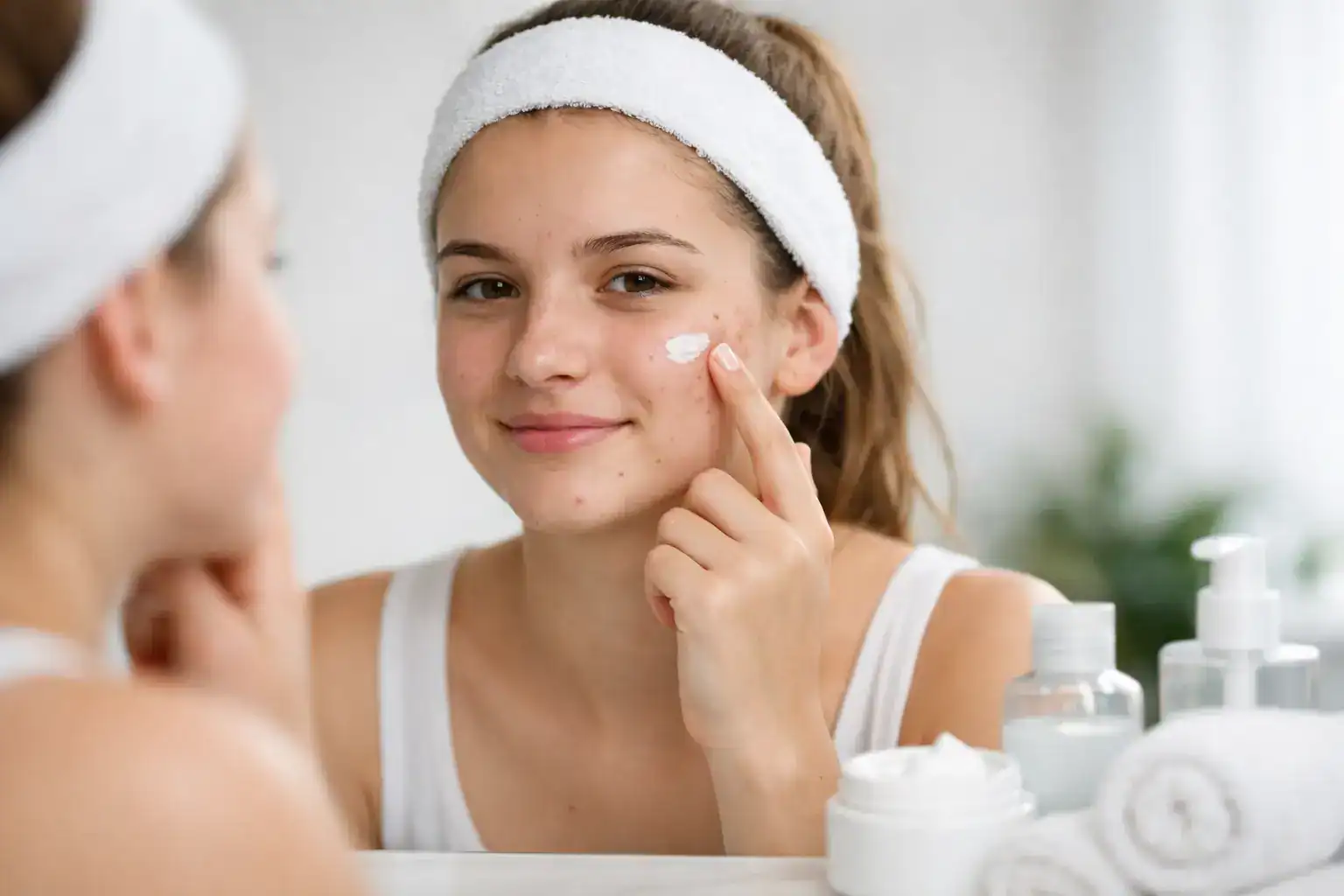
Melasma is a common skin condition that causes dark patches, uneven pigmentation, and discoloration, particularly on the cheeks, forehead, nose, and upper lip. Although melasma is generally harmless, it can affect skin appearance and confidence. Choosing the best melasma treatment for face requires understanding your skin type, the severity of pigmentation, and the ingredients that can safely improve skin tone.
At our practice, we believe effective melasma management begins with identifying the factors contributing to discoloration and selecting treatments that address them without damaging the skin. From topical creams to professional dermatological procedures, several options can help reduce pigmentation and support a more even complexion.
This guide explains how to choose melasma treatment for face, which ingredients to consider, and how to establish a skincare routine that delivers sustainable results.
Understanding Melasma and Its Causes
Melasma develops when melanocytes, the cells responsible for producing skin pigment, become overactive. This results in increased melanin production and the appearance of brown, gray-brown, or occasionally bluish patches on the face.
Several factors can trigger or worsen melasma, including:
- Sun exposure: Ultraviolet radiation stimulates melanin production and can darken existing patches.
- Hormonal changes: Pregnancy, hormonal contraceptives, and certain hormonal treatments may contribute to pigmentation.
- Genetic predisposition: Individuals with a family history of melasma may be more susceptible.
- Visible light exposure: Visible light, particularly from sunlight, can aggravate pigmentation, especially in darker skin tones.
- Skin irritation: Harsh skincare products and excessive exfoliation can worsen discoloration.
Understanding these factors helps us select an appropriate facial melasma treatment that addresses existing pigmentation while reducing the risk of recurrence.
Key Factors to Consider When Choosing Melasma Treatment for Face
Before selecting a treatment, we recommend evaluating several factors that influence its effectiveness and suitability.
1. Identify Your Skin Type
Different skin types respond differently to pigmentation treatments. Individuals with oily skin may tolerate certain formulations better than those with dry or sensitive skin.
For sensitive skin, we recommend gentle products containing ingredients such as niacinamide or azelaic acid, depending on individual tolerance. These ingredients may help improve pigmentation while minimizing irritation.
People with darker skin tones should be especially cautious with aggressive treatments because inflammation can cause additional pigmentation.
2. Consider the Severity of Melasma
Mild melasma may improve with consistent sun protection and carefully selected topical skincare products. More persistent or extensive pigmentation may require prescription medications or dermatologist-supervised procedures.
We recommend professional assessment when pigmentation spreads, changes unexpectedly, or does not respond to an appropriate skincare routine.
3. Choose Clinically Supported Ingredients
Effective melasma treatment products for face often contain ingredients that reduce excess pigment production, encourage skin renewal, or help control inflammation.
The ideal formulation should balance effectiveness with skin tolerance. Combining several strong active ingredients without professional advice can increase irritation and worsen discoloration.
4. Prioritize Sun Protection
Sun protection is essential for successful melasma treatment. Without adequate protection, pigmentation may return even after noticeable improvement.
We recommend a broad-spectrum sunscreen with SPF 30 or higher, preferably SPF 50+, used daily. Tinted sunscreen containing iron oxides provides additional protection against visible light, which can worsen melasma.
Best Melasma Treatment Options for Face
Several treatment approaches are available depending on skin sensitivity, pigmentation severity, and medical history.
Topical Melasma Treatment Creams
Topical treatments are commonly recommended as the first step in managing melasma.
Some effective ingredients include:
- Hydroquinone: A prescription-strength pigment-reducing ingredient in many countries that can help lighten melasma patches when used under professional supervision.
- Azelaic Acid: Helps reduce excessive pigmentation and may be suitable for acne-prone or sensitive skin.
- Kojic Acid: Inhibits an enzyme involved in melanin production, although it may irritate sensitive skin.
- Niacinamide: Supports the skin barrier and helps reduce the appearance of uneven pigmentation.
- Vitamin C: Provides antioxidant protection and may help improve skin brightness.
- Retinoids: Encourage skin cell turnover and may improve pigmentation, but can cause dryness and irritation.
We recommend introducing active ingredients gradually and monitoring the skin for signs of irritation.
Prescription Melasma Treatments
For moderate to severe melasma, dermatologists may recommend prescription medications that offer stronger pigment control.
A commonly used approach involves a triple-combination cream containing hydroquinone, tretinoin, and a mild corticosteroid. This combination can be effective for short-term treatment under medical supervision.
Long-term unsupervised use should be avoided because inappropriate application can cause skin damage, irritation, and unwanted pigmentation changes.
Prescription retinoids and hydroquinone-containing treatments should also be avoided during pregnancy unless a qualified clinician specifically advises otherwise.
Professional Melasma Treatment Procedures
When topical products provide limited improvement, professional procedures may be considered.
Options include:
- Chemical peels: Carefully selected superficial peels may improve pigmentation in suitable patients.
- Laser treatments: Certain laser technologies can target pigmentation but may trigger rebound melasma or post-inflammatory hyperpigmentation.
- Microneedling: May be used as an adjunct treatment in selected cases, although evidence and suitability vary.
We recommend consulting an experienced dermatologist before undergoing any professional procedure, particularly for darker or sensitive skin.
How to Choose Melasma Treatment for Different Skin Types
Selecting the right melasma treatment for face becomes easier when the treatment is matched to individual skin characteristics.
| Skin type | Treatment considerations |
|---|---|
| Sensitive skin | Gentle formulations, niacinamide, and cautiously introduced azelaic acid |
| Oily skin | Lightweight, non-comedogenic formulations with suitable pigment-reducing ingredients |
| Dry skin | Moisturizing products with ceramides and carefully selected pigmentation treatments |
| Dark skin | Sun protection, gradual topical treatment, and caution with aggressive procedures |
| Combination skin | Targeted treatment supported by balanced hydration and barrier care |
We emphasize that skin type alone does not determine the best treatment. A dermatologist should also consider pigmentation severity, medical history, previous product reactions, and potential hormonal triggers.
Daily Skincare Routine for Effective Melasma Management
A consistent skincare routine can improve treatment results and help prevent new dark patches.
Morning Skincare Routine
We recommend beginning the day with a gentle cleanser that removes impurities without stripping natural moisture.
Next, apply a suitable antioxidant serum or dermatologist-recommended pigmentation treatment. Follow with a lightweight moisturizer to support the skin barrier.
Finish with a broad-spectrum tinted sunscreen containing iron oxides and SPF 30 or higher. Apply enough to cover the face and exposed areas, and reapply approximately every two hours when outdoors, especially after sweating or swimming.
Evening Skincare Routine
At night, cleanse the face thoroughly to remove sunscreen, makeup, and environmental impurities.
Apply the prescribed or selected melasma treatment according to the recommended schedule. A suitable moisturizer can help reduce dryness and support skin recovery.
We advise against combining multiple exfoliating acids, retinoids, and strong brightening products without professional guidance.
Common Mistakes to Avoid When Treating Facial Melasma
Successful treatment requires patience and consistency. Certain skincare habits may delay improvement or aggravate pigmentation.
Common mistakes include:
- Skipping sunscreen: UV radiation and visible light can worsen existing pigmentation.
- Using harsh bleaching products: Unregulated creams may contain harmful substances or inappropriate concentrations of active ingredients.
- Expecting immediate results: Melasma treatment typically requires several weeks or months before meaningful improvement becomes visible.
- Over-exfoliating the skin: Excessive exfoliation can damage the skin barrier and trigger additional discoloration.
- Changing products too frequently: Constantly switching treatments makes it difficult to evaluate effectiveness or identify irritation.
- Ignoring professional advice: Persistent pigmentation may require medical assessment and prescription treatment.
We recommend avoiding unregulated skin-lightening creams, particularly products containing mercury or undisclosed corticosteroids.
How Long Does Melasma Treatment Take to Work?
The time required to see improvement depends on melasma severity, treatment selection, sun exposure, and individual skin response.
Some topical treatments may produce noticeable changes within 8–12 weeks, while persistent melasma may take several months to improve.
Professional procedures may offer additional benefits in carefully selected patients, but they do not guarantee permanent clearance.
Melasma is often a chronic, recurring condition. For this reason, we emphasize long-term maintenance rather than expecting a permanent cure from a single treatment.
Consistent sunscreen use, gentle skincare, and appropriate maintenance products are essential for preserving treatment results.
When Should You Consult a Dermatologist for Melasma?
Although some mild pigmentation can be managed with over-the-counter skincare products, professional assessment is advisable when melasma becomes persistent or difficult to control.
We recommend consulting a dermatologist if dark patches continue spreading, become more pronounced, or fail to improve despite consistent skincare.
A dermatologist can distinguish melasma from other pigmentation disorders and recommend treatments that suit your skin type and medical history.
Professional guidance is especially important during pregnancy, when selecting prescription treatments, or before undergoing chemical peels and laser procedures.
Tips for Maintaining Clearer Skin After Melasma Treatment
Maintaining improvements is an important part of any melasma treatment plan for face. Even when pigmentation becomes less noticeable, continued exposure to triggering factors can cause recurrence.
We recommend maintaining daily sun protection, wearing wide-brimmed hats outdoors, and avoiding unnecessary heat exposure when it noticeably aggravates pigmentation.
Gentle cleansing, consistent moisturizing, and dermatologist-approved maintenance treatments can help preserve a healthier-looking complexion.
We also encourage individuals to monitor their skin regularly and seek professional guidance when pigmentation begins returning.
FAQs about How to Choose Melasma Treatment for Face
1. What Is the Best Treatment for Melasma on the Face?
The best melasma treatment for face depends on your skin type, pigmentation severity, and sensitivity. Dermatologists commonly recommend topical treatments containing azelaic acid, hydroquinone, or prescription combination creams, alongside daily sun protection.
2. How Do I Choose the Right Melasma Treatment for My Skin?
We recommend choosing a treatment based on your skin type, medical history, and pigmentation concerns. Consulting a dermatologist helps determine which ingredients and procedures are appropriate while minimizing irritation.
3. Can Melasma Be Permanently Removed?
Melasma is a chronic skin condition that can improve significantly with appropriate treatment. However, recurrence is common, especially with sun exposure and hormonal changes. Consistent skincare and sun protection help maintain results.
4. Which Melasma Treatment Is Best for Sensitive Skin?
For sensitive skin, we recommend discussing azelaic acid and gentle skincare formulations with a dermatologist. Avoid harsh exfoliants and aggressive treatments that may worsen irritation or pigmentation.
5. How Long Does Melasma Treatment Take to Show Results?
Most topical melasma treatments require approximately 8–12 weeks before noticeable improvements appear. Results vary depending on pigmentation depth, treatment consistency, and individual skin response.
6. Is Laser Treatment Better Than Melasma Creams?
Laser treatments are not necessarily better than topical creams. Although certain procedures may help selected patients, they can also worsen pigmentation, particularly in darker skin tones. Dermatologist-supervised topical treatment is often the preferred starting point.
7. What Should I Avoid When Treating Melasma?
We recommend avoiding unprotected sun exposure, harsh bleaching products, excessive exfoliation, and unregulated skin-lightening creams. Use broad-spectrum SPF 30 or higher sunscreen daily, preferably tinted sunscreen containing iron oxides.
8. Should I Consult a Dermatologist Before Starting Melasma Treatment?
Yes. A dermatologist can confirm your diagnosis, assess your skin, and recommend a safe, personalized melasma treatment plan for lasting pigmentation management.
Conclusion
Understanding how to choose melasma treatment for face is essential for improving pigmentation safely and effectively. The most suitable treatment depends on skin type, melasma severity, individual sensitivity, and the underlying factors contributing to discoloration.
We recommend prioritizing evidence-based ingredients, consistent sunscreen application, gentle skincare, and professional dermatological advice when necessary. Although melasma can be persistent, an appropriate treatment strategy can significantly improve uneven pigmentation and support healthier-looking skin.
By choosing suitable products and maintaining a consistent routine, we can work toward clearer, more even-toned skin while minimizing irritation and reducing the likelihood of recurring dark patches.

