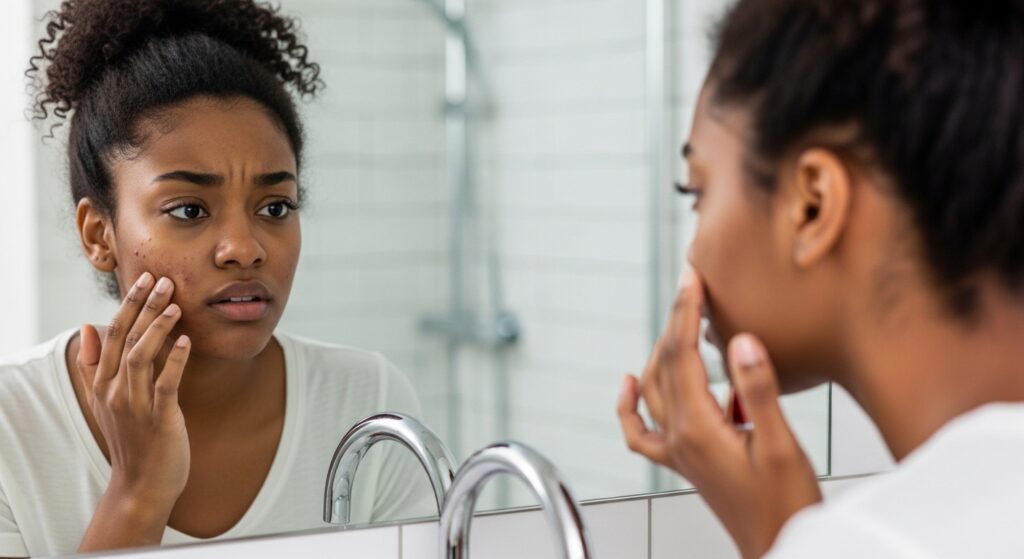
Oily skin can make acne more persistent because excess sebum can combine with dead skin cells and contribute to clogged pores. However, effective acne care is not about aggressively drying the skin. Dermatologists typically recommend a balanced treatment plan that targets blocked pores, excess oil, acne-causing bacteria, and inflammation while protecting the skin barrier.
Current dermatology guidance supports several proven topical treatments for acne, including benzoyl peroxide, topical retinoids, salicylic acid, azelaic acid, and combination therapies. Prescription treatments may also be considered when acne is moderate, severe, persistent, painful, or causing scars.
When we develop an acne routine for oily skin, consistency matters more than using numerous strong products at the same time. The right combination can reduce active breakouts, prevent new clogged pores, manage shine, and improve the overall appearance of acne-prone skin.
Best Dermatologist Recommended Acne Treatments for Oily Skin
Dermatologists may recommend different treatments depending on whether acne mainly appears as blackheads, whiteheads, inflamed pimples, pustules, nodules, or cysts. Several ingredients are particularly useful for oily and acne-prone skin.
1. Salicylic Acid for Clogged Pores and Excess Oil
Salicylic acid is one of the most widely used ingredients for oily, acne-prone skin. It helps exfoliate inside clogged pores and can be particularly useful for people who frequently experience blackheads and whiteheads. The American Academy of Dermatology includes salicylic acid among recommended topical options for acne management.
We may find salicylic acid in:
- Facial cleansers
- Leave-on acne treatments
- Toners
- Medicated pads
- Lightweight serums
Although salicylic acid can help control oiliness, excessive use may cause dryness, peeling, or irritation. Dermatologists generally recommend adjusting frequency when the skin becomes irritated rather than attempting to completely strip away natural oils.
2. Benzoyl Peroxide for Inflamed Acne
Benzoyl peroxide is particularly useful for inflamed acne such as red pimples and pustules. It reduces acne-associated bacteria and can also help decrease inflammation.
AAD guidance strongly recommends benzoyl peroxide as an effective acne treatment and frequently recommends combining it with treatments that work through other mechanisms.
For people who are beginning treatment, lower-strength products may be easier to tolerate. The AAD notes that starting with 2.5% benzoyl peroxide can help reduce irritation compared with immediately choosing stronger formulations.
Possible side effects include:
- Dryness
- Peeling
- Redness
- Burning or stinging
- Fabric bleaching
Using more benzoyl peroxide than recommended does not necessarily clear acne faster and may make the skin significantly more irritated.
3. Topical Retinoids for Oily and Acne-Prone Skin
Topical retinoids are among the most important dermatologist-recommended treatments for acne. Examples include adapalene, tretinoin, tazarotene, and trifarotene.
Retinoids help prevent pores from becoming blocked and reduce the formation of new acne lesions. The AAD gives strong recommendations to topical retinoids as part of acne management.
A retinoid may be particularly helpful when oily skin repeatedly develops:
- Closed comedones
- Blackheads
- Whiteheads
- Small inflammatory pimples
- Recurring clogged pores
Rather than applying a retinoid only to individual pimples, acne treatment is often applied across the acne-prone area as directed because its purpose includes preventing future breakouts.
Retinoids can initially cause dryness, peeling, or irritation. Many dermatologists therefore advise gradually introducing treatment and supporting the skin with a suitable moisturizer.
Pregnancy requires special consideration because topical retinoids are generally avoided. Anyone who is pregnant, planning pregnancy, or breastfeeding should discuss acne treatment choices with a qualified healthcare professional.
4. Azelaic Acid for Acne and Post-Acne Dark Spots
Azelaic acid offers several advantages for acne-prone skin. It can help unclog pores, reduce acne-associated bacteria, and improve the appearance of discoloration left behind after pimples heal. The AAD conditionally recommends azelaic acid for acne management.
This can make it particularly valuable for people dealing with both active acne and post-inflammatory hyperpigmentation.
Azelaic acid may also be considered when someone cannot tolerate stronger acne treatments. However, the best concentration and formulation will depend on the severity of acne and individual skin sensitivity.
Why Dermatologists Often Recommend Combination Acne Treatment
Acne does not develop through a single process. Excess sebum, clogged follicles, inflammation, and microorganisms can all contribute. Because of this, dermatology guidelines support combining treatments with different mechanisms of action rather than relying on one product for every problem.
For example, a dermatologist may combine:
- A topical retinoid to keep pores clear
- Benzoyl peroxide to reduce acne-associated bacteria and inflammation
- Salicylic acid where appropriate for additional pore-clearing support
- Azelaic acid to address acne and uneven pigmentation
The exact combination should be chosen carefully because using too many active ingredients together can damage the skin barrier and increase irritation.
A Dermatologist-Style Routine for Oily Acne-Prone Skin
A simple routine is often more sustainable than using several acne products at once.
Morning Routine
We can begin the morning with a gentle, non-comedogenic cleanser. People with oily skin sometimes assume they need an aggressive cleanser, but dermatologists caution that harsh or alcohol-based cleansers can irritate the skin.
Depending on individual needs, the next step may include an acne treatment such as benzoyl peroxide, salicylic acid, or azelaic acid.
A lightweight moisturizer should follow.
Finally, we should apply a broad-spectrum sunscreen with SPF 30 or higher. Sunscreen is particularly important when acne treatments increase sensitivity or when post-acne pigmentation is a concern.
Evening Routine
An evening routine may include:
- A gentle cleanser
- A dermatologist-recommended acne treatment such as a topical retinoid
- A lightweight, non-comedogenic moisturizer
Starting gradually can help people tolerate treatments that otherwise cause excessive dryness.
Why Moisturizer Is Important Even for Oily Acne-Prone Skin
Skipping moisturizer because the skin feels oily can be counterproductive.
Acne treatments such as benzoyl peroxide, salicylic acid, topical retinoids, and isotretinoin can cause dryness and irritation. Dermatologists therefore frequently recommend moisturizer to help maintain the skin barrier and improve treatment tolerance.
For oily skin, we can look for moisturizers described as:
- Oil-free
- Non-comedogenic
- Lightweight
- Fragrance-free, particularly for sensitive skin
A gel, lotion, or lightweight cream may feel more comfortable than a heavy occlusive product.
How to Control Oily Skin Without Making Acne Worse
Acne-prone skin does not need to feel completely dry in order to improve.
Dermatologists recommend washing gently rather than repeatedly scrubbing or stripping the skin. AAD advice for oily skin includes using a mild foaming cleanser and avoiding oil-based or alcohol-based cleansers that may cause irritation.
Helpful habits include:
- Washing the face gently rather than scrubbing
- Using lukewarm rather than very hot water
- Choosing non-comedogenic skincare and makeup
- Avoiding frequent picking or squeezing of pimples
- Removing makeup before sleeping
- Introducing strong active ingredients gradually
- Keeping hair products away from acne-prone facial areas when possible
Repeatedly washing the face throughout the day will not necessarily prevent acne and may increase irritation.
Prescription Acne Treatment for Oily Skin
Over-the-counter products may be enough for mild acne, but persistent or inflammatory acne may require professional treatment.
Depending on the individual, dermatologists may prescribe topical medications or systemic treatments.
Topical Prescription Treatments
Prescription options can include stronger retinoids, combination treatments, topical antibiotics, or clascoterone, among other therapies.
When topical antibiotics are used, dermatology guidance recommends combining antibiotics with benzoyl peroxide to help reduce the development of antibiotic resistance.
Oral Antibiotics
Moderate to severe inflammatory acne may sometimes be treated with oral antibiotics such as doxycycline. Dermatology guidelines recommend limiting the duration of systemic antibiotic therapy whenever possible and combining oral antibiotics with appropriate topical treatments rather than using them alone.
Hormonal Acne Treatment
For appropriate patients, dermatologists may consider hormonal treatments such as combined oral contraceptives or spironolactone, particularly when acne appears to have a hormonal component.
These medications require medical assessment because they are not appropriate for everyone.
Isotretinoin for Severe or Resistant Acne
Oral isotretinoin may be considered when acne is severe, causing significant scarring, or has not responded adequately to standard treatments. AAD guidance strongly supports isotretinoin for severe acne or acne that has failed conventional oral or topical therapy.
Because isotretinoin requires medical supervision and has important safety considerations, it should only be used under qualified healthcare guidance.
How Long Does Acne Treatment Take to Work?
Acne improvement generally requires patience.
Switching products every few days makes it difficult to determine whether a treatment is effective and can increase skin irritation. The AAD advises giving acne treatments time to work; noticeable improvement may begin after several weeks, while more substantial results frequently require longer treatment.
Consistency is therefore critical.
If one product does not address every cause of acne, dermatologists may gradually introduce an additional treatment with a different mechanism instead of simply using more of the same ingredient.
Common Mistakes When Treating Acne on Oily Skin
Several habits can make acne management more difficult.
Using Harsh Cleansers
Strong cleansers may create temporary tightness but can irritate the skin barrier.
Over-Exfoliating
Combining scrubs, strong acids, cleansing brushes, retinoids, and peeling products can cause irritation rather than faster improvement.
Skipping Moisturizer
Oily skin still needs hydration, especially during active acne treatment.
Using Too Many Acne Products at Once
Introducing several active ingredients simultaneously makes irritation more likely and makes it difficult to identify which treatment is working.
Picking or Squeezing Pimples
Manipulating acne can increase inflammation and raise the risk of lingering dark marks or scars.
Stopping Treatment Too Early
Acne treatments generally require consistent use over several weeks before meaningful improvement becomes visible.
When Should We See a Dermatologist for Oily Skin and Acne?
Professional assessment is particularly important when acne becomes painful, persistent, or severe.
We should consider seeing a dermatologist when:
- Acne includes deep nodules or cysts
- Breakouts are leaving permanent scars
- Dark marks are becoming significant
- Over-the-counter treatment has not produced adequate improvement
- Acne is worsening quickly
- Acne affects the chest, shoulders, or back extensively
- Breakouts are causing significant emotional distress
- Prescription treatment may be necessary
Deep inflammatory acne should be treated early because these lesions carry a greater risk of scarring.
Choosing the Best Acne Products for Oily Skin
Product labels matter when building an acne-friendly routine.
We can look for terms such as non-comedogenic, oil-free, acne-prone skin, or will not clog pores. These products are designed to reduce the likelihood of contributing to clogged follicles.
A practical routine does not need numerous products. A cleanser, appropriate acne treatment, moisturizer, and sunscreen may provide a strong foundation.
Treatment should then be adjusted according to whether the dominant concern is oiliness, clogged pores, inflammatory pimples, dark spots, or severe acne.
Building an Effective Long-Term Acne Treatment Plan
The most effective dermatologist-recommended acne treatment for oily skin usually combines proven active ingredients with gentle daily skincare.
We may use salicylic acid for clogged pores, benzoyl peroxide for inflammatory acne, topical retinoids to prevent pore blockage, and azelaic acid where acne and post-inflammatory pigmentation occur together. Dermatologists may prescribe additional topical or oral therapy when acne is moderate, severe, scarring, or resistant to standard treatment.
Supporting the Skin Barrier While Treating Acne
Controlling oily skin should never mean continuously stripping moisture from the skin.
A mild cleanser, non-comedogenic moisturizer, sunscreen, and carefully chosen acne treatments provide a more balanced approach. If dryness, burning, persistent redness, or peeling develops, reducing the frequency of irritating products may be necessary.
We should introduce strong active ingredients gradually and follow medical guidance whenever prescription treatment is involved.
FAQs about Dermatologist Recommended Acne Treatment for Oily Skin
What acne treatment do dermatologists recommend for oily skin?
Dermatologists commonly recommend treatments containing salicylic acid, benzoyl peroxide, topical retinoids, or azelaic acid. The best option depends on the type and severity of acne, skin sensitivity, and other individual factors.
Is salicylic acid good for oily, acne-prone skin?
Yes. Salicylic acid can penetrate oily pores, helping remove excess sebum and dead skin cells. This may reduce blackheads, whiteheads, and clogged pores.
Is benzoyl peroxide recommended for oily skin?
Benzoyl peroxide is frequently used for inflammatory acne. It helps reduce acne-causing bacteria and inflammation, although higher concentrations may cause dryness or irritation.
Do dermatologists recommend retinoids for oily skin?
Yes. Topical retinoids, such as adapalene and prescription retinoids, can help prevent clogged pores and improve acne over time. They should be introduced carefully because irritation can occur.
Should oily skin still use moisturizer?
Yes. We recommend choosing a lightweight, non-comedogenic, oil-free moisturizer. Over-drying the skin can cause irritation and make an acne routine harder to tolerate.
How long does dermatologist-recommended acne treatment take to work?
Results vary, but acne treatments generally require several weeks of consistent use before noticeable improvement occurs. More significant results may take several months.
When should we see a dermatologist for oily skin and acne?
We should consider professional treatment when acne is persistent, painful, severe, causing scars, or not improving with over-the-counter products. A dermatologist can recommend a personalized treatment plan and monitor potential side effects.
Conclusion
Evidence-supported treatments include benzoyl peroxide, topical retinoids, salicylic acid, azelaic acid, and carefully selected combination therapies. For moderate or severe acne, dermatologists may consider prescription topical medications, oral antibiotics, hormonal treatments, or isotretinoin depending on the individual situation.
We achieve better long-term results when we combine effective treatment with gentle cleansing, lightweight moisturization, daily sun protection, and consistent application. Rather than attempting to remove every trace of oil, the goal should be to keep pores clear, reduce inflammation, prevent new breakouts, protect the skin barrier, and minimize the risk of acne scars and dark marks.
Persistent, painful, deep, or scarring acne should be professionally assessed so treatment can be matched to acne severity, skin type, medical history, and individual needs.