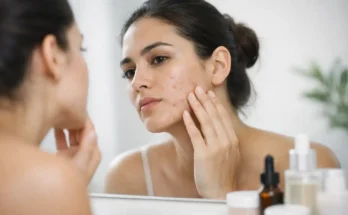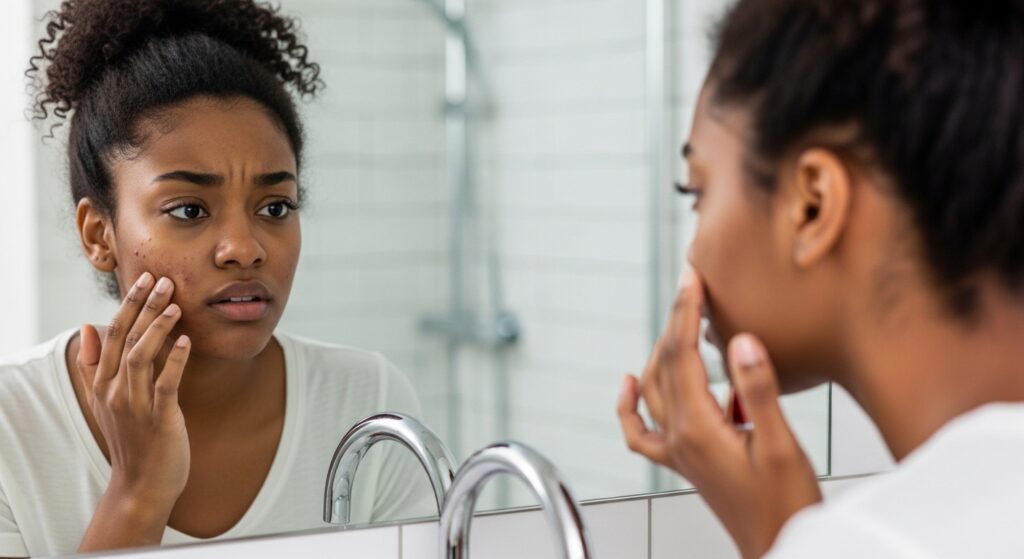
Finding the right acne treatment for oily skin requires more than simply trying to dry out excess oil. Oily, acne-prone skin can develop blackheads, whiteheads, inflamed pimples, pustules, and deeper breakouts when excess sebum combines with dead skin cells and contributes to clogged pores. Effective treatment therefore needs to address several factors at once, including oil production, blocked pores, inflammation, and acne-causing bacteria.
The cost of acne treatment varies considerably depending on whether we choose over-the-counter skincare, prescription topical medications, oral treatments, or dermatologist-led procedures. Mild acne may often be managed with affordable topical products, while persistent, moderate, severe, or scarring acne may require medical treatment.
The American Academy of Dermatology recommends several evidence-based acne treatments, including benzoyl peroxide, topical retinoids, salicylic acid, azelaic acid, antibiotics, hormonal therapies, and isotretinoin, depending on the type and severity of acne.
What Causes Acne in Oily Skin?
Oily skin produces a higher amount of sebum, the natural oil that protects and lubricates the skin. Oil itself is not necessarily harmful, but problems can develop when excess sebum mixes with dead skin cells inside hair follicles.
This combination can block pores and contribute to acne. Bacteria can also grow inside blocked follicles, causing inflammation and pus-filled breakouts.
People with oily skin may experience:
- Blackheads
- Whiteheads
- Papules
- Pustules
- Enlarged or visible pores
- Frequent facial shine
- Recurring inflammatory breakouts
- Deep nodules or cysts in severe cases
For this reason, successful acne treatment for oily skin should focus on keeping pores clear without aggressively stripping the skin.
How Much Does Acne Treatment for Oily Skin Cost?
There is no single price for acne treatment because costs depend on the treatment category, product strength, location, insurance coverage, dermatologist fees, and severity of the condition.
Typical Acne Treatment Cost Categories
| Treatment Option | General Cost Level | Best Suited For |
|---|---|---|
| Gentle acne cleanser | Low | Mild oily or acne-prone skin |
| Salicylic acid products | Low | Blackheads, whiteheads and clogged pores |
| Benzoyl peroxide | Low | Mild inflammatory acne |
| Adapalene or topical retinoids | Low to moderate | Comedonal and inflammatory acne |
| Azelaic acid | Low to moderate | Acne and post-acne dark marks |
| Prescription topical combinations | Moderate | Persistent mild-to-moderate acne |
| Dermatologist consultation | Moderate | Persistent, severe or unclear acne |
| Oral antibiotics | Moderate | Moderate inflammatory acne |
| Hormonal therapy | Moderate | Hormone-related acne in appropriate patients |
| Isotretinoin | Higher | Severe, resistant or scarring acne |
| Professional procedures | Moderate to high | Selected acne or acne-scar concerns |
Actual prices vary significantly between countries, pharmacies, providers, insurance plans, brands, and treatment duration. We therefore recommend comparing treatment based on total treatment value, rather than simply choosing the cheapest product.
Best Affordable Acne Treatment Options for Oily Skin
1. Salicylic Acid for Oily and Congested Skin
Salicylic acid is one of the most widely used ingredients for oily, acne-prone skin. It helps exfoliate the skin and unclog pores, making it particularly useful for blackheads and whiteheads.
Salicylic acid can be found in:
- Cleansers
- Toners
- Serums
- Spot treatments
- Leave-on exfoliating products
Because many salicylic acid products are available without a prescription, this is often one of the more affordable options.
However, stronger is not always better. Excessive exfoliation can cause irritation and dryness. The AAD notes that ingredients such as salicylic acid can help reduce oiliness but may be irritating for some people, particularly when overused.
2. Benzoyl Peroxide for Inflamed Pimples
Benzoyl peroxide is particularly useful when oily skin develops inflamed pimples. It works partly by reducing acne-associated bacteria and is strongly recommended in current dermatology guidelines.
It is available in:
- Cleansers
- Gels
- Creams
- Combination acne medications
An important point is that a higher concentration does not automatically produce better results.
The American Academy of Dermatology suggests that people beginning benzoyl peroxide may consider starting with 2.5%, which can reduce the risk of dryness, irritation, or burning compared with immediately using stronger concentrations.
For many people, benzoyl peroxide provides an affordable starting point for mild inflammatory acne on oily skin.
3. Adapalene and Other Topical Retinoids
Topical retinoids are among the most important treatments for acne because they help prevent pores from becoming blocked.
Examples include:
- Adapalene
- Tretinoin
- Tazarotene
- Trifarotene
The AAD strongly recommends topical retinoids as part of acne treatment because they can help unclog pores and reduce inflammation.
Adapalene may be available without prescription in some locations, while other retinoids usually require medical evaluation.
Topical retinoids can be especially useful for oily skin with:
- Persistent blackheads
- Whiteheads
- Recurrent pimples
- Uneven acne-prone texture
- Frequent clogged pores
Retinoids can initially cause dryness, peeling, redness, or irritation, so gradual introduction is often preferable.
Pregnancy is also an important consideration. People who are pregnant or trying to become pregnant should discuss acne treatment with a healthcare professional before using retinoid-based products.
4. Azelaic Acid for Acne and Dark Spots
Azelaic acid offers another useful option, particularly when acne is accompanied by post-inflammatory hyperpigmentation or dark marks.
The AAD conditionally recommends azelaic acid because it can help unclog pores, act against acne-associated bacteria, and improve dark spots that remain after acne lesions heal.
This makes it particularly appealing for people whose primary concerns include both active acne and the discoloration left behind after breakouts.
Depending on the concentration and local regulations, azelaic acid may be available either over the counter or by prescription.
5. Combination Acne Treatments
Many people with oily skin have more than one type of acne simultaneously. For example, we may see blackheads around the nose, whiteheads on the forehead, and inflammatory pimples along the cheeks or jawline.
In these cases, combination treatment may be more effective than relying on a single ingredient.
Current AAD guidance encourages combining topical treatments with different mechanisms of action when appropriate.
A dermatologist-guided routine might combine therapies such as:
- A topical retinoid for blocked pores
- Benzoyl peroxide for inflammatory lesions
- An antibiotic when medically necessary
- Azelaic acid for acne and pigmentation
However, introducing several strong products simultaneously can irritate oily skin. A structured routine is usually more sustainable than aggressively layering multiple acne treatments.
Prescription Acne Treatment for Oily Skin
If affordable over-the-counter products do not sufficiently control acne, prescription treatment may offer better results.
Prescription therapy may initially cost more, but it may be worthwhile when breakouts are persistent, painful, widespread, or causing scars.
Topical Prescription Treatments
A dermatologist may prescribe topical medications containing:
- Retinoids
- Benzoyl peroxide combinations
- Topical antibiotics
- Azelaic acid
- Clascoterone
- Other combination formulations
Prescription topical treatments may be especially appropriate for moderate or persistent acne.
Oral Antibiotics for Moderate Inflammatory Acne
For more extensive inflammatory acne, doctors may prescribe oral antibiotics such as doxycycline, minocycline, or sarecycline in suitable patients.
Current AAD recommendations emphasize limiting systemic antibiotic use whenever possible to reduce antibiotic resistance. When antibiotics are required, benzoyl peroxide and other topical therapies are commonly used alongside them.
We should therefore avoid treating oral antibiotics as a permanent standalone solution for oily skin.
Hormonal Acne Treatment Options
Some acne is strongly influenced by hormones, particularly acne affecting the lower cheeks, jawline, or chin in some women.
Depending on individual medical circumstances, physicians may consider treatments such as:
- Combined oral contraceptives
- Spironolactone
These therapies are included among recommended systemic options in current AAD acne guidance.
Hormonal acne therapy requires professional assessment because treatment suitability varies according to health history, pregnancy considerations, medications, and other individual factors.
Isotretinoin for Severe Oily-Skin Acne
For severe acne, deep nodules, cystic acne, acne causing scars, or acne that has failed appropriate standard treatment, a dermatologist may recommend isotretinoin.
The AAD recommends isotretinoin for severe acne or acne that does not respond adequately to standard oral or topical therapies.
Although isotretinoin may significantly reduce acne and oil production, it requires medical supervision because of potential side effects and important pregnancy-prevention requirements.
Its total cost can include:
- Medical consultations
- Prescription medication
- Laboratory monitoring where required
- Follow-up visits
- Pregnancy-related monitoring where applicable
For severe acne, however, treatment should be selected according to medical need rather than cost alone.
Professional Acne Treatments and Their Costs
Some dermatology clinics offer procedures including:
- Chemical peels
- Acne extraction
- Corticosteroid injections for selected inflamed lesions
- Light or laser-based treatments
- Treatments targeting acne scars
These options generally cost more than standard topical products.
Professional extraction may occasionally help stubborn blackheads and whiteheads when performed appropriately. Deep nodules and cysts should be evaluated medically because they carry a greater risk of permanent scarring.
It is worth noting that current evidence is stronger for established acne medications than for some procedures. The AAD reports insufficient evidence to make broad recommendations for several procedures, including certain chemical peels, lasers, light devices, and microneedling specifically for active acne management.
Affordable Daily Skincare Routine for Oily Acne-Prone Skin
Expensive skincare is not automatically better. A simple routine built around evidence-based ingredients can often provide greater value.
Morning Routine
We can keep the morning routine simple:
- Cleanse gently with a mild, non-comedogenic cleanser.
- Apply the prescribed or chosen acne treatment where appropriate.
- Use a lightweight non-comedogenic moisturizer.
- Apply broad-spectrum SPF 30 or higher sunscreen.
Evening Routine
A typical evening routine may include:
- Gentle cleansing
- Adapalene or another recommended acne treatment
- Lightweight moisturizer
The exact combination should depend on acne severity, tolerance, and medical advice.
Should Oily Skin Use Moisturizer?
Yes. One of the most common misconceptions about acne treatment is that oily skin should never be moisturized.
Acne treatments such as benzoyl peroxide, salicylic acid, topical retinoids, and isotretinoin can dry or irritate the skin. A suitable moisturizer may help the skin tolerate treatment more comfortably.
We generally look for products described as:
- Non-comedogenic
- Oil-free where preferred
- Lightweight
- Suitable for acne-prone skin
Aggressively drying oily skin can damage the skin barrier and increase irritation.
Avoid Harsh Cleansing to Reduce Acne Treatment Costs
It is tempting to believe that oily skin needs aggressive cleansing, but harsh cleansers can cause unnecessary irritation.
The AAD recommends gentle cleansing rather than trying to completely strip oil from the face. Alcohol-based and overly harsh cleansers can irritate oily skin.
Using fewer appropriate products can also prevent wasted spending on complicated routines that deliver little additional benefit.
How Long Should Acne Treatment Take to Work?
Acne treatment rarely works overnight.
The American Academy of Dermatology advises that some over-the-counter acne treatments may require approximately six to eight weeks before their effectiveness can be properly judged.
Changing products every few days can therefore make it difficult to determine which treatment is actually helping.
Consistency is usually more useful than constantly buying new products.
How to Choose the Best Acne Treatment for Oily Skin
Before spending money on treatment, we should consider the type of acne present.
For Blackheads and Whiteheads
Options may include:
- Salicylic acid
- Adapalene
- Other topical retinoids
For Mild Inflamed Pimples
Options may include:
- Benzoyl peroxide
- Adapalene
- Combination topical treatment
For Acne With Dark Marks
Options may include:
- Azelaic acid
- Retinoid-based treatment where appropriate
- Daily sunscreen
For Moderate Inflammatory Acne
A dermatologist may consider:
- Prescription topical combinations
- Oral antibiotics for limited periods
- Hormonal therapy for suitable patients
For Deep, Painful or Scarring Acne
Medical evaluation is important. Deep nodules and cysts have a greater likelihood of causing permanent scars, so early dermatologist treatment can be beneficial.
When Is Dermatologist Treatment Worth the Cost?
Professional treatment is particularly valuable when acne:
- Causes deep or painful lumps
- Leaves scars
- Causes persistent dark marks
- Does not respond to appropriate over-the-counter treatment
- Frequently returns despite consistent skincare
- Covers large areas of the face, chest or back
- Significantly affects confidence or quality of life
The objective is not necessarily to purchase the most expensive treatment. It is to avoid spending repeatedly on unsuitable products while untreated acne progresses.
How to Reduce the Cost of Acne Treatment for Oily Skin
A cost-effective treatment strategy should prioritize proven ingredients rather than an excessive number of skincare products.
Ways to Keep Acne Treatment Affordable
- Choose products based on active ingredients, not marketing claims.
- Build a simple routine before purchasing numerous serums.
- Use one treatment consistently long enough to evaluate results.
- Buy non-comedogenic skincare appropriate for acne-prone skin.
- Avoid frequently changing products because of short-term expectations.
- Seek professional advice when acne is severe rather than repeatedly buying ineffective treatments.
- Use medication exactly as directed to reduce unnecessary irritation and waste.
Common Mistakes That Make Oily-Skin Acne Worse
Even a good acne treatment can fail when the surrounding skincare routine constantly irritates the skin.
We should avoid:
- Scrubbing aggressively
- Washing the face excessively
- Picking or squeezing pimples
- Using extremely drying alcohol-based products
- Applying numerous active ingredients at once
- Switching treatments every few days
- Skipping moisturizer simply because the skin is oily
- Ignoring sunscreen
- Using heavy products that clog pores
Popping pimples can worsen inflammation and may increase the risk of discoloration and scarring.
Choosing Acne Products Based on Value Rather Than Price
The cheapest acne product is not always the most economical, and the most expensive skincare routine is certainly not always the most effective.
A better approach is to ask whether a treatment contains a well-supported active ingredient and whether that ingredient matches the type of acne being treated.
For many people with oily skin, a straightforward routine containing a gentle cleanser, appropriate acne medication, non-comedogenic moisturizer, and sunscreen can provide an excellent starting point.
Additional treatments should solve a specific problem rather than simply make the routine longer.
Finding the Right Acne Treatment for Oily Skin
The best acne treatment for oily skin depends on the severity and type of breakout, skin sensitivity, medical history, and response to previous treatment.
For mild acne, affordable options such as salicylic acid, benzoyl peroxide, adapalene, and azelaic acid may be useful starting points. For persistent or moderate acne, prescription combinations and dermatologist-guided treatment may be necessary. Severe, painful, cystic, or scarring acne generally requires professional care.
Rather than trying to completely eliminate natural skin oil, we should focus on controlling excessive oiliness while keeping pores clear and protecting the skin barrier. Evidence-based treatment, gentle skincare, and consistent use usually offer more value than constantly purchasing new products.
FAQs about Best Acne Treatment for Oily Skin
1. What is the best acne treatment for oily skin?
The best acne treatment for oily skin typically includes ingredients that reduce excess oil, unclog pores, and control acne-causing bacteria. Common options include salicylic acid, benzoyl peroxide, adapalene, and azelaic acid.
2. Is salicylic acid good for oily, acne-prone skin?
Yes. Salicylic acid is especially useful for oily skin because it penetrates pores, helps remove excess sebum and dead skin cells, and can reduce blackheads and whiteheads.
3. How often should oily, acne-prone skin be washed?
We generally recommend gentle cleansing twice daily. Excessive washing or harsh scrubbing may irritate the skin and potentially worsen oiliness and breakouts.
4. Should oily skin still use a moisturizer?
Yes. Oily skin still needs hydration. A lightweight, non-comedogenic, oil-free moisturizer can support the skin barrier without unnecessarily clogging pores.
5. Can benzoyl peroxide help oily skin acne?
Benzoyl peroxide can help treat inflammatory acne by reducing acne-causing bacteria and clearing existing breakouts. Lower concentrations may be better tolerated by some people.
6. What ingredients should oily, acne-prone skin avoid?
We recommend being cautious with heavy, pore-clogging products, harsh scrubs, and overly drying cleansers. Look for products labelled non-comedogenic.
7. How long does acne treatment take to work?
Acne treatments usually require consistent use over several weeks before noticeable improvement occurs. Results vary depending on the treatment and acne severity.
8. When should we see a dermatologist for oily skin and acne?
A dermatologist should be considered when acne is severe, painful, causing scars, or does not improve with appropriate over-the-counter treatment.
Conclusion
The cost and options for acne treatment for oily skin range from inexpensive over-the-counter products to prescription medication and specialist dermatology care. Salicylic acid can help unclog pores, benzoyl peroxide can address inflammatory acne, topical retinoids can prevent blocked pores, and azelaic acid can help with both breakouts and post-acne discoloration. More persistent acne may require prescription medications, hormonal therapy, oral antibiotics, or isotretinoin under professional supervision.
We achieve the best value when treatment matches the type and severity of acne. A simple, consistent routine using scientifically supported ingredients can often be more effective than an expensive collection of products. When oily-skin acne becomes painful, persistent, severe, or begins causing scars, early professional assessment can help protect the skin and establish a more effective long-term treatment plan.