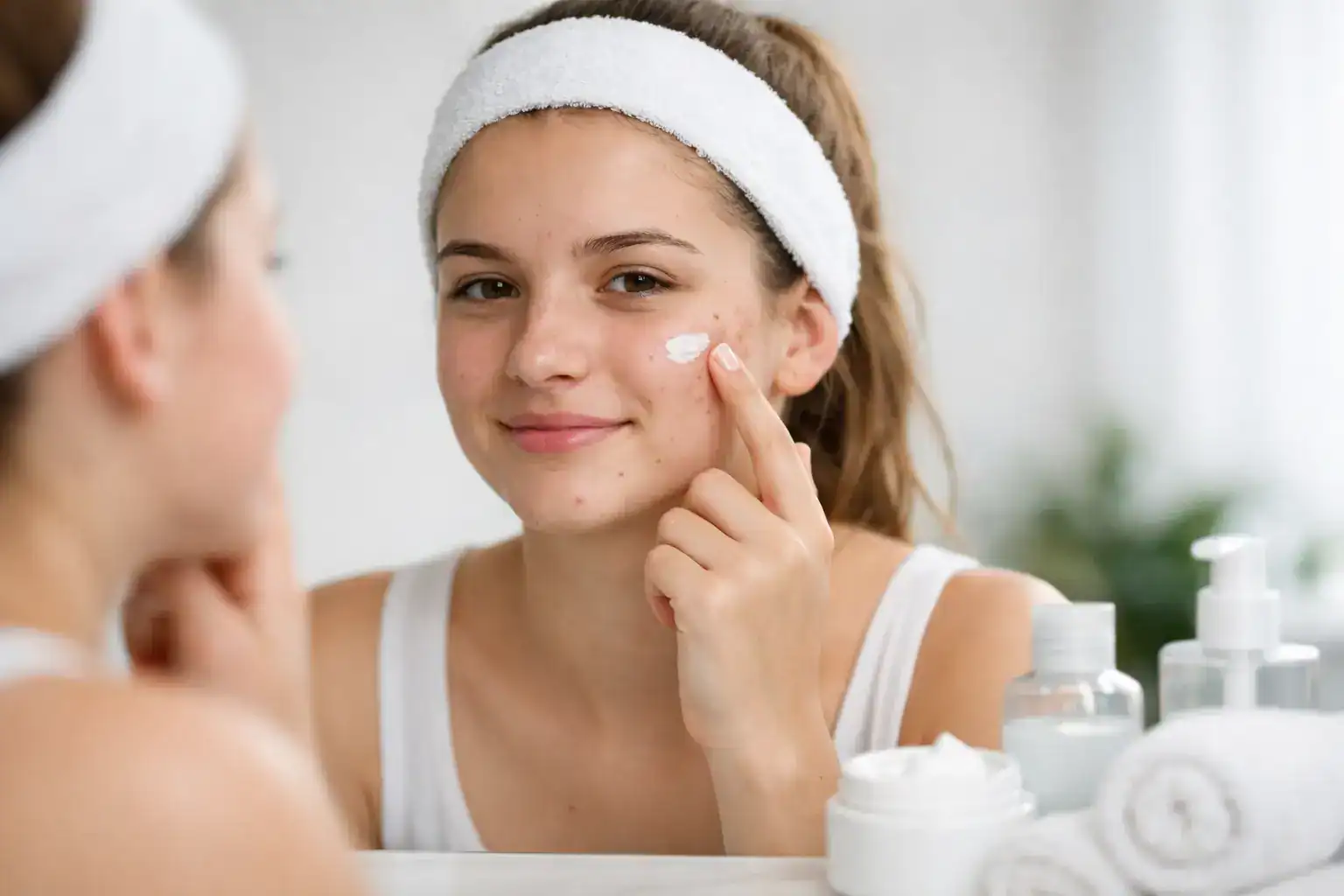
Melasma is a common skin condition that causes dark, uneven patches, particularly on the cheeks, forehead, upper lip, and chin. Although melasma is harmless, its appearance can affect skin confidence and overall complexion. Fortunately, several melasma cream treatment options can help reduce pigmentation, improve skin tone, and manage recurring discoloration.
Understanding melasma cream treatment cost and options is essential when choosing an effective skincare solution. Treatment prices vary depending on the active ingredients, product formulation, prescription requirements, and duration of use. We explore the most effective melasma creams, their estimated costs, benefits, and important considerations to help individuals make informed treatment decisions.
Understanding Melasma Cream Treatment and How It Works
Melasma develops when pigment-producing cells in the skin produce excessive melanin. Common triggers include sun exposure, hormonal changes, pregnancy, genetic predisposition, and certain medications.
Melasma treatment creams work by reducing excess pigment production, accelerating skin cell turnover, or improving the appearance of existing dark patches. Some formulations also contain ingredients that support the skin barrier and reduce inflammation.
We recommend selecting treatments based on skin type, pigmentation severity, medical history, and individual sensitivity. Consistent use, combined with daily sun protection, is important for achieving noticeable improvements.
Although many creams can visibly reduce discoloration, melasma is often a recurring condition that requires ongoing management rather than a permanent cure.
Best Melasma Cream Treatment Options and Their Benefits
Different topical treatments contain ingredients designed to target excessive pigmentation. Understanding these options makes it easier to select an appropriate treatment according to individual skincare needs and budget.
1. Hydroquinone Cream for Melasma
Hydroquinone is a widely used prescription treatment for reducing melasma-related pigmentation. It works by inhibiting tyrosinase, an enzyme involved in melanin production.
Dermatologists may recommend hydroquinone for moderate to persistent melasma, particularly when other skincare products have provided limited improvement.
Key benefits include:
- Reduces visible dark patches and uneven pigmentation.
- Helps improve overall skin tone.
- Can produce noticeable results within several weeks.
- May be combined with other prescription ingredients.
Estimated cost: $15–$80 per tube, depending on concentration, formulation, and availability.
Hydroquinone should be used under professional supervision, particularly at higher concentrations. Prolonged or inappropriate use can cause irritation and, rarely, ochronosis, a difficult-to-treat form of skin discoloration.
2. Azelaic Acid Cream for Melasma
Azelaic acid is a popular treatment option for individuals seeking gradual pigmentation improvement. It helps reduce excess melanin production while offering anti-inflammatory benefits.
Azelaic acid formulations are available in different strengths, including 10%, 15%, and 20%, although availability and prescription requirements vary by location.
Key benefits include:
- Improves uneven skin tone.
- Helps reduce visible hyperpigmentation.
- Supports acne-prone skin.
- Offers an alternative for individuals who cannot tolerate hydroquinone.
Estimated cost: $10–$60 per product.
Azelaic acid may be considered during pregnancy when clinically appropriate, but individuals who are pregnant or breastfeeding should discuss treatment choices with a healthcare professional.
3. Tretinoin Cream for Melasma
Tretinoin is a prescription retinoid that promotes skin cell turnover and may gradually improve uneven pigmentation.
Dermatologists sometimes prescribe tretinoin alongside other melasma treatments to enhance results. However, tretinoin alone is generally less effective than combination therapy for significant melasma.
Key benefits include:
- Encourages skin cell renewal.
- Improves skin texture.
- Supports gradual pigmentation reduction.
- May enhance certain combination treatments.
Estimated cost: $15–$90 per tube.
Tretinoin can cause dryness, peeling, redness, and increased irritation during early treatment. Topical tretinoin should not be used during pregnancy or when planning pregnancy.
4. Triple Combination Cream for Melasma
Triple combination cream is among the most effective prescription topical options for appropriately selected patients with moderate to severe melasma.
A commonly prescribed formulation contains:
- Hydroquinone 4% to reduce pigment production.
- Tretinoin 0.05% to promote skin cell turnover.
- Fluocinolone acetonide 0.01% to reduce inflammation.
This combination targets multiple processes involved in melasma development.
Estimated cost: $50–$250 or more, depending on the brand, country, and pharmacy.
Triple combination creams are generally prescribed for short-term treatment. Long-term unsupervised use may cause skin thinning, irritation, steroid-related side effects, or additional pigmentation problems.
5. Tranexamic Acid Cream for Melasma
Topical tranexamic acid has gained attention as an alternative treatment for pigmentation concerns. It may help interfere with biological pathways that contribute to excessive melanin production.
Although research suggests potential benefits, results vary, and topical tranexamic acid has a less established evidence base than some prescription combination treatments.
Key benefits include:
- May help reduce persistent pigmentation.
- Can complement other topical skincare products.
- Offers a non-hydroquinone option.
- May improve the appearance of uneven skin tone.
Estimated cost: $20–$100 per product.
We recommend considering tranexamic acid formulations as part of a dermatologist-guided skincare routine, particularly for individuals experiencing recurring discoloration.
Melasma Cream Treatment Cost Comparison
The following table provides approximate retail price ranges for common melasma cream treatments.
| Melasma cream treatment | Estimated cost (USD) | Availability |
|---|---|---|
| Hydroquinone cream | $15–$80 | Often prescription |
| Azelaic acid cream | $10–$60 | OTC or prescription |
| Tretinoin cream | $15–$90 | Prescription |
| Triple combination cream | $50–$250+ | Prescription |
| Tranexamic acid cream | $20–$100 | Often OTC |
| Niacinamide pigmentation cream | $10–$50 | OTC |
| Vitamin C brightening cream | $15–$100 | OTC |
Prices are illustrative estimates, not verified pharmacy quotations. Actual costs depend on location, product size, brand, insurance coverage, and formulation.
Affordable products are not necessarily less effective. A properly selected treatment containing clinically supported ingredients may deliver better results than expensive skincare products with limited evidence.
Factors That Affect Melasma Cream Treatment Cost
Several factors determine the total amount individuals spend on treating melasma.
Active Ingredients and Product Strength
Prescription formulations containing hydroquinone, tretinoin, or multiple active ingredients may cost more than basic cosmetic brightening creams.
However, product strength alone does not determine effectiveness. Higher concentrations may increase irritation without providing proportionate benefits.
Brand and Product Formulation
Branded treatments may cost more because of manufacturing processes, product development, packaging, and distribution.
Generic prescription treatments can sometimes provide a more affordable alternative when they contain the same active ingredients and appropriate strengths.
Dermatologist Consultation
Professional consultations may increase initial expenses but can help individuals avoid ineffective products, unnecessary purchases, and complications associated with incorrect treatment.
A dermatologist can also distinguish melasma from other pigmentation conditions requiring different approaches.
Treatment Duration and Maintenance
Melasma usually requires several weeks or months of consistent treatment. Some individuals also need maintenance skincare to prevent recurring pigmentation.
We recommend considering the ongoing cost of sunscreen, moisturizers, follow-up consultations, and prescribed products when planning a treatment budget.
Affordable Melasma Cream Treatment Options for Different Skin Types
Choosing the right affordable melasma treatment cream requires understanding how different skin types respond to active ingredients.
For oily or acne-prone skin, azelaic acid and lightweight non-comedogenic formulations may be suitable options.
For dry or sensitive skin, products containing supportive ingredients such as niacinamide, ceramides, and gentle moisturizers can help maintain the skin barrier while targeted treatment addresses pigmentation.
Individuals with deeper skin tones should take particular care to avoid irritation, as inflammation can contribute to additional hyperpigmentation.
We recommend introducing active treatments gradually when appropriate and avoiding the simultaneous use of several irritating products without professional guidance.
How Long Does Melasma Cream Treatment Take to Work?
Results depend on pigmentation severity, skin type, treatment consistency, and exposure to triggering factors.
Some individuals begin noticing improvement within 6–8 weeks, while others may require 3–6 months of carefully managed treatment.
Prescription triple combination treatments may produce earlier improvements in suitable patients, but they should only be used for the duration recommended by a dermatologist.
It is important to understand that melasma can recur even after successful treatment, especially when sun exposure and hormonal triggers remain present.
We encourage realistic expectations and consistent monitoring rather than frequently changing products in search of immediate results.
How to Improve Melasma Cream Treatment Results
Topical treatment works best when combined with preventive skincare practices.
One of the most important measures is daily use of broad-spectrum sunscreen with SPF 30 or higher. Tinted sunscreens containing iron oxides can provide additional protection against visible light, which may worsen melasma, particularly in individuals with darker skin tones.
Additional recommendations include limiting direct sun exposure, wearing protective hats, using gentle cleansers, and avoiding harsh exfoliating products that cause irritation.
Patients should also follow prescribing instructions carefully and seek professional advice if treatment causes persistent redness, burning, swelling, or worsening pigmentation.
Is Expensive Melasma Cream Better Than Affordable Treatment?
A higher price does not automatically guarantee better pigmentation control.
The effectiveness of a melasma cream depends primarily on its active ingredients, suitability for the patient’s skin, proper application, and consistent sun protection.
For example, an affordable azelaic acid product may be useful for mild pigmentation, while persistent melasma may require prescription treatment under medical supervision.
We recommend prioritizing proven ingredients, product safety, and professional guidance over premium branding or claims of instant skin whitening.
FAQs about Melasma Cream Treatment Cost and Options
1. How much does melasma cream treatment cost?
The cost of melasma cream treatment varies depending on the brand, active ingredients, prescription requirements, and treatment duration. Over-the-counter creams may cost $10–$50, while prescription treatments can cost $30–$150 or more, depending on location and pharmacy pricing.
2. What are the best cream options for melasma?
The best melasma treatment creams often contain ingredients such as hydroquinone, azelaic acid, tretinoin, kojic acid, or niacinamide. Dermatologists recommend treatments based on skin type, pigmentation severity, and sensitivity.
3. Are affordable melasma creams effective?
Yes. Affordable melasma creams containing evidence-based ingredients can help reduce dark patches when used consistently. Results depend on the formulation, skin condition, and daily sun protection.
4. How long does melasma cream take to work?
Most melasma treatment creams require approximately 8–12 weeks to show noticeable improvement. Some individuals may need longer treatment periods depending on pigmentation severity.
5. Is prescription melasma cream better than over-the-counter options?
Prescription creams, including hydroquinone-based combinations, may produce stronger results for certain patients. However, over-the-counter melasma treatments containing azelaic acid or other brightening ingredients may help manage mild pigmentation.
6. Can melasma cream permanently remove dark spots?
Melasma is a recurring pigmentation condition. Although melasma removal creams can significantly improve discoloration, maintenance treatment and consistent sunscreen use are essential to minimize recurrence.
7. What should I consider before buying melasma cream?
We recommend evaluating active ingredients, treatment cost, skin compatibility, and dermatologist guidance. Daily broad-spectrum SPF 30–50+ sunscreen is also essential for effective melasma management.
8. Are melasma creams safe during pregnancy?
Not all formulations are suitable during pregnancy. Hydroquinone and topical retinoids should generally be avoided. We recommend consulting a healthcare professional before using pigmentation treatments during pregnancy.
Conclusion
Understanding melasma cream treatment cost and options helps individuals choose products that balance effectiveness, affordability, and skin safety. Hydroquinone, azelaic acid, tretinoin, triple combination creams, and tranexamic acid offer different approaches to managing excess pigmentation.
We recommend starting with an accurate skin assessment, selecting evidence-based treatments, and maintaining consistent sun protection for improved long-term results.
Ultimately, the best melasma cream treatment is one that matches individual skin needs, minimizes irritation, fits a realistic budget, and supports gradual, sustainable improvement in skin appearance.

