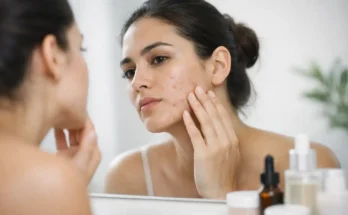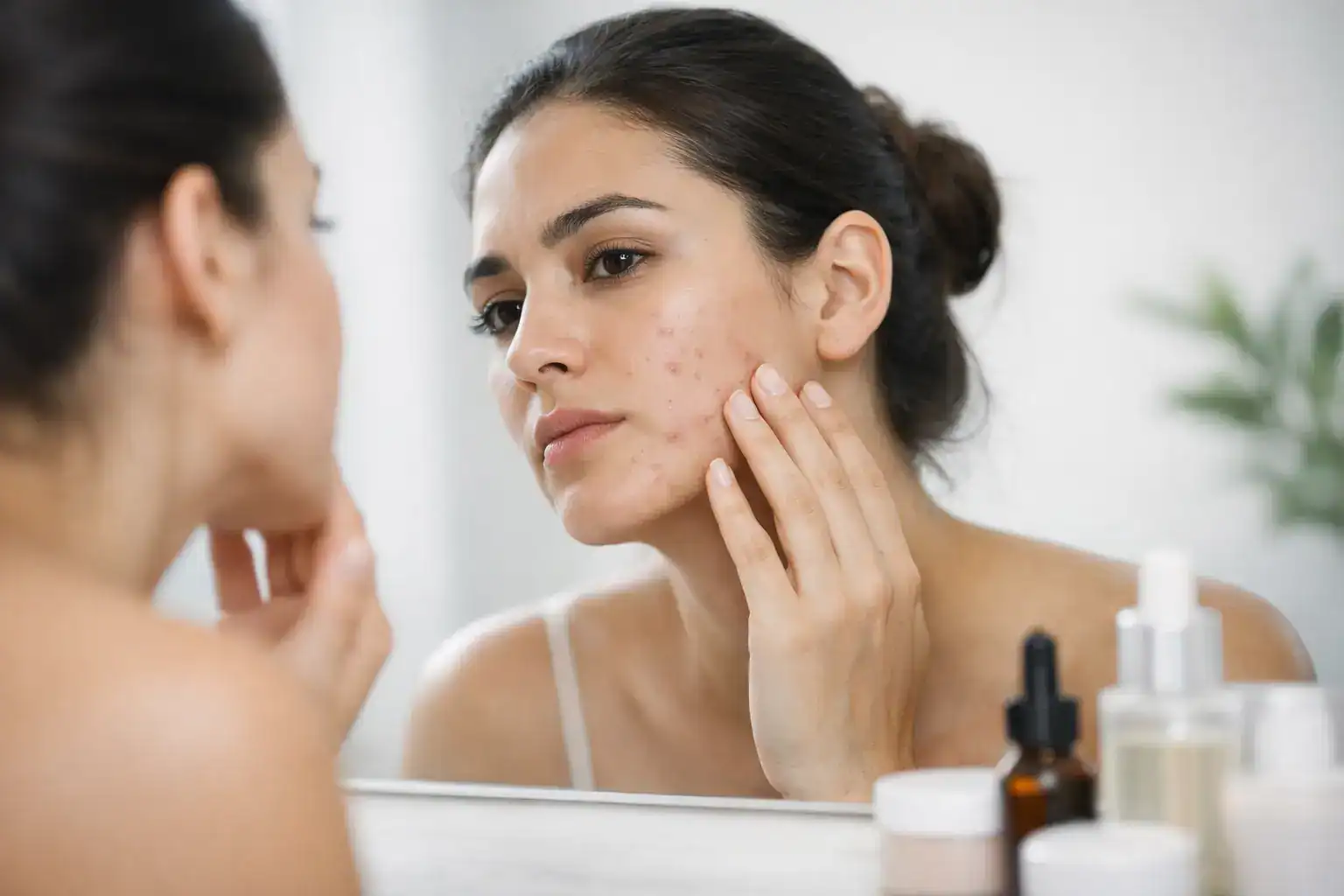
Finding the best acne treatment for oily skin requires a balanced approach that reduces excess oil, clears blocked pores, controls acne-causing bacteria, and protects the skin barrier. Oily skin often produces more sebum than necessary, which can mix with dead skin cells and contribute to clogged pores, blackheads, whiteheads, and inflammatory breakouts.
We recommend focusing on acne treatments that address the causes of breakouts without aggressively stripping the skin. Over-drying oily skin can lead to irritation, increased sensitivity, and an uncomfortable tight feeling. A consistent routine built around proven acne-fighting ingredients can provide better long-term results than constantly changing products.
What Makes Acne Common in Oily Skin?
Oily skin develops when the sebaceous glands produce a higher amount of sebum. Sebum is not harmful on its own; it helps lubricate and protect the skin. Problems may develop when excess oil combines with dead skin cells inside the pores.
Blocked pores can create an environment where inflammation develops, resulting in different types of acne.
People with oily skin may experience:
- Blackheads and whiteheads
- Enlarged or congested pores
- Papules and pustules
- Frequent forehead, nose, and chin breakouts
- Shiny skin shortly after cleansing
- Acne on the cheeks, jawline, chest, or back
- Recurring breakouts despite frequent washing
The right treatment should therefore target both excess oil and clogged pores while keeping irritation under control.
Best Ingredients for Acne Treatment for Oily Skin
Several active ingredients are commonly used in products designed for oily and acne-prone skin. Choosing the correct ingredient depends on the type and severity of acne.
1. Salicylic Acid for Oily and Congested Skin
Salicylic acid is a beta hydroxy acid commonly used in cleansers, toners, serums, and leave-on acne treatments. Because it is oil-soluble, it can penetrate into oily pores and help remove accumulated dead skin cells.
It may be particularly useful for people experiencing blackheads, whiteheads, clogged pores, and mild acne.
Salicylic acid can help:
- Unclog congested pores
- Reduce blackheads and whiteheads
- Remove excess surface oil
- Improve rough skin texture
- Prevent some future breakouts
People new to salicylic acid may prefer starting gradually rather than applying several salicylic-acid products at once.
2. Benzoyl Peroxide for Inflamed Acne
For red, inflamed pimples, benzoyl peroxide is another widely used acne treatment. It helps reduce acne-associated bacteria and can be especially useful for inflammatory breakouts.
Benzoyl peroxide is commonly available in washes, gels, and creams.
It may help with:
- Red pimples
- Pustules
- Inflamed acne
- Recurring inflammatory breakouts
Higher concentrations are not automatically better. Stronger products may increase dryness and irritation, while lower concentrations can still be effective for many people.
3. Topical Retinoids for Persistent Acne
Topical retinoids are among the most important treatments for persistent acne because they help normalize the way skin cells shed inside pores.
One commonly available option is adapalene, which is used to manage comedonal and inflammatory acne.
Retinoids may help:
- Prevent clogged pores
- Reduce blackheads and whiteheads
- Improve recurring acne
- Support smoother-looking skin
- Reduce the development of new blemishes over time
Retinoids are usually introduced gradually because irritation, dryness, or peeling can occur when treatment begins.
Anyone who is pregnant, planning pregnancy, breastfeeding, or using other prescription treatments should discuss retinoid use with an appropriate healthcare professional.
A Simple Skincare Routine for Oily Acne-Prone Skin
The best routine does not need to contain numerous products. We generally favor a simple regimen that targets acne consistently while minimizing unnecessary irritation.
Morning Routine
A basic morning routine may include:
- Gentle cleanser
- Appropriate acne treatment
- Lightweight moisturizer
- Broad-spectrum sunscreen
A cleanser should remove excess oil without leaving the skin extremely dry or uncomfortable.
Oil-free or lightweight moisturizers can still be beneficial because oily skin requires hydration just like other skin types.
Evening Routine
An evening routine may include:
- Gentle cleansing
- Salicylic acid, benzoyl peroxide, or a retinoid depending on the treatment plan
- Non-comedogenic moisturizer
Using every active ingredient simultaneously is not necessary and can increase irritation.
For example, someone beginning adapalene may initially use it on selected evenings while keeping the remainder of the routine gentle.
Why Moisturizer Matters for Oily Skin
People with acne often avoid moisturizer because they believe it will make oily skin worse. However, acne treatments themselves may cause dryness.
A properly formulated moisturizer can support the skin barrier without making the face feel excessively greasy.
We recommend looking for descriptions such as:
- Non-comedogenic
- Oil-free
- Lightweight
- Fragrance-free, particularly for sensitive skin
- Gel or lotion texture
Helpful moisturizing ingredients may include ceramides, glycerin, hyaluronic acid, and niacinamide.
Maintaining the skin barrier can make it easier to tolerate acne treatments consistently.
Niacinamide for Oily Acne-Prone Skin
Niacinamide, a form of vitamin B3, is frequently included in products for oily or acne-prone skin. It is not necessarily a replacement for proven acne medications, but it may complement a well-designed routine.
Niacinamide can support:
- Skin barrier function
- Overall skin hydration
- A less greasy appearance
- Reduced visible redness in some people
A simple moisturizer containing niacinamide may be enough; multiple concentrated serums are not always necessary.
Best Cleanser for Oily Acne-Prone Skin
Cleansing is important, but aggressive cleansing is rarely beneficial.
People with oily skin sometimes wash their faces repeatedly throughout the day to remove shine. Excessive cleansing can disrupt the skin barrier and contribute to dryness and irritation.
We recommend choosing a cleanser that effectively removes:
- Excess sebum
- Sweat
- Sunscreen
- Makeup
- Everyday debris
without making the skin feel excessively tight.
Some oily, acne-prone skin types may benefit from a salicylic-acid cleanser, while others may tolerate a simple gentle cleanser better.
Avoid Harsh Scrubs and Over-Exfoliation
Physical scrubs containing rough particles can make irritated acne feel worse.
Similarly, combining several exfoliating products can cause:
- Burning
- Peeling
- Redness
- Increased sensitivity
- Skin barrier disruption
Using salicylic acid, glycolic acid, exfoliating toners, scrubs, retinoids, and benzoyl peroxide all in the same routine may be unnecessarily aggressive.
Effective acne treatment often depends more on consistent use of a few appropriate products than using as many active ingredients as possible.
Sunscreen for Oily Acne-Prone Skin
Daily sun protection remains important when treating acne.
Some acne treatments may increase skin sensitivity, while existing acne marks can become more noticeable after repeated sun exposure.
People concerned about greasiness can look for lightweight sunscreens labeled:
- Oil-free
- Non-comedogenic
- Matte finish
- Gel-based
- Suitable for acne-prone skin
A broad-spectrum sunscreen with appropriate SPF protection should generally be applied during the day according to product directions.
How to Treat Blackheads on Oily Skin
Blackheads are open clogged pores containing oil and dead skin cells.
For persistent blackheads, treatments that normalize pore shedding are particularly useful.
Options may include:
- Salicylic acid
- Adapalene or another appropriate topical retinoid
- Gentle cleansing
- Non-comedogenic moisturizers and cosmetics
Repeated squeezing can irritate the skin and may contribute to inflammation or marks.
How to Treat Red Pimples on Oily Skin
When oily skin develops red or pus-filled pimples, benzoyl peroxide may be useful because it targets bacteria involved in inflammatory acne.
A dermatologist may recommend combining acne treatments in certain situations. For example, a treatment plan might include a topical retinoid alongside benzoyl peroxide.
Combination therapy should still be introduced carefully, especially when the skin is sensitive or easily irritated.
How Long Does Acne Treatment Take to Work?
Acne treatments rarely provide dramatic results overnight.
Some people notice gradual improvement within several weeks, while more substantial changes may require sustained treatment.
Stopping treatment after only a few days can make it difficult to determine whether the product is effective.
Consistency is particularly important when using ingredients such as:
- Salicylic acid
- Benzoyl peroxide
- Adapalene
- Prescription topical treatments
However, severe burning, swelling, blistering, or other significant reactions should not simply be ignored in the hope that the skin will eventually adjust.
Products to Avoid When Treating Oily Acne-Prone Skin
Not every product marketed for oily skin is suitable for acne-prone skin.
We recommend being cautious with routines that rely heavily on:
- Harsh alcohol-based products
- Repeated facial scrubbing
- Strong exfoliation every day
- Heavy pore-clogging products
- Picking or squeezing pimples
- Multiple strong active ingredients introduced simultaneously
When choosing skincare or makeup, products labeled non-comedogenic may be less likely to clog pores, although individual reactions can still vary.
Lifestyle Habits That Support Acne Treatment
Topical treatment remains important, but certain daily habits can also support an acne-management routine.
Keep Frequently Used Items Clean
Items that regularly contact the face can accumulate oil, sweat, and product residue.
Consider cleaning:
- Pillowcases
- Makeup brushes
- Facial towels
- Phone screens
- Sports equipment touching the face
Remove Makeup Before Sleeping
Sleeping in makeup may increase the likelihood of clogged pores, particularly when products are heavy or occlusive.
Avoid Constantly Touching the Face
Touching, scratching, or picking acne may worsen inflammation and increase the risk of post-acne marks.
Choose Hair Products Carefully
Heavy oils, pomades, and styling products can sometimes contribute to breakouts along the forehead or hairline.
Best Acne Treatment for Oily and Sensitive Skin
Oily skin can also be sensitive.
When sensitivity is present, we recommend introducing treatments gradually and keeping the basic routine simple.
A suitable routine might include:
- Gentle fragrance-free cleanser
- One primary acne treatment
- Lightweight barrier-supporting moisturizer
- Broad-spectrum sunscreen
Starting several strong treatments simultaneously can make it difficult to identify which product is causing irritation.
Acne Treatment for Oily Skin With Dark Spots
After acne heals, some people develop post-inflammatory hyperpigmentation, which appears as flat dark marks.
The first priority is controlling new acne because repeated breakouts can continually create additional marks.
Ingredients sometimes used as part of a treatment plan for acne and uneven pigmentation include:
- Retinoids
- Azelaic acid
- Niacinamide
- Appropriate exfoliating acids
- Sunscreen
Azelaic acid can be particularly useful because it may help both acne and post-acne discoloration in some people.
When Professional Acne Treatment May Be Needed
Over-the-counter products can be helpful for mild acne, but moderate or severe acne may require professional treatment.
A dermatologist or other qualified healthcare professional should be considered when acne is:
- Deep or painful
- Producing cysts or nodules
- Causing permanent scars
- Leaving extensive pigmentation
- Worsening despite consistent treatment
- Affecting large areas of the face, chest, or back
- Causing significant emotional distress
Professional treatment may include prescription topical medications, oral medications, hormonal treatments for appropriate patients, or other therapies depending on the acne pattern and medical history.
How to Choose the Best Acne Treatment for Oily Skin
The ideal treatment depends on the dominant type of acne.
For Blackheads and Whiteheads
Consider treatments containing salicylic acid or a suitable topical retinoid.
For Red, Inflamed Pimples
Benzoyl peroxide may be helpful, depending on skin tolerance and the broader treatment plan.
For Persistent Mixed Acne
A clinician may recommend combinations involving retinoids, benzoyl peroxide, antibiotics, azelaic acid, hormonal therapy, or other treatments depending on the individual.
For Oily Skin With Dark Marks
Focus on controlling active acne first while supporting pigmentation management with ingredients such as azelaic acid, retinoids, niacinamide, and sunscreen when appropriate.
For Oily but Sensitive Skin
Begin with fewer active ingredients and introduce treatment gradually.
Building an Effective Oily-Skin Acne Routine
An effective routine should target acne without creating unnecessary complexity.
A practical routine may look like this:
Morning
- Gentle or salicylic-acid cleanser
- Appropriate acne treatment if prescribed or tolerated
- Lightweight moisturizer
- Broad-spectrum sunscreen
Evening
- Gentle cleanser
- Retinoid or another selected acne treatment
- Non-comedogenic moisturizer
Products should be adjusted according to skin tolerance and the severity of acne.
Using strong treatments more frequently than recommended will not necessarily produce faster results and may instead cause irritation.
Common Mistakes When Treating Oily Skin Acne
Even effective products can deliver disappointing results when the routine is inconsistent or overly aggressive.
Changing Products Too Quickly
Acne treatments require time. Constantly switching products may prevent the skin from benefiting from a consistent regimen.
Skipping Moisturizer
Dryness caused by acne treatments can reduce tolerance and make continued use difficult.
Using Too Many Active Ingredients
More ingredients do not automatically produce better results.
Scrubbing Acne
Acne is not caused by dirty skin. Aggressive scrubbing can irritate existing blemishes.
Squeezing Pimples
Picking can worsen inflammation and increase the risk of scarring and post-acne discoloration.
Best Long-Term Approach to Acne Treatment for Oily Skin
The most effective approach to oily skin acne is usually one that is simple, targeted, consistent, and well tolerated.
Rather than trying to eliminate every trace of facial oil, we focus on preventing blocked pores, reducing inflammation, supporting the skin barrier, and protecting treated skin from excessive sun exposure.
For many people, this means combining a gentle skincare routine with proven ingredients such as salicylic acid, benzoyl peroxide, adapalene, azelaic acid, niacinamide, and an appropriate moisturizer.
Persistent or severe acne should be professionally assessed because early treatment can reduce the likelihood of long-term scarring.
FAQs about Best Acne Treatment for Oily Skin
1. What is the best acne treatment for oily skin?
The best acne treatment for oily skin typically includes ingredients that reduce excess oil, unclog pores, and control acne-causing bacteria. Common options include salicylic acid, benzoyl peroxide, adapalene, and azelaic acid.
2. Is salicylic acid good for oily, acne-prone skin?
Yes. Salicylic acid is especially useful for oily skin because it penetrates pores, helps remove excess sebum and dead skin cells, and can reduce blackheads and whiteheads.
3. How often should oily, acne-prone skin be washed?
We generally recommend gentle cleansing twice daily. Excessive washing or harsh scrubbing may irritate the skin and potentially worsen oiliness and breakouts.
4. Should oily skin still use a moisturizer?
Yes. Oily skin still needs hydration. A lightweight, non-comedogenic, oil-free moisturizer can support the skin barrier without unnecessarily clogging pores.
5. Can benzoyl peroxide help oily skin acne?
Benzoyl peroxide can help treat inflammatory acne by reducing acne-causing bacteria and clearing existing breakouts. Lower concentrations may be better tolerated by some people.
6. What ingredients should oily, acne-prone skin avoid?
We recommend being cautious with heavy, pore-clogging products, harsh scrubs, and overly drying cleansers. Look for products labelled non-comedogenic.
7. How long does acne treatment take to work?
Acne treatments usually require consistent use over several weeks before noticeable improvement occurs. Results vary depending on the treatment and acne severity.
8. When should we see a dermatologist for oily skin and acne?
A dermatologist should be considered when acne is severe, painful, causing scars, or does not improve with appropriate over-the-counter treatment.
Conclusion
The best acne treatment for oily skin should control breakouts without damaging the skin barrier. Salicylic acid can help clear clogged pores, benzoyl peroxide can target inflammatory acne, and topical retinoids can help prevent recurring pore blockage. Supporting these treatments with a gentle cleanser, lightweight non-comedogenic moisturizer, and broad-spectrum sunscreen creates a more balanced skincare routine.
We recommend choosing treatments according to the type of acne rather than simply trying to remove as much oil as possible. Mild acne may respond well to an appropriately structured over-the-counter routine, while persistent, painful, cystic, or scarring acne often requires professional dermatological treatment.
With consistent treatment and the right combination of products, oily skin can be managed without excessive dryness, allowing both active acne and the overall appearance of the skin to improve over time.