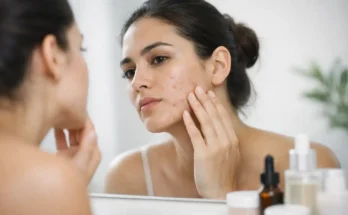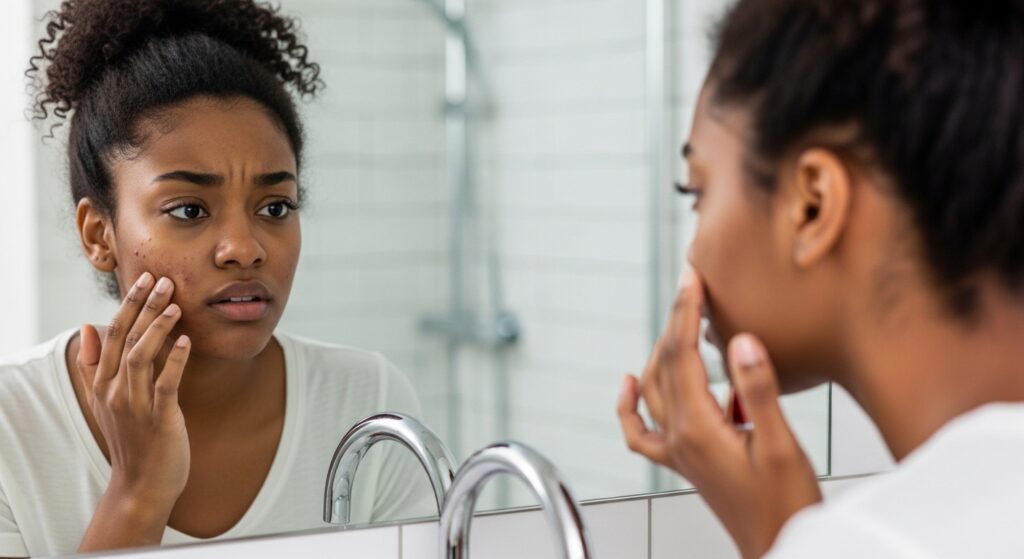
Finding affordable acne treatment for oily skin near me can make a significant difference when frequent breakouts, clogged pores, blackheads, whiteheads, and excess shine become difficult to manage. Oily skin produces more sebum than the skin needs, and when that oil combines with dead skin cells and debris, pores can become blocked and acne may develop.
We believe effective acne care should be practical, consistent, and tailored to the individual. Expensive procedures are not always the first step. Many people with oily and acne-prone skin can benefit from professionally recommended skincare products, topical acne treatments, lifestyle adjustments, and affordable dermatology services.
The most appropriate treatment depends on the type of acne, severity of breakouts, skin sensitivity, previous treatments, and underlying causes.
Why Oily Skin Is More Prone to Acne
Sebum is a natural oil produced by sebaceous glands to protect and moisturize the skin. Problems can occur when these glands produce excessive amounts of oil.
Excess sebum may combine with dead skin cells inside the pores, contributing to clogged follicles. Bacteria and inflammation can then worsen the condition and produce pimples, pustules, nodules, or cysts.
Oily skin may be influenced by several factors, including hormonal changes, genetics, environmental conditions, certain skincare products, stress, and some medications.
We recommend avoiding the temptation to completely strip oil from the skin. Harsh cleansers and excessive washing can irritate the skin barrier without addressing the underlying cause of acne.
Affordable Acne Treatment Options for Oily Skin
When searching for low-cost acne treatment for oily skin, several evidence-based options may be available without immediately turning to expensive cosmetic procedures.
Common Ingredients Used for Oily, Acne-Prone Skin
Affordable treatment plans may include products containing:
- Salicylic acid: Helps remove dead skin cells and unclog pores. It is commonly included in cleansers, toners, and leave-on acne products.
- Benzoyl peroxide: Helps reduce acne-causing bacteria and inflammation. Lower concentrations may provide benefits while causing less irritation for some people.
- Topical retinoids: Ingredients such as adapalene can help prevent clogged pores and improve certain forms of acne. Availability without prescription depends on the country.
- Azelaic acid: May help with acne, inflammation, and some post-acne discoloration.
- Niacinamide: Can support the skin barrier and may help improve the appearance of excess oil and inflammation.
Using several strong active ingredients at once can cause dryness, burning, peeling, or irritation. We recommend introducing products gradually and following the directions provided by a dermatologist, pharmacist, or product manufacturer.
Simple Affordable Skincare Routine for Oily Acne-Prone Skin
A complicated skincare routine is not necessary for everyone. A consistent routine containing a few appropriate products can often be more manageable and affordable.
Morning Routine
We generally recommend beginning with a gentle facial cleanser suitable for oily or acne-prone skin. This helps remove overnight oil and impurities without unnecessarily damaging the skin barrier.
Depending on individual needs, an acne treatment containing ingredients such as salicylic acid or benzoyl peroxide may be appropriate.
A lightweight non-comedogenic moisturizer should follow. Oily skin still needs hydration, particularly when acne treatments cause dryness.
The final step should be broad-spectrum sunscreen. This is particularly important when using acne treatments that increase skin sensitivity or when post-inflammatory dark marks are a concern.
Night Routine
At night, we recommend gently cleansing away oil, sunscreen, makeup, and environmental debris.
A dermatologist-recommended acne treatment can then be applied as directed. For some people, this may include a topical retinoid, benzoyl peroxide, azelaic acid, or another treatment.
Finish with a lightweight moisturizer if needed.
Consistency matters more than aggressively applying large amounts of acne medication.
How to Find Affordable Acne Treatment Near You
Searching online for affordable acne treatment for oily skin near me may produce many clinics, dermatologists, pharmacies, and aesthetic centers. Price alone, however, should not determine where treatment is received.
What to Look for Before Booking Acne Treatment
Before choosing a provider, we recommend checking:
- The qualifications and experience of the healthcare professional
- Whether the clinic regularly treats acne and oily skin
- Consultation fees
- Whether follow-up appointments are charged separately
- Whether prescription medications are included in quoted prices
- Availability of generic medication alternatives
- Patient reviews from credible platforms
- Whether treatment plans are personalized
- Whether procedures are recommended only when clinically appropriate
- Total expected cost rather than the price of the first appointment alone
A reputable provider should assess the skin before recommending an extensive treatment package.
Affordable Dermatologist Acne Treatment for Oily Skin
Professional dermatology treatment does not necessarily mean expensive treatment.
For mild or moderate acne, a dermatologist may begin with relatively simple topical therapy before considering more intensive options.
Depending on the diagnosis, professional acne treatment may involve prescription-strength topical medications, oral medications, hormonal treatment for appropriate patients, chemical peels, extraction procedures, or other dermatological therapies.
People with severe acne, painful nodules, cysts, persistent inflammation, or developing scars should seek professional care rather than relying entirely on over-the-counter products.
Early treatment may help reduce the risk of long-term acne scarring.
Over-the-Counter Acne Treatment for Oily Skin
For mild acne, affordable over-the-counter treatments can sometimes be a reasonable starting point.
A cleanser containing salicylic acid may help people who frequently experience clogged pores and blackheads. Benzoyl peroxide products may be useful where inflammatory pimples are more prominent.
Some people make the mistake of purchasing several acne products and using them simultaneously. This can cause significant irritation and make it difficult to identify which product is helping.
We prefer a gradual approach.
Start with a basic routine, introduce one primary active treatment, and monitor how the skin responds.
Best Moisturizer for Oily and Acne-Prone Skin
Skipping moisturizer because the skin is oily can be counterproductive.
Many acne treatments reduce oil or accelerate skin-cell turnover, which can lead to dryness and irritation. A suitable moisturizer helps support the skin barrier while treatment continues.
Look for products described as:
- Non-comedogenic
- Oil-free or lightweight
- Fragrance-free when skin is sensitive
- Suitable for acne-prone skin
- Formulated with barrier-supporting ingredients such as ceramides, glycerin, or niacinamide
Heavy products are not automatically harmful, but individuals who experience frequent clogged pores may prefer lighter formulations.
Affordable Acne Treatment for Blackheads and Whiteheads
Blackheads and whiteheads are forms of comedonal acne.
They occur when pores become blocked with oil and dead skin cells. Blackheads remain open at the surface, while whiteheads are closed.
Treatments that improve cell turnover and reduce pore blockage are commonly used for this type of acne.
Salicylic acid and topical retinoids are frequently considered because they target clogged pores.
We discourage repeatedly squeezing blackheads or whiteheads. Picking can increase irritation, inflammation, infection risk, and post-acne marks.
Affordable Treatment for Inflamed Pimples
Red, swollen pimples require a slightly different approach from simple clogged pores.
Benzoyl peroxide is commonly used because of its antibacterial and anti-inflammatory effects. Other topical or prescription treatments may also be recommended depending on severity.
When acne is widespread, persistent, painful, or resistant to standard topical treatment, professional assessment becomes particularly important.
What About Hormonal Acne and Oily Skin?
Some acne patterns are strongly influenced by hormones.
Hormonal acne may appear around the jawline, chin, lower face, chest, or back, although distribution varies. Breakouts may worsen around hormonal fluctuations.
Where hormonal factors are suspected, skincare alone may not provide sufficient control.
A healthcare professional may discuss additional treatment options for appropriate patients. Because hormonal therapies and prescription medications have specific risks, contraindications, and monitoring requirements, they should be used only under professional guidance.
How to Reduce Acne Treatment Costs
Effective acne treatment does not need to involve purchasing every trending skincare product.
Practical Ways to Keep Treatment Affordable
We recommend:
- Building a simple skincare routine
- Choosing generic medications when appropriate and available
- Comparing legitimate pharmacy prices
- Asking whether lower-cost alternatives exist
- Avoiding unnecessary cosmetic treatments
- Using products consistently before replacing them too quickly
- Purchasing the correct concentration rather than automatically choosing the strongest product
- Asking about follow-up consultation costs before beginning treatment
- Prioritizing clinically useful products over cosmetic extras
Three carefully selected products may sometimes provide more value than ten products chosen without a clear purpose.
Mistakes to Avoid When Treating Oily Acne-Prone Skin
An effective treatment plan can fail when everyday habits continuously irritate the skin.
Common Acne Treatment Mistakes
We recommend avoiding:
- Washing the face excessively
- Scrubbing acne aggressively
- Picking or squeezing pimples
- Applying alcohol or harsh DIY mixtures to acne
- Using multiple strong active ingredients simultaneously
- Changing products every few days
- Sleeping with makeup on
- Using products that repeatedly clog pores
- Discontinuing treatment immediately because improvement is not instant
- Using prescription medication without appropriate medical advice
Acne treatment usually requires consistency. Depending on the treatment and severity, visible improvement may take several weeks.
When to See a Dermatologist for Oily Skin and Acne
Over-the-counter care may help mild acne, but professional evaluation is advisable when acne becomes difficult to control.
Signs Professional Acne Treatment May Be Needed
Consider seeing a dermatologist or qualified healthcare professional when:
- Acne is painful or severe
- Deep cysts or nodules develop
- Breakouts are leaving scars
- Acne causes persistent dark marks
- Over-the-counter treatments have not provided sufficient improvement
- Acne suddenly becomes significantly worse
- Breakouts affect the chest, shoulders, or back extensively
- Acne is causing substantial emotional distress
- There may be an underlying hormonal or medical condition
Prescription therapy can sometimes prevent months of trial and error.
Professional Treatments for Persistent Oily-Skin Acne
Some people benefit from additional procedures when topical treatment alone is insufficient.
Depending on the skin condition and professional assessment, treatment may include chemical peels, comedone extraction, corticosteroid injections for selected severe lesions, light or laser-based procedures, or scar treatments.
These options are generally more expensive than a basic skincare routine, so they should be considered based on clinical need rather than marketing pressure.
Acne Treatment for Oily Skin and Dark Marks
After acne heals, some people develop post-inflammatory hyperpigmentation, which appears as brown, grey, or dark spots.
Preventing new acne is one of the most important parts of reducing future discoloration.
Daily sunscreen may also help prevent marks from becoming more noticeable. Ingredients such as azelaic acid and certain retinoids may be recommended for both acne and post-acne discoloration depending on the individual.
We advise avoiding aggressive bleaching products or unregulated mixtures because they can irritate the skin and create additional problems.
How Long Does Acne Treatment Take to Work?
Acne rarely disappears overnight.
Many acne treatments require regular use over several weeks before meaningful improvement becomes noticeable. Some people experience dryness, mild peeling, or temporary irritation during the adjustment period, particularly with retinoids or benzoyl peroxide.
Treatment should still be reassessed if side effects are severe or acne continues to worsen.
Taking occasional photographs under similar lighting can help track progress more accurately than checking the mirror several times each day.
Choosing the Right Acne Clinic Near You
The best local acne treatment provider should focus on accurate diagnosis rather than automatically recommending the most expensive procedure.
A good consultation should evaluate the type of acne, severity, skin type, current products, previous treatments, medical history, possible triggers, and risk of scarring.
Patients should also receive clear instructions about how to use prescribed treatments, expected side effects, realistic treatment timelines, and follow-up care.
Affordable Acne Treatment Does Not Mean Low-Quality Care
Affordable care is about spending money on treatments that have a reasonable clinical purpose.
A gentle cleanser, appropriate acne medication, lightweight moisturizer, and sunscreen can form the foundation of an effective routine for many people.
Professional treatment becomes especially valuable when acne is persistent, severe, scarring, or complicated by other skin concerns.
Rather than repeatedly buying new products, we encourage a focused treatment strategy based on the specific type of acne.
Finding Affordable Acne Treatment for Oily Skin Near Me
When searching for affordable acne treatment for oily skin near me, we recommend prioritizing qualified care, evidence-based treatment, transparent pricing, and a manageable skincare routine.
Affordable treatment may begin with simple steps such as a gentle cleanser, a suitable acne active ingredient, moisturizer, and sunscreen. More persistent acne may require dermatologist-prescribed medication or professional procedures.
The goal is not to eliminate every trace of natural oil from the skin. Instead, we aim to control excess sebum, keep pores clear, reduce inflammation, prevent new breakouts, protect the skin barrier, and minimize acne scars or dark marks.
FAQs about Dermatologist Recommended Acne Treatment for Oily Skin
What acne treatment do dermatologists recommend for oily skin?
Dermatologists commonly recommend treatments containing salicylic acid, benzoyl peroxide, topical retinoids, or azelaic acid. The best option depends on the type and severity of acne, skin sensitivity, and other individual factors.
Is salicylic acid good for oily, acne-prone skin?
Yes. Salicylic acid can penetrate oily pores, helping remove excess sebum and dead skin cells. This may reduce blackheads, whiteheads, and clogged pores.
Is benzoyl peroxide recommended for oily skin?
Benzoyl peroxide is frequently used for inflammatory acne. It helps reduce acne-causing bacteria and inflammation, although higher concentrations may cause dryness or irritation.
Do dermatologists recommend retinoids for oily skin?
Yes. Topical retinoids, such as adapalene and prescription retinoids, can help prevent clogged pores and improve acne over time. They should be introduced carefully because irritation can occur.
Should oily skin still use moisturizer?
Yes. We recommend choosing a lightweight, non-comedogenic, oil-free moisturizer. Over-drying the skin can cause irritation and make an acne routine harder to tolerate.
How long does dermatologist-recommended acne treatment take to work?
Results vary, but acne treatments generally require several weeks of consistent use before noticeable improvement occurs. More significant results may take several months.
When should we see a dermatologist for oily skin and acne?
We should consider professional treatment when acne is persistent, painful, severe, causing scars, or not improving with over-the-counter products. A dermatologist can recommend a personalized treatment plan and monitor potential side effects.
Conclusion
Finding affordable acne treatment for oily skin near you becomes easier when treatment is based on the type and severity of acne rather than the number of products purchased.
We recommend starting with a simple, consistent skincare routine and proven acne ingredients while avoiding harsh scrubs, excessive cleansing, and unnecessary product combinations. Mild acne may respond to appropriately selected over-the-counter treatments, while persistent, painful, cystic, or scarring acne deserves professional dermatological assessment.
With the right combination of oil control, pore-clearing treatment, gentle skincare, sun protection, and professional guidance when necessary, oily and acne-prone skin can often be managed effectively without making treatment unnecessarily complicated or expensive.