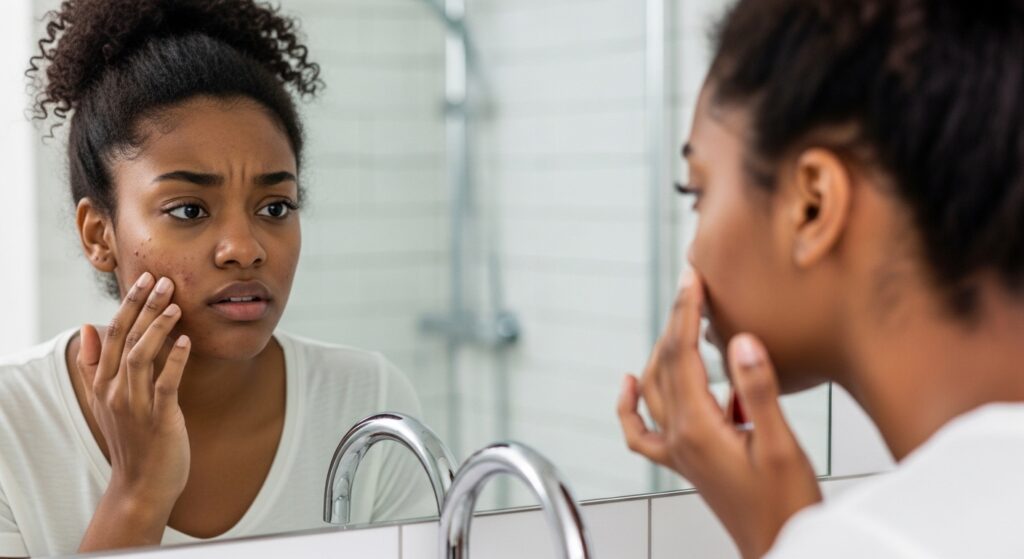
Finding affordable acne treatment for dry skin near me means looking for care that addresses breakouts while keeping skin comfortable. When pimples appear alongside tightness, flaking, or sensitivity, choosing the strongest acne product can make a daily routine harder to tolerate. A practical approach combines suitable treatment, gentle skincare, and a budget that supports consistent use.
We can make better decisions by comparing the full cost of care, understanding available treatments, and choosing qualified providers who consider dryness during an assessment. The aim is a manageable routine that treats acne without creating unnecessary irritation or expense.
What to Look for in Acne Treatment for Dry Skin
Dry skin still needs effective acne treatment, but tolerability matters. A product that causes persistent burning or peeling may be difficult to use consistently. Moisturiser can help manage dryness associated with common acne medicines, including benzoyl peroxide and topical retinoids. The American Academy of Dermatology recommends choosing a moisturiser labelled oil-free, non-comedogenic, or won’t clog pores.
We should also distinguish between naturally dry skin and dryness that begins after introducing new products. Bringing a list of cleansers, creams, serums, and medicines to a consultation helps the clinician understand the current routine.
Features of a Suitable Treatment Plan
When comparing options, we should look for:
- An assessment of acne severity, including whether blemishes are superficial or deep and painful.
- Consideration of existing irritation, rather than treating flaking as something to ignore.
- Clear application instructions, including how frequently to use each medicine.
- Affordable maintenance products, especially cleanser, moisturiser, and sunscreen.
- A follow-up plan that explains when treatment should be reviewed.
A clear plan makes it easier to understand which purchases are essential and which are optional.
Affordable Acne Treatment Options for Dry Skin
There is no single acne medicine that suits every person with dry skin. Treatment selection depends on the type of blemishes, previous reactions, medical history, and whether prescription care is needed.
Azelaic Acid
Azelaic acid is an acne treatment that a clinician may consider when benzoyl peroxide or topical retinoids cause troublesome irritation. It can still cause stinging or dryness, so suitability and application instructions matter. The NHS identifies it as an alternative when these other treatments are particularly irritating or painful.
When discussing affordability, we can ask about available formulations, prescription requirements, and the cost of an equivalent generic product.
Benzoyl Peroxide
Benzoyl peroxide reduces acne-causing bacteria and is used in several acne treatment plans. However, it can cause dryness and irritation. We should ask a pharmacist or clinician whether it is appropriate for the skin’s current condition and how to introduce it alongside moisturising care.
Buying several products containing the same active ingredient can add expense without providing a useful improvement. Checking labels helps avoid accidental duplication.
Topical Retinoids
Topical retinoids, such as adapalene, help treat acne by addressing blocked pores. They can also irritate dry skin, making careful introduction and supportive skincare important. A clinician may recommend applying moisturiser before a retinoid to improve tolerability. Availability without a prescription varies by country.
We should discuss pregnancy or plans for pregnancy before choosing treatment. Topical retinoids should be avoided during pregnancy and when planning pregnancy.
Prescription Treatment for More Severe Acne
Deep, painful blemishes or acne that leaves scars deserve a dermatologist’s assessment. Repeatedly purchasing over-the-counter products may delay more appropriate treatment.
If prescription care is recommended, we can ask which parts of the plan are essential, whether lower-cost alternatives exist, and what monitoring or follow-up will cost.
How to Find Affordable Acne Treatment Near You
A search for acne treatment for dry skin near me may return dermatology clinics, general medical practices, pharmacies, and cosmetic treatment centres. We should compare their qualifications and services before booking.
Depending on the local healthcare system, a primary care clinician or pharmacist may provide an accessible starting point. Specialist care becomes particularly valuable when acne is painful, scarring, persistent, or difficult to treat because of irritation.
Questions to Ask Before Booking
To make costs easier to compare, we can ask:
- What does the initial consultation include?
- Are prescriptions and skincare products charged separately?
- What are the follow-up fees?
- Are generic medicines available?
- Does the provider assess both acne and dry skin?
- Are any proposed procedures optional?
- Is insurance accepted, where applicable?
A low consultation fee does not always mean the lowest overall expense. Medication, travel, repeat appointments, and required monitoring can change the total.
Understanding the Cost of Dry-Skin Acne Treatment
The cost of acne treatment for dry skin varies by location, provider, severity, and prescribed treatment. Without a specific clinic or city, a single price would not give a reliable estimate.
We can request an itemised quotation and compare costs over a realistic treatment period. This provides a clearer picture than comparing the price of one appointment or one tube of cream.
Expenses to Include in a Treatment Budget
A useful budget accounts for:
- Initial assessment: Consultation and diagnosis.
- Medication: Prescription or pharmacy treatment.
- Daily skincare: Gentle cleanser, moisturiser, and sunscreen.
- Review appointments: Assessment of response and tolerability.
- Additional requirements: Tests or monitoring if the prescribed medicine needs them.
We should also check product size and expected replacement frequency. A cheaper item that runs out quickly may cost more over time.
Building a Simple Skincare Routine on a Budget
A manageable routine reduces the pressure to buy multiple serums, masks, and spot treatments. We can organise purchases around basic skincare and the acne medicine recommended for our needs.
Gentle Cleansing and Moisturising
The American Academy of Dermatology advises gentle washing and avoiding practices that irritate acne-prone skin. For dry skin, moisturiser is especially useful when acne treatment causes additional dryness.
We should choose products we can afford to replace regularly. Packaging, fragrance, or a luxury brand name does not establish whether a product will suit an individual’s skin.
Using Treatment as Directed
Following the label or prescribed instructions helps prevent confusion about application. If a routine contains several acne medicines, we should confirm how they fit together rather than layering them without guidance.
Keeping a written list of products and noting reactions can make follow-up appointments more useful. It also helps identify purchases that have added cost without improving the routine.
Avoiding Unnecessary Spending on Acne Products
Affordable care depends partly on resisting frequent, unplanned changes. Buying a new product whenever a blemish appears can create an expensive routine that is difficult to evaluate.
Purchases to Review Carefully
Before spending more, we should reconsider:
- Duplicate active ingredients across cleansers, gels, and creams.
- Large treatment bundles without an explanation of each item’s purpose.
- Procedures promoted as essential before a medical assessment.
- Products promising immediate or permanent results.
- Harsh home remedies, including toothpaste applied to pimples.
The American Academy of Dermatology specifically advises using established acne treatments rather than toothpaste, which can irritate the skin.
Preparing for a Productive Acne Consultation
A useful consultation starts with clear information. We can bring photographs showing changes, a list of previous treatments, and details of any burning, flaking, or other reactions.
It also helps to state a realistic budget at the beginning. Asking for a plan that prioritises essential treatment gives the clinician an opportunity to discuss practical alternatives.
Information to Share With the Provider
We should explain:
- How long the acne has been present.
- Whether blemishes are painful or leave scars.
- Which products have helped or caused irritation.
- Any medicines currently being used.
- Pregnancy, pregnancy plans, or relevant medical conditions.
- The amount available for ongoing care.
These details support a more tailored discussion and reduce the likelihood of purchasing unsuitable products.
FAQs about Affordable Acne Treatment for Dry Skin Near Me
1. How can I find affordable acne treatment for dry skin near me?
Search for licensed dermatologists, skin clinics, or healthcare providers that specifically treat acne and dry or sensitive skin. Compare consultation fees, treatment options, and follow-up costs before choosing a provider.
2. What acne treatments are suitable for dry skin?
Treatment depends on acne severity and skin sensitivity. A dermatologist may recommend carefully selected topical acne medications, moisturizers, gentle cleansers, or prescription treatments while taking steps to protect the skin barrier.
3. Can affordable acne treatment still be effective?
Yes. Effective treatment does not necessarily require expensive procedures. A healthcare professional may recommend a simple skincare routine and appropriate medications based on the cause and severity of your acne.
4. How much does acne treatment for dry skin cost?
Costs vary depending on your location, provider, acne severity, medications, and whether procedures are required. Ask clinics about consultation fees, medication costs, insurance coverage, and payment options beforehand.
5. Should I avoid acne products if I have dry skin?
Not necessarily. However, some acne ingredients can increase dryness, peeling, or irritation. Products should be introduced carefully, and using a suitable moisturizer can help support the skin barrier.
6. When should I see a dermatologist?
Consider professional care if acne is painful, persistent, causing scars, or worsening despite over-the-counter treatment. A dermatologist can develop a treatment plan that addresses acne without unnecessarily aggravating dry skin.
7. What should I ask during my first appointment?
Ask about the recommended treatment, expected side effects, total costs, skincare routine, treatment duration, and follow-up schedule.
Conclusion
Finding affordable acne treatment for dry skin near me starts with comparing qualified providers, requesting transparent costs, and choosing a routine that is practical to maintain. We should prioritise suitable treatment and supportive skincare, with professional assessment when acne is painful, scarring, or persistent.
A carefully chosen plan can make the budget go further by reducing unnecessary purchases and giving each essential product a clear purpose.

