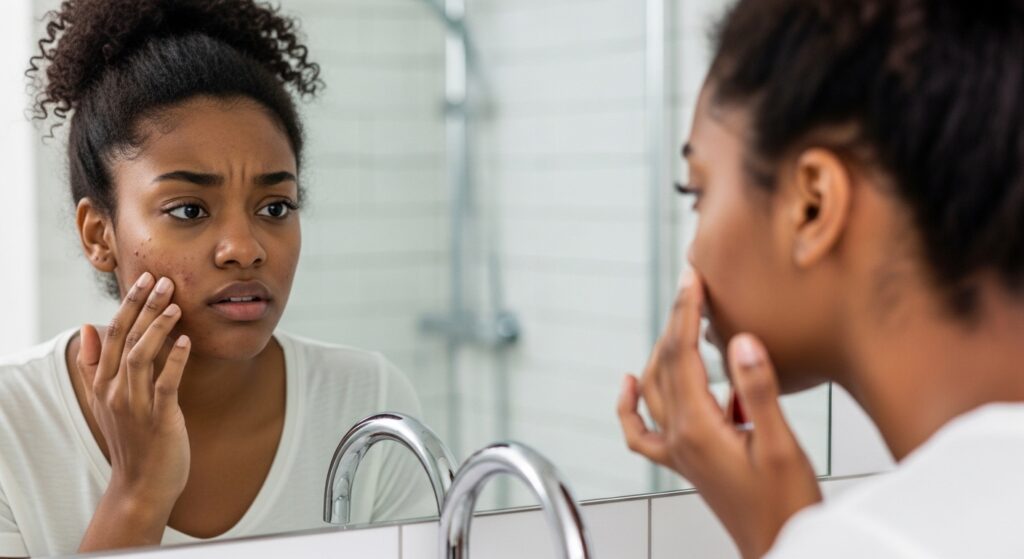
Dermatologist recommended uneven skin tone treatment starts with identifying the cause of discoloration. Dark marks after acne, patches linked to melasma, and sun-related pigmentation may look similar, but they do not always respond to the same approach. Effective care combines appropriate treatment, daily sun protection, and a routine that avoids unnecessary irritation.
We recommend focusing on healthier, more even-looking skin, rather than trying to change your natural complexion. A carefully chosen routine can gradually improve discoloration while supporting the skin barrier. Stronger products and aggressive procedures are not automatically better, especially when the skin is sensitive or prone to developing dark marks.
Identify the Cause Before Choosing Uneven Skin Tone Treatment
Uneven skin tone describes several different concerns. Before selecting a dark spot corrector, we recommend establishing whether the problem involves excess pigment, redness, lighter patches, or a combination.
Common causes of darker discoloration include:
- Post-inflammatory hyperpigmentation: Dark marks that remain after acne, eczema, irritation, or an injury.
- Melasma: Brown or grey-brown patches, often appearing across the cheeks, forehead, or upper lip.
- Sun-related pigmentation: Discoloration associated with accumulated sun exposure.
- Product irritation: Darkening that follows inflammation caused by unsuitable skincare.
Treating the underlying trigger matters. If breakouts or irritation continue, new marks may develop while older ones fade. The American Academy of Dermatology advises addressing the condition responsible for dark spots alongside the pigmentation itself.
Dermatologist Recommended Treatments for Uneven Skin Tone
Treatment usually begins with consistent skincare and targeted topical ingredients. Prescription medication or professional procedures may be appropriate when discoloration persists.
1. Broad-Spectrum Sunscreen for Daily Protection
Broad-spectrum sunscreen with SPF 30 or higher is a foundation of pigmentation care. Sun exposure can deepen existing discoloration and undermine the benefits of treatment.
For melasma, particularly in darker skin tones, a tinted sunscreen containing iron oxide can provide additional protection against visible light. Choose a comfortable formula and a suitable shade so regular application becomes easier.
We recommend combining sunscreen with shade and a wide-brimmed hat. Reapply sunscreen at least every two hours when outdoors, and follow the product’s instructions after swimming or sweating. These habits support treatment and help reduce further darkening.
2. Azelaic Acid for Selected Pigmentation Concerns
Azelaic acid is one option dermatologists may consider for uneven pigmentation. It can be particularly useful when a treatment plan also needs to account for acne.
However, suitability depends on the formulation, concentration, and skin’s tolerance. Tingling, dryness, or irritation can occur, so introducing multiple active ingredients at once can make a routine harder to manage.
We recommend discussing persistent pigmentation with a dermatologist before repeatedly increasing product strength. A tolerable routine used consistently is more practical than one that causes ongoing inflammation.
3. Retinoids for Appropriate Patients
Topical retinoids, including prescription tretinoin, may form part of a dermatologist-directed pigmentation plan. They are also used for acne, making them relevant when breakouts and lingering dark marks occur together.
Retinoids require careful introduction because they can cause dryness, peeling, and irritation. A clinician can advise on application frequency and how to combine treatment with moisturizer.
Retinoids should be avoided during pregnancy. Anyone who is pregnant, breastfeeding, or planning pregnancy should review treatment choices with a qualified clinician before starting a pigmentation routine.
4. Hydroquinone and Prescription Combination Creams
For selected conditions, particularly melasma, dermatologists may prescribe hydroquinone or a combination cream containing hydroquinone, tretinoin, and a corticosteroid.
These treatments require a defined plan. They should not be treated as everyday cosmetic creams for indefinite use. The appropriate formulation and duration depend on the diagnosis, response, and risk of irritation.
Other topical options may include vitamin C or kojic acid, depending on individual needs. We recommend choosing ingredients around a clear treatment goal rather than combining every available brightening product.
5. Specialist Options for Stubborn Melasma
Persistent melasma sometimes requires treatment beyond an initial topical routine. A dermatologist may consider additional medication or a procedure after reviewing progress.
Tranexamic acid is one specialist option, but oral treatment requires medical assessment, including consideration of blood clot risk. It is not an appropriate self-prescribed solution for general uneven skin tone.
Treatment escalation should follow a review of the diagnosis, sun protection, adherence, and tolerance. More intensive treatment still requires ongoing maintenance because melasma can relapse.
Professional Procedures for Uneven Skin Tone
Professional treatment may help selected patients, but the procedure must match the condition and skin tone.
Chemical Peels
A dermatologist may use a chemical peel to address certain forms of pigmentation. Peel strength, preparation, and aftercare influence both results and recovery.
We recommend avoiding the assumption that deeper peeling produces better improvement. Excessive inflammation can create additional discoloration, making professional assessment especially valuable for skin prone to dark marks.
Laser and Light Treatments
Laser and light treatments may be considered for particular pigment concerns, but they are not a universal solution. Melasma requires particular caution because heat can sometimes worsen it.
A dermatologist should explain the expected benefit, possible pigment changes, number of sessions, and maintenance requirements before treatment begins. For darker skin tones, experience treating similar complexions is an important part of choosing a provider.
A Simple Skincare Routine for Uneven Skin Tone
We recommend building a manageable routine before adding several treatment products.
Morning Routine
- Cleanse gently: Use a mild cleanser suited to your skin.
- Apply the recommended treatment: Follow the product directions or prescription instructions.
- Moisturize: Choose a comfortable formula that supports regular use.
- Apply sunscreen: Use broad-spectrum protection and reapply as needed outdoors.
Evening Routine
- Remove sunscreen and makeup without vigorous rubbing.
- Cleanse gently.
- Apply the prescribed or selected evening treatment.
- Moisturize to help manage dryness.
Introduce new products gradually. If a product repeatedly burns, stings, or causes inflammation, stop using it and seek advice. Irritation can worsen pigmentation, particularly in darker skin.
How Long Does Uneven Skin Tone Treatment Take?
Pigmentation improves gradually. The timeline depends on the cause, pigment depth, ongoing triggers, and treatment tolerance.
Some post-inflammatory dark spots can take six to twelve months to fade after the trigger has stopped; deeper discoloration may last longer. Progress photographs taken under similar lighting can help reveal changes that are difficult to notice day to day.
We recommend reviewing progress at the interval agreed with your dermatologist rather than switching products repeatedly. Melasma often needs a longer-term strategy because improvement does not eliminate the possibility of recurrence.
When to Seek a Dermatologist’s Assessment
Arrange an assessment when discoloration persists, spreads, or repeatedly returns despite a gentle routine. Professional advice is also valuable before using prescription-strength products or booking a peel or laser treatment.
A new or changing individual spot, especially one that bleeds or develops an irregular appearance, should be examined before being treated as a cosmetic concern.
FAQs about Dermatologist Recommended Uneven Skin Tone Treatment
1. What is the best dermatologist recommended treatment for uneven skin tone?
Dermatologists often recommend vitamin C, niacinamide, azelaic acid, retinoids, and chemical exfoliants to improve uneven skin tone. The best treatment depends on your skin type, pigmentation concerns, and sensitivity.
2. How long does it take to correct uneven skin tone?
Most treatments require 6–12 weeks to show noticeable improvements. Deeper pigmentation may take several months. Consistent skincare and daily sunscreen use are essential for lasting results.
3. Can uneven skin tone be treated permanently?
Uneven skin tone can improve significantly with appropriate treatment. However, sun exposure, hormonal changes, and skin inflammation may cause pigmentation to return. Maintaining a consistent skincare routine helps prevent recurrence.
4. What ingredients do dermatologists recommend for uneven skin tone?
Commonly recommended ingredients include vitamin C, niacinamide, glycolic acid, azelaic acid, kojic acid, and retinoids. These ingredients help reduce discoloration, promote skin renewal, and improve overall complexion.
5. Is dermatologist recommended uneven skin tone treatment safe for dark skin?
Yes. Treatments such as azelaic acid and niacinamide are often suitable for darker skin tones. However, aggressive exfoliation and inappropriate chemical peels can worsen hyperpigmentation, making professional guidance important.
6. Does sunscreen help treat uneven skin tone?
Yes. Broad-spectrum SPF 30 or higher helps prevent existing dark spots from becoming darker. Tinted sunscreen containing iron oxides can provide additional protection against visible light that contributes to pigmentation.
7. When should I see a dermatologist for uneven skin tone?
Consult a dermatologist if discoloration persists, spreads, changes unexpectedly, or does not improve with skincare products. Professional evaluation can identify the underlying cause and determine the most effective treatment.
8. Can natural remedies improve uneven skin tone?
Some natural ingredients may offer mild benefits, but evidence is limited. Dermatologist-recommended treatments generally provide more reliable results than unproven home remedies.
Conclusion
The best dermatologist recommended uneven skin tone treatment combines an accurate diagnosis, suitable topical care, and consistent sun protection. We recommend starting with a manageable routine, controlling ongoing irritation, and allowing time for gradual improvement. When pigmentation remains stubborn, a dermatologist can guide the next step and develop a maintenance plan suited to your skin.

