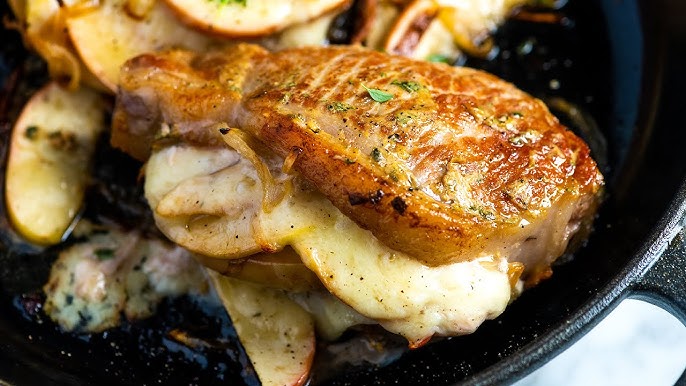
Stuffed Pork Chops Recipe: Stuffed pork chops are one of those comfort meals that make you feel like a culinary genius without needing a fancy culinary degree. They’re juicy, tender, and bursting with flavor — and the best part? You can customize them in endless ways. Whether you want something savory, sweet, or even spicy, stuffed pork chops let you get creative without stepping too far outside your comfort zone.
What really makes stuffed pork chops stand out is how they turn an everyday protein into something impressive. With just a few ingredients and simple techniques, you can transform basic pork chops into a show-stopping main course that looks gourmet but is surprisingly easy to make. Ideal for weeknight dinners, dinner parties, or Sunday family meals, this recipe brings both taste and style to your table.
In this detailed guide, you’ll learn everything from choosing the right cut of meat to mastering the perfect stuffing blend, all the way to cooking it like a pro. No more dry or boring pork chops—just juicy, flavorful bites every single time. So, roll up your sleeves and get ready to impress yourself (and your guests) with this mouthwatering stuffed pork chops recipe.
Ingredients Needed
Before diving into the process, let’s take a look at the ingredients you’ll need. These components are broken down into essentials and extras, depending on how adventurous you want to get.
Essential Ingredients:
- Pork Chops: 4 thick-cut pork chops (bone-in or boneless, about 1½ to 2 inches thick)
- Bread Crumbs: 1 cup (preferably seasoned)
- Garlic: 3 cloves, minced
- Onion: 1 small onion, finely chopped
- Butter: 2 tablespoons
- Chicken Broth: ¼ cup to moisten the stuffing
- Salt & Pepper: To taste
- Olive Oil: For searing the chops
Optional Add-Ons for Extra Flavor:
- Cheese: Mozzarella, cheddar, or Parmesan
- Apples: Peeled and diced, for a sweet-savory mix
- Spinach: Fresh or thawed frozen
- Mushrooms: Sautéed for an earthy touch
- Cranberries or Raisins: For a festive flair
- Herbs: Fresh rosemary, thyme, or sage
These ingredients make it super easy to tailor the stuffing to your preference. Don’t be afraid to experiment — pork is a versatile meat that pairs well with both savory and sweet components.
Tools and Equipment Required
Cooking great stuffed pork chops doesn’t require a commercial kitchen. In fact, most of the tools you need are likely already in your kitchen. Here’s what you’ll need:
Essential Tools:
- Sharp Knife: For slicing the pocket in the pork chop
- Cutting Board: Preferably one dedicated to raw meat
- Mixing Bowls: One large bowl for mixing the stuffing
- Skillet: Cast iron preferred, but any oven-safe skillet works
- Tongs: For flipping the pork chops during searing
- Meat Thermometer: To ensure the pork is perfectly cooked
Nice-to-Have Tools:
- Oven-Safe Baking Dish: For finishing off the pork chops in the oven
- Food Processor: If you want to finely chop veggies or make your own breadcrumbs
- Basting Brush: For applying olive oil or marinade
- Toothpicks or Cooking Twine: To secure the stuffing inside
These tools streamline the process and help deliver professional-level results at home. Even if you’re missing a couple, there are usually workarounds — just focus on the basics, and you’ll be good to go.
Choosing the Right Pork Chops
The star of this recipe is the pork chop, so it’s important to choose the right kind. Not all pork chops are created equal when it comes to stuffing. You want something thick, juicy, and strong enough to hold a pocket full of goodness without falling apart.
Best Cuts for Stuffed Pork Chops:
- Center-Cut Rib Chop: This bone-in chop is flavorful and has a good amount of fat for tenderness.
- Boneless Loin Chop: Easier to cut into and stuff, but may cook a bit faster and dry out more easily.
- Double-Cut Pork Chops: These are extra thick and ideal for deep stuffing. Perfect for special occasions.
Tips for Choosing the Right Chop:
- Thickness Matters: Aim for at least 1½ inches thick. Anything thinner will be hard to stuff without tearing.
- Fat Cap: Some fat helps with flavor and moisture, but trim excess for better handling.
- Marbling: Look for chops with a bit of marbling — those little white streaks of fat make the meat juicier.
A good pork chop holds the stuffing without leaking and remains juicy during cooking. If you’re unsure at the butcher, just ask for “chops thick enough for stuffing.” Most butchers will know exactly what you need.
Preparing the Stuffing
Now for the fun part — the stuffing. This is where you get to add your own personality to the dish. Whether you like it classic, cheesy, herby, or sweet, stuffing is what sets this dish apart.
Basic Stuffing Mix:
- Sauté Aromatics: In a pan, melt 2 tablespoons of butter and sauté the garlic and onion until soft and golden.
- Add Bread Crumbs: Stir in 1 cup of seasoned breadcrumbs until they soak up the buttery mixture.
- Moisten: Slowly pour in chicken broth, a tablespoon at a time, until the mixture is moist but not soggy.
- Season: Add salt, pepper, and your choice of herbs.
Stuffing Variations:
- Apple-Cranberry: Add ½ cup diced apples and a handful of dried cranberries for a sweet, festive touch.
- Spinach-Mushroom: Add cooked spinach and mushrooms to the base for a more savory, earthy bite.
- Cheese Lovers: Toss in shredded cheddar or mozzarella to make the stuffing extra gooey and flavorful.
Once your stuffing is ready, let it cool for a few minutes before handling. Warm stuffing can cause the pork to cook prematurely and may even burn your hands while filling.
Cutting and Stuffing the Pork Chops
Stuffing pork chops might sound intimidating, but it’s actually quite simple once you get the hang of it. The key is to create a neat pocket inside each chop without cutting all the way through, so the stuffing stays sealed inside during cooking.
How to Cut the Pocket:
- Use a Sharp Knife: Place the pork chop flat on a cutting board. Hold it steady with one hand and use the other hand to insert a sharp knife horizontally into the thicker side.
- Create a Pocket: Carefully cut about ¾ of the way into the chop, stopping before you reach the opposite edge. Move the knife around slightly inside to expand the pocket.
- Avoid Cutting Through: Make sure the pocket has thick walls to hold the stuffing securely. If you accidentally cut through, use toothpicks to close any holes.
How to Stuff the Pork Chops:
- Cool the Stuffing: Ensure your stuffing is cool enough to handle.
- Use a Spoon or Fingers: Fill the pocket with a generous scoop of stuffing. Press it in firmly but gently so it doesn’t burst out.
- Secure the Chop: If needed, use toothpicks or tie with kitchen twine to keep the stuffing inside.
This step is where the magic begins. Each chop now holds a flavorful mix that will bake to perfection, giving you a meal that’s just as impressive in taste as it is in presentation.
Seasoning the Pork Chops
After your chops are stuffed, it’s time to infuse them with flavor from the outside in. Seasoning the meat well ensures that every bite is delicious—not just the stuffing.
Dry Rub or Marinade?
- Dry Rub: A mix of salt, pepper, paprika, garlic powder, and thyme works great. It’s fast, simple, and adds a nice crust when seared.
- Marinade: You can also soak the chops in a marinade (olive oil, lemon juice, garlic, herbs) for 30 minutes to a few hours if you want extra depth.
Basic Seasoning Mix:
- 1 tsp salt
- 1 tsp black pepper
- ½ tsp garlic powder
- ½ tsp onion powder
- ½ tsp paprika
- ¼ tsp dried thyme or rosemary
Rub the mixture all over the outside of the pork chops, making sure to cover every surface. Don’t season the stuffing directly—it’s already flavorful on its own.
Extra Flavor Tips:
- Brining: For ultimate juiciness, brine your pork chops in saltwater for 1–2 hours before stuffing.
- Butter Baste: While cooking, spoon melted butter over the top for added richness.
Seasoning is often the difference between good and great pork chops. Don’t skip this step!
Cooking Methods: Oven, Skillet, or Grill
Now that your pork chops are stuffed and seasoned, let’s talk about how to cook them. There are a few different ways, and each has its own benefits. Choose the one that works best for your setup.
1. Oven-Baked Pork Chops:
Steps:
- Preheat your oven to 375°F (190°C).
- Heat olive oil in an oven-safe skillet over medium-high heat.
- Sear the pork chops for 2–3 minutes per side until golden brown.
- Transfer skillet to the oven and bake for 20–25 minutes, or until internal temperature reaches 145°F (63°C).
- Let rest for 5 minutes before serving.
Why It Works: Oven baking ensures even cooking and keeps the meat juicy.
2. Stovetop-Skillet Method:
Steps:
- Heat a skillet with olive oil over medium heat.
- Sear the chops on both sides, 3–4 minutes each.
- Lower the heat, cover, and let cook for another 8–10 minutes, flipping once.
Best For: Faster cooking and a crispy outer layer.
3. Grilled Pork Chops:
Steps:
- Preheat the grill to medium heat.
- Oil the grates to prevent sticking.
- Grill the chops for about 6–8 minutes per side, turning occasionally.
- Use indirect heat to finish cooking if needed.
Grilling Tip: Use aluminum foil packets if the stuffing is loose or you’re worried about leaks.
Each method gives a slightly different texture and flavor. Want a crispy exterior? Go skillet. Craving smoky notes? Fire up the grill. Need hands-off cooking? Oven’s your best bet.
Internal Temperature and Doneness
One of the most critical steps in this recipe is making sure your pork chops are fully cooked—but not overcooked. The last thing you want after all your effort is a dry or undercooked chop.
Perfect Pork Temperature:
- Safe Temp: The USDA recommends a minimum internal temperature of 145°F (63°C).
- Resting Time: Let the pork rest for 3–5 minutes after cooking to allow juices to redistribute.
How to Check Doneness:
- Use a Meat Thermometer: Insert it into the thickest part of the pork (not the stuffing).
- Look for Clarity: The juices should run clear, not pink.
- Touch Test: Fully cooked pork should be firm but springy when pressed with a finger.
Avoiding Overcooking:
- Don’t cook pork beyond 160°F. It dries out quickly.
- Remember, the meat continues to cook a little after you remove it from the heat—this is called carryover cooking.
Proper doneness ensures your chops are juicy and flavorful every time. It’s a small step that makes a big difference.
Serving Suggestions
Now comes the reward—plating your masterpiece! A well-plated pork chop is not just a meal, it’s a statement. With the right sides and presentation, you’ll feel like you’re dining in a five-star restaurant.
Great Side Dishes:
- Mashed Potatoes or Garlic Mashed Cauliflower
- Roasted Vegetables: Carrots, asparagus, or Brussels sprouts
- Green Beans Almondine
- Wild Rice Pilaf
- Apple Sauce or Glazed Apples
- Fresh Garden Salad
Presentation Tips:
- Slice Before Serving: For a beautiful presentation, slice the pork chop at a slight angle and fan it out on the plate.
- Garnish: A sprig of rosemary or a drizzle of balsamic glaze adds a fancy touch.
- Serve Hot: Always serve stuffed pork chops hot out of the oven or after a brief rest for optimal flavor.
This is your time to shine. A delicious pork chop deserves a stunning sidekick and a beautiful plate. Make it a meal to remember!
Storage and Reheating
Leftovers? Lucky you! Stuffed pork chops reheat beautifully when handled properly. Whether you’re saving a couple for tomorrow’s lunch or prepping for the week, proper storage and reheating will keep the flavor and texture intact.
How to Store Stuffed Pork Chops:
- Refrigerator: Place cooled chops in an airtight container and store for up to 3–4 days.
- Freezer: Wrap each chop in plastic wrap and then foil, or place in a freezer-safe container. Store for up to 3 months.
Always label containers with the date so you can keep track. Freezing is ideal if you’ve made a large batch or want to plan meals ahead.
How to Reheat Without Drying Out:
- Oven Method: Preheat oven to 325°F (163°C). Place the chops in a baking dish with a splash of broth or water and cover with foil. Heat for 15–20 minutes or until warm.
- Microwave: Place on a microwave-safe plate, cover loosely with a microwave lid or paper towel, and heat in 30-second intervals to avoid overcooking.
- Skillet: Heat over low with a bit of butter or broth, covered, for 5–7 minutes.
Avoid reheating at high temperatures—it dries out the pork and makes the stuffing rubbery. Slow and gentle wins the game.
Common Mistakes to Avoid
Even the best home cooks can slip up. Here are the most common pitfalls when making stuffed pork chops — and how to steer clear of them.
1. Using Thin Chops:
Thin chops don’t have enough room for stuffing and are more likely to tear or dry out. Always go for thick-cut pork chops (at least 1½ inches).
2. Overstuffing:
It might be tempting to load up the stuffing, but too much can cause the pork to split or the stuffing to spill out. Stick to a moderate amount, filling the pocket about ¾ full.
3. Not Sealing the Pocket:
Use toothpicks or twine to secure the opening if needed. Otherwise, stuffing will leak out during cooking.
4. Overcooking:
Pork gets dry fast. Use a meat thermometer and pull them out at 145°F, letting them rest before serving.
5. Underseasoning:
Stuffed pork chops need seasoning inside and out. Don’t rely solely on the stuffing — season the meat well too.
By keeping these tips in mind, you’ll dodge the usual mistakes and create a meal that’s packed with flavor and cooked to perfection.
Nutritional Value
Stuffed pork chops are not only delicious—they can also be surprisingly nutritious, especially if you choose your ingredients wisely.
Typical Nutrition Per Serving (1 Stuffed Chop):
| Nutrient | Amount |
|---|---|
| Calories | 450–600 kcal |
| Protein | 35–45g |
| Fat | 25–30g |
| Carbohydrates | 15–20g |
| Fiber | 2–4g |
| Sodium | 600–900mg |
Healthier Modifications:
- Use Lean Cuts: Choose lean boneless pork loin to reduce fat.
- Go Whole Grain: Use whole wheat breadcrumbs for more fiber.
- Veggie-Heavy Stuffing: Add more vegetables like spinach, mushrooms, or bell peppers.
- Low-Sodium Broth: Keeps sodium levels down without sacrificing flavor.
Stuffed pork chops can easily fit into a balanced diet, especially when paired with veggies or a light salad.
Recipe Variations
One of the best parts about stuffed pork chops is how adaptable they are. You can change up the stuffing to fit your taste, dietary preferences, or even the season.
Popular Variations:
- Apple & Cranberry Stuffed Pork Chops:
- Sweet and savory with sautéed apples, cranberries, and rosemary.
- Spinach & Feta Stuffed Pork Chops:
- Mediterranean flair with creamy feta, spinach, and sun-dried tomatoes.
- Cheddar & Bacon Stuffed Pork Chops:
- Rich and indulgent with smoky bacon and gooey cheddar.
- Stuffed Pork Chops with Wild Rice:
- Hearty and earthy with rice, mushrooms, and herbs.
- Italian-Style Stuffed Pork Chops:
- Mozzarella, basil, tomato, and garlic — like a porky Caprese salad.
Feel free to get creative. As long as the flavors balance and the ingredients fit neatly inside the pork, the sky’s the limit.
FAQs about Stuffed Pork Chops Recipe
1. Can I prepare stuffed pork chops in advance?
Yes! You can prep them a day ahead. Stuff and season the pork, then wrap tightly and refrigerate until ready to cook.
2. What’s the best cheese for stuffed pork chops?
Mozzarella, cheddar, goat cheese, or feta all work well. Choose based on the flavor profile you’re going for.
3. Can I make stuffed pork chops without breadcrumbs?
Absolutely. Substitute with cooked quinoa, rice, or mashed cauliflower for a low-carb version.
4. How do I keep the stuffing from falling out?
Use toothpicks or cooking twine to secure the opening. Avoid overfilling the pocket.
5. What wine pairs well with stuffed pork chops?
A dry white wine like Chardonnay or a light red like Pinot Noir complements pork beautifully.
Conclusion and Final Thoughts
Stuffed pork chops may seem like a fancy dinner you’d only find in a high-end restaurant, but once you try them at home, you’ll wonder why you waited so long. They’re surprisingly simple to make and offer tons of room for creativity. Whether you’re cooking for a crowd or just treating yourself to something special, these pork chops deliver every time.
By following this step-by-step guide — from choosing thick, juicy cuts to crafting flavorful stuffing and mastering the cooking process — you’ll be serving up restaurant-worthy meals straight from your own kitchen.
So grab your apron, heat up that skillet, and dive into the rich, savory world of stuffed pork chops. Your taste buds (and your dinner guests) will thank you.