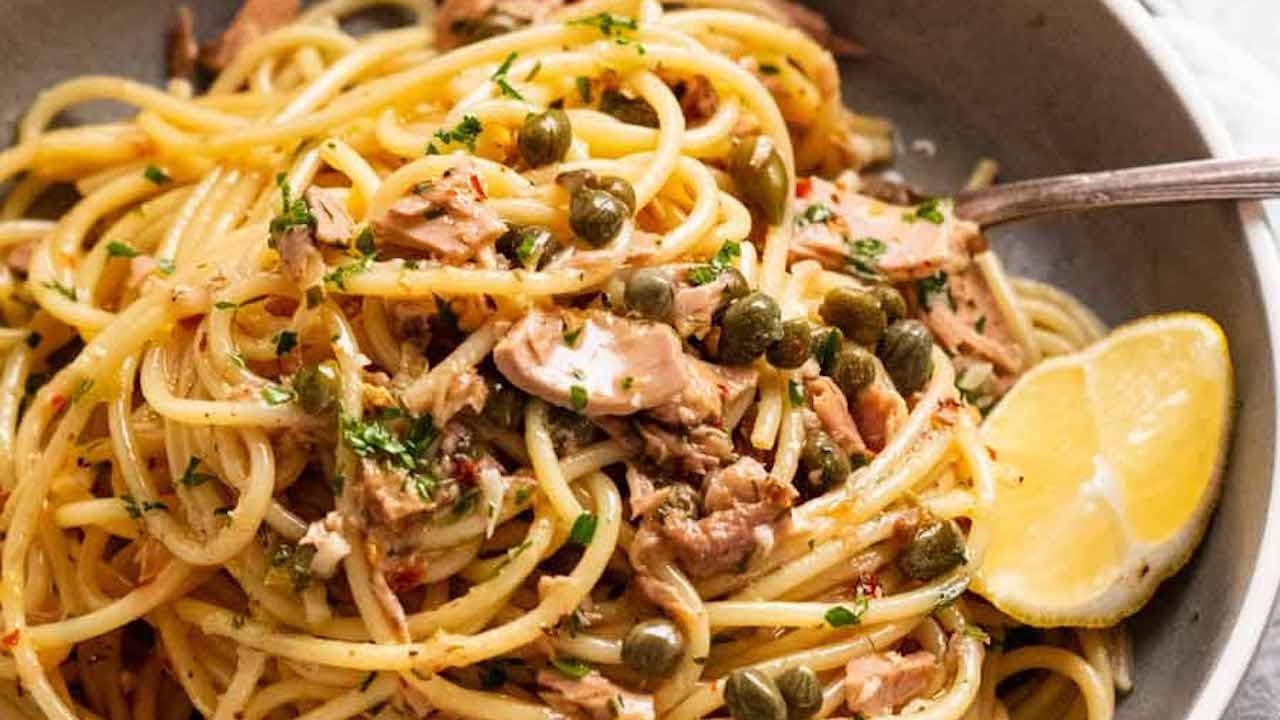
A tuna and noodles recipe is one of the most comforting, practical, and satisfying meals we can prepare with simple pantry ingredients. It combines tender noodles, flavorful tuna, creamy sauce, and a well-balanced seasoning blend to create a dish that feels hearty without being complicated. Whether we are preparing a quick family dinner, a budget-friendly meal, or a warm casserole-style dish for busy weeknights, tuna and noodles remains a reliable recipe that delivers rich flavor with very little stress.
This recipe is loved because it is flexible, affordable, and easy to customize. We can make it creamy, cheesy, baked, stovetop-style, lighter, richer, or packed with vegetables. The heart of the dish remains the same: soft noodles coated in a creamy sauce with flaky tuna and savory ingredients that bring everything together. With the right cooking method, tuna and noodles can taste fresh, balanced, and deeply satisfying rather than plain or heavy.
In this guide, we will prepare a complete homemade tuna and noodles recipe using easy ingredients and a clear step-by-step method. The result is a creamy, flavorful, and filling dish that can be served for lunch, dinner, potlucks, or meal prep.
Ingredients You’ll Need for Tuna and Noodles
To make the best tuna and noodles recipe, we need ingredients that create the right texture, creaminess, and flavor. These ingredients are easy to find and work together beautifully.
Main Ingredients
- 12 ounces egg noodles
- 2 cans tuna, drained
- 2 tablespoons butter
- 1 small onion, finely chopped
- 2 cloves garlic, minced
- 1 cup frozen peas
- 1 cup shredded cheddar cheese
- 1 cup milk
- 1 cup chicken broth
- 1 can cream of mushroom soup
- ½ cup sour cream
- ½ teaspoon salt
- ½ teaspoon black pepper
- ½ teaspoon paprika
- ½ teaspoon dried parsley
- ¼ teaspoon onion powder
- ¼ teaspoon garlic powder
Optional Topping Ingredients
- ½ cup breadcrumbs
- 2 tablespoons melted butter
- ¼ cup grated Parmesan cheese
- Extra shredded cheddar cheese for topping
These ingredients create a creamy, savory tuna noodle dish with a soft interior and, if baked, a lightly crisp topping. The egg noodles absorb the sauce well, the tuna adds protein and flavor, the peas bring color and freshness, and the cheese adds richness.
Best Noodles to Use for Tuna and Noodles
The best noodles for a classic tuna and noodles recipe are egg noodles because they are tender, slightly rich, and hold creamy sauces very well. Wide egg noodles are especially useful because they create a soft, comforting texture in every bite. However, we can also use elbow macaroni, rotini, penne, bowtie pasta, or shells.
When choosing noodles, we should avoid overcooking them. Since the noodles may continue softening after they are mixed with the hot sauce or baked in the oven, we should cook them until they are just al dente. This keeps the final dish from becoming mushy.
Best Tuna to Use for Tuna and Noodles
For this recipe, canned tuna works perfectly. We can use tuna packed in water for a lighter taste or tuna packed in oil for a richer flavor. Both options work well, but the tuna should be properly drained before adding it to the noodles.
Chunk light tuna gives a softer, more blended texture, while solid white albacore tuna gives larger flakes and a firmer bite. For a creamy noodle dish, either option can be used depending on the texture we prefer.
Step-by-Step Guide to Make Tuna and Noodles
Step 1: Cook the Noodles
We begin by bringing a large pot of salted water to a boil. Once the water is boiling, we add the egg noodles and cook them according to the package directions until they are al dente. This usually takes about 6 to 8 minutes, depending on the type and thickness of the noodles.
After cooking, we drain the noodles and set them aside. We should not rinse the noodles because the starch on the surface helps the creamy sauce cling better.
Step 2: Prepare the Creamy Base
In a large skillet or saucepan, we melt the butter over medium heat. Once the butter has melted, we add the finely chopped onion and cook it until it becomes soft and fragrant. This usually takes about 3 to 4 minutes.
Next, we add the minced garlic and cook for about 30 seconds. Garlic burns quickly, so we only need to cook it until it releases its aroma. This step builds the first layer of flavor for the tuna and noodles.
Step 3: Add the Soup, Milk, and Broth
After the onion and garlic are cooked, we add the cream of mushroom soup, milk, and chicken broth. We stir everything together until the sauce becomes smooth and well combined.
The cream of mushroom soup gives the recipe a classic creamy texture, while the milk lightens the sauce and the chicken broth adds savory depth. We keep the heat at medium and allow the sauce to warm gently.
Step 4: Season the Sauce
Once the sauce is smooth, we add salt, black pepper, paprika, dried parsley, onion powder, and garlic powder. These seasonings help the dish taste balanced and flavorful.
Paprika adds mild warmth and color, parsley gives a subtle herbal note, and the onion and garlic powders strengthen the savory taste. We stir well so the seasoning spreads evenly throughout the sauce.
Step 5: Add the Tuna and Peas
Next, we gently fold in the drained tuna and frozen peas. We should break the tuna into medium flakes rather than mashing it completely. This allows the tuna to remain noticeable in the dish without overpowering the noodles.
The peas do not need to be cooked separately. They will heat through in the sauce and add a soft, sweet contrast to the creamy base.
Step 6: Add the Cheese and Sour Cream
We reduce the heat slightly and add the shredded cheddar cheese. We stir until the cheese melts into the sauce. Then we add the sour cream and mix until the sauce becomes creamy and smooth.
Sour cream adds richness and a mild tang that prevents the dish from tasting too heavy. It also helps create a silky texture that coats the noodles nicely.
Step 7: Combine the Noodles with the Sauce
Now we add the cooked noodles to the creamy tuna sauce. We gently toss everything together until the noodles are evenly coated. At this stage, the dish can be served as a stovetop tuna and noodles recipe, or we can transfer it to a baking dish for a casserole-style finish.
If the sauce feels too thick, we can add a splash of milk or broth to loosen it. If it feels too thin, we can let it sit for a few minutes because the noodles will continue absorbing the sauce.
How to Make Baked Tuna and Noodles
For a baked version, we preheat the oven to 375°F. We transfer the creamy tuna and noodle mixture into a greased baking dish. Then we sprinkle extra cheddar cheese over the top.
In a small bowl, we mix breadcrumbs with melted butter and Parmesan cheese. We sprinkle this mixture over the noodles to create a golden, crisp topping. The dish is then baked for about 20 to 25 minutes, or until the top is lightly golden and the sauce is bubbling around the edges.
Baking gives the recipe a classic casserole texture with a creamy center and a lightly crisp top. It is perfect when we want a more traditional tuna noodle casserole feel.
Stovetop Tuna and Noodles Option
If we want a faster version, we can serve the dish directly from the stovetop. This method is quicker and keeps the noodles extra creamy. After combining the noodles with the sauce, we let everything warm together for 2 to 3 minutes, then serve immediately.
The stovetop version is ideal for busy evenings because it requires no baking and can be ready in about 25 minutes.
Tips for the Best Tuna and Noodles Recipe
To make this tuna and noodles recipe taste its best, we should pay attention to texture and seasoning. The noodles should not be overcooked, the tuna should be drained well, and the sauce should be creamy but not watery.
For a richer flavor, we can use whole milk instead of low-fat milk. For a lighter version, we can use reduced-fat sour cream and less cheese. For extra flavor, we can add mushrooms, celery, carrots, sweet corn, spinach, or bell peppers.
We should also taste the sauce before adding the noodles. Since canned soup, tuna, cheese, and broth can already contain salt, it is best to season gradually.
Tuna and Noodles Variations
Cheesy Tuna and Noodles
For a cheesier dish, we can increase the cheddar cheese to 1½ or 2 cups. Mozzarella, Monterey Jack, Colby, or a sharp cheddar blend can also be used.
Spicy Tuna and Noodles
For a spicy version, we can add red pepper flakes, cayenne pepper, diced jalapeños, or a splash of hot sauce. This gives the creamy noodles a stronger flavor and a gentle kick.
Vegetable Tuna and Noodles
For a more colorful and nutritious dish, we can add broccoli, carrots, mushrooms, spinach, or corn. Vegetables make the recipe more filling and add fresh flavor.
Creamy Garlic Tuna and Noodles
For stronger garlic flavor, we can increase the garlic to 3 or 4 cloves and add a little Parmesan cheese to the sauce. This variation works well for anyone who enjoys bold savory flavor.
Old-Fashioned Tuna Noodle Casserole
For a classic casserole style, we can use egg noodles, tuna, cream of mushroom soup, peas, cheddar cheese, and a breadcrumb topping. This version is simple, nostalgic, and perfect for family dinners.
What to Serve with Tuna and Noodles
Tuna and noodles can be served on its own because it already includes pasta, protein, sauce, and vegetables. However, it also pairs well with simple side dishes.
A fresh green salad helps balance the creaminess of the noodles. Garlic bread adds a crisp and buttery side. Steamed broccoli, roasted carrots, or sautéed green beans also work beautifully. For a lighter meal, we can serve smaller portions with sliced cucumbers, tomatoes, or coleslaw.
How to Store Tuna and Noodles
Leftover tuna and noodles should be allowed to cool before being transferred to an airtight container. It can be stored in the refrigerator for up to 3 days. When reheating, we should add a small splash of milk or broth because the noodles will absorb some of the sauce as they sit.
The dish can be reheated in the microwave or on the stovetop over low heat. If reheating a baked casserole, we can cover it with foil and warm it in the oven until heated through.
Can Tuna and Noodles Be Frozen?
Yes, tuna and noodles can be frozen, although the texture may become slightly softer after thawing. For best results, we should freeze it before baking or freeze leftovers in a tightly sealed container.
To serve, we thaw it in the refrigerator overnight and reheat it gently. Adding a little milk or broth during reheating helps restore creaminess.
How to Make Tuna and Noodles Creamier
To make the dish extra creamy, we can add more sour cream, a little cream cheese, or extra shredded cheese. We can also use evaporated milk instead of regular milk for a richer sauce.
The key is to avoid high heat after adding dairy. Gentle heat keeps the sauce smooth and prevents it from separating.
Common Mistakes to Avoid
One common mistake is overcooking the noodles. Soft noodles can become mushy when mixed with sauce or baked. Another mistake is adding tuna without draining it properly, which can make the sauce watery.
We should also avoid using too much salt too early. Since tuna, soup, broth, and cheese may already contain sodium, seasoning should be adjusted carefully. Finally, we should not bake the casserole too long because the sauce can dry out.
FAQs about Tuna and Noodles Recipe
1. What is a tuna and noodles recipe?
A tuna and noodles recipe is a simple comfort food dish made with cooked noodles, canned tuna, creamy sauce, and seasonings. It is often baked as a casserole or cooked on the stovetop for a quick family meal.
2. What type of noodles work best?
Egg noodles are the most popular choice because they are soft, tender, and hold the creamy sauce well. However, pasta such as macaroni, penne, or fusilli can also be used.
3. Can I use fresh tuna instead of canned tuna?
Yes, fresh tuna can be used, but canned tuna is more common because it is affordable, convenient, and quick. If using fresh tuna, cook and flake it before adding it to the noodles.
4. How can I make tuna and noodles more flavorful?
You can add garlic powder, onion powder, black pepper, cheese, peas, mushrooms, or a little mustard. A crispy breadcrumb topping also gives the dish extra texture and flavor.
5. Can tuna and noodles be stored?
Yes. Store leftovers in an airtight container in the refrigerator for up to 3 days. Reheat gently on the stovetop or in the microwave, adding a splash of milk if the sauce becomes too thick.
Final Thoughts
This tuna and noodles recipe is creamy, filling, flavorful, and easy to prepare with basic kitchen ingredients. It is a dependable meal for busy nights, family dinners, meal prep, or simple comfort food cravings. With tender noodles, flaky tuna, creamy sauce, melted cheese, and optional golden topping, this dish delivers a classic homemade taste that never feels complicated.
Whether we serve it straight from the stovetop or bake it into a warm casserole, tuna and noodles remains a practical and delicious recipe that can be customized in many ways. It is simple enough for beginners, satisfying enough for the whole family, and flexible enough to fit different tastes.