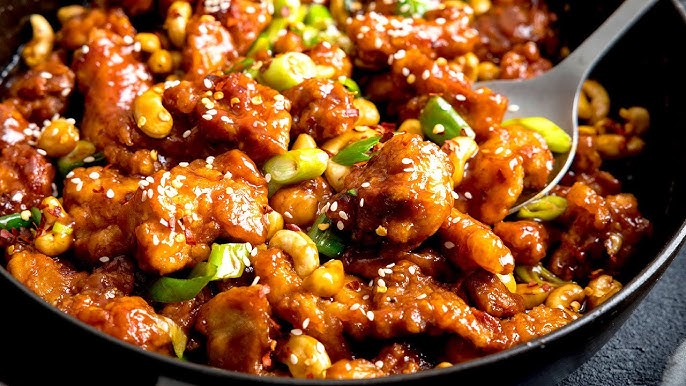
Sticky Chicken Recipe: Let’s talk about one of those irresistibly crave-worthy meals: Sticky Chicken. You know, the kind that’s juicy, caramelized to a glossy perfection, and loaded with a sweet-and-savory glaze that clings to every bite. Whether you’re cooking for a crowd, meal prepping for the week, or just in the mood for some feel-good food, this sticky chicken recipe hits all the right notes.
What makes sticky chicken so addictive? It’s that beautiful blend of flavors—the mix of soy sauce, garlic, honey (or brown sugar), and a touch of spice—that creates a sticky, finger-licking good coating. The chicken is tender on the inside, crispy on the outside, and every bite delivers a bold punch of flavor that’s just… wow.
In this step-by-step guide, I’ll walk you through how to make the ultimate sticky chicken, including tips, variations, and side dish ideas to complete the meal. Let’s get into it!
Ingredients Needed
To get that classic sticky chicken taste, you’ll need a handful of pantry staples and some fresh ingredients. Here’s everything you need to bring this dish to life:
Main Ingredients:
- Chicken: You can use thighs, drumsticks, wings, or even boneless chicken breasts. Skin-on pieces will get crispier.
- Soy Sauce: The base of the sauce, delivering deep umami flavor.
- Garlic: Fresh garlic cloves, minced or grated, add a punch.
- Ginger: Optional, but adds warmth and complexity.
- Brown Sugar or Honey: For that signature sticky sweetness.
- Rice Vinegar or Lemon Juice: Adds acidity to balance the sweetness.
- Chili Flakes or Hot Sauce: For a touch of heat.
Optional Add-ins for Extra Flavor:
- Sesame Oil: A few drops add a nutty aroma.
- Hoisin or Oyster Sauce: For deeper flavor complexity.
- Green Onions: Fresh and vibrant for garnish.
- Sesame Seeds: A sprinkle on top makes it pop.
Having everything prepped and ready before you start cooking will make the process smoother. Don’t skip the sugar or honey—it’s what creates that beautiful caramelized glaze.
Tools and Equipment Required
Sticky chicken doesn’t demand fancy gadgets, but a few good kitchen tools will make your life easier and the results tastier.
Essential Kitchen Tools:
- Sharp Knife and Cutting Board: For prepping your chicken and ingredients.
- Mixing Bowls: To marinate and mix the sauce.
- Whisk or Spoon: To blend your sauce evenly.
Recommended Cookware:
- Cast Iron Skillet or Non-Stick Pan: Ideal for getting that crispy exterior.
- Oven-safe Pan (if baking): For oven-roasted variations.
- Tongs: Makes flipping the chicken cleaner and easier.
A meat thermometer can also be handy if you’re unsure about doneness—chicken should reach 165°F (74°C) internally.
Step-by-Step Preparation Instructions
Step 1 – Prepping the Chicken
Start by choosing your cut of chicken. Thighs and drumsticks are most flavorful and stay juicy, but breasts work if you prefer lean meat. Rinse (if desired), pat dry thoroughly with paper towels, and trim any excess fat or skin.
If you’re using boneless pieces, cut them into uniform sizes so they cook evenly. For bone-in cuts, make a few slits in the meat—this helps the marinade penetrate deeper.
Season lightly with salt and pepper. Don’t overdo it—your sauce will be salty from the soy sauce.
Step 2 – Making the Sticky Sauce
This is where the magic happens. Combine the following in a bowl:
- ½ cup soy sauce
- ¼ cup honey or brown sugar
- 2 tablespoons rice vinegar or lemon juice
- 3 cloves garlic (minced)
- 1 teaspoon grated ginger (optional)
- Chili flakes or hot sauce to taste
Whisk until smooth. Taste and adjust—want it spicier? Add more chili. Need it sweeter? A dash more honey. This sauce will reduce and thicken as it cooks, creating that signature sticky texture.
Step 3 – Marinating the Chicken
Pour half of your sauce over the chicken in a bowl or zip-lock bag. Marinate for at least 30 minutes, though an hour or overnight is even better. The longer it sits, the deeper the flavor.
If you’re short on time, even 15 minutes will do in a pinch—just make sure the chicken is well-coated.
Place the remaining sauce in the fridge to use during cooking. Never reuse marinade that’s touched raw chicken unless you boil it first.
Step 4 – Cooking the Chicken to Perfection
Time to cook! You can pan-fry, bake, grill, or air-fry. Here’s a simple stovetop method:
- Heat a tablespoon of oil in a skillet over medium-high heat.
- Place chicken pieces skin-side down and sear until golden brown, about 3-4 minutes.
- Flip and cook the other side. Cover the pan and cook for another 10-12 minutes, turning occasionally.
Once nearly cooked, pour in the reserved sauce. Let it bubble and reduce. As it thickens, it’ll coat the chicken in that beautiful sticky glaze. Don’t walk away—keep tossing the chicken so it doesn’t burn.
If baking, place marinated chicken in a foil-lined pan and roast at 400°F (200°C) for 25–35 minutes, basting occasionally with sauce.
Step 5 – Garnishing and Serving
Once the sauce is sticky and the chicken is cooked through, it’s ready to plate!
- Sprinkle sesame seeds on top.
- Add chopped green onions or cilantro.
- Serve over steamed rice, noodles, or a crunchy slaw.
Let the chicken rest for a few minutes before serving—it helps the juices settle and makes every bite even better.
Pro Tips for the Perfect Sticky Chicken
Making sticky chicken might seem straightforward, but a few expert tips can elevate your dish from good to unforgettable.
1. Don’t Rush the Marinade
Let your chicken marinate for at least 30 minutes. Ideally, give it a few hours or even overnight in the fridge. This step infuses the meat with flavor and helps tenderize it. If you’re in a time crunch, pierce the chicken with a fork before marinating to help the sauce penetrate quicker.
2. Use the Right Pan
For stovetop cooking, a cast iron skillet or heavy-bottomed pan is perfect. It holds heat well and helps caramelize the sugars in the sauce. Non-stick pans can work, too, but may not give you the same level of browning.
3. Keep an Eye on the Sauce
Sticky sauces can go from golden perfection to burnt in seconds. Once you add the sauce to the pan, stir constantly and watch for that glossy, thick consistency. If it’s reducing too fast, lower the heat. If it’s not thickening, let it simmer a bit longer.
4. Balance the Flavors
The beauty of sticky chicken lies in the balance—salty, sweet, tangy, and spicy. If the sauce tastes too salty, add more sugar or a splash of water. Too sweet? A bit more vinegar or citrus juice will cut through the sweetness.
5. Rest Before Serving
After cooking, give your chicken 5-10 minutes to rest. This keeps it juicy and ensures that the flavors are fully absorbed. It also helps the sauce cling better.
With these tips in mind, your sticky chicken will be consistently mouthwatering, every time.
Variations of Sticky Chicken
One of the best things about sticky chicken is how versatile it is. You can switch up the ingredients or cooking methods to suit your taste or dietary preferences. Here are some killer variations to try:
Baked Sticky Chicken
Don’t want to deal with stovetop splatter? Baking is a fantastic alternative. Preheat your oven to 400°F (200°C). Line a baking tray with foil or parchment paper, arrange the marinated chicken, and bake for 25–35 minutes, depending on the cut. Baste with extra sauce every 10 minutes for extra flavor and stickiness.
Air-Fried Sticky Chicken
Looking for a healthier version? Pop your marinated chicken into an air fryer. Cook at 375°F (190°C) for about 15–18 minutes, shaking halfway through. Once done, toss with heated sauce in a pan or bowl to coat evenly. You get crispy, juicy chicken with a fraction of the oil.
Sticky Chicken Wings
Sticky sauce on chicken wings? Absolute heaven. Follow the same steps but use wings instead of thighs or breasts. Bake or air fry until crispy, then coat with the thickened sauce. These are perfect for game nights or parties and pair amazingly well with a cold drink and some ranch or blue cheese dressing.
Asian-Inspired Variations
Mix up the sauce by adding hoisin, fish sauce, or a splash of sake for an East Asian twist. Want it Thai-style? Use palm sugar, lime juice, and fish sauce. Korean flair? Toss in gochujang and sesame oil.
The options are endless, and you can tweak based on what you have in your pantry or what you’re craving.
Best Side Dishes to Serve With Sticky Chicken
Sticky chicken is rich and flavorful, so pairing it with the right sides will balance your meal and enhance the experience. Here are some top choices:
1. Steamed White or Jasmine Rice
This is a no-brainer. The fluffy, neutral flavor of steamed rice perfectly soaks up that sticky sauce. You can also try coconut rice or fried rice for more flair.
2. Stir-Fried Vegetables
Quickly stir-fry some bell peppers, broccoli, snap peas, and carrots in sesame oil with garlic and soy sauce. The crunch and freshness cut through the richness of the chicken.
3. Asian Slaw
A crisp cabbage slaw with a tangy sesame-ginger dressing adds a refreshing contrast. You can also add some shredded carrots, radishes, and green onions.
4. Noodles
Serve sticky chicken over lo mein, rice noodles, or even soba noodles for a slurp-worthy combo. Add veggies or peanuts for texture.
5. Pickled Vegetables
A small serving of quick-pickled cucumbers or daikon radish can help cleanse the palate and add acidity to your plate.
Pairing the right sides transforms your sticky chicken into a complete, satisfying meal. Keep it light and let the star of the show—your sticky, flavorful chicken—shine through.
Storage and Reheating Tips
Got leftovers? Sticky chicken stores well and tastes even better the next day as the flavors deepen. Here’s how to store and reheat without losing that signature texture.
Storage:
- Refrigerator: Store cooked chicken in an airtight container in the fridge for up to 4 days.
- Freezer: Let the chicken cool completely, then wrap tightly in foil or plastic wrap and place in a freezer bag. It can stay frozen for up to 3 months. Store sauce separately if you have extra.
Reheating:
- Microwave: Place chicken in a microwave-safe dish, cover loosely with a lid or wrap, and heat on medium for 1–2 minutes. Add a splash of water or sauce to keep it moist.
- Stovetop: Reheat in a covered skillet over low heat with a spoonful of sauce to refresh the glaze.
- Oven: Preheat to 350°F (175°C), cover chicken with foil, and bake for 10–15 minutes until heated through.
Avoid high heat, which can dry out the meat or burn the sauce. With proper storage and gentle reheating, your sticky chicken will be just as tasty the next time around.
FAQs about Sticky Chicken Recipe
1. How long should you marinate sticky chicken?
Ideally, marinate your sticky chicken for at least 1 hour, but if you’re pressed for time, 30 minutes will do. For best results, let it sit overnight in the fridge to really soak up the flavors.
2. Can you make sticky chicken in advance?
Absolutely. You can marinate the chicken a day in advance and cook it when you’re ready. Cooked sticky chicken also stores well in the fridge for up to 4 days and can be reheated with a splash of sauce.
3. What’s the best cut of chicken for this recipe?
Chicken thighs and drumsticks are top choices for their juiciness and flavor, especially with bone-in and skin-on pieces. However, boneless chicken breasts or wings also work great depending on your preference.
4. Can sticky chicken be frozen?
Yes! Freeze the cooked chicken in an airtight container for up to 3 months. Reheat gently in the oven or on the stove with a bit of extra sauce to restore the texture and flavor.
5. What’s the difference between sticky chicken and teriyaki chicken?
Sticky chicken often uses brown sugar or honey, soy sauce, and vinegar, and can vary in spice levels. Teriyaki sauce typically includes mirin and sake for a sweeter, more subtle flavor with a Japanese twist.
Conclusion
Sticky chicken is one of those dishes that feels like a culinary hug. It’s sweet, salty, savory, with just the right touch of heat—and when it’s made right, it’s downright irresistible. The sticky glaze clinging to juicy chicken creates a flavor bomb that’s hard to beat. Best of all, it’s a flexible recipe you can adapt to whatever you have on hand, whether you’re craving baked, pan-fried, or air-fried versions.
Following this step-by-step guide ensures your sticky chicken is mouthwatering every time. From marinating for maximum flavor to getting the sauce just right and serving it with perfectly paired sides, this is a recipe you’ll want to keep in your regular rotation. Whether you’re feeding a crowd, meal prepping, or just treating yourself to a flavor-packed dinner, sticky chicken delivers.
So next time you’re unsure what to make for dinner, remember: a few pantry staples, a hot pan, and some patience are all you need to whip up something unforgettable.