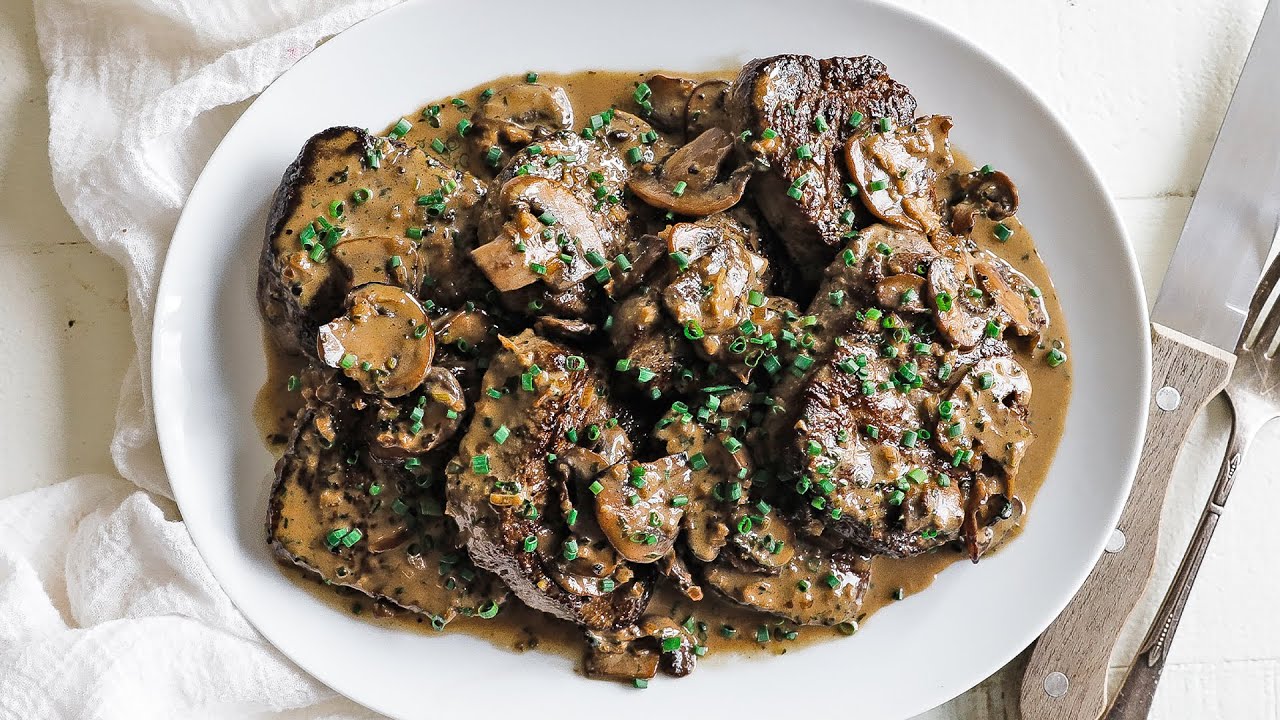
Steak Diane Recipe: Steak Diane is a legendary dish that has graced the menus of high-end restaurants and home kitchens alike. Known for its rich, creamy sauce and tender steak, it’s a dinner that screams elegance with every bite. It’s the kind of meal that makes you feel like you’re dining in a 1960s New York steakhouse, with dim lighting, jazz playing in the background, and a flamboyant tableside presentation.
Originally believed to have been named after the Roman goddess Diana, this recipe became wildly popular in mid-20th century America. Chefs would flambé it tableside for a bit of showbiz, which definitely contributed to its charm. While the theatrics are optional today, the flavor is not. A well-made Steak Diane brings a blend of buttery richness, tangy mustard, savory beef, and a whisper of brandy to your plate — pure indulgence.
In this guide, we’re breaking down how to make this retro favorite in your own kitchen. Whether you’re planning a romantic dinner or simply want to cook something extraordinary, Steak Diane is a recipe worth mastering.
Ingredients Needed for Steak Diane
Before we get started, let’s gather everything you need. The beauty of Steak Diane lies in the simplicity of the ingredients — each one plays a crucial role in building up those signature flavors.
Main Ingredients
- 2 beef tenderloin steaks (filet mignon), about 1-inch thick
- 2 tablespoons unsalted butter
- 1 tablespoon olive oil
- 2 tablespoons finely chopped shallots
- 1 garlic clove, minced
- 1 teaspoon Dijon mustard
- 1 tablespoon Worcestershire sauce
- ¼ cup brandy or cognac (for flambéing)
- ½ cup heavy cream
- Salt and freshly ground black pepper to taste
- Fresh parsley, chopped (for garnish)
Optional Garnishes and Sides
- Sautéed mushrooms
- Steamed or roasted asparagus
- Creamy mashed potatoes or buttered rice
- Crusty French bread
You don’t need fancy ingredients — just a few pantry staples and quality beef. Always choose fresh herbs and high-quality cream for the best flavor payoff.
Choosing the Right Cut of Steak
Recommended Cuts
The go-to choice for Steak Diane is beef tenderloin — better known as filet mignon. Why? It’s incredibly tender, cooks quickly, and pairs beautifully with a delicate, creamy sauce. However, if you’re on a budget or prefer a different texture, sirloin or New York strip can also work.
Filet mignon might be a bit pricier, but for special occasions or date nights, it’s totally worth the splurge. You want the kind of cut that melts in your mouth — no chewing gym here.
How to Properly Prepare the Steak
Before you even think about turning on the stove, take the steaks out of the fridge and let them rest at room temperature for at least 20-30 minutes. This ensures even cooking and a beautiful sear. Pat them dry with paper towels — moisture is the enemy of a good crust.
Season generously with salt and pepper. Don’t be shy here. The seasoning not only enhances the steak but also builds the base flavor for the sauce.
Step-by-Step Instructions for Cooking Steak Diane
Step 1: Preparing the Ingredients
Start by chopping your shallots and garlic finely. Measure out your Dijon, Worcestershire, and cream. Having a mise en place (everything in its place) will make this dish stress-free and enjoyable to cook.
Step 2: Searing the Steak
Heat a large skillet over medium-high heat. Add olive oil and 1 tablespoon of butter. Once it’s hot and foaming, gently lay the steaks in the pan. Don’t crowd them — give each piece room to sear.
Cook for about 2-3 minutes per side for medium-rare, depending on thickness. You want a deep golden-brown crust. Once done, transfer them to a plate and tent with foil to keep warm.
Step 3: Creating the Sauce
In the same skillet (don’t clean it — that’s flavor!), lower the heat to medium. Add the remaining tablespoon of butter. Toss in the chopped shallots and garlic. Cook for about 1-2 minutes until fragrant but not browned.
Stir in the Dijon mustard and Worcestershire sauce. Cook for another minute to blend the flavors.
Step 4: Flambéing for Flavor
Here comes the fun part — flambé! Carefully add the brandy to the skillet. Tilt the pan slightly toward the flame (or use a long lighter if you’re on electric) to ignite the alcohol. The flames will flare up briefly and then subside.
This step burns off the harsh alcohol taste and adds a deep, smoky flavor to the sauce. If you’re not comfortable with flambéing, just let the brandy simmer for 1-2 minutes to reduce slightly.
Step 5: Finishing Touches and Plating
Pour in the cream and let the sauce simmer gently until slightly thickened — about 2-3 minutes. Return the steaks to the pan, spooning the sauce over them to reheat.
Plate your steak, drizzle generously with sauce, and top with chopped parsley. Add your favorite sides, pour a glass of red wine, and enjoy the masterpiece you’ve just created.
Tips for the Perfect Steak Diane
Cooking Techniques
Mastering Steak Diane is all about timing and precision. First off, don’t rush the sear. You want your steak to form a nice brown crust, which only happens when it’s given time to sit undisturbed in a hot pan. That crust not only looks great but also locks in the juices and enhances the flavor.
Use a heavy-bottomed skillet—preferably cast iron—for even heat distribution. Avoid overcrowding the pan, especially if you’re cooking more than two steaks. Cook in batches if needed; otherwise, you risk steaming the meat instead of searing it.
Let’s talk about the sauce: be gentle. You want it to reduce and thicken, not boil aggressively. Keep the heat medium to low once the cream is added, or you’ll end up with a curdled mess. A gentle simmer gives you that velvety texture and lets the flavors develop.
Lastly, give your steak a rest. After searing, always let it sit under foil for at least 5 minutes. This resting period allows the juices to redistribute throughout the meat, so every bite is juicy and flavorful.
Common Mistakes to Avoid
- Using cold steak straight from the fridge – This leads to uneven cooking. Let it come to room temperature.
- Skipping the flambé – While optional, it adds a smoky depth that’s hard to replicate otherwise.
- Overcooking the steak – Remember, the steak will cook slightly more when returned to the pan with the sauce. Aim for rare to medium-rare during the initial sear.
- Too much sauce – A good Diane sauce complements the steak, not drowns it. Keep the balance.
- Cheap cuts of meat – Steak Diane deserves a tender, high-quality cut. Going for a tough cut defeats the elegance of the dish.
Avoiding these pitfalls ensures you end up with a restaurant-worthy dish right at home.
Variations of Steak Diane
Modern Twists
While the original recipe is divine, it doesn’t hurt to play around with modern interpretations. Some chefs replace brandy with bourbon or whiskey for a deeper, smokier profile. Others use shallots and garlic confit instead of fresh to mellow the flavor and add a layer of sophistication.
You could also experiment with spices—adding a pinch of smoked paprika or a dash of truffle oil can elevate the dish into gourmet territory. If you love mushrooms, try adding cremini or portobello slices to the sauce for an earthy depth.
Another variation includes swapping cream for crème fraîche, which gives a slight tang and creaminess that complements the mustard beautifully. Even the Worcestershire sauce can be switched with soy sauce for a slightly umami-forward twist.
Vegetarians? Believe it or not, you can even adapt this dish using thick portobello mushrooms or tofu steaks and still enjoy a similar indulgent flavor.
Healthier Alternatives
Watching your diet but still want the magic of Steak Diane? Here’s how:
- Use a leaner cut like sirloin tip or flank steak.
- Swap heavy cream with low-fat Greek yogurt or a plant-based cream alternative.
- Reduce butter and increase olive oil.
- Skip the flambé and use a touch of liquid smoke or smoked paprika for that rich flavor.
- Serve with cauliflower mash or roasted vegetables instead of high-carb sides.
These tweaks let you indulge guilt-free, keeping the dish lighter while preserving its soul.
Storing and Reheating Leftovers
Storage Tips
If you find yourself with leftovers (though we doubt you will), proper storage is key to preserving the flavor. Store your Steak Diane in an airtight container in the refrigerator within two hours of cooking. Separate the steak and sauce if possible; this helps retain texture and prevents the steak from getting soggy.
Label the container with the date—leftovers should be eaten within 3 days for best taste and safety. You can also freeze the sauce separately in small batches for future use. It comes in handy for jazzing up grilled meats or even pasta dishes.
Best Reheating Methods
Reheating Steak Diane needs a delicate touch. Avoid the microwave if possible—it tends to overcook the steak and separate the sauce.
Instead, reheat gently in a skillet over low heat. Add a splash of cream or beef stock to the sauce if it has thickened too much. Place the steak in the pan and warm through slowly, basting with sauce occasionally. This keeps everything tender and flavorful.
If you must use a microwave, do so on a low-power setting and in short bursts, checking frequently. Cover the steak with a damp paper towel to retain moisture and heat the sauce separately.
Nutritional Information
Calorie Breakdown
Let’s face it, Steak Diane is no light salad. It’s rich, creamy, and indulgent—but sometimes, that’s exactly what you need. A typical serving clocks in around 550–700 calories, depending on your portion size and whether you add sides like mashed potatoes or bread.
- Steak (filet mignon, 6 oz): ~320 calories
- Cream-based Diane sauce: ~180–250 calories
- Butter and oil: ~100–150 calories
- Extras (parsley, garlic, mustard): ~30–50 calories
This makes it more of a “treat yourself” meal than a daily dinner. But when you need something fancy, this dish delivers.
Protein, Fats, and Carbs
- Protein: ~40–50g per serving
- Fat: ~30–40g (mostly from cream and butter)
- Carbohydrates: ~5–10g (mainly from shallots, mustard, and Worcestershire sauce)
Want to trim the fat? Reduce the butter, use light cream or milk, and serve with roasted veggies. For those following keto or low-carb diets, Steak Diane fits well into your meal plan—with just a few tweaks, it can be a perfect high-protein, low-carb dish.
Pairing Drinks with Steak Diane
Wine Pairings
A rich dish like Steak Diane deserves a drink that can stand up to its bold flavors. Wine is the classic choice, and a full-bodied red complements the creamy, savory sauce like a dream. Here are some top wine pairings:
- Cabernet Sauvignon – Bold, tannic, and layered with dark fruit flavors, this wine balances the richness of the dish perfectly.
- Merlot – A bit softer and more approachable, Merlot works beautifully with the cream and mustard in the sauce.
- Syrah/Shiraz – With peppery notes and a smoky undertone, Syrah adds a bold contrast to the tender steak.
- Pinot Noir – For those who prefer a lighter red, Pinot Noir offers a fruity, earthy touch that complements without overpowering.
If white wine is more your style, go for a Chardonnay with some oak aging — it’ll have the body and richness to match the cream sauce.
Non-Alcoholic Options
Not a drinker? No problem! You can still enjoy great pairings that highlight the flavors of Steak Diane:
- Sparkling grape juice – Adds sophistication and balances the richness.
- Unsweetened iced tea with lemon – The citrus cuts through the cream and cleanses your palate.
- Cranberry or pomegranate juice – Their tartness offers a nice contrast to the buttery sauce.
- Ginger ale or ginger beer – Adds a zesty kick and refreshes the palate between bites.
Whether it’s wine or a well-paired mocktail, a thoughtful beverage enhances the whole experience.
FAQs about Steak Diane Recipe
1. Can I make Steak Diane without alcohol?
Absolutely. While the brandy adds a deep flavor and dramatic flambé effect, you can skip it entirely. Simply use beef broth or a splash of balsamic vinegar as a substitute to keep the flavor balanced.
2. What side dishes go best with Steak Diane?
Creamy mashed potatoes, roasted asparagus, steamed green beans, or even buttered noodles are excellent choices. The key is choosing sides that don’t overpower the dish but rather soak up that delicious sauce.
3. Can I use a different protein instead of beef?
Yes! Chicken breasts, pork tenderloin, or even mushrooms for a vegetarian version work well. The Diane sauce is incredibly versatile, so feel free to get creative with your protein choice.
4. How do I store and reheat leftovers?
Store leftovers in an airtight container in the fridge for up to 3 days. Reheat in a skillet over low heat with a splash of cream or broth to keep the sauce smooth and prevent the steak from drying out.
5. Is Steak Diane gluten-free?
Yes, if you ensure that your Worcestershire sauce and mustard are gluten-free (check labels), the dish itself is naturally free of gluten. Always verify each ingredient to avoid hidden gluten.
Conclusion
Steak Diane is a timeless classic — a dish that brings together rich, savory flavors and a bit of retro elegance in every bite. With its tender steak, creamy brandy-mustard sauce, and dramatic flair, it’s the kind of meal that turns an ordinary dinner into something special.
You don’t need to be a master chef to pull it off, either. With the step-by-step guide above, you can confidently recreate this restaurant-worthy dish in your own kitchen. Whether it’s a romantic dinner, an impressive weekend meal, or just a culinary adventure, Steak Diane is guaranteed to impress.
So fire up that skillet, pour yourself a glass of red, and get cooking. Once you take that first bite, you’ll know — this is more than a meal. It’s an experience.