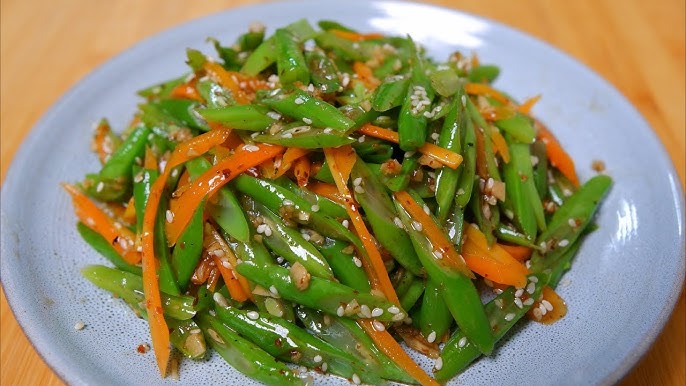
A well-prepared steamed green beans recipe is one of the simplest, healthiest, and most reliable side dishes we can make at home. Green beans are naturally crisp, fresh, slightly sweet, and full of bright garden flavor. When steamed correctly, they keep their beautiful green color, tender-crisp texture, and clean taste without becoming soft, dull, or watery.
This step-by-step steamed green beans recipe is perfect for everyday meals, family dinners, healthy meal prep, holiday plates, and quick weeknight cooking. We do not need complicated ingredients or advanced cooking skills. With fresh green beans, a little seasoning, and the right steaming time, we can create a side dish that tastes fresh, looks appealing, and pairs beautifully with chicken, beef, fish, rice, pasta, potatoes, or roasted vegetables.
Steaming is one of the best ways to cook green beans because it uses gentle heat. Instead of boiling the beans directly in water, we cook them with steam so they stay firm, flavorful, and nutrient-rich. The result is a clean, fresh vegetable side dish that can be served plain, seasoned with butter, tossed with olive oil, finished with garlic, or brightened with lemon juice.
Ingredients You’ll Need for Steamed Green Beans
To make the best steamed green beans recipe, we need simple ingredients that enhance the natural flavor of the beans without overpowering them.
Main Ingredients
- 1 pound fresh green beans, washed and trimmed
- 1 to 2 tablespoons butter or olive oil
- ½ teaspoon salt, or to taste
- ¼ teaspoon black pepper, freshly ground if possible
- 1 tablespoon lemon juice, optional but recommended
- 1 garlic clove, minced or finely grated, optional
- 1 tablespoon fresh parsley, chopped, optional
Optional Flavor Additions
- Lemon zest for a brighter flavor
- Red pepper flakes for mild heat
- Toasted almonds for crunch
- Parmesan cheese for a savory finish
- Sesame seeds for a nutty taste
- Soy sauce for an Asian-inspired version
- Honey butter for a slightly sweet finish
How to Choose the Best Green Beans
For the best steamed green beans, we should choose beans that are fresh, firm, and bright green. Fresh green beans should snap easily when bent. They should not look wrinkled, limp, overly dry, or spotted. Thin to medium green beans usually steam faster and have a more delicate texture, while thicker green beans may need a little extra cooking time.
When buying green beans, we should look for pods that feel smooth and crisp. Avoid beans with brown marks, soft ends, or a rubbery texture. Fresh green beans give us the best color, taste, and texture, especially when steaming is the main cooking method.
How to Prepare Green Beans Before Steaming
Before steaming, we need to clean and trim the green beans properly. Place the beans in a colander and rinse them under cool running water. Rub gently with your hands to remove dirt or residue. After washing, drain them well and pat them dry with a clean kitchen towel.
Next, trim the stem ends. We can do this by lining up a handful of beans on a cutting board and slicing off the tough ends with a sharp knife. The pointed tips are usually tender, but they can also be trimmed if preferred. Keeping the beans similar in size helps them steam evenly.
Step-by-Step Guide to Making Steamed Green Beans
Step 1: Prepare the Steaming Pot
Fill a medium pot with about 1 to 2 inches of water. The water should not touch the bottom of the steamer basket. Place a steamer basket inside the pot and make sure it sits securely above the water level.
Bring the water to a gentle boil over medium-high heat. Once steam begins to rise, the pot is ready for the green beans.
Step 2: Add the Green Beans
Place the trimmed green beans into the steamer basket in an even layer. Avoid packing the basket too tightly. If the beans are crowded, steam may not circulate evenly, and some beans may cook faster than others.
Cover the pot with a tight-fitting lid. A good lid is important because it traps the steam and helps the beans cook properly.
Step 3: Steam Until Tender-Crisp
Steam the green beans for 4 to 7 minutes, depending on their thickness and your preferred texture.
For crisp-tender beans, steam for about 4 to 5 minutes. For softer beans, steam for 6 to 7 minutes. The beans should turn bright green and become tender enough to bite while still holding their shape.
Do not overcook the green beans. Oversteamed beans can become dull in color, soft in texture, and less flavorful.
Step 4: Check for Doneness
Use kitchen tongs to remove one green bean and taste it carefully. It should be tender but still slightly crisp. If it feels too firm, cover the pot and steam for another minute.
The perfect steamed green beans should have a fresh snap, a vibrant green color, and a clean vegetable flavor.
Step 5: Season the Green Beans
Transfer the steamed green beans to a serving bowl. While they are still hot, add butter or olive oil, salt, black pepper, and lemon juice. Toss gently until the beans are evenly coated.
For extra flavor, add minced garlic, lemon zest, chopped parsley, or grated Parmesan cheese. The heat from the beans will soften the garlic slightly and help the seasonings coat every piece.
Step 6: Serve Warm
Serve the steamed green beans immediately while they are hot and fresh. They work beautifully as a side dish for grilled chicken, roasted turkey, baked fish, steak, rice bowls, mashed potatoes, pasta dishes, or simple weeknight meals.
Best Seasoning Ideas for Steamed Green Beans
One of the best things about this steamed green beans recipe is how easy it is to customize. The basic version is delicious with butter, salt, and pepper, but we can adjust the flavor depending on the meal.
For a bright and fresh taste, add lemon juice and lemon zest. For a richer taste, toss the beans with butter and garlic. For a savory finish, sprinkle with Parmesan cheese. For a crunchy texture, top with toasted almonds or breadcrumbs.
If serving with Asian-inspired meals, toss the steamed green beans with soy sauce, sesame oil, garlic, and sesame seeds. For a spicy version, add red pepper flakes, chili oil, or a pinch of cayenne pepper.
How Long to Steam Green Beans
The steaming time depends on the size and thickness of the green beans.
Thin green beans usually take 3 to 5 minutes. Standard green beans take 5 to 7 minutes. Thicker green beans may need 7 to 9 minutes.
For the best texture, we should start checking early. It is easier to cook green beans for one extra minute than to fix overcooked beans. The ideal texture is tender-crisp, not mushy.
Tips for Perfect Steamed Green Beans
For the best results, always start with fresh green beans. Fresh beans steam better, taste sweeter, and hold their color beautifully. Keep the water at a steady simmer so enough steam is produced throughout cooking.
Do not let the pot boil dry. The water should remain below the steamer basket, but there must be enough water to create steam. Also, avoid opening the lid too often because steam escapes and slows down the cooking process.
Season the beans while they are still hot. Warm green beans absorb butter, oil, lemon juice, and seasonings better than cold beans. This gives the final dish a more balanced flavor.
How to Make Garlic Butter Steamed Green Beans
To make garlic butter steamed green beans, steam the green beans until tender-crisp. In a small pan, melt 2 tablespoons of butter over low heat. Add 1 minced garlic clove and cook for about 30 seconds until fragrant. Do not brown the garlic.
Pour the garlic butter over the steamed beans. Add salt, black pepper, and a squeeze of lemon juice. Toss gently and serve warm. This version is rich, aromatic, and perfect for dinner plates, holiday meals, or roasted meat dishes.
How to Make Lemon Olive Oil Steamed Green Beans
For a lighter version, use olive oil instead of butter. Steam the green beans, then toss them with 1 tablespoon olive oil, 1 tablespoon lemon juice, ½ teaspoon lemon zest, salt, and black pepper.
This version tastes clean, bright, and refreshing. It pairs especially well with grilled fish, baked chicken, rice dishes, and Mediterranean-style meals.
What to Serve with Steamed Green Beans
Steamed green beans are one of the most flexible side dishes because they pair well with many meals. We can serve them with roasted chicken, grilled salmon, baked turkey, steak, meatloaf, pork chops, rice, pasta, mashed potatoes, roasted sweet potatoes, or vegetable casseroles.
They also work well in healthy meal prep bowls. Add them to a plate with brown rice, grilled protein, boiled eggs, roasted vegetables, or a simple sauce for a balanced meal.
How to Store Steamed Green Beans
Store leftover steamed green beans in an airtight container in the refrigerator for up to 3 to 4 days. Let the beans cool before storing, but do not leave them at room temperature for too long.
For best results, keep the seasoning simple if preparing them ahead. Add delicate toppings like Parmesan cheese, toasted nuts, or fresh herbs just before serving.
How to Reheat Steamed Green Beans
To reheat steamed green beans, warm them in a skillet over medium heat with a small amount of butter or olive oil. Cook for 2 to 3 minutes, tossing gently until heated through.
We can also reheat them in the microwave for about 30 to 60 seconds, depending on the portion size. Avoid overheating because the beans may become too soft.
Can You Freeze Steamed Green Beans?
Yes, steamed green beans can be frozen, but the texture may become softer after thawing. For the best freezer results, slightly undercook the beans before freezing. Let them cool completely, then place them in a freezer-safe bag or container.
Freeze for up to 2 months. Reheat directly from frozen in a skillet or briefly in boiling water. For the freshest taste and texture, steamed green beans are best enjoyed soon after cooking.
Common Mistakes to Avoid
One common mistake is overcooking the green beans. Overcooked beans lose their bright color and crisp texture. Another mistake is using too much water. The beans should steam above the water, not sit inside it.
We should also avoid seasoning too late. Adding butter, oil, salt, and lemon while the beans are hot gives the best flavor. Using old or limp green beans can also affect the final result, so fresh beans are always preferred.
FAQs about Steamed Green Beans Recipe
1. How long should we steam green beans?
We should steam fresh green beans for about 5 to 7 minutes. This gives them a tender texture while keeping their bright green color and slight crunch. For softer green beans, we can steam them for 8 to 10 minutes.
2. Do we need to trim green beans before steaming?
Yes, we should trim the ends before steaming. The stem ends are usually tough, so removing them helps the green beans cook evenly and makes them easier to eat.
3. Can we steam frozen green beans?
Yes, we can steam frozen green beans without thawing them first. They usually take about 6 to 8 minutes to steam. However, frozen green beans may be softer than fresh ones after cooking.
4. What can we add to steamed green beans for flavor?
We can season steamed green beans with butter, olive oil, salt, black pepper, garlic, lemon juice, chili flakes, or grated Parmesan cheese. For a simple fresh taste, lemon juice and a little salt work very well.
5. How do we keep steamed green beans bright green?
To keep green beans bright green, we should avoid overcooking them. Steam them only until tender-crisp, then serve immediately. We can also place them briefly in cold water after steaming if we want to stop the cooking quickly.
Final Thoughts
This steamed green beans recipe is simple, fresh, healthy, and easy to prepare in just a few minutes. With the right steaming time and simple seasoning, we can turn fresh green beans into a flavorful side dish that works for everyday meals, special dinners, and healthy meal prep.
Whether finished with butter, olive oil, garlic, lemon, herbs, nuts, or Parmesan cheese, steamed green beans remain one of the easiest vegetable recipes to master. The key is to keep them bright, tender-crisp, and lightly seasoned so their natural flavor shines through.