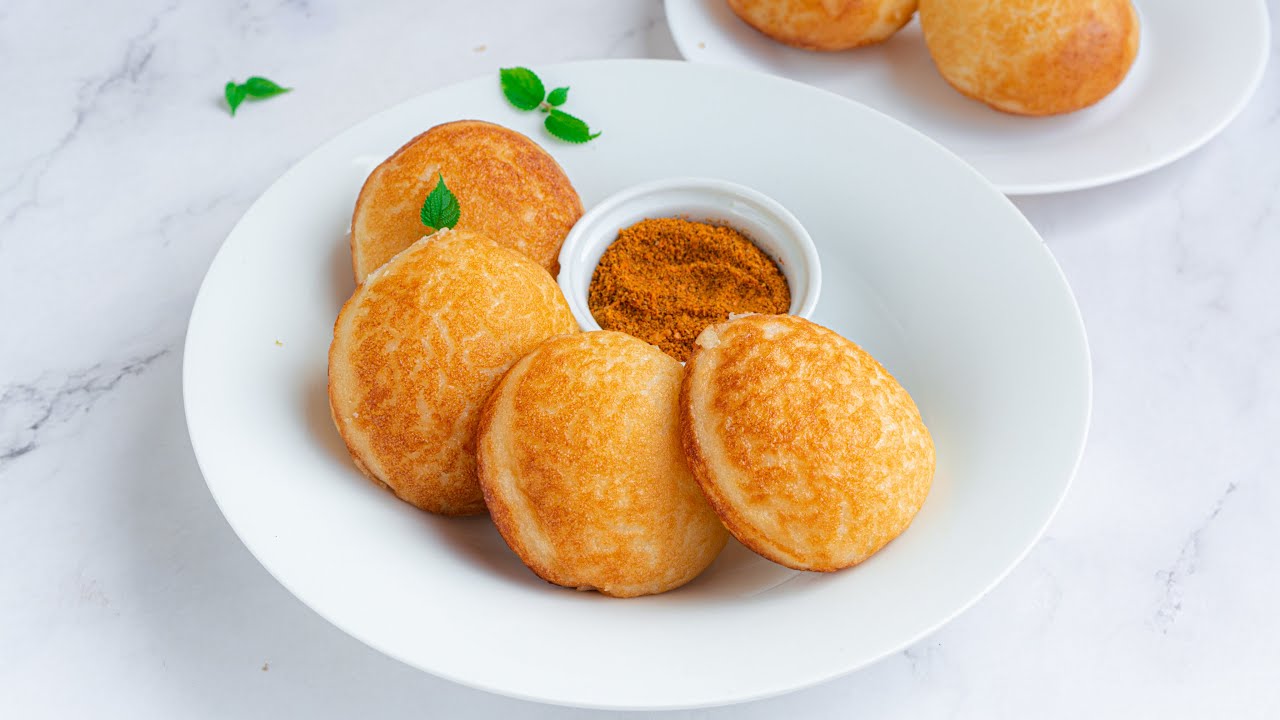
A well-prepared Masa recipe gives us soft, fluffy rice cakes with a lightly crisp exterior and a pleasantly fermented flavour. Masa is one of the most popular traditional foods in Northern Nigeria, where it is commonly prepared from rice and served with spicy sauces, soups, stews, or sweet accompaniments.
Also known as Nigerian rice cakes or Hausa Masa, this delicacy is especially popular as a breakfast, snack, or light meal. Although traditional preparation involves soaking and fermenting rice, the process is straightforward once we understand how to achieve the correct batter consistency and fermentation.
In this guide, we will learn how to make Masa from scratch, including the ingredients, preparation method, cooking techniques, serving ideas, and essential tips for getting beautifully soft Masa every time.
What Is Nigerian Masa?
Masa is a traditional fermented rice cake strongly associated with Northern Nigerian cuisine, particularly Hausa communities. It is usually prepared by soaking rice, blending it into a batter, allowing the mixture to ferment, and cooking small portions in a specially designed Masa pan.
The finished cakes are generally round, slightly puffed, tender inside, and lightly golden outside. The natural fermentation process gives Masa its characteristic aroma and subtle tangy taste.
While different households have their own variations, rice remains the primary ingredient. Some recipes include cooked rice, yeast, sugar, onions, or other ingredients to improve fermentation, texture, or flavour.
One of the attractions of this traditional Masa recipe is its versatility. We can prepare it slightly sweet for breakfast or keep it savoury and serve it alongside soup, stew, grilled meat, or spicy sauce.
Ingredients for Making Masa
Before we begin preparing the batter, we should assemble all the ingredients. Using good-quality rice and ensuring proper fermentation are particularly important for obtaining the soft texture associated with authentic Masa.
Main Ingredients
For a simple homemade Masa recipe, we will need:
- 3 cups rice
- ½ cup cooked rice
- 1 teaspoon active dry yeast
- 2–3 tablespoons sugar, or according to taste
- ½ teaspoon salt
- 1 small onion, optional
- Warm water, as required
- Vegetable oil for greasing the pan
The quantity of water we use will depend on the rice and the thickness of the blended batter. We should therefore add water gradually instead of pouring in a large quantity at once.
Choosing the Best Rice for Masa
The rice we select affects both the texture and structure of our Masa. Traditionally, locally available rice varieties are commonly used because they blend well and produce the slightly grainy but tender consistency characteristic of Masa.
However, we can successfully prepare Masa with other varieties of white rice.
We should avoid rice with excessive fragrance or varieties that remain extremely firm after soaking. The most important requirement is allowing the rice to soak long enough to soften before blending.
Adding a small quantity of cooked rice is another useful technique. Cooked rice introduces additional starch into the batter, helping the finished Masa become softer and slightly more elastic.
How to Make Masa Step by Step
Making Nigerian Masa at home is simple when we prepare the rice batter correctly and allow enough time for fermentation. Follow these steps for soft, fluffy Masa with a lightly crispy exterior.
Step 1: Soak the Rice
Wash 2 cups of rice thoroughly and soak it in clean water for about 4–6 hours or overnight. This softens the rice and makes blending easier.
Step 2: Blend the Rice
Drain the soaked rice. Blend it with a small amount of water until we achieve a smooth, thick batter. Avoid adding too much water.
Step 3: Prepare the Batter
Pour the blended rice into a bowl. Add yeast, sugar, and a pinch of salt. We may also add a little cooked rice while blending to help produce a softer texture.
Step 4: Allow It to Ferment
Cover the bowl and leave the batter in a warm place for about 1–2 hours, or until it becomes slightly bubbly and increases in volume.
Step 5: Heat the Masa Pan
Place a Masa pan over medium heat and lightly grease each mould with vegetable oil.
Step 6: Cook the Masa
Pour a small quantity of batter into each mould. Cook until the bottom becomes golden brown, then carefully turn each Masa and cook the other side.
Step 7: Serve
Remove the cooked Masa from the pan and serve warm. We can enjoy Nigerian Masa with suya, pepper sauce, soup, honey, or sugar, depending on our preference.
For the best result, we should keep the batter thick, allow proper fermentation, and avoid cooking over excessively high heat.
How to Ferment Masa Batter Properly
Fermentation is one of the most important stages of an authentic Hausa Masa recipe.
Once we have blended the rice, we dissolve the yeast in a small quantity of lukewarm water. We can add a pinch of sugar to help activate it.
After several minutes, the yeast should begin to foam.
We stir the activated yeast into the rice batter until evenly distributed.
We cover the bowl loosely and leave the batter in a warm place for approximately 1–3 hours, depending on room temperature and the activity of the yeast.
As the batter ferments, we should notice small bubbles developing and the mixture becoming slightly lighter.
A properly fermented batter usually produces softer and fluffier Masa.
We should avoid leaving yeast-based batter for an excessively long period because over-fermentation can result in an overly sour flavour.
Seasoning the Masa Batter
Once fermentation is complete, we gently stir the mixture.
We then add sugar and salt according to the flavour we want.
For sweeter Masa, we can increase the sugar slightly. If we intend to serve the cakes with savoury soup or sauce, keeping the batter only mildly sweet is usually preferable.
The consistency should remain thick enough to pour but not watery.
If fermentation has made the batter extremely thick, we can add a small quantity of water and stir gently until we achieve the desired consistency.
How to Cook Masa in a Masa Pan
Traditional Masa is cooked in a special pan containing several round cavities. This pan gives the rice cakes their familiar circular shape.
We place the Masa pan over medium heat and allow it to warm.
Next, we add a small quantity of vegetable oil into each cavity.
Once the oil is warm, we pour enough batter into each section to fill it approximately three-quarters of the way.
We should avoid filling the cavities completely because the batter may rise slightly as it cooks.
Allow the Masa to cook until the underside becomes firm and golden.
Once the edges begin to release easily from the pan, we carefully turn each cake using a small spoon, skewer, or appropriate cooking utensil.
We cook the second side until lightly golden and fully cooked in the centre.
The finished Masa should be:
- Golden on the outside
- Soft and fluffy inside
- Lightly crisp around the edges
- Easy to break apart without becoming dry
We repeat the process until all the batter has been cooked.
How to Make Masa Without a Traditional Masa Pan
A traditional pan gives Masa its classic appearance, but we can still prepare it when the specialised cookware is unavailable.
A small non-stick frying pan, pancake pan, or similar shallow cooking surface can serve as an alternative.
We lightly grease the pan and pour small portions of batter onto the surface.
The cakes may become flatter than traditional Masa, but the flavour and texture can still be delicious.
We cook them over medium-low heat and flip once the bottom is firm and golden.
Maintaining moderate heat is especially important. High heat can brown the outside before the middle has finished cooking.
Tips for Making Soft and Fluffy Masa
A good recipe becomes even more reliable when we understand the techniques behind the desired texture.
Use Properly Soaked Rice
Rice that has not soaked long enough can be difficult to blend and may produce an unnecessarily coarse batter.
We should allow sufficient soaking time before blending.
Do Not Make the Batter Too Watery
A thin batter can prevent Masa from rising properly and may result in flat, fragile cakes.
We should add water gradually.
Allow Enough Fermentation Time
Fermentation contributes significantly to the flavour and softness of Masa.
If we cook the batter immediately after adding yeast, we may not achieve the same airy texture.
Use Cooked Rice for Extra Softness
Adding cooked rice helps increase the starch content and can produce a noticeably softer texture.
Control the Cooking Temperature
Cooking over excessively high heat may cause the outside to burn while leaving the centre undercooked.
Medium or medium-low heat usually produces better results.
Grease the Pan Lightly
Enough oil should be used to prevent sticking, but Masa does not need to be submerged in oil.
A light coating is sufficient.
Common Masa Recipe Mistakes to Avoid
Even a simple Nigerian Masa recipe can produce disappointing results when a few important steps are overlooked.
One common mistake is adding too much water while blending. This produces a loose batter that struggles to develop the characteristic soft structure of Masa.
Another mistake is insufficient fermentation. We should give the yeast enough time to work before cooking.
We should also avoid repeatedly stirring fermented batter aggressively. Gentle mixing helps preserve some of the air generated during fermentation.
Finally, overheating the pan can produce Masa that looks cooked outside but remains raw or sticky in the centre.
What to Serve With Masa
One reason Masa remains so popular is that it pairs beautifully with several Nigerian dishes.
Popular Masa Serving Ideas
We can serve Masa with:
- Miyan Taushe
- Groundnut soup
- Pepper sauce
- Suya
- Grilled chicken
- Beef stew
- Vegetable soup
- Honey
- Sugar
- Yoghurt
- Spicy tomato sauce
One of the most traditional combinations is Masa and Miyan Taushe, a rich Northern Nigerian pumpkin-based soup.
For breakfast, however, lightly sweetened Masa can be enjoyed on its own or accompanied by tea.
Sweet Masa vs Savoury Masa
The basic preparation method remains similar, but we can adjust the flavour depending on how we plan to serve the dish.
For sweet Masa, we can add slightly more sugar to the fermented batter and serve the finished cakes with honey, syrup, or another sweet accompaniment.
For savoury Masa, we reduce the sugar and can introduce finely chopped onion or mild seasonings.
We should avoid adding excessive seasoning because the delicate fermented rice flavour is one of the defining characteristics of traditional Masa.
How to Store Leftover Masa
Freshly cooked Masa is best eaten while warm, when the edges remain lightly crisp and the centre is especially soft.
If we have leftovers, we allow them to cool completely before transferring them into an airtight container.
They can be refrigerated for a short period and reheated when required.
For reheating, we can use a microwave, oven, air fryer, or lightly greased frying pan.
A frying pan is particularly useful when we want to restore some of the exterior texture.
We should avoid reheating Masa for too long because excessive heat can dry it out.
How to Know When Masa Is Properly Cooked
Properly cooked Masa should release from the pan without collapsing.
The outside should be lightly browned while the inside remains moist and fluffy rather than wet.
If the centre appears sticky or raw after cutting into one cake, we should reduce the heat slightly and cook subsequent batches for longer.
The first batch can therefore serve as a useful test. We can adjust the heat and batter quantity before cooking the remaining mixture.
Why Fermentation Matters in Traditional Masa
Fermentation distinguishes Masa from an ordinary rice pancake.
During fermentation, yeast produces gas within the batter, creating small air pockets that contribute to the soft, slightly spongy structure of the finished cakes.
The fermentation process also develops the mild tangy aroma traditionally associated with Masa.
This is why properly fermented Masa generally tastes more complex than rice cakes prepared immediately after blending.
Maintaining a warm environment encourages fermentation, although we should avoid exposing the batter to excessive heat.
Can Masa Batter Be Prepared Ahead?
We can prepare portions of the process in advance, particularly by soaking the rice overnight.
However, once yeast has been added and fermentation has started, timing becomes more important.
If the fermented batter must be kept for later, refrigeration can slow further fermentation. Even so, freshly fermented batter generally provides the best texture and flavour.
For convenient morning preparation, we can soak the rice overnight, blend it early in the morning, ferment the batter, and cook the Masa fresh.
Best Way to Achieve Authentic Nigerian Masa
The secret to excellent homemade Masa is not complicated ingredients but careful preparation.
We should begin with properly soaked rice, blend it with just enough liquid, include cooked rice for additional softness, allow the batter to ferment adequately, and control the cooking temperature.
Once these fundamentals are correct, we can adjust sweetness and serving accompaniments according to personal preference.
A traditional Masa pan also improves the appearance and helps create evenly rounded cakes with lightly crisp surfaces.
FAQs about Masa Recipe
1. What is Masa?
Masa is a popular Nigerian rice cake, especially common in Northern Nigeria. It is made from fermented rice batter and cooked in a special pan until soft, fluffy, and lightly golden.
2. What type of rice is best for making Masa?
We recommend using local white rice or short-grain rice because it blends well and produces a smooth, fluffy batter.
3. Does Masa need to be fermented?
Yes. Fermentation helps give Masa its characteristic soft texture and slightly tangy flavour. The batter is usually left to ferment before cooking.
4. Can we make Masa without yeast?
Yes. Traditional fermentation can help the batter rise naturally, although yeast is commonly added to make the process faster and produce fluffier Masa.
5. Why is my Masa not fluffy?
Masa may become dense if the batter is too thick, has not fermented properly, or does not contain enough yeast. Allowing sufficient fermentation time usually improves the texture.
6. Can Masa be made without a Masa pan?
Yes. Although a traditional Masa pan gives the cakes their distinctive round shape, a pancake pan or small non-stick frying pan can be used as an alternative.
7. What can we serve with Masa?
Masa can be enjoyed with suya, spicy pepper sauce, vegetable soup, groundnut soup, honey, or sugar, depending on preference.
8. How do we store leftover Masa?
Allow the Masa to cool completely before placing it in an airtight container. Refrigerated Masa can be reheated in a pan or microwave before serving.
9. Is Masa the same as a pancake?
No. Although both are cooked from batter, Masa is traditionally rice-based and fermented, giving it a different flavour and texture from regular pancakes.
Conclusion
This Masa recipe gives us a practical way to prepare one of Northern Nigeria’s most beloved rice-based delicacies at home. By soaking the rice properly, blending it into a thick batter, allowing sufficient fermentation, and cooking each portion gently, we can achieve soft, fluffy Nigerian Masa with golden edges and a tender centre.
Whether we serve it with Miyan Taushe, pepper sauce, stew, Suya, honey, or tea, Masa remains a versatile dish suitable for breakfast, snacks, family meals, and special occasions.
The most important factors are proper batter consistency, effective fermentation, and controlled cooking heat. Once we master these steps, preparing authentic Hausa Masa becomes simple, repeatable, and rewarding.