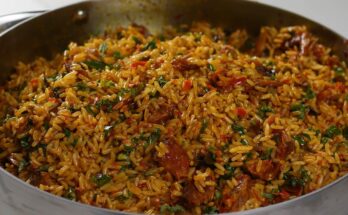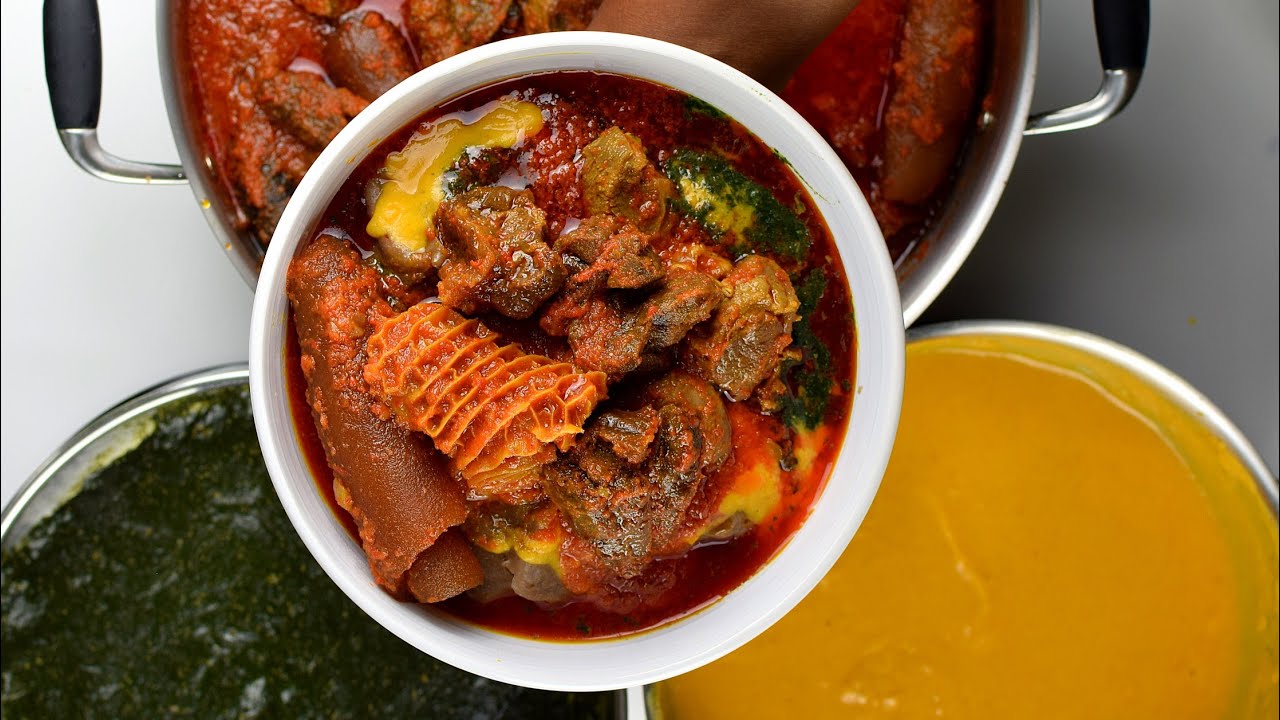
Gbegiri soup is a smooth, creamy Nigerian bean soup traditionally associated with Yoruba cuisine, particularly in southwestern Nigeria. Made primarily from peeled beans, palm oil, seasoning, and traditional spices, this hearty soup is famous for its rich taste and silky texture. It is commonly served with Amala, Ewedu, and assorted meat stew, creating one of the most celebrated traditional Nigerian food combinations.
In this Gbegiri soup recipe, we will prepare the dish using simple ingredients while preserving the authentic flavour that makes it distinctive. Whether we are preparing a traditional Yoruba meal for the family or simply exploring Nigerian cuisine, Gbegiri is relatively straightforward once the beans have been properly prepared.
What Is Gbegiri Soup?
Gbegiri is a Nigerian bean soup prepared by cooking peeled beans until extremely soft and blending or mashing them into a smooth consistency. Palm oil gives the soup its characteristic golden-orange appearance, while crayfish, seasoning, pepper, and other ingredients enhance its flavour.
Unlike many Nigerian soups that depend heavily on leafy vegetables, Gbegiri gets its body almost entirely from beans. This makes the soup naturally thick, filling, and satisfying.
Gbegiri is especially popular in Oyo State and other Yoruba-speaking regions of Nigeria. One of the most famous ways to enjoy it is as part of Abula, a combination of Amala, Gbegiri, Ewedu, and stew.
Ingredients for Gbegiri Soup
Before we begin cooking, we should assemble all the necessary ingredients. The exact quantities can be adjusted according to the number of servings and preferred thickness.
Main Ingredients We Need
- 2 cups brown beans or black-eyed peas
- ¼ to ½ cup palm oil
- 2 tablespoons ground crayfish
- 1–2 tablespoons ground pepper
- 1–2 seasoning cubes
- Salt to taste
- 1 small onion, optional
- Water as needed
- Ground locust beans (iru), optional
- Meat stock, optional for additional flavour
We may use either Nigerian brown beans or black-eyed peas. Brown beans provide a familiar traditional taste, but both varieties can produce an excellent soup when properly cooked and blended.
How to Prepare Beans for Gbegiri Soup
Proper bean preparation is one of the most important stages of making authentic Gbegiri.
We begin by sorting the beans and removing stones, damaged beans, or unwanted particles. Next, we soak the beans briefly in water to soften the skins.
Using both hands, we rub the beans together repeatedly to loosen the outer skin. We then add enough water and gently pour away the floating skins. This process may need to be repeated several times until most of the bean skins have been removed.
Using peeled beans gives Gbegiri its smooth and creamy texture. Leaving too many skins in the beans can create a grainier finished soup.
After peeling, we rinse the beans thoroughly with clean water and proceed to cooking.
How to Make Gbegiri Soup Step by Step
Preparing Gbegiri becomes easy once the beans are peeled. The main objective is to cook the beans until extremely soft before turning them into a smooth soup.
Step 1: Cook the Peeled Beans
We place the peeled beans in a clean pot and add enough water to cover them generously.
We bring the water to a boil and cook over medium heat until the beans become extremely soft. Depending on the type of beans and cooking method, additional water may be needed during cooking.
We should avoid allowing the beans to burn or dry out. The finished beans should be soft enough to break apart easily when pressed.
Step 2: Blend or Mash the Beans
Once the beans are completely tender, we allow them to cool slightly before blending.
We transfer the cooked beans into a blender and process them with a little cooking liquid until smooth. If we prefer the traditional method, we can mash the beans thoroughly using a wooden spoon or suitable kitchen utensil.
The goal is to achieve a smooth bean purée without noticeable lumps.
We return the blended beans to the cooking pot.
Step 3: Adjust the Consistency
Gbegiri should be creamy and pourable rather than extremely thick.
If the blended beans are too thick, we gradually add warm water or meat stock while stirring until we reach the desired consistency.
We should add liquid cautiously because it is much easier to thin the soup than to correct soup that has become excessively watery.
Step 4: Add Palm Oil
We add the palm oil to the bean mixture and stir thoroughly.
The palm oil introduces colour, richness, and the distinctive flavour associated with traditional Gbegiri soup. We allow the mixture to simmer for several minutes so the oil can combine properly with the beans.
Step 5: Add Crayfish, Pepper, and Seasoning
Next, we add ground crayfish, pepper, seasoning cubes, and salt.
If using locust beans, we add them at this stage. We stir the soup carefully and allow everything to simmer together over low to medium heat.
We taste the soup and adjust the seasoning where necessary.
Step 6: Simmer Until Smooth and Flavourful
We continue cooking the Gbegiri for approximately 10–15 minutes, stirring occasionally.
Because beans can settle at the bottom of the pot, regular stirring helps prevent burning.
When the soup has developed a smooth consistency, pleasant aroma, and balanced flavour, we remove it from the heat.
Our homemade Gbegiri soup is now ready to serve.
How to Get Smooth and Creamy Gbegiri Soup
The texture of Gbegiri is one of the features that distinguishes an excellent bowl from an average one.
For exceptionally smooth Gbegiri, we should ensure that the beans are thoroughly peeled and cooked until very soft before blending.
A powerful blender can create an almost velvety consistency. If we notice unwanted bean particles after blending, we can pass the mixture through a fine sieve before returning it to the pot.
We should also avoid making the soup excessively thick. Authentic Gbegiri usually has a smooth consistency that allows it to spread easily when poured over Amala.
What to Eat With Gbegiri Soup
Gbegiri is rarely eaten alone. It works beautifully with several Nigerian dishes, although its most famous pairing remains Amala and Ewedu.
Popular Foods to Serve With Gbegiri
We can serve Gbegiri with:
- Amala
- Ewedu soup
- Nigerian pepper stew
- Pounded yam
- Eba
- Semo
- Assorted meat
- Beef
- Goat meat
- Shaki
- Cow foot
For the classic Yoruba experience, we serve Amala with Ewedu, Gbegiri, pepper stew, and assorted meat.
The mild creaminess of Gbegiri balances the slightly slippery texture of Ewedu and the bold spiciness of Nigerian stew.
How to Make Gbegiri for Amala and Ewedu
When preparing Gbegiri specifically for Amala and Ewedu, we should keep the bean soup slightly lighter than a typical thick Nigerian soup.
After blending the beans, we add enough liquid to create a smooth, moderately thin consistency. We season it carefully because the accompanying stew will usually contribute additional salt, pepper, and meat flavour.
When serving, we place the Amala on a plate, add Ewedu and Gbegiri, then finish with rich pepper stew and our preferred assorted meat.
This complete meal is commonly known as Abula.
Common Mistakes to Avoid When Making Gbegiri
Although the recipe is straightforward, a few mistakes can affect its texture and taste.
Not Peeling the Beans Properly
Too much bean skin can make the soup rough rather than silky. We should remove as much of the skin as reasonably possible before cooking.
Undercooking the Beans
Beans that are not sufficiently soft will be difficult to blend smoothly. We should cook them until they can easily collapse when pressed.
Adding Too Much Water
Excess water can turn Gbegiri into a watery soup with weak flavour. We should add liquid gradually while monitoring consistency.
Using Excessive Palm Oil
Palm oil should enhance Gbegiri rather than overpower it. A moderate quantity provides sufficient colour and richness.
Allowing the Soup to Burn
The blended bean mixture can settle quickly at the bottom of the pot. We should therefore stir periodically, particularly during the final stages of cooking.
Tips for Making the Best Gbegiri Soup
For a richer and more authentic result, we can incorporate a small amount of meat stock when adjusting the consistency. This introduces additional depth without changing the fundamental character of the soup.
We should also grind the crayfish finely so that it disappears naturally into the soup.
Fresh pepper can be blended and used instead of dry pepper when we want a brighter pepper flavour.
Most importantly, we should monitor the consistency throughout cooking. Gbegiri can become thicker as it sits, so leaving it slightly lighter while hot may produce the ideal consistency at serving time.
Can We Make Gbegiri Without Palm Oil?
Traditional Gbegiri normally contains palm oil because it contributes to both the flavour and appearance of the soup.
We can technically prepare a bean-based soup without palm oil, but the result will differ noticeably from authentic Yoruba Gbegiri.
For the traditional taste, we recommend using a moderate quantity of good-quality palm oil.
How to Store Gbegiri Soup
Leftover Gbegiri should be allowed to cool before being transferred into a clean, airtight container.
We can keep it refrigerated for a short period and reheat only the quantity we intend to eat. Since the soup naturally thickens when chilled, we may need to add a small amount of water or stock while reheating.
We should reheat it over medium-low heat and stir frequently to prevent the bottom from burning.
For longer storage, Gbegiri can also be portioned into freezer-safe containers and frozen. Portioning makes it easier to thaw only what we need.
How to Reheat Gbegiri Without Losing Its Texture
Cold Gbegiri can become considerably thicker because of its bean base. This is normal.
To restore the creamy texture, we place the required quantity in a saucepan and add a small amount of water or stock. We heat it gently while stirring until the soup becomes smooth again.
We should avoid adding too much liquid at once.
Once heated thoroughly, we taste and adjust the seasoning only if necessary.
Why Gbegiri Works So Well With Ewedu
Gbegiri and Ewedu offer contrasting textures that complement one another.
Gbegiri is creamy, rich, and bean-based, while Ewedu has a lighter, slightly mucilaginous consistency. When combined with spicy stew, the different textures and flavours create the distinctive character of Amala and Abula.
The combination also allows each component to contribute something unique instead of relying on one soup to provide the entire flavour profile.
Serving Gbegiri the Traditional Way
For an enjoyable presentation, we serve freshly prepared Amala alongside generous spoonfuls of Gbegiri and Ewedu.
We then add Nigerian pepper stew and finish the plate with assorted meats such as beef, shaki, cow foot, goat meat, or other preferred protein.
Gbegiri can also be served with other swallows when Amala is unavailable. However, anyone seeking the classic Yoruba combination should try it with Amala, Ewedu, and stew.
FAQs about Gbegiri Soup Recipe
What is Gbegiri soup made from?
Gbegiri is primarily made from peeled beans, palm oil, crayfish, pepper, seasoning, salt, and water or stock. Some recipes also include locust beans for additional traditional flavour.
Which beans are best for Gbegiri?
Nigerian brown beans are an excellent choice, although black-eyed peas can also be used successfully.
Do we have to peel beans for Gbegiri?
Peeling is highly recommended because it helps us achieve the smooth, creamy texture associated with traditional Gbegiri.
Can Gbegiri be blended?
Yes. Blending cooked beans is one of the easiest ways to produce smooth Gbegiri. Traditionally, the beans may also be mashed or passed through a sieve.
Is Gbegiri the same as bean porridge?
No. Although both dishes use beans, their preparation and consistency are different. Bean porridge contains whole or partially broken beans, while Gbegiri is cooked and processed into a smooth soup.
What is Gbegiri traditionally eaten with?
Gbegiri is famously served with Amala, Ewedu, Nigerian pepper stew, and assorted meat. This combination is widely known as Abula.
Why is my Gbegiri too thick?
Gbegiri can become too thick when too little liquid is used or after it sits for some time. We can gradually stir in warm water or stock until we reach the preferred consistency.
How can we make Gbegiri smoother?
We should peel the beans thoroughly, cook them until extremely tender, blend until completely smooth, and sieve the mixture if necessary.
Conclusion
A good Gbegiri soup recipe does not require complicated ingredients. The quality of the dish depends mainly on properly peeled beans, sufficient cooking time, a smooth texture, balanced seasoning, and the right amount of palm oil.
When prepared carefully, Gbegiri delivers the comforting flavour and creamy consistency that have made it an essential part of traditional Yoruba cuisine. We can enjoy it with several Nigerian swallows, but serving Gbegiri with Amala, Ewedu, pepper stew, and assorted meat provides the classic experience.
By cooking the beans until completely tender, blending them smoothly, seasoning them carefully, and maintaining the correct consistency, we can prepare authentic Nigerian Gbegiri soup at home and enjoy one of the most beloved combinations in Yoruba food culture.