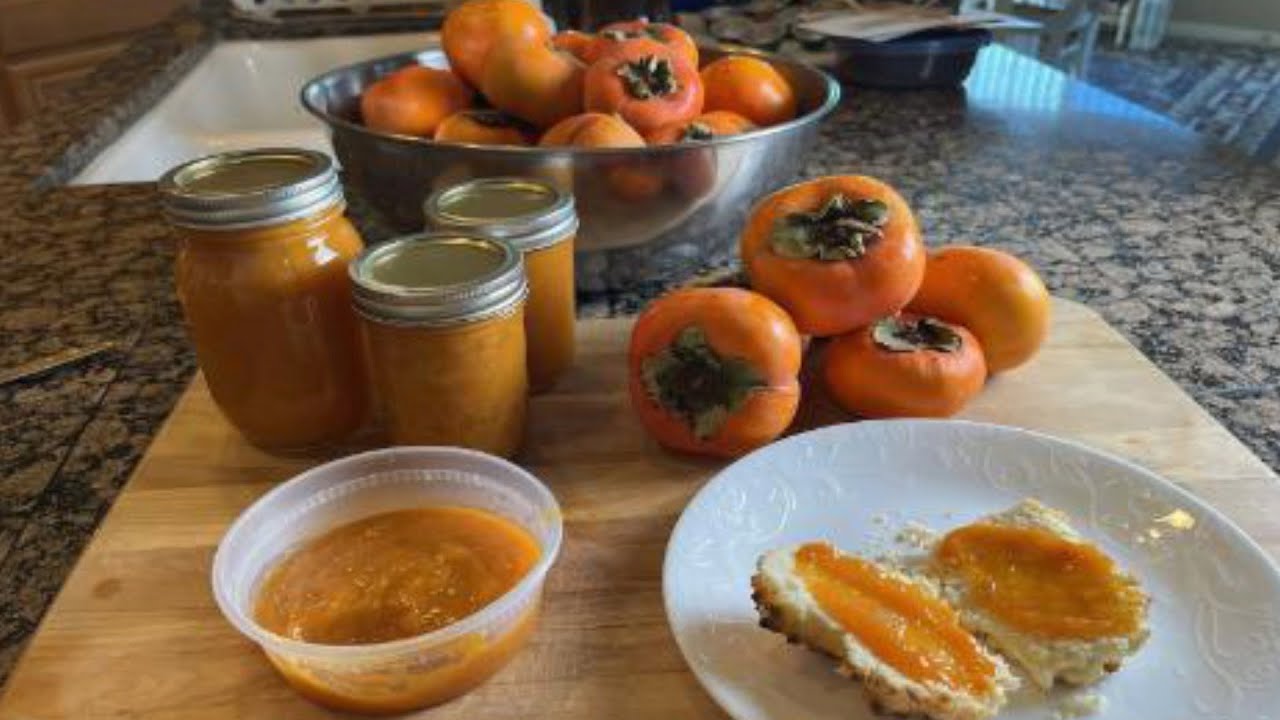
Persimmon Jam Recipe: Persimmon jam is a smooth, fragrant, naturally sweet fruit preserve made from ripe persimmons, sugar, lemon juice, and gentle heat. When prepared correctly, it delivers a rich golden-orange color, a soft spreadable texture, and a beautifully balanced flavor that tastes sweet, lightly honeyed, and mildly spiced. This persimmon jam recipe is perfect for toast, biscuits, pancakes, pastries, yogurt bowls, cheese boards, and homemade desserts.
Persimmons are naturally high in sweetness, which makes them excellent for jam-making. Their soft pulp breaks down easily into a silky preserve, while lemon juice adds brightness and helps balance the sweetness. With the right technique, we can turn ripe persimmons into a homemade jam that tastes fresh, elegant, and comforting.
Ingredients You’ll Need for Persimmon Jam
To make a flavorful homemade persimmon jam, we need simple ingredients that allow the natural taste of the fruit to shine.
Main Ingredients
- 4 cups ripe persimmon pulp
- 2 cups granulated sugar
- 2 tablespoons fresh lemon juice
- 1 tablespoon lemon zest
- ½ teaspoon ground cinnamon
- ¼ teaspoon ground ginger
- ¼ teaspoon salt
- 1 teaspoon vanilla extract
Optional Ingredients
- 1 tablespoon pectin for a firmer jam
- 1 small apple, grated for natural pectin and body
- 1 pinch nutmeg for warmth
- 1 tablespoon orange juice for citrus depth
- ½ teaspoon cardamom for a fragrant twist
Choosing the Best Persimmons for Jam
For the best persimmon jam recipe, we should use fully ripe persimmons. The fruit should feel soft, heavy, and richly colored. Ripe persimmons create a jam with better sweetness, smoother texture, and deeper flavor.
There are two common types of persimmons: Hachiya and Fuyu. Hachiya persimmons are best used when extremely soft and almost jelly-like inside. If they are not fully ripe, they may taste bitter or astringent. Fuyu persimmons are firmer and sweeter even before they become soft, but for jam, they should still be ripe enough to blend into a smooth pulp.
A good persimmon for jam should have a bright orange color, a fragrant aroma, and soft flesh. Avoid fruits with mold, deep bruises, or fermented smell. Overripe persimmons can still be used if they are fresh and clean, but spoiled fruit should never be added to jam.
Kitchen Tools Needed
Before we begin, it helps to prepare the tools for smooth cooking.
- Sharp knife
- Cutting board
- Spoon
- Large saucepan
- Wooden spoon
- Potato masher or blender
- Fine mesh strainer
- Clean glass jars
- Jar lids
- Ladle
- Kitchen thermometer
Using a heavy-bottomed saucepan is important because it helps prevent the jam from burning. Persimmon pulp is naturally thick, so it can stick to the pot if cooked over very high heat.
How to Prepare Persimmons for Jam
Wash the persimmons thoroughly under cool running water. Remove the leafy tops and discard any damaged areas. Slice the fruit open and scoop out the pulp. If using Hachiya persimmons, the flesh should be soft enough to scoop easily with a spoon. If using Fuyu persimmons, peel the skin and chop the flesh into small pieces before blending.
Remove any seeds if present. Blend or mash the fruit until smooth. For a very silky jam, pass the pulp through a fine mesh strainer. This step removes fibrous pieces and creates a smoother final texture.
Measure 4 cups of persimmon pulp after preparing the fruit. Accurate measurement helps us balance the sugar, lemon juice, and spices properly.
Step-by-Step Guide to Making Persimmon Jam
Step 1: Prepare the Persimmon Pulp
Place the cleaned persimmon pulp into a large bowl. Mash it with a potato masher or blend it until smooth. The smoother the pulp, the silkier the jam will be. If we prefer a rustic jam, we can leave a few small fruit pieces for texture.
Step 2: Combine Fruit, Sugar, and Lemon Juice
Add the persimmon pulp to a large saucepan. Stir in the granulated sugar, fresh lemon juice, lemon zest, and salt. Mix well until the sugar begins to dissolve into the fruit.
The lemon juice is important because it brightens the flavor and prevents the jam from tasting overly sweet. It also helps the jam set better and improves the final balance.
Step 3: Cook Over Medium Heat
Place the saucepan over medium heat. Stir frequently as the mixture begins to warm. Once the sugar melts, the persimmon mixture will become glossy and slightly thinner.
Bring the mixture to a gentle boil, then reduce the heat to medium-low. Avoid cooking over high heat because the jam can scorch quickly.
Step 4: Add Cinnamon, Ginger, and Optional Spices
Stir in the ground cinnamon, ground ginger, and any optional spices such as nutmeg or cardamom. These spices add warmth without overpowering the natural persimmon flavor.
Persimmons have a delicate honey-like sweetness, so the spices should support the fruit rather than dominate it.
Step 5: Simmer Until Thickened
Let the jam simmer for about 25 to 35 minutes, stirring often. As it cooks, the mixture will reduce, deepen in color, and become thicker.
To prevent sticking, scrape the bottom and sides of the pan regularly. The jam is ready when it looks glossy, coats the back of a spoon, and slowly drips instead of running freely.
Step 6: Test the Jam Consistency
To test the jam, place a small spoonful on a chilled plate. Let it sit for one minute, then push it gently with your finger. If it wrinkles slightly and holds its shape, the jam is ready. If it spreads too quickly, continue cooking for a few more minutes.
For a firmer jam, add pectin according to package instructions. However, persimmon jam can thicken naturally when cooked properly.
Step 7: Add Vanilla Extract
Once the jam reaches the right consistency, remove the saucepan from the heat. Stir in the vanilla extract. Adding vanilla at the end preserves its aroma and gives the jam a soft, rounded finish.
Step 8: Fill the Jars
Carefully ladle the hot persimmon jam into clean glass jars. Leave a small space at the top. Wipe the rims clean, then close the jars with lids.
Allow the jars to cool at room temperature before refrigerating. The jam will continue to thicken as it cools.
How to Make Persimmon Jam Without Pectin
This persimmon jam recipe works beautifully without commercial pectin. Persimmons naturally create a thick, smooth preserve when cooked down with sugar and lemon juice. To improve the texture without pectin, we can add a small grated apple. Apples contain natural pectin and help the jam set gently.
When making persimmon jam without pectin, the most important step is simmering the mixture long enough to remove excess moisture. Stir often and allow the fruit to reduce slowly. The result will be soft, glossy, and spreadable rather than stiff.
How to Make a Low-Sugar Persimmon Jam
For a less sweet version, reduce the sugar from 2 cups to 1½ cups. The jam will taste more fruit-forward and slightly tangier. However, low-sugar jam may have a softer set and a shorter refrigerator life.
To maintain a balanced texture, cook the jam slightly longer and add an extra tablespoon of lemon juice. We can also include grated apple for natural thickness.
Low-sugar persimmon jam is excellent for those who prefer a lighter preserve that highlights the natural flavor of the fruit.
Best Flavor Variations for Persimmon Jam
Persimmon jam is versatile and pairs well with warm spices, citrus, and vanilla. These variations create different flavor profiles while keeping the recipe simple.
Spiced Persimmon Jam
Add cinnamon, ginger, nutmeg, and a small pinch of cloves. This version is perfect for fall breakfasts, holiday pastries, and cheese boards.
Orange Persimmon Jam
Replace part of the lemon juice with orange juice and add orange zest. This gives the jam a brighter, sweeter citrus flavor.
Vanilla Persimmon Jam
Increase the vanilla extract to 2 teaspoons for a soft, dessert-like finish. This version tastes wonderful on scones, waffles, and pound cake.
Ginger Persimmon Jam
Add fresh grated ginger for a sharper, warmer flavor. This variation pairs especially well with roasted meats, crackers, and creamy cheeses.
Tips for the Best Homemade Persimmon Jam
Use fully ripe persimmons for the sweetest and smoothest jam. Unripe persimmons can create an unpleasant dry or bitter taste.
Cook the jam slowly and stir frequently. Persimmon pulp is thick, so it can burn if left unattended.
Do not skip the lemon juice. It balances sweetness, improves flavor, and helps the jam thicken.
Use a wide saucepan if possible. A wider surface helps moisture evaporate faster, which shortens cooking time and improves the texture.
For a smoother jam, blend the pulp before cooking. For a chunkier jam, mash the fruit by hand and leave small pieces intact.
Taste near the end of cooking and adjust as needed. Add a little more lemon juice for brightness, more cinnamon for warmth, or more sugar if the fruit is not sweet enough.
How to Store Persimmon Jam
Homemade persimmon jam should be stored in clean, airtight glass jars. Once cooled, keep the jars in the refrigerator. Refrigerated jam usually stays fresh for about 2 to 3 weeks.
For longer storage, the jam can be frozen in freezer-safe containers. Leave space at the top because the jam expands slightly when frozen. Frozen persimmon jam can keep well for about 3 months.
Always use a clean spoon when serving jam. This helps prevent contamination and keeps the jam fresh longer.
How to Serve Persimmon Jam
Persimmon jam is delicious on warm toast, biscuits, English muffins, pancakes, waffles, and croissants. It also works beautifully as a filling for thumbprint cookies, layer cakes, pastries, and tarts.
For a savory pairing, serve it with soft cheeses such as cream cheese, brie, goat cheese, or ricotta. The sweetness of the jam balances creamy and salty flavors beautifully.
We can also spoon persimmon jam over yogurt, oatmeal, ice cream, or rice pudding. It adds natural sweetness, color, and a fruit-forward finish to simple dishes.
Common Mistakes to Avoid
Do not use unripe Hachiya persimmons. They can make the jam taste dry and unpleasant.
Do not cook the jam on very high heat. Fast boiling may burn the fruit before the mixture thickens properly.
Do not add vanilla too early. Long cooking can weaken its flavor, so it is best added after the jam is removed from the heat.
Do not overcook the jam. Persimmon jam thickens as it cools, so it should still be slightly loose when hot.
Do not store jam in unclean jars. Clean jars help protect flavor and freshness.
Persimmon Jam Recipe Card
Ingredients
- 4 cups ripe persimmon pulp
- 2 cups granulated sugar
- 2 tablespoons lemon juice
- 1 tablespoon lemon zest
- ½ teaspoon cinnamon
- ¼ teaspoon ginger
- ¼ teaspoon salt
- 1 teaspoon vanilla extract
Instructions
- Wash the persimmons, remove the tops, and scoop out the pulp.
- Mash or blend the pulp until smooth.
- Add persimmon pulp, sugar, lemon juice, lemon zest, and salt to a saucepan.
- Cook over medium heat, stirring until the sugar dissolves.
- Add cinnamon and ginger.
- Simmer for 25 to 35 minutes, stirring often.
- Test the jam on a chilled plate.
- Remove from heat and stir in vanilla extract.
- Pour into clean jars and allow to cool.
- Store in the refrigerator and enjoy.
FAQs about Persimmon Jam Recipe
1. What type of persimmons are best for making persimmon jam?
The best persimmons for persimmon jam are fully ripe Hachiya persimmons because they become soft, sweet, and rich in flavor when mature. Fuyu persimmons can also be used, but they should be very ripe to achieve a smooth, naturally sweet jam texture.
2. Do I need to peel persimmons before making jam?
Yes, it is best to peel persimmons before making jam. The skin can sometimes add a slightly tough or bitter texture. For a smoother homemade persimmon jam, scoop out the soft pulp or peel the fruit before cooking it with sugar and lemon juice.
3. Why is lemon juice added to persimmon jam?
Lemon juice helps balance the natural sweetness of persimmons and adds brightness to the flavor. It also supports proper thickening and helps preserve the jam. Without lemon juice, the jam may taste overly sweet or flat.
4. How do I know when persimmon jam is ready?
Persimmon jam is ready when it becomes thick, glossy, and coats the back of a spoon. You can also place a small amount on a cold plate; if it wrinkles slightly when pushed, the jam has reached the right consistency.
5. How should I store persimmon jam?
Store cooled persimmon jam in a clean, airtight jar in the refrigerator for up to 2–3 weeks. For longer storage, use properly sterilized jars and a safe canning method. Always discard jam if it develops mold, an unusual smell, or changes in color.
Final Thoughts
This persimmon jam recipe creates a smooth, flavorful, and beautifully colored homemade preserve with simple ingredients and a reliable cooking method. By using ripe persimmons, fresh lemon juice, gentle spices, and careful simmering, we produce a jam that is sweet, bright, and deeply satisfying. Whether spread on toast, layered into desserts, served with cheese, or spooned over breakfast dishes, homemade persimmon jam brings a warm fruit flavor that feels both classic and special.