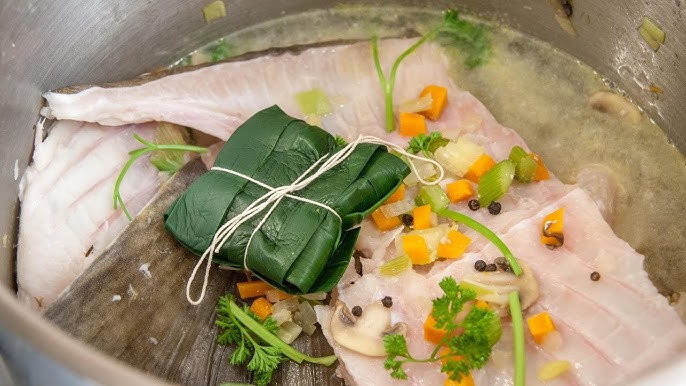
Seafood Stock Recipe: Seafood stock is the foundation of countless exceptional dishes, from creamy seafood chowders to rich risottos, flavorful paellas, delicate sauces, and comforting seafood soups. A properly prepared seafood stock delivers a deep ocean flavor with layers of sweetness, aroma, and savory richness that elevate every recipe it touches. By making homemade seafood stock, we gain full control over freshness, seasoning, and quality while avoiding preservatives and artificial additives commonly found in packaged alternatives.
This professional seafood stock recipe creates a clear, flavorful broth that can transform ordinary seafood meals into restaurant-quality dishes. With the right combination of seafood shells, aromatic vegetables, herbs, and careful simmering techniques, we can prepare a stock packed with authentic seafood flavor.
Ingredients You’ll Need for Seafood Stock
The quality of the ingredients directly impacts the final flavor of the stock. Fresh seafood shells and aromatic vegetables are essential for creating a clean and balanced broth.
Seafood Ingredients
- 2 pounds shrimp shells and heads
- 1 pound crab shells or lobster shells
- 1 pound fish bones and fish heads
- 1 tablespoon olive oil
- Cold water enough to cover ingredients
Vegetables and Aromatics
- 2 medium onions, roughly chopped
- 2 celery stalks, chopped
- 2 carrots, chopped
- 4 garlic cloves, crushed
- 1 leek, sliced
- 1 small fennel bulb, chopped
Herbs and Seasonings
- 2 bay leaves
- 1 teaspoon black peppercorns
- Fresh parsley stems
- 2 sprigs fresh thyme
- 1 teaspoon sea salt
- 1 tablespoon tomato paste
- 1 cup dry white wine
Why Homemade Seafood Stock Is Better
Homemade seafood stock provides an unmatched depth of flavor that packaged broths rarely achieve. Fresh shells contain natural marine sweetness and savory compounds that slowly release during simmering. When combined with aromatic vegetables and herbs, the result is a refined stock with remarkable complexity.
A homemade seafood stock also allows us to:
- Control sodium levels
- Avoid preservatives
- Use premium fresh ingredients
- Customize flavor intensity
- Create cleaner seafood flavor
The stock becomes a versatile ingredient suitable for soups, stews, sauces, pasta dishes, and rice recipes.
Choosing the Best Seafood for Stock
The foundation of excellent seafood stock begins with high-quality seafood scraps. The best stock comes from a combination of shells and bones that contribute sweetness and richness.
Best Seafood Options
- Shrimp shells and heads add strong shellfish flavor
- Crab shells contribute sweetness
- Lobster shells create luxurious depth
- White fish bones provide clean flavor
- Fish heads enrich the broth naturally
Avoid oily fish such as:
- Salmon
- Mackerel
- Sardines
- Tuna
These fish can overpower the stock and create an unpleasant oily finish.
Preparing the Seafood Shells and Bones
Proper preparation is essential for achieving a clean and professional seafood stock.
Step 1: Rinse Thoroughly
Wash all seafood shells and fish bones under cold running water to remove impurities, blood, and debris.
Step 2: Remove Gills
If using fish heads, remove the gills because they can make the stock bitter.
Step 3: Crack Larger Shells
Break lobster or crab shells into smaller pieces to expose more surface area and release additional flavor during cooking.
How to Make Seafood Stock Step by Step
Step 1: Roast the Seafood Shells
Heat olive oil in a large stockpot over medium heat. Add shrimp shells, crab shells, lobster shells, and fish bones. Cook for 8–10 minutes until lightly browned and aromatic.
Roasting intensifies the seafood flavor and develops deeper savory notes.
Step 2: Add Aromatic Vegetables
Add onions, celery, carrots, garlic, leeks, and fennel to the pot. Stir continuously for 5–7 minutes until vegetables soften and release their aroma.
The vegetables balance the seafood flavor while adding natural sweetness and complexity.
Step 3: Add Tomato Paste
Stir in tomato paste and cook for 2 minutes. The tomato paste enriches the color and adds subtle umami depth to the stock.
Step 4: Deglaze with White Wine
Pour in the white wine and scrape the bottom of the pot to loosen caramelized bits. Allow the wine to simmer for 3–4 minutes until slightly reduced.
The wine adds acidity and brightness that enhance the seafood flavor.
Step 5: Add Herbs and Water
Add bay leaves, thyme, parsley stems, peppercorns, and salt. Pour in enough cold water to fully cover the ingredients.
Using cold water helps extract flavor gradually for a cleaner broth.
Step 6: Simmer Gently
Bring the stock to a gentle simmer over medium heat. Reduce heat immediately once simmering begins.
Cook uncovered for 30–45 minutes.
Avoid boiling aggressively because it can make the stock cloudy and bitter.
During simmering:
- Skim foam from the surface
- Remove impurities regularly
- Maintain low heat
Step 7: Strain the Stock
Remove the pot from heat and strain the stock through a fine mesh sieve or cheesecloth into a clean container.
Press lightly on solids to extract flavor without forcing cloudy particles through the sieve.
Step 8: Cool Properly
Allow the seafood stock to cool before refrigerating. For food safety, cool it quickly using an ice bath if possible.
Tips for Rich and Flavorful Seafood Stock
Use Fresh Seafood Scraps
Fresh shells produce cleaner and sweeter stock. Frozen shells may also work well if stored properly.
Do Not Overcook
Seafood stock cooks faster than meat stock. Simmering too long can create bitterness.
Ideal cooking time:
- 30 to 45 minutes
Avoid Excess Salt
Keep seasoning light because seafood stock is often reduced further in recipes.
Combine Multiple Shellfish
Using shrimp, crab, and lobster together creates more complex flavor.
Use Aromatics Carefully
Balanced aromatics support seafood flavor without overpowering it.
Common Mistakes to Avoid
Boiling the Stock
Rapid boiling breaks down proteins and creates cloudy stock.
Using Oily Fish
Strong oily fish produce overpowering flavors unsuitable for versatile stock.
Skipping the Roasting Process
Roasting shells adds critical depth and richness.
Cooking Too Long
Overcooking seafood shells can create unpleasant bitterness.
How to Store Seafood Stock
Proper storage preserves freshness and flavor.
Refrigerator Storage
Store in airtight containers for:
- Up to 3 days
Freezer Storage
Freeze seafood stock for:
- Up to 3 months
Freeze in:
- Portion containers
- Ice cube trays
- Freezer-safe bags
Small portions make it easier to use only what is needed.
Best Recipes to Use Seafood Stock
A rich seafood stock enhances numerous seafood dishes.
Seafood Risotto
Creates creamy rice with deep seafood flavor.
Seafood Chowder
Adds authentic richness to creamy chowders.
Paella
Builds traditional Spanish seafood flavor.
Seafood Pasta Sauces
Improves depth in garlic butter and cream sauces.
Bisque
Forms the perfect base for luxurious lobster or crab bisque.
Fish Soup
Produces lighter yet flavorful seafood soups.
Nutritional Benefits of Seafood Stock
Homemade seafood stock contains naturally occurring nutrients and minerals extracted from shells and bones.
Benefits may include:
- Protein
- Minerals
- Collagen
- Calcium
- Natural umami compounds
Because homemade seafood stock uses fresh ingredients and minimal additives, it becomes a cleaner and healthier cooking option.
Professional Chef Secrets for Superior Seafood Stock
Professional kitchens use several techniques to achieve exceptional seafood stock.
Use Ice Water at the Beginning
Cold water extracts flavor gradually and improves clarity.
Roast Shells Thoroughly
Proper browning develops deeper flavor compounds.
Simmer Gently
Gentle cooking maintains delicate seafood flavor.
Strain Twice
Double straining creates crystal-clear stock suitable for refined dishes.
Use Fennel
Fennel enhances seafood naturally with subtle sweetness.
FAQs about Seafood Stock Recipe
1. What is seafood stock made from?
Seafood stock is made from fish bones, shrimp shells, crab shells, lobster shells, onions, celery, carrots, herbs, and water. These ingredients are simmered together to create a rich, flavorful base.
2. How long should we cook seafood stock?
We should simmer seafood stock for about 30 to 45 minutes. Cooking it too long can make the stock taste bitter or overly strong.
3. Can we freeze seafood stock?
Yes, seafood stock freezes very well. We can store it in airtight containers or freezer bags for up to 3 months.
4. What can we use seafood stock for?
Seafood stock is perfect for seafood soups, chowders, bisques, risotto, paella, gumbo, sauces, and pasta dishes.
5. Can we make seafood stock without fish bones?
Yes. We can use shrimp shells, crab shells, lobster shells, or a mix of seafood scraps. Shrimp shells are one of the easiest and most flavorful options.
Final Thoughts
A homemade seafood stock recipe is one of the most valuable foundations in seafood cooking. Rich shellfish flavor, balanced aromatics, and proper simmering techniques create a deeply savory broth capable of elevating soups, sauces, pasta dishes, and rice recipes to professional quality.
By carefully selecting fresh seafood shells, properly roasting ingredients, and maintaining gentle simmering temperatures, we achieve a clear, flavorful seafood stock with remarkable depth and versatility. Once prepared, this stock becomes an essential ingredient that transforms everyday seafood meals into unforgettable culinary experiences.