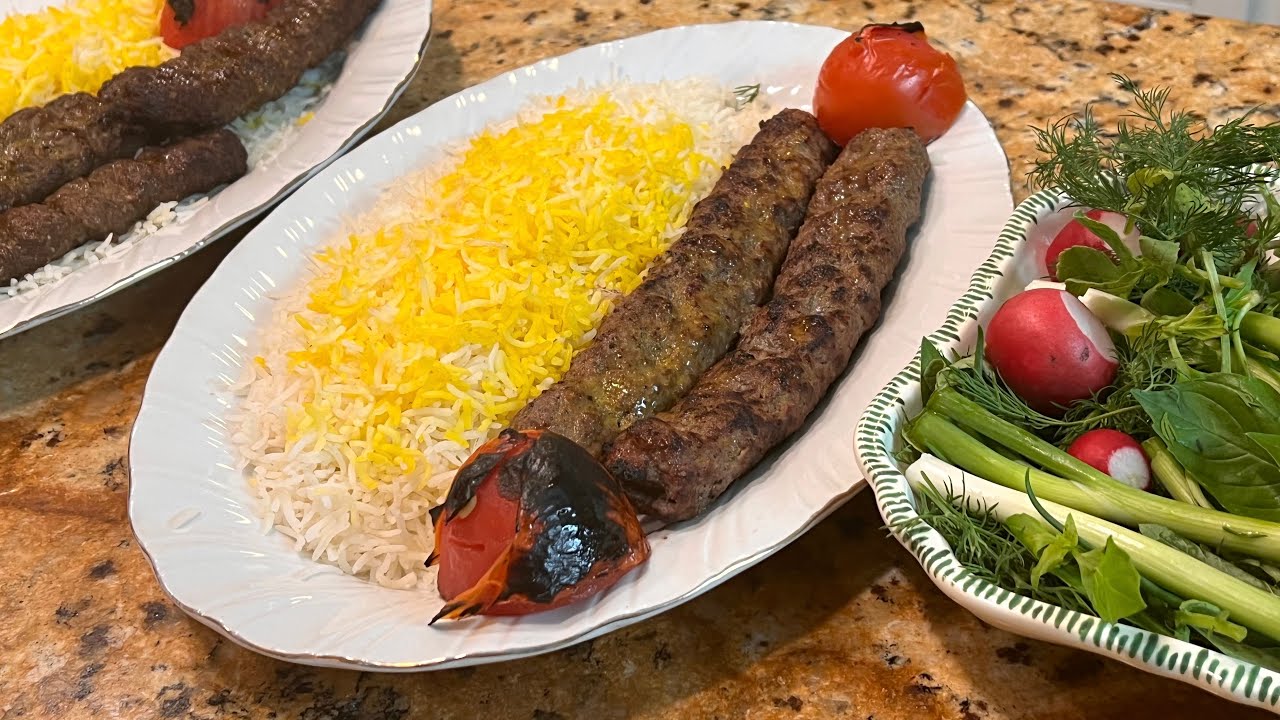
Kabab Koobideh Recipe: Kabab Koobideh is one of the most iconic Persian grilled meat recipes, known for its juicy texture, smoky aroma, tender bite, and beautifully seasoned flavor. Made with ground meat, grated onion, salt, pepper, and a few simple spices, this recipe proves that great cooking does not always require complicated ingredients. What makes Kabab Koobideh special is the technique: the right meat blend, proper onion preparation, careful kneading, firm shaping, and controlled grilling.
This traditional Persian kebab is usually prepared with ground lamb, ground beef, or a combination of both. It is commonly served with saffron rice, grilled tomatoes, fresh herbs, flatbread, sumac, raw onions, and a touch of butter. When prepared correctly, the kebab stays firmly attached to the skewer, cooks evenly, and remains moist from the inside with a lightly charred exterior.
In this detailed guide, we will prepare a flavorful, restaurant-style Kabab Koobideh recipe using simple ingredients and clear cooking steps.
Ingredients You’ll Need for Kabab Koobideh
To make authentic and juicy Kabab Koobideh, we need ingredients that support flavor, moisture, and structure. The most important part of this recipe is choosing meat with enough fat, because lean meat can become dry and may fall apart during grilling.
Main Ingredients
- 1 pound ground lamb or ground beef
- 1 pound ground beef with fat or a mix of beef and lamb
- 1 large onion, finely grated
- 1 ½ teaspoons salt
- 1 teaspoon black pepper
- ½ teaspoon turmeric
- ½ teaspoon sumac
- ½ teaspoon ground saffron, bloomed in 1 tablespoon hot water
- 1 tablespoon butter, melted
- 1 tablespoon olive oil
- 1 teaspoon garlic powder optional
- ½ teaspoon paprika optional
- Fresh lemon wedges, for serving
For Serving
- Persian saffron rice
- Grilled tomatoes
- Grilled onions
- Fresh parsley, mint, or basil
- Lavash or flatbread
- Raw sliced onions
- Extra sumac
- Butter for rice
Best Meat for Kabab Koobideh
The best Kabab Koobideh begins with the right meat. We need meat that has enough fat to stay juicy and hold together on the skewer. A blend of ground beef and ground lamb gives the kebab a rich, deep, traditional flavor. Lamb adds aroma and tenderness, while beef provides structure and a satisfying bite.
For the best result, we should use meat with about 20% fat. If the meat is too lean, the kebab can become dry, crumbly, and difficult to shape. If the meat is too fatty, it may shrink too much while grilling. The ideal balance gives us a kebab that is moist, flavorful, and stable.
A good combination is:
- 50% ground beef
- 50% ground lamb
Or:
- 80% ground beef
- 20% ground lamb
Both options work well, depending on the flavor we prefer.
How to Prepare the Onion Properly
Onion is one of the most important ingredients in Kabab Koobideh, but it must be handled correctly. We do not simply chop the onion and mix it into the meat. Instead, we grate it finely and remove the excess liquid.
After grating the onion, we place it in a fine sieve or clean kitchen towel and squeeze out as much juice as possible. This step is extremely important because too much onion juice can make the meat mixture watery. A watery mixture will not hold well on skewers and may fall apart during grilling.
We only need the grated onion pulp. This gives the kebab sweetness, aroma, and softness without weakening the structure of the meat.
Step-by-Step Guide to Make Kabab Koobideh
Step 1: Grate and Drain the Onion
Peel the onion and grate it using the fine side of a box grater. Place the grated onion into a clean cloth, cheesecloth, or fine strainer. Squeeze firmly until most of the onion juice is removed. The onion should feel moist but not watery.
Transfer the drained onion pulp into a large mixing bowl. This onion will blend into the meat and help create the signature flavor of Persian Kabab Koobideh.
Step 2: Add the Ground Meat
Add the ground beef, ground lamb, or your chosen meat blend into the bowl with the grated onion. The meat should be cold but not frozen. Cold meat is easier to mix and shape, and it helps the kebab hold its form better.
Break the meat apart gently with your hands so the onion can spread evenly through the mixture.
Step 3: Season the Meat Mixture
Add salt, black pepper, turmeric, sumac, garlic powder, paprika, and bloomed saffron to the meat. The saffron gives the kebab a delicate aroma and a warm Persian flavor. Turmeric adds earthiness, while sumac gives a mild tang that balances the richness of the meat.
Mix the ingredients lightly at first, making sure the seasoning is evenly distributed.
Step 4: Knead the Kabab Mixture
Now we knead the meat mixture thoroughly. This is one of the most important steps in making Kabab Koobideh. Kneading helps the proteins in the meat bind together, creating a sticky texture that holds firmly on skewers.
Use your hands to knead the meat for about 8 to 10 minutes. The mixture should become smooth, sticky, and slightly elastic. It should no longer look loose or crumbly.
A properly kneaded mixture will hold together when pressed into a ball. This is the foundation of a perfect kebab.
Step 5: Chill the Meat Mixture
Cover the bowl with plastic wrap and refrigerate the meat mixture for at least 1 hour. Chilling firms the fat and allows the flavors to blend. This also makes the meat easier to shape around the skewers.
For the best flavor, we can refrigerate the mixture for 2 to 4 hours. The longer resting time improves the texture and helps the seasoning penetrate the meat.
Step 6: Prepare the Skewers
Traditional Kabab Koobideh is made using wide, flat metal skewers. These skewers help hold the meat securely and allow even cooking. If using wooden skewers, soak them in water for at least 30 minutes before grilling, but metal skewers are strongly preferred for the most authentic result.
Lightly wet your hands with cold water before shaping the meat. This prevents sticking and helps create a smooth surface.
Step 7: Shape the Meat on the Skewers
Take a portion of the chilled meat mixture and press it around the skewer. Spread it evenly along the length of the skewer, shaping it into a long, flat kebab. The meat should be firm and even, not too thick and not too thin.
Use your fingers to create small ridges along the kebab. These ridges help the meat cook evenly and give Kabab Koobideh its classic appearance.
Press both ends firmly onto the skewer so the meat does not slide off during grilling.
Step 8: Preheat the Grill
Preheat the grill to medium-high heat. The grill should be hot before the kebabs are added. A hot grill helps sear the outside quickly, locking in moisture and preventing the meat from sticking.
If using charcoal, wait until the coals are glowing and covered with light ash. Charcoal grilling gives the kebab a smoky flavor that is very close to traditional Persian preparation.
Step 9: Grill the Kabab Koobideh
Place the skewers on the hot grill. Cook for about 3 to 4 minutes on one side, then turn carefully and cook the other side. Continue turning until the kebabs are browned, juicy, and cooked through.
The total cooking time is usually 8 to 12 minutes, depending on the thickness of the kebabs and the heat of the grill. Avoid overcooking, because ground meat can dry out quickly.
Brush the kebabs lightly with melted butter during the final minutes of grilling for extra flavor and shine.
Step 10: Grill the Tomatoes and Onions
While the kebabs are cooking, place tomatoes and onion wedges on the grill. Grill until softened, lightly charred, and juicy. Grilled tomatoes are a classic side for Kabab Koobideh and add freshness, acidity, and color to the plate.
The tomatoes should be tender but still hold their shape.
Step 11: Rest the Kebabs Briefly
Once the kebabs are done, remove them from the grill and let them rest for 2 to 3 minutes. This allows the juices to settle inside the meat. Resting keeps the kebab tender and prevents the juices from running out too quickly when served.
Step 12: Serve the Kabab Koobideh
Serve the hot Kabab Koobideh with saffron rice, grilled tomatoes, fresh herbs, sumac, and lemon wedges. For a classic Persian-style plate, add a small piece of butter over the rice and sprinkle sumac over the kebab.
We can also serve the kebab wrapped in flatbread with raw onion, herbs, and grilled tomato for a simple and delicious meal.
How to Make Kabab Koobideh Without a Grill
If we do not have an outdoor grill, we can still make delicious Kabab Koobideh indoors. A grill pan, oven broiler, or heavy skillet can work well.
For a grill pan, heat it over medium-high heat and lightly grease it. Shape the meat into long patties if skewers are not practical. Cook each side until browned and cooked through.
For the oven method, place the shaped kebabs on a lined baking tray and broil them under high heat. Turn once during cooking so both sides brown evenly. While the smoky flavor may be lighter than charcoal-grilled kebab, the result can still be juicy and flavorful.
Tips for Juicy Kabab Koobideh
To achieve juicy and tender Kabab Koobideh, we should focus on texture, fat content, and proper shaping. The meat must not be too lean. The onion must be drained well. The mixture must be kneaded until sticky. The shaped kebabs must be chilled and firm before grilling.
Here are the most important tips:
- Use meat with enough fat.
- Drain the grated onion very well.
- Knead the mixture until sticky.
- Chill before shaping and grilling.
- Use wide metal skewers when possible.
- Do not overcook the kebabs.
- Turn the skewers carefully and evenly.
- Brush with butter for extra richness.
These simple techniques make the difference between dry kebabs and tender, restaurant-quality Kabab Koobideh.
Why Kabab Koobideh Falls Off the Skewer
One of the most common problems when making Kabab Koobideh is meat falling off the skewer. This usually happens when the mixture is too wet, too lean, or not kneaded enough.
Excess onion juice can weaken the meat structure. Lean meat does not have enough fat to bind properly. Under-kneaded meat remains loose and crumbly. Warm meat can also soften too quickly and slide off the skewer.
To prevent this, we should drain the onion, use fatty meat, knead properly, and chill the mixture before grilling. Pressing the meat firmly onto wide metal skewers also helps it stay in place.
What to Serve with Kabab Koobideh
Kabab Koobideh is best served with classic Persian sides that balance richness and freshness. Saffron rice is the most traditional choice. The rice is fluffy, aromatic, and perfect for absorbing the kebab juices.
Grilled tomatoes bring acidity and sweetness. Fresh herbs add brightness. Raw onions provide sharpness. Sumac adds a tangy finish that cuts through the richness of the meat.
Excellent serving options include:
- Chelo rice
- Saffron basmati rice
- Lavash bread
- Grilled tomatoes
- Fresh mint and parsley
- Cucumber yogurt sauce
- Shirazi salad
- Pickled vegetables
- Roasted peppers
- Lemon wedges
Together, these sides create a complete and satisfying Persian meal.
How to Store Leftover Kabab Koobideh
Leftover Kabab Koobideh can be stored in an airtight container in the refrigerator for up to 3 days. Allow the kebabs to cool completely before storing them.
To reheat, place them in a covered skillet over low heat with a small splash of water or a little butter. This helps restore moisture. We can also reheat them in the oven at a low temperature until warmed through.
Avoid microwaving for too long, because it can make the meat tough.
Can We Freeze Kabab Koobideh?
Yes, Kabab Koobideh can be frozen either before or after cooking. To freeze uncooked kebabs, shape the meat mixture into portions and place them on a tray lined with parchment paper. Freeze until firm, then transfer to freezer bags.
To cook from frozen, thaw overnight in the refrigerator before grilling. This helps the kebabs cook evenly and hold their shape.
Cooked kebabs can also be frozen for up to 2 months. Wrap them well to prevent freezer burn.
Kabab Koobideh Recipe Card
Ingredients
- 1 pound ground beef
- 1 pound ground lamb
- 1 large onion, finely grated and drained
- 1 ½ teaspoons salt
- 1 teaspoon black pepper
- ½ teaspoon turmeric
- ½ teaspoon sumac
- ½ teaspoon bloomed saffron
- 1 tablespoon melted butter
- 1 tablespoon olive oil
- ½ teaspoon paprika optional
- Lemon wedges for serving
Instructions
- Grate the onion finely and squeeze out the excess liquid.
- Add the drained onion to a large bowl with the ground meat.
- Add salt, pepper, turmeric, sumac, saffron, paprika, and olive oil.
- Knead the mixture for 8 to 10 minutes until sticky and smooth.
- Cover and refrigerate for at least 1 hour.
- Wet your hands and shape the meat firmly onto wide metal skewers.
- Preheat the grill to medium-high heat.
- Grill the kebabs for 8 to 12 minutes, turning carefully.
- Brush with melted butter during the final minutes.
- Serve hot with saffron rice, grilled tomatoes, herbs, and sumac.
FAQs about Kabab Koobideh Recipe
1. What is Kabab Koobideh?
Kabab Koobideh is a traditional Persian grilled meat kebab made with ground meat, usually lamb, beef, or a mixture of both. The meat is seasoned with grated onion, salt, pepper, and sometimes mild spices, then shaped onto flat skewers and grilled until juicy and flavorful.
2. What meat is best for Kabab Koobideh?
The best meat for Kabab Koobideh is ground lamb, ground beef, or a combination of both. A good balance of meat and fat is important because fat helps keep the kabab moist and tender. Using meat that is too lean can make the kabab dry or crumbly.
3. Why does Kabab Koobideh fall off the skewer?
Kabab Koobideh may fall off the skewer if the meat mixture is too wet, not kneaded enough, or not chilled before grilling. To prevent this, squeeze excess liquid from the grated onion, mix the meat thoroughly until sticky, and refrigerate it before shaping onto skewers.
4. Can I make Kabab Koobideh without a grill?
Yes, Kabab Koobideh can be made without an outdoor grill. You can cook it in a grill pan, oven broiler, or on a stovetop pan. While charcoal grilling gives the most authentic smoky flavor, indoor cooking still produces delicious results when the kababs are cooked over high heat.
5. What do you serve with Kabab Koobideh?
Kabab Koobideh is commonly served with saffron rice, grilled tomatoes, fresh herbs, onions, flatbread, and lemon wedges. It also pairs well with yogurt sauce, cucumber salad, or roasted vegetables for a complete and satisfying Persian-style meal.
Final Thoughts
A perfect Kabab Koobideh recipe depends on simple ingredients handled with the right technique. The flavor comes from quality meat, fresh onion, balanced seasoning, and careful grilling. The texture comes from proper fat content, strong kneading, and enough chilling time.
When we prepare the meat correctly, drain the onion properly, and shape the kebabs with care, we get a juicy Persian kebab with a smoky crust and tender center. Served with saffron rice, grilled tomatoes, fresh herbs, and sumac, Kabab Koobideh becomes a complete, memorable, and deeply satisfying meal.