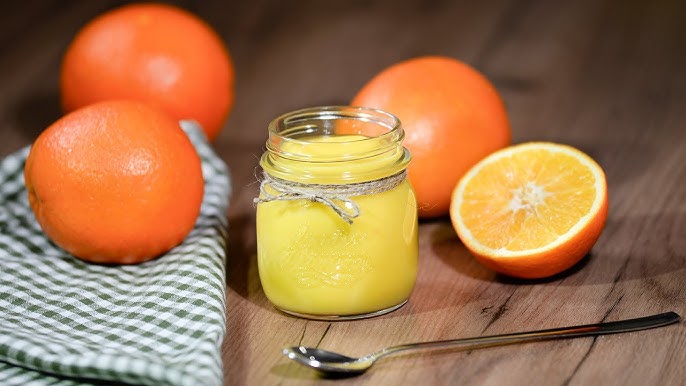
Orange Curd Recipe: Orange curd is a smooth, glossy, citrus-rich spread made with fresh orange juice, orange zest, sugar, eggs, and butter. It has a bright flavor, a creamy texture, and a beautiful golden-orange color that makes it perfect for cakes, tarts, pastries, toast, pancakes, cupcakes, cookies, and dessert fillings. Unlike lemon curd, which is sharper and more tangy, orange curd has a softer, sweeter citrus flavor with a warm, fragrant aroma.
This orange curd recipe gives us a silky, buttery, and beautifully balanced curd that is sweet, fresh, and easy to prepare at home. With the right method, we can create a smooth orange curd without lumps, curdled eggs, or an overly runny texture. The secret is to use fresh oranges, cook the mixture gently, stir continuously, and strain the curd for the finest finish.
Ingredients You’ll Need
To make a rich and flavorful homemade orange curd, we need simple ingredients that work together to create a creamy citrus spread.
Main Ingredients
- 3 large eggs
- 2 large egg yolks
- ¾ cup granulated sugar
- ½ cup fresh orange juice
- 1 tablespoon orange zest
- 1 tablespoon lemon juice
- ½ cup unsalted butter, cut into small cubes
- A small pinch of salt
Optional Ingredients for Extra Flavor
- ½ teaspoon vanilla extract
- 1 teaspoon cornstarch for a thicker curd
- A few drops of orange extract for a stronger orange flavor
- 1 teaspoon finely grated lemon zest for a brighter citrus taste
Best Oranges for Orange Curd
For the best orange curd recipe, we should use fresh, juicy, flavorful oranges. Sweet oranges such as navel oranges, Valencia oranges, or cara cara oranges work beautifully. Navel oranges give a naturally sweet and classic orange flavor, while Valencia oranges provide excellent juice. Cara cara oranges bring a deeper color and a slightly berry-like citrus note.
Freshly squeezed orange juice is always better than bottled juice because it has a cleaner taste and brighter aroma. Bottled orange juice can sometimes taste flat, overly sweet, or slightly bitter, which may affect the final flavor of the curd.
The zest is just as important as the juice. Orange zest contains natural citrus oils, which give the curd its strong orange fragrance. When zesting oranges, we should only remove the bright outer layer and avoid the white pith underneath, because the pith can add bitterness.
Step-by-Step Guide to Making Orange Curd
Step 1: Prepare the Oranges
Wash the oranges thoroughly under clean running water, especially because we will be using the zest. Dry them with a clean towel, then grate the outer orange peel using a fine grater or microplane. After zesting, cut the oranges and squeeze out the juice.
Measure ½ cup of fresh orange juice and set it aside. If the juice contains seeds or pulp, strain it before using. A little pulp is fine, but a smooth juice helps create a smoother curd.
Step 2: Combine the Eggs, Sugar, and Citrus
In a medium heatproof bowl or saucepan, add the eggs, egg yolks, granulated sugar, orange juice, orange zest, lemon juice, and salt. Whisk everything together until the mixture looks smooth and well combined.
The lemon juice helps sharpen the orange flavor and gives the curd a more balanced citrus taste. Since oranges are naturally sweeter and less acidic than lemons, a small amount of lemon juice prevents the curd from tasting too sweet or dull.
Step 3: Cook the Orange Curd Gently
Place the saucepan over low heat. Cook the mixture slowly while stirring constantly with a whisk or silicone spatula. This step is very important because eggs can scramble if exposed to high heat.
Keep stirring the mixture, making sure to scrape the bottom and sides of the pan. The curd will gradually begin to thicken. At first, it will look thin and liquid, but after several minutes, it will become creamy and slightly glossy.
The orange curd is ready when it coats the back of a spoon. To test it, dip a spoon into the curd and run a finger through the coating on the back of the spoon. If the line stays clear, the curd has thickened properly.
Step 4: Add the Butter
Once the curd has thickened, remove it from the heat. Add the butter cubes a few pieces at a time, stirring until each addition melts completely before adding more.
The butter gives the orange curd its rich, silky, and luxurious texture. It also softens the citrus flavor and creates a smooth finish. Using unsalted butter allows us to control the salt level better.
If using vanilla extract or orange extract, stir it in after the butter has melted. This keeps the flavor fresh and fragrant.
Step 5: Strain the Curd for a Smooth Texture
For the smoothest orange curd, pour the mixture through a fine mesh sieve into a clean bowl or jar. Straining removes any tiny pieces of cooked egg, zest, or pulp, leaving a perfectly silky curd.
Use a spatula to gently press the curd through the sieve. Do not skip this step if a professional, bakery-style texture is desired.
Step 6: Cool and Store
Allow the orange curd to cool at room temperature for a few minutes. Then cover it with plastic wrap, pressing the wrap directly onto the surface of the curd. This prevents a skin from forming.
Transfer the curd into a clean glass jar or airtight container and refrigerate it. The curd will continue to thicken as it cools. After a few hours in the refrigerator, it will become spreadable, creamy, and ready to use.
How to Know When Orange Curd Is Done
The best orange curd should be thick enough to coat a spoon, but still soft and smooth. It should not be watery, grainy, or scrambled. The texture should be similar to a soft custard or silky pudding.
If the curd is too thin, it may not have cooked long enough. Continue cooking over low heat while stirring until it thickens. If it becomes lumpy, the heat may have been too high, but straining can usually fix small lumps.
A properly cooked orange curd will look glossy, rich, and slightly thick while warm. Once chilled, it becomes firmer and easier to spread.
Tips for the Best Homemade Orange Curd
Use fresh orange juice for the brightest flavor. Bottled juice may work in a hurry, but fresh juice gives the curd a cleaner and more natural taste.
Cook the curd over low heat. High heat can cook the eggs too quickly and create a scrambled texture. Patience gives us the smoothest result.
Stir continuously. Constant stirring prevents the eggs from settling at the bottom of the pan and overcooking.
Use both whole eggs and egg yolks. Whole eggs help set the curd, while yolks add richness, color, and creaminess.
Add a little lemon juice. This improves the flavor balance and makes the orange taste brighter.
Strain the curd after cooking. This step creates a smooth, professional finish.
How to Thicken Orange Curd
Orange curd thickens naturally from the eggs and butter, but if a thicker texture is desired, we can add 1 teaspoon of cornstarch to the sugar before whisking it into the eggs. This helps stabilize the curd and gives it a firmer consistency.
Another way to make thicker curd is to use more egg yolks. Egg yolks add richness and help the curd set beautifully. However, we should avoid overcooking, because too much heat can make the curd grainy.
Chilling is also important. Orange curd may look slightly loose while warm, but it becomes thicker after refrigeration.
How to Use Orange Curd
Orange curd is extremely versatile and can be used in many sweet dishes. It adds a rich citrus flavor and creamy texture to both simple and elegant desserts.
Spread it on toast, scones, biscuits, pancakes, waffles, muffins, or croissants. It also works beautifully as a filling for cakes, cupcakes, macarons, sandwich cookies, crepes, doughnuts, and tart shells.
For desserts, orange curd can be layered with whipped cream and crushed cookies to make parfaits. It can also be spooned over cheesecake, pound cake, vanilla ice cream, Greek yogurt, or pavlova.
For a simple dessert, fill mini tart shells with chilled orange curd and top with whipped cream or fresh berries. The result is bright, creamy, and elegant.
Orange Curd for Cake Filling
Orange curd makes an excellent cake filling because it adds moisture, flavor, and brightness. It pairs especially well with vanilla cake, chocolate cake, almond cake, coconut cake, and sponge cake.
When using orange curd between cake layers, it is best to create a buttercream border around the edge of the cake layer before adding the curd. This prevents the curd from spilling out. The curd should also be chilled and thick before using as a filling.
For a more stable cake filling, mix orange curd with a small amount of buttercream, cream cheese frosting, or whipped mascarpone. This creates a creamy citrus filling that holds well between layers.
Orange Curd Tart Filling
To use this curd in a tart, prepare a fully baked tart shell and allow it to cool completely. Spoon the chilled orange curd into the tart shell and smooth the top with a spatula. Refrigerate the tart until the filling is firm.
Orange curd tarts can be decorated with fresh orange slices, berries, whipped cream, chocolate curls, candied orange peel, or toasted almonds. The combination of crisp tart shell and creamy orange filling creates a dessert that looks beautiful and tastes refreshing.
How to Store Orange Curd
Store orange curd in a clean airtight jar or container in the refrigerator. It usually keeps well for about 1 week when properly refrigerated.
Always use a clean spoon when serving to prevent contamination. Do not leave the curd at room temperature for long periods, especially because it contains eggs and butter.
For longer storage, orange curd can be frozen. Place it in a freezer-safe container, leaving a little space at the top because it may expand slightly. Freeze for up to 2 months. Thaw overnight in the refrigerator and stir before using.
Common Mistakes to Avoid
One common mistake is using high heat. Orange curd should be cooked slowly so the eggs thicken gently without scrambling.
Another mistake is skipping the zest. Orange juice alone may not provide enough orange flavor. The zest gives the curd its deep citrus aroma and stronger orange taste.
Do not skip the lemon juice. Since oranges are sweet, lemon juice helps sharpen the flavor and prevents the curd from tasting too mild.
Avoid boiling the curd. Boiling can ruin the texture and make the curd grainy. Gentle heat is the key to smooth results.
Do not store the curd while it is uncovered. Pressing plastic wrap directly onto the surface helps prevent a thick skin from forming.
Flavor Variations
For a warmer flavor, add a tiny pinch of cinnamon or ginger. This creates a cozy orange curd that works well for holiday desserts.
For a more intense citrus flavor, combine orange juice with a little lemon or lime juice. This creates a brighter, tangier curd.
For a richer dessert-style curd, add a splash of vanilla extract after cooking. Vanilla softens the citrus and gives the curd a creamy bakery-style taste.
For a beautiful color, use blood oranges or cara cara oranges. These oranges create a more vibrant curd with a unique citrus flavor.
Serving Suggestions
Serve orange curd with freshly baked scones for a classic tea-time treat. Spread it on warm toast for a simple breakfast. Spoon it over pancakes or waffles for a bright citrus topping.
Use it as a filling for cupcakes, cakes, and pastries. Add it to yogurt bowls, parfaits, or fruit desserts. Swirl it into whipped cream for a light orange cream. Layer it with crushed biscuits for a quick no-bake dessert.
Orange curd also pairs well with chocolate. Spread it between chocolate cake layers or serve it with chocolate cookies for a rich citrus-chocolate combination.
FAQs about Orange Curd Recipe
Step 1: What is orange curd?
Orange curd is a smooth, creamy citrus spread made with fresh orange juice, orange zest, eggs, sugar, and butter. It has a bright, sweet-tangy flavor and can be used as a filling, topping, or dessert spread.
Step 2: How do we make orange curd smooth and creamy?
To make orange curd smooth, we cook the mixture gently over low heat while stirring constantly. We should avoid boiling it because high heat can scramble the eggs. After cooking, we can strain the curd through a fine sieve to remove zest pieces or any small lumps.
Step 3: Can we use bottled orange juice?
Fresh orange juice is best because it gives the curd a brighter, more natural flavor. Bottled juice can be used in a hurry, but it may taste less fresh and may contain added sugar or preservatives that affect the final taste.
Step 4: How long does orange curd last?
Orange curd can last about 1 to 2 weeks in the refrigerator when stored in a clean, airtight jar. Always let it cool completely before covering and chilling. For longer storage, it can also be frozen for up to 2 months.
Step 5: What can we serve with orange curd?
Orange curd is delicious with toast, scones, pancakes, waffles, yogurt, cakes, tart shells, cupcakes, and cookies. We can also layer it in parfaits or use it as a bright filling for pastries and desserts.
Final Thoughts
This orange curd recipe gives us a smooth, buttery, and flavorful citrus spread that is easy to make with fresh oranges and simple kitchen ingredients. By cooking the mixture gently, stirring constantly, and straining it after cooking, we create a silky curd with a bright orange flavor and a professional texture.
Whether we use it for cakes, tarts, pastries, breakfast spreads, or elegant desserts, homemade orange curd brings freshness, richness, and beautiful citrus flavor to every bite.