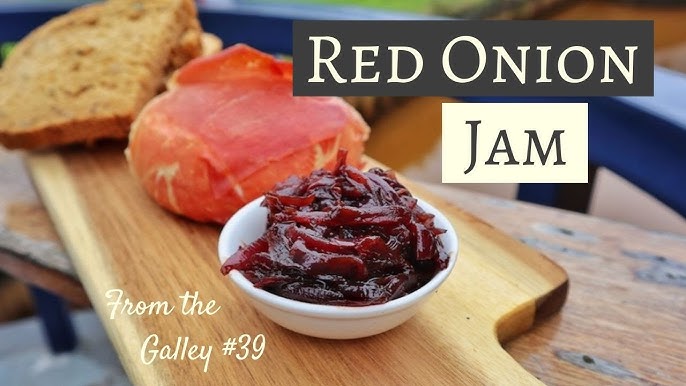
Onion Jam Recipe: Onion jam is a rich, sweet, savory, and deeply flavorful condiment made by slowly cooking onions until they become soft, glossy, caramelized, and beautifully concentrated. It is the kind of recipe that transforms a simple ingredient into something luxurious, versatile, and unforgettable.
With the right balance of sweetness, acidity, seasoning, and slow-cooked onion flavor, we can create a homemade onion jam that tastes elegant enough for a cheese board, hearty enough for burgers, and refined enough to serve with roasted meats, sandwiches, grilled vegetables, or artisan bread.
Whether we are preparing it for meal prep, gifting, entertaining, or upgrading everyday dishes, this step-by-step guide will help us make the best homemade onion jam with a smooth texture, bold aroma, and perfectly balanced taste.
What Is Onion Jam?
Onion jam is a savory-sweet spread made by cooking sliced or chopped onions with sugar, vinegar, and seasonings until the mixture thickens into a soft, glossy preserve. Unlike fruit jam, onion jam is not purely sweet. It carries the deep umami flavor of onions, the mild tang of vinegar, the warmth of herbs, and a gentle sweetness that makes it incredibly versatile.
The beauty of onion jam is its ability to enhance both simple and elegant dishes. A spoonful can turn a basic sandwich into something special. It can add depth to grilled cheese, burgers, roasted chicken, pork chops, steak, sausages, bruschetta, flatbread, crackers, and creamy cheeses. It also works beautifully with breakfast dishes, especially eggs, toast, and savory pastries.
A proper homemade onion jam recipe should be thick but not dry, sweet but not sugary, tangy but not sharp, and flavorful without overpowering the dish it accompanies.
Ingredients You’ll Need
To make a flavorful and well-balanced onion jam, we need simple ingredients that work together to build sweetness, acidity, aroma, and depth.
Main Ingredients
- 4 large yellow onions, thinly sliced
- 2 tablespoons olive oil
- 2 tablespoons unsalted butter
- ½ cup brown sugar
- ⅓ cup balsamic vinegar
- ¼ cup apple cider vinegar
- 1 teaspoon salt
- ½ teaspoon black pepper
- 1 teaspoon fresh thyme leaves or ½ teaspoon dried thyme
- 1 bay leaf
- 2 tablespoons water, as needed
- 1 tablespoon honey or maple syrup, optional for extra sweetness
Optional Flavor Additions
- ¼ teaspoon red pepper flakes for gentle heat
- 1 teaspoon Dijon mustard for sharper depth
- 1 clove garlic, minced
- 1 tablespoon fresh rosemary, finely chopped
- 2 tablespoons red wine for a richer flavor
- A pinch of smoked paprika for subtle smokiness
Each ingredient has a purpose. Onions provide the base and natural sweetness. Butter and olive oil help with smooth cooking and richness. Brown sugar deepens the caramel flavor. Balsamic vinegar adds body and dark sweetness, while apple cider vinegar brightens the jam and keeps it from tasting too heavy. Thyme, bay leaf, salt, and pepper round out the savory flavor.
Best Onions to Use for Onion Jam
The best onions for onion jam are yellow onions, red onions, or sweet onions. Yellow onions offer a balanced flavor and become beautifully sweet when cooked slowly. Red onions create a darker, slightly fruitier jam with a striking color. Sweet onions produce a softer, milder jam with a naturally sugary taste.
For a classic onion jam, yellow onions are the best all-purpose choice. They caramelize well, hold flavor, and pair easily with meats, cheeses, and breads. For a more elegant version, we can use half yellow onions and half red onions to create more depth and color.
The key is to slice the onions thinly and evenly so they cook at the same rate. Uneven pieces can cause some onions to burn while others remain too firm.
Kitchen Tools Needed
We do not need complicated equipment for this recipe. A few basic kitchen tools are enough to make a smooth and flavorful onion jam.
- Large heavy-bottomed skillet or saucepan
- Sharp knife
- Cutting board
- Wooden spoon or silicone spatula
- Measuring cups and spoons
- Clean glass jar with lid
- Small bowl for mixing seasonings
A heavy-bottomed pan is important because onions need slow, even heat. Thin pans can create hot spots, which may cause burning before the onions fully caramelize.
Step-by-Step Guide to Make Onion Jam
Step 1: Prepare the Onions
Peel the onions and slice them thinly from root to stem. Thin slices help the onions soften evenly and create a jam-like texture. If we prefer a smoother onion jam, we can chop the onions into smaller pieces instead of slicing them. However, sliced onions create a more rustic and elegant texture.
After slicing, separate the onion layers gently with our hands. This allows them to cook evenly once they go into the pan.
Step 2: Heat the Oil and Butter
Place a large skillet or heavy-bottomed saucepan over medium heat. Add the olive oil and butter. Allow the butter to melt fully, then swirl the pan so the oil and butter coat the bottom evenly.
Using both oil and butter gives us the best result. Butter adds richness and flavor, while olive oil helps prevent the butter from browning too quickly.
Step 3: Cook the Onions Slowly
Add the sliced onions to the pan and stir well to coat them in the oil and butter. Sprinkle in the salt. The salt helps draw moisture from the onions, allowing them to soften and cook down more evenly.
Cook the onions over medium-low heat for about 25 to 35 minutes, stirring often. The onions should gradually turn soft, golden, and fragrant. We do not want to rush this stage. Slow cooking is what develops the deep caramelized flavor that makes onion jam special.
If the onions begin to stick or brown too quickly, reduce the heat and add a tablespoon of water. This helps loosen any flavorful bits from the bottom of the pan without burning the onions.
Step 4: Add the Sugar and Seasonings
Once the onions are soft and lightly caramelized, add the brown sugar, black pepper, thyme, and bay leaf. Stir well so the sugar begins to melt into the onions.
At this point, the onions will look glossy and slightly darker. The sugar helps intensify the natural sweetness of the onions and encourages the jam to thicken later.
For a more complex onion jam, we can add minced garlic, red pepper flakes, or a small spoon of Dijon mustard at this stage. These ingredients are optional, but they can give the jam extra personality.
Step 5: Add the Vinegar
Pour in the balsamic vinegar and apple cider vinegar. Stir carefully, scraping the bottom of the pan to release any caramelized bits. These bits are full of flavor and help create a deeper, richer jam.
The vinegar will smell sharp at first, but as it cooks down, the acidity softens and blends beautifully with the sweetness of the onions and sugar.
Let the mixture simmer gently over low heat. Stir every few minutes to prevent sticking.
Step 6: Simmer Until Thick and Jammy
Allow the onion mixture to cook for another 20 to 30 minutes, or until it becomes thick, glossy, and spreadable. The liquid should reduce significantly, and the onions should look rich and dark.
The final texture should be soft and spoonable, not watery. When we drag a spoon through the pan, the mixture should briefly hold its shape before slowly coming back together.
If the jam becomes too thick before the onions are fully tender, add a tablespoon or two of water and continue cooking. If it is too loose, keep simmering until the excess liquid evaporates.
Step 7: Taste and Adjust
Remove the bay leaf and taste the onion jam. Adjust the flavor as needed.
If it tastes too sharp, add a little more brown sugar, honey, or maple syrup. If it tastes too sweet, add a small splash of apple cider vinegar. If it needs more depth, add a pinch of salt or black pepper.
A good onion jam should taste sweet, tangy, savory, rich, and balanced. No single flavor should overpower the others.
Step 8: Cool and Store
Once the jam reaches the desired consistency, remove it from the heat and let it cool for about 10 to 15 minutes. Transfer it into a clean glass jar and allow it to cool completely before covering and refrigerating.
The flavor becomes even better after a few hours because the onions, vinegar, sugar, and herbs have time to settle together.
How to Serve Onion Jam
Onion jam is one of the most versatile condiments we can keep in the refrigerator. It pairs beautifully with both casual meals and elegant appetizers.
Spread it on burgers for a sweet-savory upgrade. Add it to grilled cheese sandwiches for richness and depth. Spoon it over cream cheese, brie, goat cheese, or sharp cheddar for a simple appetizer. Serve it with roasted chicken, pork chops, steak, sausages, or lamb for a restaurant-style finish.
It also works well on flatbread, pizza, crostini, toast, wraps, paninis, and charcuterie boards. For breakfast, we can serve it with scrambled eggs, omelets, breakfast sandwiches, or savory biscuits.
A little onion jam goes a long way because the flavor is concentrated. One or two teaspoons can completely transform a dish.
Expert Tips for the Best Onion Jam
The most important tip is to cook the onions slowly. High heat may brown the onions quickly, but it will not develop the same deep sweetness. Slow cooking allows the natural sugars to release and caramelize properly.
Use a wide pan if possible. A wider cooking surface helps moisture evaporate more efficiently, which gives the jam a better texture. Avoid covering the pan for too long because trapped steam can make the onions watery.
Balance is also essential. Onion jam should not taste like candy, and it should not taste like straight vinegar. The best version has enough sweetness to feel rich and enough acidity to stay bright.
For a smoother jam, we can pulse the finished mixture briefly in a food processor. For a rustic version, leave the onions sliced and textured.
How to Store Homemade Onion Jam
Store onion jam in a clean, airtight jar in the refrigerator. It will keep well for about 1 to 2 weeks when refrigerated properly.
Always use a clean spoon when serving to avoid introducing bacteria into the jar. Do not leave the jar open at room temperature for long periods.
For longer storage, onion jam can be frozen. Place it in a freezer-safe container, leaving a little space at the top for expansion. Freeze for up to 3 months. Thaw overnight in the refrigerator before using.
This recipe is designed for refrigerator storage, not shelf-stable canning. For long-term pantry storage, proper tested canning methods and acidity levels must be followed.
Onion Jam Variations
Balsamic Onion Jam
Use extra balsamic vinegar and reduce the apple cider vinegar slightly. This creates a darker, richer jam with a more elegant flavor.
Spicy Onion Jam
Add red pepper flakes, chili powder, or a finely chopped fresh chili. This version works well with burgers, grilled meats, and sandwiches.
Red Onion Jam
Use red onions instead of yellow onions. The result is slightly fruitier, deeper in color, and excellent for cheese boards.
Garlic Onion Jam
Add minced garlic during the last few minutes of caramelizing the onions. This gives the jam a stronger savory flavor.
Herb Onion Jam
Add rosemary, thyme, or sage for a more aromatic version. This is especially good with roasted meats and holiday dishes.
Common Mistakes to Avoid
One common mistake is cooking the onions too quickly. If the heat is too high, the onions may burn before they become soft and sweet. Another mistake is adding the vinegar too early. The onions should be softened and lightly caramelized before vinegar is added.
Using too much sugar can make the jam overly sweet. The sugar should support the onions, not cover their natural flavor. Also, avoid undercooking the jam. If too much liquid remains, the texture will be thin instead of rich and spreadable.
Finally, do not skip tasting and adjusting. Onions vary in sweetness, and vinegars vary in strength, so the final seasoning should always be balanced before storage.
Best Foods to Pair with Onion Jam
Onion jam pairs exceptionally well with foods that benefit from sweetness, acidity, and savory depth. It is excellent with aged cheddar, goat cheese, brie, cream cheese, blue cheese, and gouda. It also complements meats such as beef, pork, chicken, turkey, lamb, and sausage.
For bread pairings, serve it with sourdough, baguette slices, brioche buns, crackers, focaccia, or toasted rye. It also works as a glaze base for roasted vegetables, especially carrots, Brussels sprouts, potatoes, and mushrooms.
When used thoughtfully, onion jam adds richness without making the dish feel heavy.
FAQs about Onion Jam Recipe
Step 1: What is onion jam?
Onion jam is a sweet and savory spread made by slowly cooking onions with sugar, vinegar, and seasonings until they become soft, glossy, and rich in flavor. It is not a traditional fruit jam, but it has a similar thick and spreadable texture. Onion jam is perfect for burgers, sandwiches, cheese boards, grilled meats, and roasted vegetables.
Step 2: What ingredients do we need to make onion jam?
To make a simple onion jam, we need sliced onions, brown sugar, balsamic vinegar or apple cider vinegar, olive oil or butter, salt, and black pepper. Some recipes also include garlic, thyme, red pepper flakes, or a little honey for extra depth and sweetness.
Step 3: How long does onion jam take to cook?
Onion jam usually takes about 35 to 50 minutes to cook properly. The onions must be cooked slowly so they caramelize without burning. The mixture is ready when it becomes thick, sticky, and dark golden brown.
Step 4: How do we store onion jam?
After cooking, allow the onion jam to cool completely. Transfer it into a clean airtight jar and store it in the refrigerator. It can usually last for about 1 to 2 weeks when properly refrigerated.
Step 5: What can we eat onion jam with?
Onion jam pairs beautifully with toast, crackers, burgers, steak, chicken, cheese, sandwiches, and roasted potatoes. It adds a rich sweet-savory flavor that makes simple dishes taste more special and gourmet.
Final Thoughts
This onion jam recipe proves that simple ingredients can create an impressive and flavorful condiment when treated with patience and care. With slow-cooked onions, balanced vinegar, brown sugar, herbs, and gentle seasoning, we create a jam that is rich, glossy, savory, sweet, and deeply satisfying.
Homemade onion jam is perfect for everyday meals, special occasions, cheese boards, sandwiches, burgers, roasted meats, and appetizers. Once we prepare a jar, it becomes one of those kitchen staples that makes almost everything taste better.