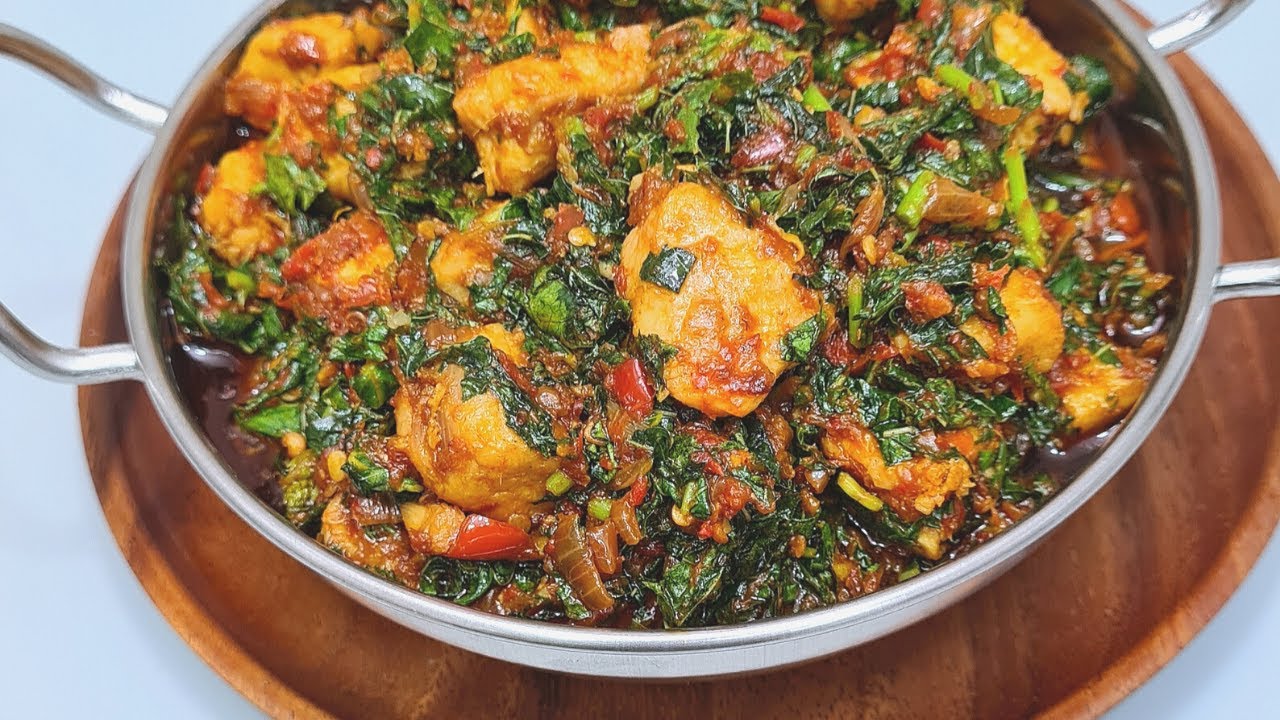
Nigerian chicken stew is one of the most popular and versatile dishes in Nigerian cuisine. Made with fresh tomatoes, red bell peppers, onions, hot peppers, aromatic seasonings, and tender chicken, this richly flavoured stew delivers the deep colour and satisfying taste that make Nigerian tomato stew a household favourite.
When we prepare a traditional Nigerian chicken stew recipe, our goal is to develop layers of flavour rather than simply cooking tomatoes and chicken together. We blend the pepper mixture until smooth, properly reduce it to remove excess moisture, fry it until the natural sweetness develops, and allow the seasoned chicken to simmer in the sauce.
The finished stew should be thick, vibrant, savoury, slightly spicy, and packed with chicken flavour. It can be served with white rice, jollof rice, yam, plantain, pasta, beans, bread, or several other Nigerian staples.
What Is Nigerian Chicken Stew?
Nigerian chicken stew is a tomato and pepper-based sauce cooked with seasoned chicken. Although preparation methods differ slightly between households, the foundation usually consists of tomatoes, red bell peppers, onions, chilli peppers, cooking oil, stock, seasoning, and chicken.
What distinguishes a good Nigerian stew from an ordinary tomato sauce is the cooking technique. We do not want the ingredients to taste raw or watery. The blended tomatoes and peppers need enough cooking time for their moisture to evaporate and their flavours to become concentrated.
The chicken also contributes significantly to the final result. By seasoning and cooking the chicken first, we create a flavourful stock that can later be added to the stew. The chicken may then be fried, grilled, air-fried, or used directly in the sauce depending on the texture we prefer.
Ingredients for Nigerian Chicken Stew
For a rich and balanced stew, we recommend using fresh ingredients and adjusting the pepper level according to personal preference.
Main Ingredients
- 1 whole chicken, cut into serving pieces
- 6 large fresh tomatoes
- 3 large red bell peppers
- 2 medium onions
- 1–3 Scotch bonnet peppers
- 1 cup vegetable oil
- 2 tablespoons tomato paste
- 2 cups chicken stock, or as needed
- 2 teaspoons curry powder
- 1 teaspoon dried thyme
- 2–3 seasoning cubes
- 1 teaspoon ground black or white pepper
- Salt to taste
- 2 bay leaves, optional
- 1 teaspoon garlic powder or fresh garlic, optional
- 1 teaspoon ginger, optional
These quantities can be adjusted depending on how much stew we want to prepare and how thick we prefer the finished sauce.
How to Prepare the Chicken
Properly seasoned chicken creates the foundation for a flavourful Nigerian stew.
First, we wash and prepare the chicken according to our preferred kitchen method and place the pieces in a large pot. We add some chopped onion, curry powder, thyme, seasoning cubes, pepper, and salt.
A small amount of water can be added if necessary, although the chicken will release some liquid as it cooks.
We cover the pot and allow the chicken to cook over medium heat until tender. Once cooked, we reserve the chicken stock because it contains concentrated flavour that will later enrich our stew.
For a traditional finish, we can fry the cooked chicken briefly in hot vegetable oil until golden brown. Alternatively, we can grill or air-fry it for a lighter result.
The important point is to avoid overcooking the chicken. We want it tender enough to absorb the stew while still retaining its structure.
Preparing the Tomato and Pepper Mixture
Next, we prepare the signature pepper base.
We roughly chop the:
- Fresh tomatoes
- Red bell peppers
- Scotch bonnet peppers
- Onion
We transfer them to a blender and blend until relatively smooth.
If the mixture contains a large amount of water, we can pour it into a saucepan and boil it uncovered until much of the liquid evaporates. This step significantly reduces the amount of time required to fry the stew later.
Removing excess moisture also helps us achieve a thicker Nigerian chicken stew with a deeper tomato flavour.
How to Cook Nigerian Chicken Stew Step by Step
1. Heat the Cooking Oil
We place a large pot over medium heat and add the vegetable oil.
If we previously fried the chicken, some of that flavourful oil can be used for the stew, provided it has not burned.
2. Fry the Onion
We add sliced or chopped onion to the hot oil and fry briefly until fragrant.
The onions should soften without becoming excessively dark.
3. Add Tomato Paste
We stir in the tomato paste and fry it for a few minutes.
Frying tomato paste before adding the fresh pepper mixture helps deepen its flavour, reduce acidity, and contribute to the beautiful red colour associated with authentic Nigerian tomato stew.
4. Add the Blended Pepper Mixture
We carefully pour the blended tomatoes and peppers into the pot.
We stir thoroughly, cover partially, and allow the mixture to cook over medium heat.
It is important to stir occasionally, particularly as the mixture thickens, to prevent it from sticking to the bottom of the pot.
5. Fry Until Properly Reduced
We continue cooking until the tomato mixture becomes noticeably thicker and the raw tomato aroma disappears.
A useful indication that the stew base is properly cooked is when the oil begins to rise and become visible around the surface and edges.
This stage should not be rushed. Properly frying the tomato-pepper mixture is one of the secrets to delicious Nigerian chicken stew.
6. Add Seasonings and Chicken Stock
Once the tomato base has reduced properly, we add curry powder, thyme, seasoning cubes, bay leaves, and additional salt if necessary.
We gradually pour in some of the reserved chicken stock and stir.
We should avoid adding too much stock at once because we want a rich stew rather than a thin soup.
7. Add the Chicken
We place the fried, grilled, or cooked chicken pieces into the tomato stew.
We stir carefully so that each piece becomes coated with the sauce.
The pot is then partially covered, and we allow everything to simmer over low to medium heat for about 10–15 minutes.
This final simmer gives the chicken time to absorb the flavours of the tomato sauce while releasing some of its own flavour back into the stew.
How to Know When Nigerian Chicken Stew Is Ready
A properly cooked Nigerian chicken tomato stew should have a rich red appearance and a noticeable layer of oil around the sauce without being excessively oily.
The tomatoes should no longer taste raw or sharply acidic. Instead, the flavour should be savoury, slightly sweet from the peppers and tomatoes, aromatic from the seasonings, and spicy according to the quantity of Scotch bonnet used.
The consistency should also be fairly thick.
If the stew remains watery, we allow it to simmer uncovered for several additional minutes.
Tips for Making the Best Nigerian Chicken Stew
Cook the Tomato Base Properly
One of the most common mistakes is stopping the cooking process too early. A tomato mixture that has not reduced sufficiently can leave the stew tasting raw and acidic.
We should allow enough time for the tomatoes and peppers to fry properly.
Use Red Bell Peppers for Colour and Flavour
Red bell peppers contribute natural sweetness, flavour, and an attractive red colour without making the stew excessively spicy.
They are an important ingredient in many Nigerian tomato-based stews.
Use Chicken Stock Carefully
Chicken stock adds depth, but excessive liquid can dilute the stew.
We add it gradually until we achieve our preferred consistency.
Control the Scotch Bonnet
Nigerian stew can be spicy, but it does not need to be overwhelmingly hot.
For a milder stew, we use one Scotch bonnet or remove some of its seeds. For a hotter version, we can increase the quantity.
Allow the Chicken to Simmer in the Sauce
Adding chicken only at the point of serving means it misses an opportunity to absorb the flavour of the stew.
We simmer it briefly in the sauce for a more integrated and satisfying taste.
Should We Fry or Grill the Chicken?
Both methods work well.
Fried chicken gives the stew the classic Nigerian flavour many people recognise. Frying also creates a slightly firm exterior that holds up well when the chicken is simmered in sauce.
Grilled or air-fried chicken, however, can provide excellent flavour while reducing the amount of additional oil required.
We can also skip both methods and place the cooked chicken directly into the stew. This produces softer chicken and works particularly well when we want a simple homemade version.
What to Serve With Nigerian Chicken Stew
One major advantage of Nigerian chicken stew is its versatility.
Popular Foods to Serve With Chicken Stew
We can serve it with:
- Steamed white rice
- Jollof rice
- Fried rice
- Boiled yam
- Fried yam
- Boiled potatoes
- Sweet potatoes
- Spaghetti or other pasta
- Beans
- Fried plantain
- Boiled plantain
- Bread
- Nigerian swallow dishes, depending on preference
Among these combinations, white rice and chicken stew remains one of the simplest and most popular Nigerian meals.
The plain rice provides the perfect base for soaking up the richly seasoned tomato sauce.
How to Make Nigerian Chicken Stew Less Acidic
Fresh tomatoes can sometimes produce a noticeably acidic stew, especially if the tomato mixture has not been cooked long enough.
Rather than immediately adding sugar, we first allow the sauce to continue frying and reducing. Proper cooking naturally reduces much of the harsh tomato taste.
Using ripe tomatoes and sweet red bell peppers also helps create a more balanced flavour.
Tomato paste should also be fried properly before the blended mixture is added.
If necessary, a tiny amount of sugar can be used to balance extreme acidity, but it should not make the stew noticeably sweet.
How to Thicken Nigerian Chicken Stew
If the stew is too watery, the easiest solution is simply to continue cooking it uncovered over medium-low heat.
As water evaporates, the sauce becomes thicker and its flavour becomes more concentrated.
We should avoid using flour or cornstarch because these ingredients can change the traditional texture and flavour of Nigerian tomato stew.
For future batches, we can also boil the blended pepper mixture separately before frying it. This removes excess water before the mixture enters the stew pot.
How to Store Nigerian Chicken Stew
Nigerian chicken stew is particularly convenient for meal preparation because it stores well.
Once the stew has cooled, we transfer it into a clean airtight container and refrigerate it promptly.
For longer storage, we can divide the stew into smaller freezer-safe containers and freeze individual portions. Portioning makes it easier to reheat only what we need rather than repeatedly thawing the entire batch.
When reheating, we warm the stew thoroughly over medium-low heat and stir occasionally.
If the sauce has become very thick during storage, we can add a small amount of water or chicken stock while reheating.
Common Mistakes to Avoid When Making Chicken Stew
Even a simple stew can lose flavour when certain steps are rushed.
Avoid These Chicken Stew Mistakes
- Adding too much water to the tomato mixture
- Using excessive chicken stock
- Failing to fry the tomato base sufficiently
- Adding too much Scotch bonnet without tasting
- Burning the onions or tomato paste
- Using poorly seasoned chicken
- Adding excessive salt before considering the seasoning in the chicken stock
- Cooking over extremely high heat after the sauce has thickened
- Removing the stew from the heat while it still tastes strongly of raw tomatoes
By avoiding these mistakes, we achieve a richer, smoother and more flavourful sauce.
Why This Nigerian Chicken Stew Recipe Works
This recipe follows the essential techniques that give traditional Nigerian stew its distinctive flavour.
We season the chicken separately to produce both tender meat and flavourful stock. We combine fresh tomatoes, red bell peppers, Scotch bonnet, and onions for a balanced pepper base. We then reduce and fry the mixture properly instead of rushing the process.
Finally, we simmer the chicken in the finished sauce so the separate components become one cohesive dish.
The result is a rich Nigerian chicken stew that is deeply savoury, aromatic, colourful, and versatile enough for everyday meals or special occasions.
Serving Nigerian Chicken Stew for the Best Flavour
Before serving, we allow the finished stew to rest briefly after switching off the heat. This gives the flavours additional time to settle.
For a classic Nigerian meal, we spoon hot steamed rice onto a plate, add a generous portion of the tomato stew, place one or two pieces of chicken on top, and serve with fried plantain.
The combination of fluffy rice, spicy tomato stew, tender seasoned chicken, and caramelised plantain creates a complete and satisfying meal.
FAQs about Nigerian Chicken Stew Recipe
What is Nigerian chicken stew?
Nigerian chicken stew is a rich tomato and pepper-based sauce prepared with chicken, tomatoes, red bell peppers, onions, spices, and cooking oil. It is commonly served with rice, yam, pasta, or other Nigerian dishes.
What ingredients are needed for Nigerian chicken stew?
The main ingredients include chicken, fresh tomatoes, red bell peppers, onions, hot peppers, tomato paste, vegetable oil, seasoning cubes, curry powder, thyme, and salt.
Should we fry or boil the chicken first?
We recommend seasoning and boiling the chicken until tender before frying, grilling, or roasting it. This gives the chicken more flavour and improves the overall taste of the stew.
How do we prevent Nigerian chicken stew from tasting sour?
Cook the blended tomato and pepper mixture thoroughly. Frying the mixture until the excess moisture reduces helps remove the raw or sour tomato taste.
How long should Nigerian chicken stew cook?
After frying the tomato mixture, the stew usually needs another 20–30 minutes to develop a rich flavour. Cooking time may vary depending on the quantity.
What can we serve with Nigerian chicken stew?
Nigerian chicken stew pairs perfectly with white rice, jollof rice, boiled yam, fried plantain, spaghetti, bread, and potatoes.
Can Nigerian chicken stew be stored?
Yes. Once cooled, store it in an airtight container in the refrigerator. For longer storage, it can also be frozen and reheated when needed.
Can we make chicken stew spicy?
Yes. Simply increase or reduce the amount of Scotch bonnet pepper according to your preferred level of heat.
Conclusion
A great Nigerian chicken stew recipe depends on simple ingredients handled with the right technique. By seasoning the chicken properly, blending fresh tomatoes and peppers, reducing the mixture thoroughly, frying the stew until richly developed, and allowing the chicken to simmer in the sauce, we create the deep flavour associated with traditional Nigerian cooking.
The recipe is also easy to adapt. We can adjust the chilli level, grill instead of fry the chicken, make a larger batch for storage, or serve the stew with anything from white rice and plantain to yam, pasta, potatoes, or beans.
Whether prepared for a weekday meal, family gathering, or special occasion, Nigerian chicken stew remains a dependable dish that delivers bold flavour, vibrant colour, and the comforting taste of a well-prepared homemade Nigerian meal.