Suya is one of Nigeria’s most popular street foods, famous for its smoky aroma, spicy coating, tender meat, and unmistakable roasted flavour. Traditionally prepared over an open charcoal grill and generously coated with suya spice, also known as yaji, this Nigerian delicacy is enjoyed across the country as an evening snack, party favourite, or satisfying meal.
With the right ingredients and preparation method, we can make an authentic Nigerian suya recipe at home without sacrificing the flavour that makes roadside suya so irresistible. The key is choosing tender meat, slicing it correctly, using a well-balanced suya spice blend, and grilling it at high heat until the outside develops slightly charred edges while the inside remains juicy.
This recipe explains how we can prepare beef suya, make homemade suya spice, achieve the right texture, and serve it in the traditional Nigerian style.
What Is Nigerian Suya?
Suya is a spicy grilled meat dish associated particularly with the Hausa people of Northern Nigeria. It has become incredibly popular throughout Nigeria and other parts of West Africa.
Although beef suya is probably the most familiar version, suya can also be prepared with chicken, ram, goat meat, liver, kidney, or other suitable cuts of meat.
What gives Nigerian suya its distinctive character is the seasoning. The meat is coated with a dry spice mixture containing ground peanuts, pepper, ginger, and other seasonings before being grilled, roasted, or barbecued.
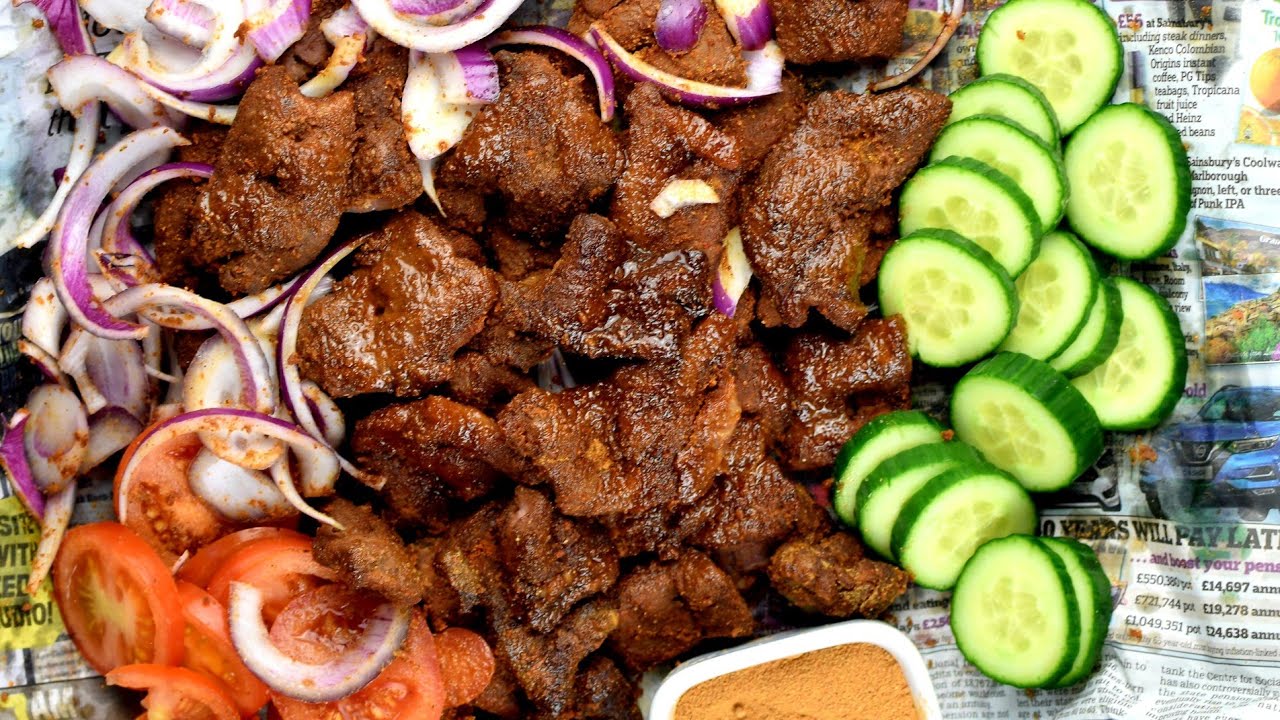
Properly prepared suya should have a deeply seasoned exterior, smoky aroma, tender centre, and slightly crisp edges.
Ingredients for Nigerian Beef Suya
For a delicious homemade suya recipe, we need simple ingredients that work together to create the traditional spicy and smoky taste.
For the Beef Suya
- 1 kg boneless beef
- 4–6 tablespoons suya spice (yaji)
- 2 tablespoons vegetable or groundnut oil
- 1 teaspoon salt, or to taste
- Wooden or metal skewers
- Extra suya spice for finishing
For Serving
- 1 large onion, thinly sliced
- 2 fresh tomatoes, sliced
- 1 cucumber, sliced
- Fresh cabbage, optional
- Extra yaji spice
- Fresh pepper, optional
The exact amount of seasoning can be adjusted depending on how spicy we want the finished suya.
Best Meat to Use for Suya
The best beef for suya should be relatively tender and easy to slice into thin strips. Tough meat can become chewy when exposed to the intense heat required for grilling.
Good options include:
- Sirloin
- Beef fillet
- Ribeye
- Topside
- Rump
- Other tender boneless beef cuts
We should remove excessive connective tissue and large pieces of fat before slicing.
A small amount of fat can improve flavour, but too much can cause flare-ups during grilling.
How to Slice Beef for Suya
The way we slice the beef has a major effect on the final texture.
Traditional suya uses thin, wide strips of meat rather than large cubes.
We should place the beef in the freezer for approximately 30–45 minutes before slicing. We do not want it completely frozen. Instead, we want it firm enough to make thin slicing easier.
Using a sharp knife, we slice the beef against the grain into thin pieces.
Cutting against the grain shortens the muscle fibres and helps produce more tender suya.
The pieces should also be reasonably similar in thickness so that they cook evenly.
How to Make Homemade Suya Spice
Authentic suya seasoning varies between vendors and households, and many experienced suya sellers protect their spice combinations carefully. However, we can prepare an excellent homemade yaji spice using readily available ingredients.
Homemade Suya Spice Ingredients
- ½ cup roasted ground peanuts or groundnut powder
- 2 tablespoons ground ginger
- 1 tablespoon garlic powder
- 1–2 tablespoons cayenne pepper
- 1 tablespoon smoked paprika
- 1 teaspoon onion powder
- 1 teaspoon ground black pepper
- 1 teaspoon salt
- 1 teaspoon seasoning powder
- ½ teaspoon ground cloves, optional
We combine all the ingredients thoroughly until evenly mixed.
The groundnut should be extremely fine and relatively dry. Excess peanut oil can cause the mixture to become heavy or pasty.
For a hotter suya spice, we can increase the cayenne pepper. For a milder version, we reduce the quantity without eliminating the other spices that contribute to the flavour.
How to Make Suya Step by Step
Preparing homemade Nigerian suya becomes straightforward once the meat and seasoning are ready.
1. Prepare the Beef
We trim unwanted fat and connective tissue from the beef.
After slightly chilling the meat, we slice it into thin strips against the grain.
We then pat the sliced beef dry using kitchen paper. Removing excess moisture helps the seasoning adhere properly and improves browning during grilling.
2. Season the Meat
We place the sliced beef in a large bowl and lightly coat it with vegetable or groundnut oil.
Next, we sprinkle a generous quantity of suya spice over the beef.
We massage the seasoning into every piece, ensuring both sides are properly covered.
The meat should look heavily seasoned because some of the spice mixture will fall away during grilling.
3. Allow the Suya to Marinate
Once seasoned, we cover the meat and leave it to marinate.
A minimum of 30 minutes will provide flavour, but allowing the meat to rest for one to several hours can produce a deeper taste.
If marinating for an extended period, we keep the beef refrigerated.
We can remove it from the refrigerator shortly before grilling so that it does not go directly from very cold temperatures onto the grill.
4. Thread the Beef onto Skewers
If using wooden skewers, we soak them in water beforehand to reduce burning.
We thread the beef strips lengthwise onto the skewers, arranging them neatly without overcrowding.
Keeping the meat relatively flat exposes more surface area to the heat and encourages the characteristic roasted suya texture.
5. Grill the Suya
We preheat the grill, barbecue, or oven grill to a high temperature.
The skewers are placed over the heat and grilled until browned and lightly charred.
We turn them periodically so that both sides cook evenly.
During cooking, we can lightly brush the meat with oil and sprinkle additional suya spice over the surface.
Because the meat is thin, it cooks relatively quickly. We should avoid prolonged grilling, which can make the beef dry and tough.
How to Make Suya in the Oven
We do not necessarily need an outdoor charcoal grill to enjoy homemade suya.
To make oven-baked suya, we preheat the oven to approximately 220°C and arrange the skewers on a wire rack positioned over a baking tray.
The rack allows hot air to circulate around the meat while excess juices drip onto the tray.
We roast the beef until almost cooked, turning the skewers during cooking.
For the final few minutes, we switch to the oven’s grill or broiler setting.
This high direct heat creates darker edges and gives the suya a texture closer to traditional charcoal-grilled meat.
We should watch the meat carefully during this stage because thin slices can burn quickly.
How to Make Suya Without Skewers
Skewers are traditional but not compulsory.
If skewers are unavailable, we can spread the seasoned beef strips directly across a lightly greased grill rack or wire rack.
We ensure the pieces do not overlap.
The meat can then be grilled or roasted using the same general method.
While skewers make serving easier and provide the familiar suya appearance, the seasoning and grilling technique are more important to the flavour.
How to Get the Authentic Smoky Suya Flavour
Traditional Nigerian suya is usually prepared over charcoal, which naturally creates a strong smoky aroma.
When using a charcoal barbecue, we allow the charcoal to become properly heated before adding the beef. The goal is strong heat rather than uncontrolled flames.
We should also avoid excessively thick meat. Thin slices cook quickly enough to develop roasted edges without becoming dry.
Groundnut oil can contribute additional nutty flavour, while a finishing sprinkle of yaji intensifies the traditional suya taste.
When cooking indoors, smoked paprika can contribute some smoky character, although it will not completely reproduce charcoal grilling.
Common Mistakes to Avoid When Making Suya
A few preparation mistakes can prevent homemade suya from achieving the expected flavour and texture.
Cutting the Beef Too Thick
Very thick meat takes longer to cook and may become tough before developing the correct exterior.
Using Too Little Suya Spice
Suya is meant to be boldly seasoned. A light dusting will often produce bland results.
Overcooking the Beef
Thin strips cook quickly. Leaving them over high heat for too long removes moisture and produces dry suya.
Skipping the Oil
A small amount of oil helps the seasoning adhere to the meat and encourages browning.
Using Wet Ground Peanuts
Groundnuts containing too much oil can create a heavy coating rather than the traditional dry suya crust.
What to Serve with Nigerian Suya
Traditional Nigerian suya does not require an elaborate side dish.
It is commonly served with:
- Sliced onions
- Tomatoes
- Cucumber
- Cabbage
- Fresh pepper
- Extra suya spice
The freshness and crunch of the vegetables contrast beautifully with the spicy grilled beef.
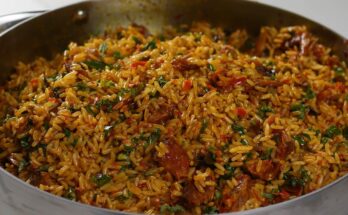
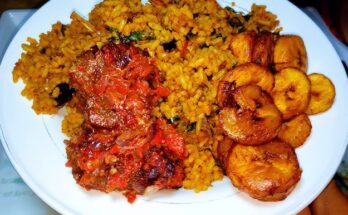
We can also serve suya alongside jollof rice, fried rice, roasted potatoes, plantain, bread, or salad when turning it into a larger meal.
Chicken Suya Variation
The same basic method can be used for chicken suya.
We can use boneless chicken breast or thigh meat, slicing it into manageable strips before coating it with oil and suya seasoning.
Chicken thighs generally remain juicier during grilling, while chicken breast provides a leaner option.
Because poultry must be cooked thoroughly, we ensure that the thickest portions reach a safe cooked temperature before serving.
The final result should still have well-browned edges and a generous coating of suya spice.
How to Store Leftover Suya
Freshly grilled suya is best enjoyed immediately while hot and aromatic.
If we have leftovers, we allow the meat to cool before transferring it into an airtight container and refrigerating it promptly.
When reheating suya, an oven, air fryer, or hot grill can restore some of the roasted texture better than prolonged microwave heating.
We should only heat the quantity we intend to eat and ensure it becomes thoroughly hot before serving.
Tips for Making the Best Homemade Suya
For consistently delicious Nigerian beef suya, several small details make a noticeable difference.
We should slice the meat thinly, season generously, allow enough marinating time, grill over strong heat, and avoid overcooking.
We can also reserve a small quantity of fresh suya spice before handling the raw meat. This clean portion can then be sprinkled over the cooked suya before serving.
Using good-quality spices is equally important. Ginger, pepper, groundnuts, garlic, and other seasonings lose intensity when stored for long periods, so fresher ingredients generally create a more aromatic spice blend.
How to Serve Suya the Nigerian Way
For an authentic presentation, we remove the freshly grilled suya from the heat and immediately sprinkle a little extra yaji spice over the meat.
We arrange it with thinly sliced onions, tomatoes, cucumber, and cabbage.
The suya can remain on the skewers or be removed and cut into smaller pieces.
Serving it while still hot allows us to enjoy the contrast between the smoky, peppery exterior and the juicy meat inside.
For gatherings, we can prepare a larger platter containing several skewers surrounded by vegetables and provide additional suya spice separately for guests who prefer more heat.
FAQs about Suya Recipe
What is suya made from?
Traditional Nigerian suya is commonly made from thinly sliced beef coated with yaji seasoning and grilled over charcoal. Chicken, ram, goat meat, liver, and other meats can also be used.
What is suya spice made from?
Suya spice generally contains ground peanuts, ginger, hot pepper, garlic, salt, and other seasonings. Recipes vary depending on the cook or suya vendor.
Can we make suya without a charcoal grill?
Yes. Suya can be prepared successfully using an oven, electric grill, barbecue, grill pan, or air fryer. Charcoal provides the most traditional smoky flavour, but the seasoning remains the most important component.
Why is my suya tough?
Suya can become tough when the beef is sliced too thickly, cut incorrectly, made from a tough cut of meat, or overcooked. Thinly slicing tender beef against the grain produces better results.
How spicy should suya be?
Traditional suya is usually noticeably spicy, but we can adjust the amount of cayenne pepper or chilli powder according to preference while retaining the remaining seasonings.
Conclusion
A great Suya Recipe depends on tender beef, thin slicing, generous yaji seasoning, and high-heat grilling. By combining groundnuts, ginger, pepper, garlic, and aromatic spices, we can reproduce the bold flavour that has made Nigerian suya one of West Africa’s most celebrated street foods.
Whether we prepare it over traditional charcoal, under an oven grill, or on a home barbecue, the goal remains the same: juicy meat, spicy seasoning, smoky flavour, and beautifully charred edges.
Served hot with sliced onions, tomatoes, cucumber, cabbage, and an extra sprinkle of suya spice, homemade Nigerian suya delivers the unmistakable flavour and experience of this classic dish straight from our own kitchen.