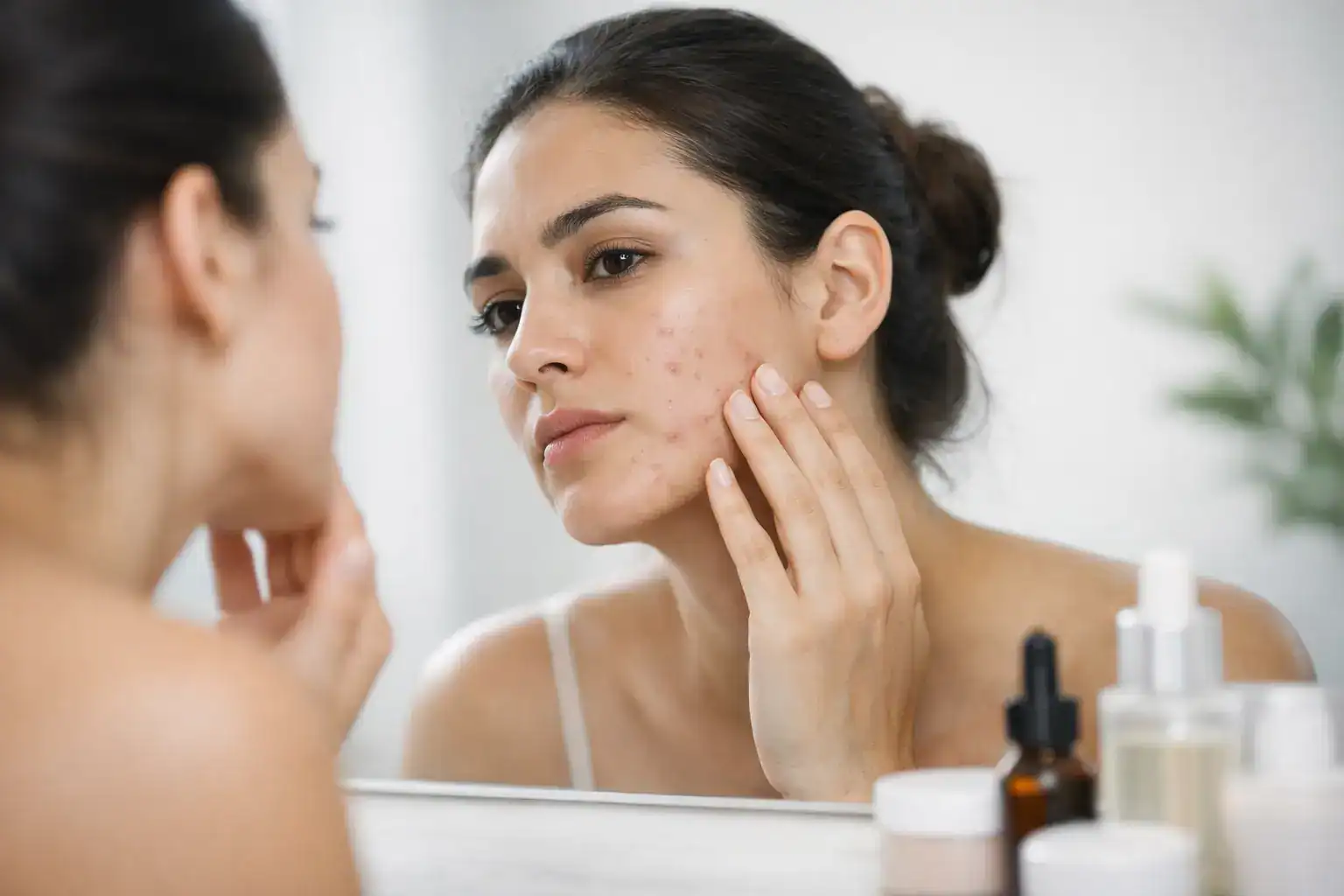
Melasma is a common skin condition that causes dark, uneven patches on the face, particularly among women. These patches often appear on the cheeks, forehead, nose, and upper lip, affecting skin tone and sometimes self-confidence. Finding the best melasma treatment for women requires understanding the available treatment options, their costs, and how effectively they address stubborn pigmentation.
At our clinic, we believe that successful melasma management begins with identifying individual skin concerns and choosing treatments that provide sustainable improvements. From prescription creams and chemical peels to laser procedures and advanced dermatological solutions, women have several options for achieving a more even complexion.
In this guide, we explore melasma treatment for women, costs, benefits, and treatment options to help patients make informed decisions about their skincare.
What Is Melasma and Why Does It Affect Women?
Melasma is a pigmentation disorder characterized by brown, gray-brown, or sometimes bluish-gray patches on the skin. It develops when pigment-producing cells, known as melanocytes, produce excessive melanin.
Women are particularly susceptible to melasma because hormonal changes can influence pigmentation. Common triggers include pregnancy, hormonal contraceptives, sun exposure, and genetic predisposition.
Although melasma is not medically dangerous, it can be persistent and may return after treatment. Therefore, we recommend a comprehensive approach that combines professional skincare, appropriate treatment, and consistent sun protection.
Best Melasma Treatment Options for Women
Several dermatological treatments can help reduce melasma and improve skin appearance. The most appropriate option depends on pigmentation severity, skin type, treatment history, and individual sensitivity.
1. Topical Melasma Treatment Creams
Topical medications are among the most widely recommended treatments for melasma. These products work by reducing excess pigment production and encouraging a more balanced skin tone.
Common ingredients include:
- Hydroquinone: A prescription-strength pigmentation treatment that reduces melanin production.
- Azelaic Acid: Helps reduce discoloration and may be suitable for sensitive or acne-prone skin.
- Tretinoin: Encourages skin cell turnover and supports pigmentation treatment.
- Kojic Acid: An ingredient used in some brightening products to help reduce uneven pigmentation.
- Tranexamic Acid: Available in topical formulations that may help improve melasma.
Prescription triple-combination creams containing hydroquinone, tretinoin, and a corticosteroid can be particularly effective for appropriate patients under medical supervision.
Estimated cost: Approximately $15–$150 per product or prescription, depending on the formulation, brand, pharmacy, and location.
2. Chemical Peels for Melasma
Chemical peels use carefully selected exfoliating solutions to remove superficial skin cells and improve uneven pigmentation.
Dermatologists may recommend glycolic acid, lactic acid, or other superficial peels for selected patients.
Benefits of chemical peels include:
- Gradual improvement in superficial pigmentation.
- Smoother skin texture.
- More even-looking skin tone.
- Additional improvement when combined with prescribed topical treatments.
However, strong or poorly administered peels may worsen pigmentation, particularly in darker skin tones.
Estimated cost: $100–$300 per session, with multiple sessions sometimes required.
3. Laser and Light-Based Melasma Treatment
Laser treatments target pigment within the skin using specialized light energy. Depending on the patient’s skin characteristics, dermatologists may consider selected pigment-targeting lasers or other energy-based technologies.
Although these procedures can improve some cases of melasma, results vary considerably. Recurrence, rebound pigmentation, and post-inflammatory hyperpigmentation are important concerns.
We generally recommend considering lasers only after careful dermatological evaluation, particularly when standard topical treatments have not provided sufficient improvement.
Estimated cost: $250–$1,000 or more per session, depending on the technology and treatment area.
4. Microneedling for Melasma
Microneedling creates controlled microscopic channels in the skin using fine needles. When performed professionally, it may support the delivery of selected topical treatments and improve pigmentation in certain patients.
While promising, microneedling is not a universal first-line treatment for melasma, and additional research is needed to establish the best protocols.
Estimated cost: $150–$500 per session.
5. Oral Tranexamic Acid for Persistent Melasma
For selected women with stubborn melasma, dermatologists may consider oral tranexamic acid as an off-label treatment.
This medication may help reduce pigmentation associated with melasma, but it is not suitable for everyone. A clinician must assess blood-clotting risks, medical history, and potential medication interactions before prescribing it.
Women who are pregnant, breastfeeding, or using certain hormonal contraceptives require particular attention when discussing treatment suitability.
Treatment cost: Varies by prescription, dosage, location, and monitoring requirements.
Melasma Treatment for Women: Cost Comparison
Understanding the cost of melasma treatment helps women choose appropriate options while planning for potential follow-up sessions and maintenance care.
| Treatment option | Estimated cost (USD) | Typical approach |
|---|---|---|
| Topical creams | $15–$150 | Regular application over several weeks or months |
| Chemical peels | $100–$300 | Series of professional sessions |
| Laser treatment | $250–$1,000+ | Individually planned sessions |
| Microneedling | $150–$500 | Multiple sessions may be considered |
| Oral tranexamic acid | Varies | Prescription and medical supervision |
| Dermatology consultation | $75–$250+ | Assessment and personalized treatment planning |
These are illustrative price ranges, not standardized fees. Actual costs vary significantly by country, provider, clinic, and treatment complexity.
For women seeking affordable melasma treatment, topical medications and consistent sun protection are often more practical starting points than expensive cosmetic procedures.
Factors That Affect Melasma Treatment Cost for Women
The overall cost of treating melasma depends on several important factors. Understanding these considerations can help women make informed financial and skincare decisions.
Severity and Depth of Pigmentation
Mild melasma may respond to topical products and protective skincare. More persistent pigmentation may require combination therapy, repeated consultations, or carefully selected procedures.
Type of Treatment Selected
Prescription creams generally have lower upfront costs than laser treatments and professional skin procedures. However, long-term maintenance expenses should also be considered.
Number of Treatment Sessions
Some treatments require several sessions before noticeable improvements occur. Each additional appointment may increase the total treatment expense.
Dermatologist Experience and Clinic Location
Treatment fees vary according to professional expertise, clinical facilities, geographic location, and available technology.
Maintenance and Follow-Up Care
Because melasma can recur, ongoing sunscreen use and maintenance treatments may be necessary even after significant improvement.
How to Choose the Best Melasma Treatment for Women
Choosing an effective treatment involves more than comparing prices. We recommend considering skin sensitivity, pigmentation severity, medical history, and the possibility of recurring discoloration.
A qualified dermatologist can help determine whether topical medications, combination therapy, or professional procedures are appropriate.
Women with darker complexions should be particularly cautious about aggressive treatments because irritation and inflammation can worsen pigmentation.
Additionally, pregnant women should avoid hydroquinone and topical retinoids unless an appropriate specialist advises otherwise. Breastfeeding women should seek individualized medical guidance before using prescription pigmentation treatments. Bad.org.uk+1
How Long Does Melasma Treatment Take to Work?
Melasma treatment requires consistency and realistic expectations. Some women notice gradual improvement after several weeks, while others need months of treatment.
According to the American Academy of Dermatology, noticeable treatment results may take approximately 3–12 months, depending on individual circumstances and the duration of the condition. American Academy of Dermatology
Treatment effectiveness may depend on the following:
- Consistent use of prescribed medications.
- Regular application of broad-spectrum sunscreen.
- Avoidance of excessive sun exposure.
- Individual hormonal and genetic factors.
- Appropriate follow-up with a dermatologist.
We encourage patients to prioritize gradual, sustained improvement rather than potentially harmful quick-fix pigmentation treatments.
How to Prevent Melasma From Returning After Treatment
Preventing recurrence is an essential part of successful melasma management. Even when pigmentation fades, exposure to sunlight and other triggers can cause dark patches to reappear.
We recommend the following preventive measures:
- Apply sunscreen daily: Use broad-spectrum SPF 30 or higher, preferably a tinted product containing iron oxides to help protect against visible light.
- Avoid excessive sun exposure: Seek shade and wear protective clothing when spending extended periods outdoors.
- Use gentle skincare products: Avoid harsh exfoliants and irritating ingredients that may worsen pigmentation.
- Follow prescribed treatment instructions: Continue maintenance care as recommended by your dermatologist.
- Schedule dermatological reviews: Professional evaluations help monitor improvements and adjust treatment plans.
Consistent sun protection is especially important because ultraviolet and visible light can contribute to melasma recurrence. American Academy of Dermatology
Is Professional Melasma Treatment Worth the Cost?
Professional melasma treatment can be a worthwhile investment for women experiencing persistent facial pigmentation. While over-the-counter skincare may provide limited improvement, prescription treatments and professional guidance can offer a more personalized approach.
The most expensive procedure is not necessarily the most effective. In many cases, appropriate topical medication combined with daily sun protection provides a practical foundation for melasma management.
We recommend assessing treatment safety, expected benefits, recurrence risks, and maintenance expenses before committing to a particular procedure.
FAQs about Best Melasma Treatment for Women
1. What is the best melasma treatment for women?
The best melasma treatment for women often includes topical treatments such as hydroquinone, azelaic acid, or prescription triple-combination creams. Dermatologists recommend treatments based on skin type, pigmentation severity, and hormonal factors.
2. Can melasma be permanently cured?
Melasma is a chronic skin condition that can improve significantly with proper treatment. However, recurrence is possible, especially with sun exposure or hormonal changes. Consistent skincare and sun protection help maintain results.
3. What causes melasma in women?
Melasma commonly develops due to hormonal fluctuations, pregnancy, birth control pills, genetic factors, and sun exposure. These factors stimulate excess melanin production, causing dark patches on the face.
4. Which skincare ingredients work best for melasma?
Effective ingredients include azelaic acid, hydroquinone, tranexamic acid, vitamin C, and niacinamide. Their suitability depends on individual skin needs, and stronger treatments require professional guidance.
5. How long does melasma treatment take to show results?
Most women notice visible improvements within 8–12 weeks, although deeper pigmentation may require several months of consistent treatment.
6. Is laser treatment effective for melasma?
Laser treatments may improve stubborn pigmentation in selected patients. However, they can sometimes worsen melasma, particularly in darker skin tones. Dermatologist supervision is essential.
7. Can pregnant or breastfeeding women treat melasma?
Yes, but treatment options are limited. Azelaic acid and mineral sunscreen are commonly considered suitable during pregnancy. Women should consult healthcare professionals before using prescription products.
8. How can women prevent melasma from returning?
We recommend applying broad-spectrum SPF 30–50+ sunscreen daily, preferably tinted with iron oxides, avoiding excessive sun exposure, and maintaining a gentle skincare routine.
Conclusion
Finding the best melasma treatment for women involves balancing effectiveness, safety, affordability, and long-term skincare needs. From prescription creams and chemical peels to laser treatments and other dermatological procedures, several options may help improve uneven pigmentation.
At our clinic, we emphasize individualized treatment planning, professional guidance, and preventive skincare to support healthier-looking skin. By understanding melasma treatment costs and available options, women can make confident decisions that align with their skin concerns and budgets.
With appropriate treatment, patience, and consistent sun protection, many women can achieve visible improvements in pigmentation and maintain a more even-looking complexion.

