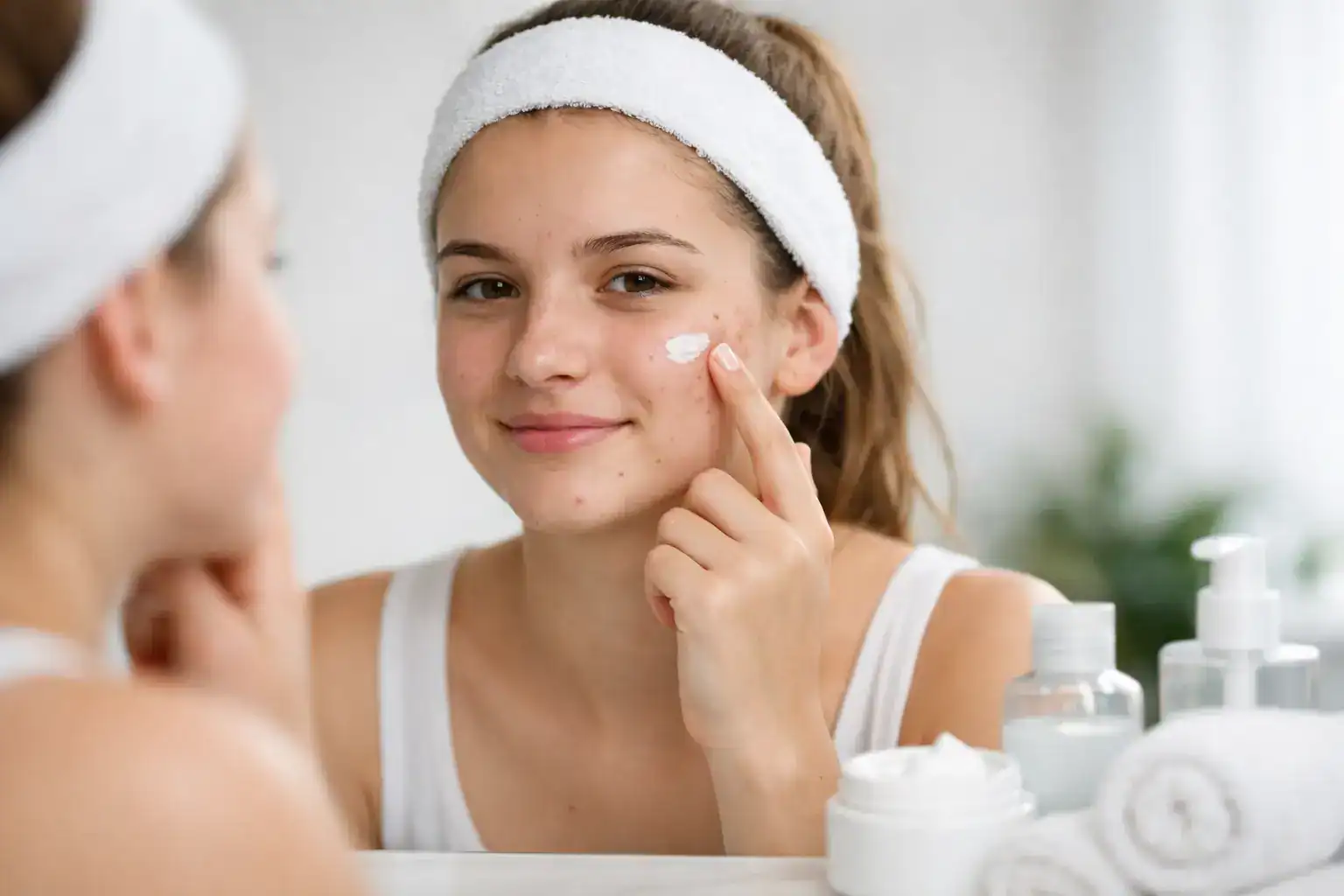
Melasma is a common skin pigmentation condition that affects many women, causing dark patches on the face, particularly around the cheeks, forehead, nose, and upper lip. Although melasma is harmless, its visible appearance can affect skin confidence and make achieving an even complexion challenging.
Finding the right dermatologist recommended melasma treatment for women is essential for managing stubborn pigmentation safely and effectively. With advancements in dermatological care, women can benefit from prescription creams, targeted skincare ingredients, chemical peels, and other professional treatments.
We explore the most effective melasma treatments for women, their benefits, and how dermatologists develop personalized treatment plans for lasting skin improvement.
What Causes Melasma in Women?
Melasma develops when melanocytes, the cells responsible for producing skin pigment, become overactive. This results in excessive melanin production and the appearance of brown, gray-brown, or sometimes bluish-gray patches.
Several factors can contribute to melasma in women, including:
- Hormonal changes: Pregnancy, hormonal contraceptives, and hormone therapy may trigger or worsen pigmentation.
- Sun exposure: Ultraviolet radiation stimulates melanin production and can darken existing patches.
- Genetic predisposition: Women with a family history of melasma may have a higher risk.
- Visible light exposure: Visible light, particularly from sunlight, can worsen pigmentation, especially in darker skin tones.
- Skin irritation: Harsh skincare products and inappropriate treatments may aggravate discoloration.
We recommend identifying potential triggers before selecting a treatment because successful melasma management requires addressing both existing pigmentation and factors that cause recurrence.
Best Dermatologist Recommended Melasma Treatments for Women
Dermatologists typically recommend treatments based on skin type, pigmentation severity, medical history, and sensitivity. The following options are commonly used to improve melasma and support a more balanced complexion.
1. Hydroquinone Cream for Melasma
Hydroquinone is a well-established prescription treatment for melasma. It reduces melanin production by inhibiting tyrosinase, an enzyme involved in skin pigmentation.
Dermatologists may prescribe hydroquinone for a limited treatment period, particularly when dark patches are persistent.
Its benefits include reducing visible discoloration, improving uneven skin tone, and targeting stubborn facial pigmentation.
However, prolonged or inappropriate use can cause irritation and, rarely, exogenous ochronosis, a form of persistent discoloration. We recommend using hydroquinone only under professional supervision.
2. Triple Combination Cream for Stubborn Melasma
One of the most effective prescription options for moderate to severe melasma is triple combination cream, which commonly contains hydroquinone, tretinoin, and a mild corticosteroid.
These ingredients work together to reduce excessive pigmentation, encourage skin renewal, and control treatment-related inflammation.
Dermatologists often recommend this formulation for short-term treatment when individual products have not delivered satisfactory results.
Because the cream contains potent active ingredients, it requires medical supervision and is not suitable for every woman, particularly during pregnancy.
3. Azelaic Acid for Melasma and Sensitive Skin
Azelaic acid is a popular treatment for women who experience pigmentation alongside acne or sensitive skin.
It helps regulate abnormal melanin production while offering anti-inflammatory benefits.
We consider azelaic acid a useful option for women seeking a treatment that may be better tolerated than stronger bleaching agents.
It can gradually improve skin discoloration, although results depend on the formulation, concentration, and individual skin response.
4. Tretinoin and Retinoid Treatments
Prescription retinoids, including tretinoin, encourage skin cell turnover and can help improve uneven pigmentation.
Dermatologists frequently incorporate tretinoin into combination treatment plans rather than relying on it as the sole treatment for melasma.
Possible side effects include dryness, peeling, irritation, and increased skin sensitivity.
Retinoids should be avoided during pregnancy, and women who are breastfeeding should discuss appropriate topical treatments with their healthcare professional.
5. Chemical Peels for Facial Melasma
Professional chemical peels use carefully selected exfoliating acids to improve discoloration and skin texture.
Common options include glycolic acid, lactic acid, and salicylic acid formulations.
A dermatologist may recommend superficial peels as an additional treatment when topical medications and sun protection need further support.
However, aggressive peeling can worsen melasma, especially in women with darker skin tones. We recommend choosing a qualified dermatologist experienced in treating pigmentation-prone skin.
6. Laser and Light-Based Melasma Treatments
Laser treatments may help selected patients with melasma that has not responded adequately to conventional therapy.
Certain low-fluence laser approaches are sometimes used to target pigmentation, but results are variable.
Importantly, laser treatment is not the first choice for most women with melasma because it can cause rebound pigmentation, post-inflammatory hyperpigmentation, or recurrence.
We recommend a thorough dermatological consultation before considering any laser or light-based procedure.
How Dermatologists Choose the Right Melasma Treatment for Women
Choosing the best melasma treatment for women requires more than selecting a popular brightening cream. Dermatologists assess several important factors before recommending treatment.
These include the depth and distribution of pigmentation, skin sensitivity, previous treatment response, pregnancy or breastfeeding status, and exposure to sunlight.
Women with mild pigmentation may benefit from consistent sun protection and topical brightening products. More persistent cases may require prescription combination therapies.
Dermatologists may also use a Wood’s lamp or other examination techniques to assess pigmentation, although these tools cannot always determine its exact depth.
We emphasize individualized treatment because a product that works effectively for one woman may cause irritation or provide limited improvement for another.
Essential Skincare Routine for Women With Melasma
An effective daily skincare routine can significantly support professional melasma treatment and reduce the likelihood of pigmentation returning.
Morning Skincare Routine
We recommend beginning with a gentle, fragrance-free cleanser that removes impurities without disrupting the skin barrier.
Next, apply a dermatologist-approved brightening product containing ingredients such as azelaic acid, niacinamide, or vitamin C, depending on skin tolerance.
Finish with a broad-spectrum sunscreen rated SPF 30 or higher. A tinted sunscreen containing iron oxides is particularly beneficial because it can help protect against visible light that contributes to melasma.
Reapply sunscreen approximately every two hours when outdoors and combine it with shade, protective clothing, and a wide-brimmed hat.
Evening Skincare Routine
Evening skincare should focus on gentle cleansing, prescribed pigmentation treatments, and adequate moisturization.
Apply any prescription medication according to your dermatologist’s instructions rather than combining several active ingredients without guidance.
A moisturizer containing ceramides, glycerin, or hyaluronic acid can support the skin barrier and reduce treatment-related dryness.
We recommend avoiding abrasive scrubs and frequent exfoliation because inflammation can intensify pigmentation.
Dermatologist Recommended Melasma Treatment During Pregnancy
Pregnancy-related melasma, commonly called the mask of pregnancy, develops partly because hormonal changes stimulate pigmentation.
For pregnant women, treatment requires special consideration.
We recommend prioritizing broad-spectrum sun protection, particularly tinted mineral sunscreen, and gentle skincare.
Ingredients such as hydroquinone and topical retinoids should generally be avoided during pregnancy.
Although certain topical ingredients may be considered in individual circumstances, pregnant women should consult their dermatologist or obstetrician before starting medicated pigmentation treatments.
In some cases, pregnancy-related melasma gradually improves after delivery, although discoloration may persist and require further treatment.
How Long Does Melasma Treatment Take to Show Results?
Melasma treatment requires consistency and realistic expectations.
Some women notice improvements after approximately 8–12 weeks of appropriate treatment, while more persistent pigmentation may require several months of continued care.
Results depend on factors such as pigmentation severity, hormonal influences, treatment adherence, and daily sun exposure.
Melasma is often a chronic, recurring condition, meaning that even after noticeable improvement, maintenance treatment and sun protection may be necessary.
We recommend regular dermatology reviews to assess progress and adjust treatment safely.
How to Prevent Melasma From Returning
Preventing recurrence is an important part of successful melasma management.
We recommend the following preventive strategies:
- Use sunscreen daily: Choose broad-spectrum SPF 30 or higher, preferably a tinted formula containing iron oxides.
- Limit direct sun exposure: Seek shade and wear protective hats when outdoors.
- Avoid harsh skincare products: Reduce irritation by using gentle cleansers and moisturizers.
- Follow prescribed treatment plans: Avoid stopping or extending prescription medications without guidance.
- Discuss hormonal triggers: Consult a healthcare professional if contraceptive medications or hormonal treatments appear to worsen pigmentation.
- Maintain regular dermatologist appointments: Professional monitoring supports safer long-term management.
These measures help protect treatment results and minimize the risk of recurring dark patches.
When Should Women See a Dermatologist for Melasma?
Professional evaluation is recommended when facial pigmentation becomes persistent, spreads, or does not improve with basic skincare.
Women should also seek medical advice if pigmentation appears suddenly, changes unusually, or is accompanied by irritation or other concerning symptoms.
A dermatologist can confirm whether the discoloration is melasma or another skin condition, such as post-inflammatory hyperpigmentation.
We recommend seeking expert guidance before using strong bleaching creams, undergoing chemical peels, or combining multiple pigmentation treatments.
FAQs about Dermatologist Recommended Melasma Treatment for Women
1. What is the best dermatologist recommended melasma treatment for women?
The best dermatologist recommended melasma treatment for women often includes prescription creams containing hydroquinone, tretinoin, or a triple-combination formula. Dermatologists may also recommend azelaic acid and daily sun protection to reduce pigmentation and improve skin tone.
2. Can melasma be permanently cured?
Melasma is a chronic skin condition that can be effectively managed but may return. We recommend consistent skincare, appropriate treatment, and broad-spectrum sunscreen to maintain results and prevent recurrence.
3. How long does dermatologist recommended melasma treatment take to work?
Most women begin noticing improvements within 8–12 weeks, although results vary depending on skin type, pigmentation severity, and treatment consistency.
4. Is melasma treatment safe for sensitive skin?
Yes, certain melasma treatments for sensitive skin, including azelaic acid, may be suitable. We recommend consulting a dermatologist before using active ingredients to minimize irritation and prevent worsening pigmentation.
5. Can women use melasma treatment during pregnancy?
Some treatments are unsuitable during pregnancy. Dermatologists generally recommend avoiding hydroquinone and retinoids while pregnant. We encourage discussing safer skincare options, including mineral sunscreen, with a qualified healthcare professional.
6. What is the most effective way to prevent melasma from returning?
We recommend applying SPF 30 or higher sunscreen daily, preferably tinted sunscreen containing iron oxides, avoiding excessive sun exposure, and following a dermatologist-approved maintenance routine.
7. Are chemical peels and laser treatments effective for melasma?
Chemical peels and laser treatments may improve stubborn pigmentation in selected patients. However, they can also worsen melasma, especially in darker skin tones, making professional evaluation essential.
Conclusion
Choosing the right dermatologist recommended melasma treatment for women begins with understanding the causes of pigmentation and selecting safe, evidence-based solutions.
Prescription hydroquinone, triple combination creams, azelaic acid, and carefully selected professional procedures may improve discoloration when used appropriately.
However, effective treatment also depends on daily sun protection, gentle skincare, and consistent maintenance.
We recommend working with a qualified dermatologist to develop a personalized plan that addresses existing pigmentation while minimizing irritation and recurrence. With appropriate care and realistic expectations, women can achieve a more even-looking complexion and maintain healthier skin over time.

