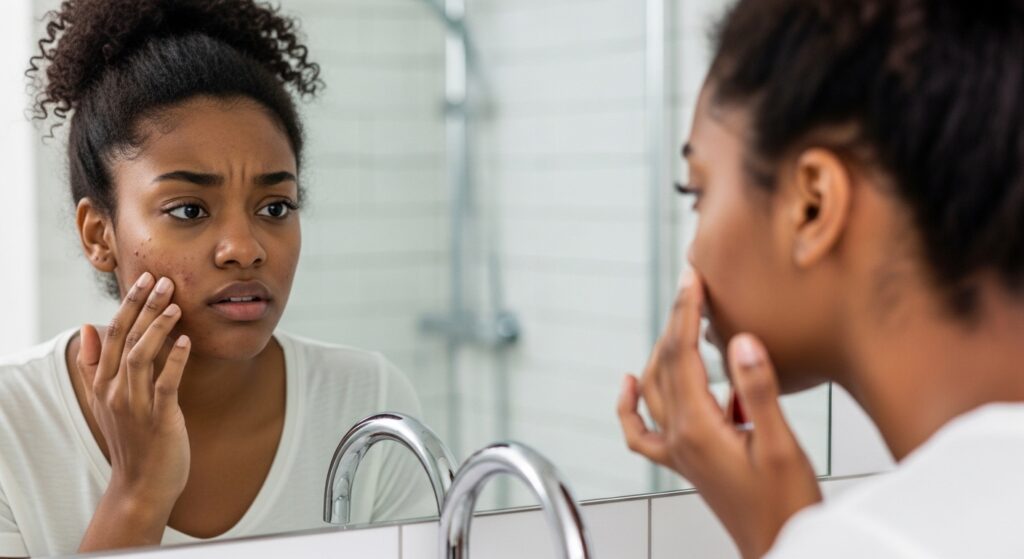
Choosing the right wrinkle treatment for face is essential for maintaining smoother, healthier, and more youthful-looking skin. As we age, our skin gradually loses collagen, elastin, and moisture, contributing to fine lines, wrinkles, and reduced firmness. Sun exposure, lifestyle habits, genetics, and environmental factors can also accelerate visible skin aging.
With numerous anti-aging skincare products, wrinkle creams, facial treatments, and cosmetic procedures available, finding the most suitable option can be challenging. We believe effective wrinkle treatment begins with understanding individual skin concerns, choosing evidence-based ingredients, and selecting solutions that support long-term skin health.
In this guide, we explain how to choose wrinkle treatment for face, the factors to consider, and the best treatment options for different skin types and aging concerns.
Factors to Consider When Choosing Wrinkle Treatment for Face
Finding the best wrinkle treatment for face requires more than selecting a popular anti-aging product. We recommend evaluating your skin type, wrinkle severity, treatment goals, and budget before making a decision.
1. Identify Your Skin Type and Concerns
Understanding your skin type is the first step toward choosing an effective facial wrinkle treatment. Different skin types respond differently to active skincare ingredients and professional procedures.
- Dry skin: Choose hydrating wrinkle treatments containing hyaluronic acid, ceramides, and glycerin to improve moisture retention and reduce the appearance of dehydration lines.
- Oily skin: Consider lightweight, non-comedogenic formulations containing retinoids or niacinamide.
- Sensitive skin: Select fragrance-free products with gentle ingredients and introduce active treatments gradually.
- Combination skin: Use balanced formulations that provide hydration without excessive oiliness.
- Mature skin: Consider products containing retinoids, peptides, and moisturizing ingredients to address fine lines and declining skin firmness.
We recommend choosing products based on actual skin concerns rather than age alone.
2. Understand the Different Types of Facial Wrinkles
Not all facial wrinkles develop for the same reason. Identifying the type of wrinkle helps determine which treatment may deliver the best results.
Dynamic wrinkles develop through repeated facial movements, including smiling, squinting, and frowning. They commonly appear around the eyes, forehead, and between the eyebrows.
Static wrinkles remain visible even when the face is relaxed. They often develop because of collagen loss, accumulated sun damage, and changes in skin structure.
Fine lines are shallow creases that may become more noticeable when the skin is dehydrated.
For dynamic wrinkles, treatments such as botulinum toxin injections may be particularly effective. Meanwhile, topical retinoids, resurfacing procedures, and selected injectable treatments can help improve certain static wrinkles.
3. Choose Proven Anti-Aging Ingredients
When comparing wrinkle creams, serums, and facial treatments, consider these ingredients:
- Retinol and retinoids: Help stimulate skin cell turnover and support collagen production, improving the appearance of fine lines and wrinkles over time.
- Hyaluronic acid: Attracts water to the skin, improving hydration and temporarily reducing the visibility of fine lines.
- Vitamin C: Provides antioxidant protection and may help improve uneven skin tone and signs of photoaging.
- Peptides: May support skin appearance and hydration, although results vary depending on the formulation and available clinical evidence.
- Niacinamide: Supports the skin barrier, improves moisture retention, and helps address uneven skin tone.
- Ceramides: Strengthen the skin’s protective barrier and reduce moisture loss.
- Broad-spectrum sunscreen: Helps prevent premature skin aging caused by ultraviolet radiation.
For a simple routine, we recommend combining daily sunscreen, a moisturizer suited to your skin type, and an appropriate treatment ingredient rather than introducing several strong products simultaneously.
Retinoids should be introduced slowly because they may cause dryness and irritation. They should also be avoided during pregnancy unless a qualified healthcare professional advises otherwise.
How to Choose Between At-Home and Professional Wrinkle Treatments
Another important consideration when learning how to choose wrinkle treatment for face is deciding whether skincare products or professional cosmetic procedures better match your expectations.
4. Compare Available Wrinkle Treatment Options
Different treatments target different aging concerns, and each option has advantages and limitations.
| Wrinkle treatment | Best suited for | Expected benefits |
|---|---|---|
| Retinol creams | Mild fine lines and early wrinkles | Gradual improvement in skin texture |
| Hyaluronic acid serums | Dehydration lines | Improved hydration and temporary plumping |
| Prescription retinoids | Fine lines and sun-damaged skin | Improved texture and signs of photoaging |
| Chemical peels | Fine lines and uneven texture | Smoother-looking skin |
| Microneedling | Selected fine lines and texture concerns | Collagen remodeling over multiple sessions |
| Laser resurfacing | Moderate wrinkles and sun damage | Improvement in skin texture and wrinkles |
| Botulinum toxin injections | Expression lines | Temporary relaxation of targeted facial muscles |
| Dermal fillers | Volume-related folds and facial volume loss | Restored volume and softening of selected folds |
At-home wrinkle treatments are generally more affordable and suitable for gradual improvements. Professional procedures may provide more noticeable results for specific concerns but can involve greater expense, recovery time, and medical risks.
We recommend consulting a qualified dermatologist before choosing invasive procedures, particularly around delicate areas such as the eyes.
5. Consider Your Budget and Long-Term Treatment Costs
The cost of wrinkle treatment for face varies depending on product quality, treatment complexity, provider qualifications, and the number of sessions required.
Over-the-counter wrinkle creams and serums are generally less expensive than professional procedures. However, consistent application over several months is often necessary to notice improvements.
Professional treatments such as laser resurfacing, injectables, and microneedling may require repeat appointments or maintenance sessions.
When evaluating affordability, we suggest considering the total long-term cost rather than focusing exclusively on the initial treatment price.
An effective skincare routine does not necessarily require luxury products. A well-formulated moisturizer, broad-spectrum SPF 30 or higher sunscreen, and a suitable retinoid can provide a practical foundation for addressing visible signs of aging.
6. Evaluate Safety, Side Effects, and Skin Sensitivity
Safety should remain a priority when selecting any facial anti-aging treatment.
Some skincare products containing strong retinoids or exfoliating acids may cause redness, dryness, peeling, or irritation, especially when used excessively.
Professional procedures can also involve side effects. Depending on the treatment, these may include swelling, temporary discoloration, infection, scarring, or other complications.
We recommend reviewing product instructions, introducing new active ingredients gradually, and seeking professional guidance before combining multiple intensive treatments.
Individuals with sensitive skin, rosacea, eczema, or a history of post-inflammatory hyperpigmentation may require a more personalized approach.
Choosing an appropriately qualified, experienced healthcare professional is particularly important for injectable treatments and laser procedures.
7. Set Realistic Expectations for Wrinkle Reduction
Understanding how quickly treatments work can help prevent disappointment and unnecessary spending.
Hydrating products may temporarily soften the appearance of fine lines soon after application. However, retinol and prescription retinoids typically require several weeks to months of consistent use before meaningful improvements become visible.
Botulinum toxin injections usually begin producing noticeable effects within days, with results generally lasting around three to four months.
Laser treatments and collagen-stimulating procedures may produce improvements gradually as the skin heals and remodels.
We emphasize that no wrinkle treatment can permanently stop the natural aging process. The objective is to improve skin appearance, maintain skin health, and reduce preventable damage.
Daily Skincare Routine to Support Facial Wrinkle Treatment
Selecting the right treatment is only part of achieving healthier, smoother-looking skin. A consistent daily skincare routine can improve results and help prevent additional signs of premature aging.
Essential Morning and Evening Anti-Aging Skincare Steps
We recommend the following practical routine:
Morning routine
- Cleanse the face using a gentle cleanser.
- Apply an antioxidant serum, such as vitamin C, if tolerated.
- Use a moisturizer appropriate for your skin type.
- Apply broad-spectrum SPF 30 or higher sunscreen to exposed skin.
Evening routine
- Remove makeup, sunscreen, and accumulated impurities.
- Cleanse the skin gently without excessive scrubbing.
- Apply a suitable retinoid or other targeted anti-aging treatment according to product or professional guidance.
- Finish with a nourishing moisturizer to support the skin barrier.
Alongside skincare, adequate sleep, balanced nutrition, avoiding smoking, and limiting excessive sun exposure can help maintain healthier-looking skin.
When Should You Consult a Dermatologist for Wrinkle Treatment?
Although many mild facial wrinkles can be managed with over-the-counter skincare, some concerns benefit from professional evaluation.
We recommend consulting a dermatologist when wrinkles become more pronounced, skincare products cause persistent irritation, or over-the-counter treatments fail to meet your expectations.
A dermatologist can assess skin type, identify contributing factors, and recommend appropriate options, including prescription skincare, chemical peels, laser procedures, or injectable treatments.
Professional guidance is also valuable for individuals with darker skin tones who may have a greater risk of pigmentation changes following certain resurfacing procedures.
Rather than choosing treatments based entirely on advertising claims, we encourage selecting options supported by clinical evidence and tailored to individual needs.
Common Mistakes to Avoid When Choosing Wrinkle Treatment for Face
Even high-quality anti-aging products may provide disappointing results when used incorrectly. Understanding common skincare mistakes can help improve effectiveness and minimize irritation.
Some mistakes to avoid include:
- Skipping sunscreen: UV exposure contributes significantly to premature wrinkles and can undermine anti-aging efforts.
- Using too many active ingredients: Combining multiple strong treatments may damage the skin barrier.
- Expecting immediate results: Most topical wrinkle treatments require consistent use.
- Ignoring skin type: Products unsuitable for your skin may cause dryness, breakouts, or irritation.
- Choosing treatments based only on price: Effectiveness, safety, and suitability are equally important.
- Overlooking professional qualifications: Cosmetic procedures should be performed by appropriately trained professionals.
We recommend focusing on consistency, skin compatibility, and realistic outcomes rather than pursuing aggressive treatment routines.
FAQs about How to Choose Wrinkle Treatment for Face
1. What Is the Best Wrinkle Treatment for Face?
The best wrinkle treatment for face depends on your skin type, age, wrinkle severity, and skincare goals. Popular options include retinoids, hyaluronic acid, Botox, chemical peels, and laser treatments.
2. How Do I Choose the Right Wrinkle Treatment for My Skin?
When choosing a facial wrinkle treatment, consider your skin sensitivity, wrinkle depth, budget, and desired results. Consulting a qualified dermatologist helps identify the safest and most effective option.
3. Which Wrinkle Treatment Is Best for Deep Wrinkles?
Deep wrinkles may benefit from dermal fillers, laser resurfacing, or other professional cosmetic procedures. The most suitable treatment depends on wrinkle location, skin condition, and individual needs.
4. Can I Treat Facial Wrinkles Naturally?
Healthy skincare habits can help minimize the appearance of wrinkles. Daily sunscreen, moisturizing, adequate sleep, and avoiding smoking support healthier-looking skin.
5. Are Anti-Wrinkle Creams Effective?
Yes. Anti-wrinkle creams containing retinol, peptides, or hyaluronic acid may improve skin texture and reduce the appearance of fine lines. However, results vary, and deeper wrinkles often require professional treatments.
6. How Long Does Wrinkle Treatment Take to Show Results?
Results depend on the treatment. Botox typically shows improvement within several days to two weeks, while retinoids may require several months of consistent use.
7. Is Wrinkle Treatment Safe for Sensitive Skin?
Many treatments can be suitable for sensitive skin when carefully selected. A dermatologist can recommend gentle formulations and appropriate procedures to minimize irritation.
8. What Should I Consider Before Choosing Wrinkle Treatment?
We recommend prioritizing treatment safety, dermatologist expertise, expected results, recovery time, and overall cost. Choosing evidence-based treatments helps achieve smoother, healthier-looking skin while minimizing unnecessary risks.
Conclusion
Understanding how to choose wrinkle treatment for face helps you make informed decisions about your skincare routine and long-term skin health. The most appropriate treatment depends on your skin type, wrinkle severity, budget, sensitivity, and desired results.
We recommend beginning with proven anti-aging essentials, including broad-spectrum sunscreen, hydrating moisturizers, and suitable retinoids, before considering more advanced cosmetic procedures.
For individuals seeking noticeable improvement in deeper wrinkles or expression lines, professional treatments may offer additional benefits when performed by qualified practitioners.
Ultimately, choosing the best wrinkle treatment for face means prioritizing safe, evidence-based solutions that address your individual concerns. With consistent skincare, realistic expectations, and professional guidance when necessary, maintaining smoother, healthier, and more youthful-looking skin becomes a more achievable goal.

