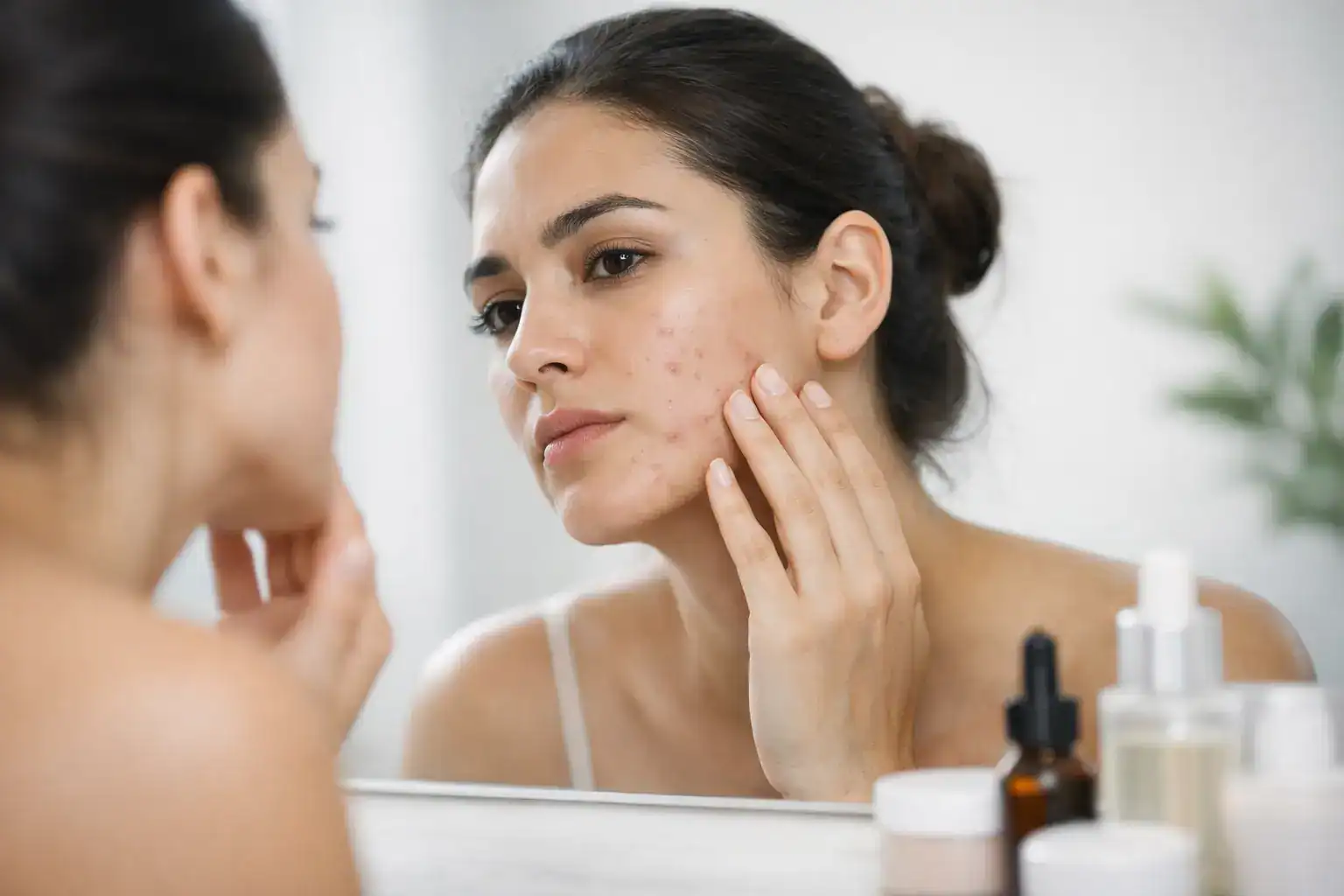
Finding the best anti aging skincare for sensitive skin requires choosing products that reduce the appearance of fine lines, wrinkles, and uneven skin tone without causing irritation. Sensitive skin often reacts to harsh ingredients, strong fragrances, and excessive exfoliation, making it essential to follow a gentle yet effective skincare routine.
We believe that achieving youthful-looking, healthy skin should not come at the expense of comfort. By selecting dermatologist-recommended ingredients, maintaining proper hydration, and protecting the skin barrier, we can address visible signs of aging while minimizing redness, dryness, and sensitivity.
In this guide, we explore the best anti aging products for sensitive skin, essential ingredients, effective skincare routines, and practical tips for maintaining smoother, firmer, and more radiant skin.
Why Sensitive Skin Needs Special Anti Aging Skincare
Sensitive skin can become irritated when exposed to certain skincare ingredients, environmental factors, or excessive product use. Common symptoms include redness, itching, burning, tightness, and dryness.
As we age, natural collagen production declines, skin elasticity decreases, and moisture retention may become less effective. These changes contribute to fine lines, wrinkles, and uneven texture.
For individuals with sensitive skin, aggressive anti-aging treatments may worsen irritation and weaken the protective skin barrier.
We recommend choosing gentle anti aging skincare products that strengthen the skin barrier, replenish moisture, and target signs of aging without unnecessary irritation.
A well-designed skincare routine should focus on three essential goals: hydration, skin protection, and gradual improvement in visible signs of aging.
Best Anti Aging Skincare Ingredients for Sensitive Skin
Choosing the right ingredients is one of the most important steps in developing an effective skincare routine. Certain ingredients provide anti-aging benefits while remaining generally suitable for sensitive skin.
1. Hyaluronic Acid for Deep Hydration
Hyaluronic acid is a powerful humectant that attracts and retains moisture, helping the skin appear smoother and more hydrated.
Its primary benefits include:
- Improving skin hydration and softness.
- Temporarily reducing the appearance of fine lines caused by dehydration.
- Supporting a healthier-looking skin barrier.
- Improving overall skin texture and suppleness.
We recommend using a hyaluronic acid serum for sensitive skin before applying moisturizer to help maintain hydration throughout the day.
2. Niacinamide for Skin Barrier Support
Niacinamide, also known as vitamin B3, is a versatile skincare ingredient that helps strengthen the skin barrier and improve uneven skin tone.
It can also reduce the appearance of enlarged pores and support healthier-looking skin.
For sensitive skin, we recommend starting with a lower-concentration niacinamide product rather than immediately using high-strength formulas.
3. Ceramides for Moisture Protection
Ceramides are naturally occurring lipids that help maintain the skin’s protective barrier.
As skin ages, maintaining adequate moisture becomes increasingly important for preventing dryness and improving skin comfort.
Ceramide moisturizers for sensitive skin help replenish essential lipids, reduce moisture loss, and protect against environmental irritants.
We recommend incorporating ceramide-rich creams into both morning and evening skincare routines.
4. Gentle Retinol for Fine Lines and Wrinkles
Retinol is a vitamin A derivative widely used to improve fine lines, uneven texture, and visible signs of photoaging.
However, conventional retinol products may cause dryness, peeling, redness, or irritation, particularly among individuals with sensitive skin.
We recommend introducing a low-strength retinol formula gradually, beginning with one or two evenings per week.
Applying moisturizer before and after retinol may improve tolerability.
Individuals with highly reactive skin should consult a dermatologist before starting retinoids. Retinoids should be avoided during pregnancy.
5. Vitamin C for Brighter-Looking Skin
Vitamin C is an antioxidant that helps protect against oxidative stress and supports collagen production.
It can also improve the appearance of uneven skin tone and dark spots.
For sensitive skin, we recommend selecting a well-formulated vitamin C serum at a tolerable concentration. Some vitamin C derivatives may be better tolerated than acidic L-ascorbic acid formulas, although individual responses vary.
Best Anti Aging Skincare Products for Sensitive Skin
An effective skincare routine does not require numerous expensive products. Instead, we recommend focusing on gentle formulas that provide proven benefits.
Essential Anti Aging Products to Include in Your Routine
1. Gentle Facial Cleanser: Choose a fragrance-free cleanser that removes impurities without stripping the skin of natural oils. Creamy or hydrating cleansers are often suitable for dry, sensitive skin.
2. Hydrating Serum: Look for hyaluronic acid, glycerin, or panthenol to improve hydration and reduce the appearance of dehydration lines.
3. Barrier-Repair Moisturizer: Select moisturizers containing ceramides, squalane, or other skin-supporting ingredients.
4. Broad-Spectrum Sunscreen: Use SPF 30 or higher daily to protect against ultraviolet radiation, a major contributor to premature skin aging.
5. Gentle Anti Aging Treatment: Consider low-strength retinol, niacinamide, or another dermatologist-recommended treatment based on your skin’s tolerance.
We prioritize fragrance-free, non-irritating skincare formulas that provide consistent benefits without overwhelming sensitive skin.
Best Morning Anti Aging Skincare Routine for Sensitive Skin
A morning skincare routine should emphasize hydration, protection, and maintaining a healthy skin barrier.
We recommend following these steps:
Step 1: Cleanse Gently
Wash the face with a mild, fragrance-free cleanser and lukewarm water. Avoid abrasive cleansing brushes and harsh exfoliating products.
Step 2: Apply a Hydrating Serum
Use a lightweight serum containing hyaluronic acid or glycerin to support moisture retention.
Step 3: Moisturize
Apply a ceramide-rich moisturizer to help maintain skin hydration and reduce dryness.
Step 4: Protect With Sunscreen
Finish with a broad-spectrum SPF 30 or higher sunscreen. Mineral sunscreens containing zinc oxide or titanium dioxide may be especially comfortable for some individuals with sensitive skin.
Daily sunscreen application is one of the most effective ways to prevent premature skin aging and protect against sun-related damage.
Best Nighttime Anti Aging Skincare Routine for Sensitive Skin
Evening skincare should focus on gentle cleansing, targeted treatment, and barrier repair.
We recommend beginning with a mild cleanser to remove sunscreen, makeup, and accumulated impurities.
Next, apply a hydrating serum or a carefully selected anti-aging treatment. If using retinol, introduce it slowly and avoid combining it with strong exfoliating acids during the same routine until skin tolerance is established.
Complete the routine with a nourishing moisturizer containing ceramides, glycerin, or squalane.
On evenings when the skin feels irritated, we recommend skipping active anti-aging ingredients and focusing exclusively on hydration and barrier support.
How to Choose the Best Anti Aging Skincare for Sensitive Skin
Selecting suitable skincare products requires evaluating ingredients, formulation quality, and individual skin concerns.
Important Factors to Consider Before Buying
- Skin Type: Determine whether your skin is dry, oily, combination, or sensitive with additional concerns such as rosacea.
- Ingredient Concentration: Begin with lower-strength active ingredients to reduce the likelihood of irritation.
- Fragrance-Free Formulas: Avoid added fragrances when possible, especially if your skin reacts easily.
- Barrier-Supporting Ingredients: Prioritize ceramides, glycerin, panthenol, and other moisturizing ingredients.
- Product Compatibility: Avoid introducing several strong anti-aging treatments simultaneously.
- Dermatologist Guidance: Seek professional advice when experiencing persistent redness, burning, or severe sensitivity.
We also recommend patch-testing new products on a small area before applying them to the entire face.
Common Anti Aging Skincare Mistakes to Avoid
Even high-quality skincare products may cause problems when used incorrectly.
One common mistake is applying too many active ingredients simultaneously. Combining retinol, exfoliating acids, and strong vitamin C formulas can increase irritation in sensitive skin.
Another mistake is exfoliating too frequently. Excessive exfoliation may damage the protective barrier, increase moisture loss, and worsen redness.
Skipping sunscreen is equally problematic. Without adequate sun protection, ultraviolet exposure can contribute to collagen breakdown, pigmentation, and premature wrinkles.
We also discourage changing skincare products too frequently. Consistency is essential because visible anti-aging improvements generally develop gradually over several weeks or months.
Affordable Anti Aging Skincare for Sensitive Skin
Effective skincare does not always require premium or luxury products. Many affordable skincare formulations contain ingredients supported by dermatological research.
We recommend investing first in three essential products: a gentle cleanser, a hydrating moisturizer, and a broad-spectrum sunscreen.
Once the skin tolerates these products comfortably, an anti-aging serum or treatment can be introduced.
Affordable formulations containing hyaluronic acid, niacinamide, ceramides, and glycerin can provide valuable hydration and skin barrier support.
Rather than selecting products based solely on price, we encourage comparing ingredient lists, formulation suitability, and individual skin tolerance.
How Long Does Anti Aging Skincare Take to Work?
The effectiveness of anti-aging skincare depends on the ingredients used, the condition of the skin, and consistency.
Hydrating products may improve skin softness and temporarily reduce the appearance of dehydration lines shortly after application.
Barrier-supporting moisturizers may improve dryness and comfort over days to weeks.
Ingredients such as retinol and niacinamide generally require more consistent use before visible changes in texture, pigmentation, or fine lines become noticeable. Some improvements may take several months.
We recommend evaluating progress gradually rather than expecting immediate wrinkle reduction.
Additional Tips for Maintaining Youthful-Looking Sensitive Skin
A consistent skincare routine works best when combined with habits that protect the skin from unnecessary damage.
We recommend maintaining adequate sleep, avoiding smoking, limiting excessive sun exposure, and using gentle skincare techniques.
A balanced diet containing protein, fruits, vegetables, and healthy fats also supports overall skin health.
It is equally important to avoid rubbing the skin aggressively, using very hot water, or experimenting frequently with strong skincare treatments.
For individuals experiencing persistent irritation, professional dermatological evaluation can help identify underlying conditions and suitable treatment options.
FAQs about Best Anti Aging Skincare for Sensitive Skin
1. What Is the Best Anti Aging Skincare for Sensitive Skin?
The best anti aging skincare for sensitive skin includes gentle, fragrance-free products containing ingredients like hyaluronic acid, ceramides, niacinamide, and low-strength retinol. These ingredients help improve skin hydration, reduce fine lines, and support the skin barrier.
2. Can Sensitive Skin Use Anti Aging Products?
Yes. Sensitive skin can benefit from anti aging skincare products formulated with mild, non-irritating ingredients. We recommend introducing new products gradually and monitoring the skin for irritation.
3. Which Anti Aging Ingredients Are Safe for Sensitive Skin?
Commonly well-tolerated ingredients include hyaluronic acid, ceramides, peptides, and niacinamide. These ingredients help maintain moisture, improve skin texture, and support healthier-looking skin.
4. Is Retinol Good for Sensitive Skin?
Retinol can help reduce wrinkles and improve skin texture, but it may cause dryness or irritation. We recommend starting with a low concentration, using it sparingly, and gradually increasing frequency as tolerated.
5. How Can I Prevent Wrinkles Without Irritating Sensitive Skin?
We recommend applying broad-spectrum SPF 30 or higher sunscreen daily, using a gentle cleanser, moisturizing regularly, and avoiding harsh exfoliating products.
6. How Long Does Anti Aging Skincare Take to Show Results?
Results vary depending on the ingredients and skin condition. Hydrating products may provide immediate improvements, while treatments targeting fine lines and wrinkles typically require several weeks or months.
7. What Should I Avoid in Anti Aging Skincare for Sensitive Skin?
Avoid products containing strong fragrances, harsh scrubs, excessive exfoliating acids, and ingredients that have previously triggered irritation.
8. How Do I Choose the Best Anti Aging Skincare Routine?
We recommend selecting dermatologist-tested, fragrance-free skincare products, introducing one active ingredient at a time, and prioritizing hydration, sun protection, and skin barrier health.
Conclusion
Choosing the best anti aging skincare for sensitive skin involves balancing effective anti-aging ingredients with gentle, barrier-supporting formulations.
We recommend prioritizing hyaluronic acid, ceramides, niacinamide, daily sunscreen, and carefully introduced retinol to help improve hydration, skin texture, and the appearance of fine lines.
By following a consistent morning and evening skincare routine, avoiding harsh ingredients, and selecting products suited to individual skin needs, we can achieve smoother, healthier-looking, and more radiant skin without compromising comfort.
The foundation of effective anti-aging skincare for sensitive skin is simple: protect the skin barrier, maintain hydration, prevent sun damage, and introduce active treatments gradually.

