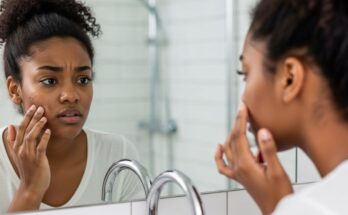
Choosing the right hormonal acne treatment for women requires more than finding a product that promises clearer skin. Hormonal acne is influenced by changes in hormone activity, oil production, inflammation, clogged pores, genetics, medications, and other individual factors. Because these influences vary from one woman to another, treatment should be selected according to the type and severity of acne, medical history, skin sensitivity, pregnancy plans, current medications, and response to previous treatments.
We recommend approaching hormonal acne systematically. Instead of repeatedly changing skincare products, we focus on identifying the acne pattern, reviewing possible hormonal influences, and choosing evidence-based treatments that can be used consistently and safely.
How to Know If Acne May Be Hormonal
Hormonal acne can appear at different stages of adulthood. Some women notice breakouts around menstruation, while others experience persistent acne regardless of their menstrual cycle.
Common patterns that may suggest a hormonal component include:
- Breakouts that regularly worsen around menstruation
- Persistent acne affecting the chin, jawline, lower cheeks, or neck
- Deep, tender inflammatory bumps or cyst-like lesions
- Acne that continues or begins during adulthood
- Breakouts associated with noticeable hormonal changes
- Acne that improves temporarily but repeatedly returns
- Acne occurring alongside symptoms such as irregular periods or increased facial or body hair
These signs do not automatically prove that hormones are responsible. Similar acne patterns can have several causes, which is why persistent or severe breakouts may benefit from professional evaluation.
Assess the Severity of Hormonal Acne Before Choosing Treatment
The first step in choosing an appropriate treatment is understanding the severity and characteristics of the acne.
Mild hormonal acne may consist mainly of blackheads, whiteheads, and occasional inflammatory pimples. Moderate acne can involve frequent papules, pustules, and deeper lesions. Severe acne may include painful nodules, cyst-like lesions, widespread inflammation, or scarring.
We also consider how long the acne has been present and whether it leaves dark marks, post-inflammatory hyperpigmentation, or permanent scars. Acne that is painful, persistent, rapidly worsening, or causing scars deserves earlier professional attention.
The goal is not simply to dry out active pimples. Effective treatment should help prevent new lesions, control inflammation, reduce clogged pores, and minimize the risk of scarring.
Consider Proven Topical Treatments for Hormonal Acne
For many women, topical treatments are an important part of an acne-management plan. The appropriate choice depends on the acne type, skin tolerance, and whether other medications are being used.
Topical Retinoids
Topical retinoids such as adapalene and tretinoin are commonly used for acne because they help prevent clogged pores and support normal skin-cell turnover. They can be particularly useful when acne includes blackheads, whiteheads, and inflammatory lesions.
Retinoids can initially cause dryness, irritation, peeling, or sensitivity. Starting gradually and using a suitable moisturizer can improve tolerability.
Pregnancy considerations are important. Women who are pregnant, planning pregnancy, or uncertain whether a treatment is appropriate during pregnancy should discuss acne medications with a qualified healthcare professional.
Benzoyl Peroxide
Benzoyl peroxide can help control acne-causing bacteria and inflammatory breakouts. It is available in different concentrations and formulations, including cleansers and leave-on treatments.
Higher strength does not necessarily mean better results. Strong formulations can increase dryness and irritation, so treatment should be selected according to individual skin tolerance.
Azelaic Acid
Azelaic acid can be useful for acne and may also help improve the appearance of post-acne discoloration. This can make it particularly relevant for women concerned about both active breakouts and the dark marks that remain afterward.
Understand Prescription Hormonal Acne Treatment Options
When acne has a significant hormonal component, topical skincare alone may not provide sufficient control. A dermatologist or other qualified clinician may consider prescription treatments after reviewing the patient’s medical history and individual risk factors.
Combined Oral Contraceptives
Certain combined oral contraceptives can help manage acne in appropriate patients by influencing androgen-related activity that contributes to excess sebum production.
However, hormonal contraceptives are not suitable for everyone. Medical history, smoking status, age, cardiovascular risk factors, migraine history, and other considerations may affect whether they are appropriate.
They should therefore be selected with a healthcare professional rather than started solely for cosmetic reasons without proper assessment.
Spironolactone
Spironolactone is another prescription medication sometimes used for hormonal acne in women. It works by reducing the effects of androgen hormones on the skin, which can help decrease oil production and recurring inflammatory breakouts.
A clinician should determine whether spironolactone is appropriate because it has contraindications and potential side effects and may require consideration of other medications or laboratory monitoring in some patients.
Choose Treatment According to Your Skin Type
The best hormonal acne treatment should also match the skin’s tolerance.
Women with oily skin may tolerate certain acne treatments differently from those with dry or sensitive skin. Aggressively stripping oily skin with harsh cleansers or excessive exfoliation can cause irritation without addressing the underlying acne.
Sensitive skin often benefits from a slower introduction of active ingredients. Instead of introducing several strong products simultaneously, we generally favour a simple routine that makes it easier to identify which treatment is helping or causing irritation.
A practical acne skincare routine may include:
- A gentle cleanser
- An appropriate acne treatment
- A non-comedogenic moisturizer
- Broad-spectrum sunscreen during the day
Keeping the routine manageable can make consistent treatment easier.
Review Medical and Hormonal Factors
Persistent acne sometimes deserves investigation beyond skincare.
For example, acne occurring alongside irregular menstrual cycles, increased facial or body hair, scalp hair thinning, or other hormonal symptoms may warrant medical evaluation. Conditions such as polycystic ovary syndrome (PCOS) can be associated with acne, although acne alone does not establish a diagnosis.
We should also consider medications and supplements because certain products may contribute to acne-like eruptions or worsen existing breakouts.
A complete medication and health review can therefore be valuable when acne appears suddenly or behaves differently from previous breakouts.
Avoid Choosing Treatment Based on Social Media Trends
One of the biggest challenges in managing hormonal acne is the enormous number of skincare recommendations available online.
A treatment that works exceptionally well for one person may cause irritation or provide little benefit to another. Using several acids, scrubs, retinoids, spot treatments, and masks simultaneously can also damage the skin barrier and make it difficult to determine which product is actually helping.
We recommend prioritizing evidence-based acne ingredients and professional guidance over rapidly changing skincare trends.
Consistency usually provides more useful information than constantly switching between products.
Give Hormonal Acne Treatment Enough Time to Work
Acne treatment rarely produces its full effect overnight. Some therapies require several weeks or longer before substantial improvement becomes apparent.
Changing products every few days can prevent us from accurately assessing whether a treatment is effective. It may also expose the skin to unnecessary irritation.
Progress should instead be evaluated by looking at factors such as:
- Fewer new breakouts
- Reduced inflammation
- Less tenderness
- Fewer deep lesions
- Gradual improvement in clogged pores
- Reduced frequency of recurring acne
Photographs taken under similar lighting can sometimes help track changes more objectively.
Consider Side Effects and Long-Term Safety
Effectiveness should never be the only factor when deciding how to choose hormonal acne treatment for women.
We also need to consider potential side effects, interactions with other medicines, pregnancy and breastfeeding considerations, allergies, existing health conditions, and how long a particular treatment may need to be used.
For prescription medications, a qualified clinician can assess whether the expected benefits are appropriate in relation to individual risks.
For topical products, excessive redness, swelling, blistering, severe burning, or persistent irritation should not simply be ignored in the hope that the skin will eventually adjust.
When to See a Dermatologist for Hormonal Acne
Professional treatment becomes particularly important when acne is severe, painful, persistent, scarring, or resistant to appropriate over-the-counter treatment.
A dermatologist can distinguish acne from conditions that may look similar and develop a treatment strategy based on the patient’s specific presentation.
We should consider professional assessment when:
- Acne causes deep or painful nodules
- Breakouts are leaving permanent scars
- Acne is worsening despite consistent treatment
- Significant dark marks develop after breakouts
- Acne suddenly becomes severe
- Breakouts are accompanied by other possible hormonal symptoms
- Acne is affecting emotional wellbeing or daily activities
- Pregnancy or pregnancy planning limits treatment choices
Early treatment of significant inflammatory acne can be particularly important because established scars are more difficult to address than active acne.
How to Build an Effective Hormonal Acne Treatment Plan
A successful plan should be simple, sustainable, evidence-based, and appropriate for the individual. Using more products does not automatically produce better results.
We begin by identifying the predominant acne type and assessing severity. We then choose treatments that address the major contributing mechanisms without overwhelming the skin.
For mild acne, an appropriate topical regimen may be sufficient. Persistent moderate or severe hormonal acne may require prescription treatment alongside a carefully selected skincare routine.
Regular reassessment is equally important. If treatment is ineffective despite consistent use, the answer is not always to add more products. Sometimes the treatment itself needs to be adjusted.
Common Mistakes When Treating Hormonal Acne
Even effective acne treatments can produce disappointing results when used incorrectly.
One common mistake is over-cleansing. Acne is not caused by dirty skin, and repeatedly scrubbing the face can increase irritation.
Another is squeezing or picking lesions. This can worsen inflammation and increase the likelihood of post-inflammatory pigmentation and scarring.
Using too many active ingredients at once is another frequent problem. Combining several exfoliating acids, retinoids, abrasive scrubs, and drying treatments may compromise the skin barrier.
We also avoid judging a treatment after only a few applications. Acne management requires enough consistency to determine whether the approach is actually working.
What to Look for When Choosing Hormonal Acne Treatment
Before selecting a treatment, we consider several practical questions. What type of acne is present? How severe is it? Are breakouts linked to menstrual changes? Is the skin sensitive or easily irritated? Have previous treatments failed? Are there other hormonal symptoms? Is pregnancy currently relevant? Are prescription medications being taken?
These questions help narrow the options and reduce unnecessary trial and error.
The ideal approach is not necessarily the strongest medication or most expensive skincare routine. It is the treatment plan that appropriately addresses the underlying acne mechanisms while remaining safe and realistic enough to use consistently.
FAQs about How to Choose Hormonal Acne Treatment for Women
1. How do I choose the right hormonal acne treatment?
The best hormonal acne treatment for women depends on acne severity, medical history, age, pregnancy plans, current medications, and whether hormonal changes are contributing to breakouts. A dermatologist can help identify an appropriate treatment plan.
2. How can I tell if my acne is hormonal?
Hormonal acne often appears around the chin, jawline, and lower face. Breakouts may worsen around menstrual periods or during other hormonal changes. However, similar acne patterns can have other causes, so professional evaluation may be helpful.
3. What treatments are commonly used for hormonal acne?
Depending on individual circumstances, treatment may include topical retinoids, benzoyl peroxide, azelaic acid, certain oral contraceptives, or spironolactone. A healthcare professional should determine whether prescription hormonal treatments are suitable.
4. Should I choose topical or oral treatment?
Topical treatments may be appropriate for mild to moderate acne, while persistent or more severe hormonal acne may require oral medication alongside topical therapy. The choice depends on symptoms and individual health factors.
5. How long does hormonal acne treatment take to work?
Improvement is usually gradual. Some treatments may require several weeks or months of consistent use before significant results become noticeable.
6. Can I treat hormonal acne while pregnant?
Some acne medications, particularly retinoids and spironolactone, are not appropriate during pregnancy. Women who are pregnant, breastfeeding, or planning pregnancy should discuss treatment options with a qualified healthcare professional.
7. When should I see a dermatologist?
Consider professional care when acne is persistent, painful, causing scars, affecting confidence, or not improving with over-the-counter treatments. A dermatologist can assess possible hormonal factors and recommend a personalized approach.
Conclusion
Understanding how to choose hormonal acne treatment for women begins with recognizing that hormonal acne is not identical in every patient. Treatment should reflect acne severity, skin type, hormonal patterns, medical history, previous treatment response, and personal circumstances.
We favour a structured approach: identify the acne pattern, use proven treatments, protect the skin barrier, monitor progress, and seek professional assessment when acne is persistent, painful, scarring, or accompanied by other symptoms.
With the right combination of targeted skincare, appropriate medical treatment, consistency, and professional guidance when needed, hormonal acne can often be managed more effectively while reducing future breakouts, inflammation, discoloration, and the risk of permanent scarring.