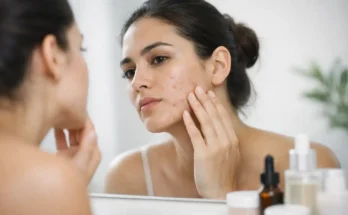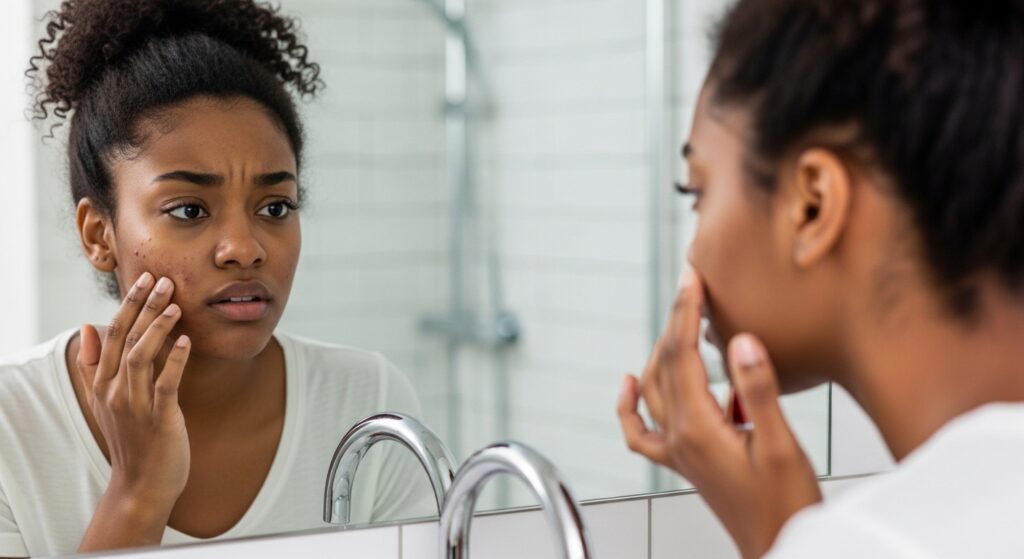
Searching for affordable hormonal acne treatment for women near me often means looking for more than a temporary solution to breakouts. Hormonal acne can be persistent, uncomfortable, and frustrating, particularly when blemishes repeatedly appear around the chin, jawline, cheeks, or lower face.
At our practice, we believe effective acne care should combine professional evaluation, evidence-based treatment, realistic costs, and a personalized skincare plan. Rather than relying solely on products that temporarily dry out blemishes, we focus on identifying patterns that may be contributing to recurring acne and selecting treatments appropriate for each woman’s skin.
Affordable care does not necessarily mean choosing the cheapest product available. It means finding a treatment strategy that is clinically appropriate, sustainable, and designed to reduce unnecessary spending on products that may not address the underlying acne pattern.
What Is Hormonal Acne in Women?
Hormonal acne refers to acne that is influenced by fluctuations or changes in hormones. Hormones can affect the activity of the sebaceous glands, increasing oil production and contributing to clogged pores and inflammation.
Women may experience hormonal breakouts during puberty, around the menstrual cycle, pregnancy, perimenopause, menopause, or after starting or stopping certain hormonal medications.
Hormonal acne may appear as:
- Deep, tender pimples or cysts
- Recurring breakouts around the chin and jawline
- Blackheads and whiteheads
- Inflamed papules and pustules
- Breakouts that worsen around the menstrual cycle
- Acne that persists into adulthood
- Dark marks or discoloration after blemishes heal
- Acne that improves temporarily but repeatedly returns
Not every breakout on the jawline is automatically hormonal. Several forms of acne can look similar, which is why a professional assessment can be helpful before committing to a long-term treatment.
How to Find Affordable Hormonal Acne Treatment Near You
When searching for hormonal acne treatment for women near me, cost is important, but it should not be the only consideration. We recommend looking for a qualified healthcare or dermatology provider who can evaluate the type and severity of acne before recommending treatment.
An appropriate consultation may consider the location of breakouts, menstrual patterns, current skincare products, medications, previous acne treatments, pregnancy plans, skin sensitivity, and the presence of scarring or post-inflammatory hyperpigmentation.
A well-designed treatment plan may actually be more economical over time because it reduces the tendency to purchase multiple products without knowing whether they are appropriate for the skin.
What to Look for in a Local Acne Treatment Provider
Before choosing a clinic or provider, we recommend considering:
- Professional qualifications and experience
- Experience treating adult and hormonal acne in women
- Transparent consultation and treatment costs
- Personalized treatment rather than a one-size-fits-all package
- Clear explanations of potential benefits and side effects
- Follow-up appointments to evaluate progress
- Access to prescription treatments when medically appropriate
- Guidance on maintaining results after acne improves
Treatment should be based on the individual’s acne pattern, medical history, skin type, and treatment goals.
Affordable Hormonal Acne Treatment Options for Women
There is no single treatment that works for every woman. Depending on acne severity and individual circumstances, treatment may involve topical medications, oral medications, hormonal therapies, skincare changes, or a combination of approaches.
Topical Retinoids
Topical retinoids are commonly used in acne management because they help prevent clogged pores and support normal skin-cell turnover.
Examples include adapalene, tretinoin, and tazarotene. Some options may be available over the counter depending on location, while others require a prescription.
Retinoids can cause dryness, peeling, or irritation when first introduced, so we generally favor a gradual approach based on skin tolerance. Retinoids are not appropriate for everyone, particularly during pregnancy, so professional guidance is important.
Benzoyl Peroxide
Benzoyl peroxide can be useful for inflammatory acne. It reduces acne-causing bacteria and may be combined with other treatments.
Different strengths and formulations are available, and stronger does not always mean better. Excessive use can cause irritation and dryness, which is why selecting an appropriate concentration is important.
Azelaic Acid
Azelaic acid can be particularly useful for women experiencing both acne and discoloration left behind after breakouts.
It can help unclog pores, reduce inflammation, and improve the appearance of post-acne marks. Depending on the concentration, it may be available over the counter or by prescription.
Salicylic Acid
Salicylic acid is commonly found in acne cleansers, toners, and leave-on treatments. As a beta-hydroxy acid, it can help remove excess oil and dead skin cells from pores.
It may be suitable for mild acne, but using several exfoliating products simultaneously can irritate the skin. We prefer a simple routine that complements medical treatment rather than an aggressive regimen containing too many active ingredients.
Prescription Hormonal Acne Treatments
Women with persistent or moderate-to-severe hormonal acne may require prescription treatment. A qualified healthcare professional can determine whether these options are appropriate.
Spironolactone for Hormonal Acne
Spironolactone is sometimes prescribed for women with hormonal acne. It works by reducing the effects of androgen hormones on the skin, which may decrease oil production and breakouts.
Because spironolactone is a prescription medication and is not suitable for everyone, treatment requires medical assessment. A healthcare professional should review relevant health conditions, medications, potential side effects, and pregnancy considerations before prescribing it.
Combined Oral Contraceptives
Certain combined oral contraceptive pills can improve acne in some women by influencing hormones associated with sebum production.
However, birth control pills are not appropriate for every patient. Medical history and individual risk factors must be reviewed before hormonal contraception is used specifically as part of acne management.
Other Prescription Acne Treatments
Depending on the severity and type of acne, a dermatologist or other qualified clinician may consider additional treatments. These can include prescription topical medications, short courses of certain oral medications, or isotretinoin for severe or treatment-resistant acne.
Isotretinoin requires careful medical supervision because of its potential adverse effects and serious pregnancy-related risks.
How Much Does Hormonal Acne Treatment Cost?
The cost of hormonal acne treatment for women varies according to the type of treatment required, geographic location, provider, insurance coverage, medication choice, and severity of the acne.
A basic treatment plan involving an affordable cleanser, moisturizer, sunscreen, and one targeted acne medication may cost substantially less than a plan involving specialist appointments, multiple prescription medications, chemical peels, or other in-office procedures.
Ways to Keep Hormonal Acne Treatment Affordable
We recommend focusing spending on the parts of the routine most likely to make a meaningful difference. Cost-conscious strategies may include:
- Asking about generic prescription medications
- Checking insurance coverage before filling prescriptions
- Choosing simple, fragrance-free skincare products
- Avoiding unnecessary combinations of expensive active ingredients
- Following treatment consistently before switching products too quickly
- Discussing budget limitations during the consultation
- Asking whether follow-up appointments can be spaced appropriately once acne is controlled
- Prioritizing proven acne treatments over cosmetic products with unsupported claims
An expensive skincare routine is not automatically more effective. Consistency and appropriate active ingredients generally matter more than luxury branding.
A Simple Skincare Routine for Hormonal Acne
Medical treatment works best when supported by a gentle skincare routine.
Morning Routine
A simple morning routine may include a gentle cleanser, prescribed or recommended acne treatment when appropriate, a non-comedogenic moisturizer, and broad-spectrum sunscreen.
Daily sunscreen is particularly important for women who develop dark marks after acne because ultraviolet exposure can make pigmentation more noticeable.
Evening Routine
An evening routine can include gentle cleansing followed by the recommended topical acne medication and moisturizer.
Introducing several acids, scrubs, retinoids, and spot treatments simultaneously may damage the skin barrier and make irritation more difficult to manage.
We generally prefer a consistent, targeted routine that can be adjusted gradually.
How Long Does Hormonal Acne Treatment Take to Work?
Hormonal acne rarely disappears overnight. Many acne treatments require consistent use for several weeks before noticeable improvement occurs, and some treatment plans may require several months to achieve their full effect.
During the early stages of treatment, dryness, mild irritation, or temporary changes in breakouts may occur with certain topical medications.
This does not mean that severe irritation should simply be tolerated. Persistent burning, swelling, severe peeling, or worsening symptoms should be discussed with a healthcare professional.
Follow-up care allows treatment to be adjusted according to progress and tolerance.
When Should Women See a Dermatologist for Hormonal Acne?
Professional evaluation becomes particularly important when acne is painful, cystic, persistent, scarring, or affecting quality of life.
We also recommend seeking medical advice when acne develops alongside symptoms that could indicate an underlying hormonal condition, such as significant menstrual irregularities or increased facial or body hair.
In some women, persistent acne may occur alongside conditions such as polycystic ovary syndrome (PCOS). Acne alone does not establish a diagnosis, so appropriate medical evaluation is necessary.
Women who are pregnant, breastfeeding, or planning pregnancy should also discuss acne treatment with a healthcare professional because some commonly used acne medications are unsuitable during pregnancy.
Can Hormonal Acne Be Treated Without Expensive Procedures?
Yes. Many women can begin treatment without costly cosmetic procedures.
For mild-to-moderate acne, a carefully selected combination of topical medication, gentle skincare, sun protection, and appropriate prescription therapy when needed may provide meaningful improvement.
Procedures such as chemical peels, certain light or laser treatments, and treatments for acne scars may be considered in selected cases, but they are not automatically necessary for every patient.
When affordability is a priority, we focus first on treatments that address active acne. Cosmetic treatments for residual pigmentation or scarring can be considered later if needed.
Preventing Hormonal Acne From Getting Worse
Although hormonal fluctuations cannot always be controlled through skincare, certain habits can reduce additional irritation and clogged pores.
We recommend avoiding aggressive scrubbing and picking or squeezing blemishes, which can increase inflammation and the likelihood of scarring or dark marks.
Women who use makeup, sunscreen, or hair products should consider non-comedogenic products where appropriate and cleanse the skin gently at the end of the day.
Changing acne treatments every few days can also make it difficult to determine what is actually working. Unless significant irritation or another adverse reaction occurs, acne treatment usually requires consistent use and appropriate follow-up.
Choosing the Best Affordable Hormonal Acne Treatment for Your Skin
The most suitable treatment depends on more than price. We consider acne severity, skin type, sensitivity, medical history, hormonal patterns, previous treatments, pregnancy considerations, scarring risk, pigmentation concerns, and budget.
Someone with occasional mild breakouts may need a relatively simple topical regimen. A woman experiencing painful cystic acne every month may benefit from medical evaluation and prescription treatment.
This personalized approach helps prevent unnecessary spending while ensuring that treatment remains focused on the actual acne pattern.
Finding Affordable Hormonal Acne Treatment for Women Near Me
A search for affordable hormonal acne treatment for women near me should ultimately lead to care that is accessible, medically appropriate, and sustainable.
Before scheduling an appointment, we recommend asking the provider about consultation fees, follow-up costs, accepted insurance plans, prescription options, and whether generic medications can be used when appropriate.
The goal is not to create the longest or most expensive skincare routine. It is to develop a focused treatment plan that controls active acne, minimizes new breakouts, protects the skin barrier, and reduces the risk of lasting scars and discoloration.
FAQs about Affordable Hormonal Acne Treatment for Women Near Me
1. What is hormonal acne?
Hormonal acne is acne influenced by hormonal fluctuations. It commonly appears around the chin, jawline, cheeks, and lower face and may include painful or recurring breakouts.
2. How can I find affordable hormonal acne treatment near me?
Start by comparing local dermatology clinics, women’s health providers, and qualified healthcare professionals. Ask about consultation fees, treatment costs, follow-up appointments, and whether insurance or payment plans are accepted.
3. What are affordable treatments for hormonal acne?
Depending on the cause and severity, treatment may include topical retinoids, benzoyl peroxide, salicylic acid, azelaic acid, antibiotics, or prescription hormonal treatments. A healthcare professional can recommend an appropriate option.
4. Does hormonal acne require a dermatologist?
Mild acne may respond to over-the-counter products, but persistent, painful, cystic, or scarring acne should be assessed by a dermatologist or qualified healthcare provider.
5. How much does hormonal acne treatment cost?
Costs vary based on the provider, location, medications, diagnostic tests, and treatment plan. Choosing generic medications when appropriate and asking about insurance coverage can help reduce expenses.
6. How long does hormonal acne treatment take to work?
Improvement is usually gradual. Some treatments may require several weeks or months of consistent use before significant results become noticeable.
7. Can hormonal acne come back after treatment?
Yes. Because hormonal changes can continue over time, acne may recur. A suitable maintenance skincare routine and follow-up care can help manage future breakouts.
8. How do I choose the right hormonal acne treatment near me?
Look for a qualified provider who can evaluate your skin type, acne severity, medical history, medications, and possible hormonal factors before recommending treatment.
Conclusion
Hormonal acne can be persistent, but effective treatment does not always require an expensive collection of products or procedures. Affordable hormonal acne treatment for women may include topical retinoids, benzoyl peroxide, azelaic acid, salicylic acid, prescription hormonal therapy, or other medical treatments depending on individual needs.
We believe the best approach begins with proper assessment and a treatment plan that is realistic enough to maintain consistently. For women searching for affordable hormonal acne treatment near me, choosing a qualified provider who offers transparent pricing and evidence-based treatment can help reduce unnecessary expenses while supporting healthier, clearer skin over time.
If acne is persistent, painful, causing scars, or repeatedly returning despite over-the-counter treatment, a consultation with a qualified healthcare professional or dermatologist can help identify the most appropriate next step.