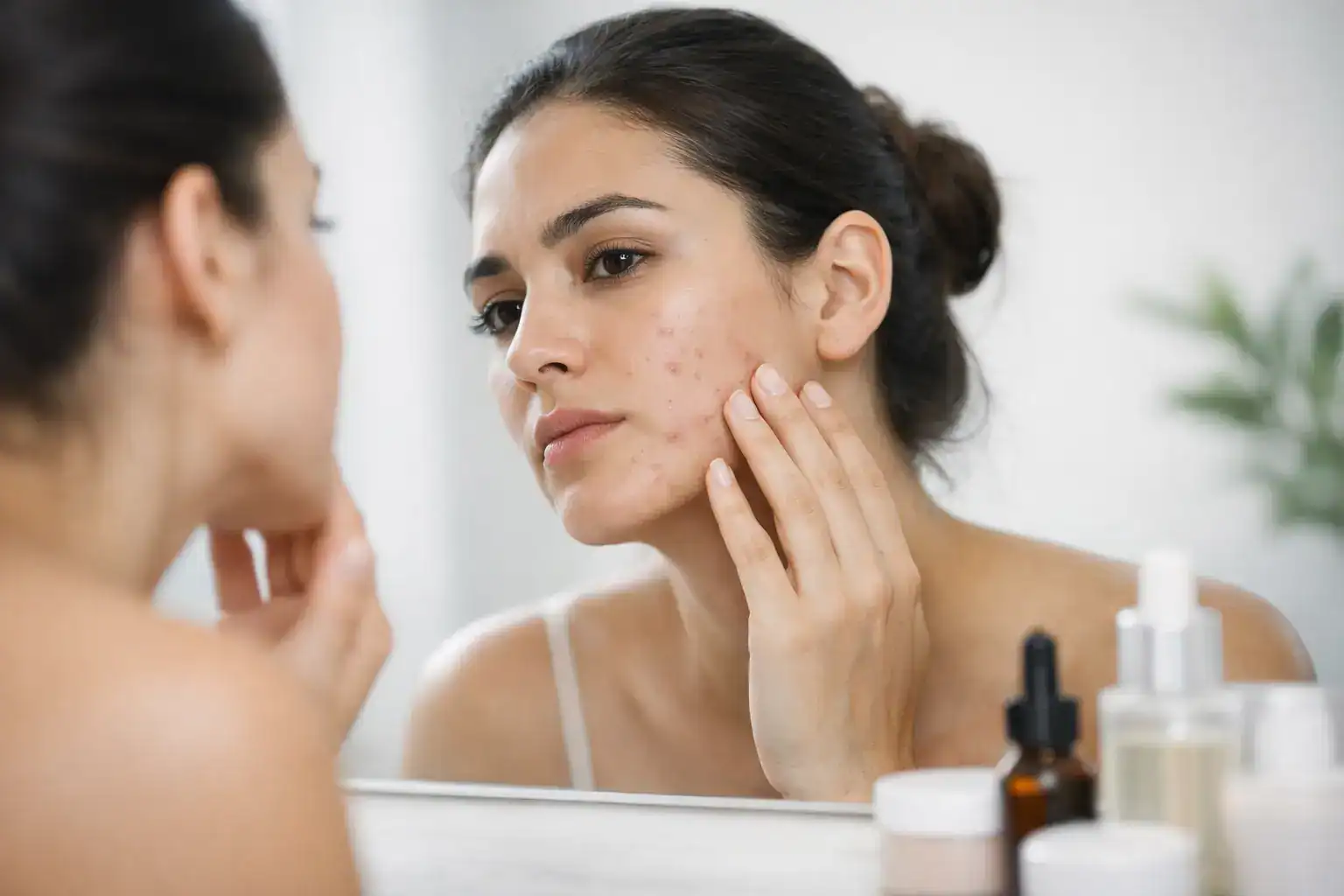
Choosing the right anti aging skincare for oily skin requires a careful balance between controlling excess oil, maintaining hydration, and addressing visible signs of aging. Oily skin often produces more sebum than necessary, leading to a shiny complexion, enlarged-looking pores, and occasional breakouts. However, it can still develop fine lines, wrinkles, uneven skin tone, and loss of firmness.
We recommend selecting lightweight, non-comedogenic anti aging skincare products that support collagen production, improve skin texture, and protect against environmental damage without clogging pores.
With the right ingredients and a consistent skincare routine, we can manage excess oil while maintaining smoother, healthier, and more youthful-looking skin.
Understanding Oily Skin and Its Anti Aging Needs
Oily skin is characterized by increased sebum production from the sebaceous glands. Although natural oils help protect the skin and reduce moisture loss, excessive production can contribute to clogged pores, acne, and unwanted shine.
When choosing anti aging products for oily skin, we must consider both aging concerns and the skin’s natural oil production.
Common concerns include:
- Fine lines and wrinkles: Gradual changes in collagen and elastin can affect skin smoothness and firmness.
- Enlarged-looking pores: Excess sebum and reduced skin elasticity can make pores appear more noticeable.
- Uneven skin tone: Sun exposure and post-acne marks may contribute to discoloration.
- Dehydration: Oily skin can still lack sufficient water, making fine lines appear more prominent.
- Acne and breakouts: Heavy skincare formulations may contribute to clogged pores in acne-prone individuals.
Understanding these concerns helps us select an effective anti aging skincare routine for oily skin without compromising skin comfort.
Key Ingredients to Look for in Anti Aging Skincare for Oily Skin
The effectiveness of anti aging skincare depends largely on its active ingredients. We recommend choosing formulations that provide measurable skincare benefits while remaining suitable for oily and acne-prone complexions.
1. Retinol for Fine Lines and Wrinkles
Retinol is one of the most widely studied ingredients for improving visible signs of aging.
As a vitamin A derivative, retinol encourages skin cell turnover and can support collagen production over time.
Its benefits include improving the appearance of fine lines, uneven texture, and certain forms of discoloration.
We recommend introducing a low-strength retinol product gradually, beginning with two nights per week and increasing frequency according to skin tolerance.
Retinoids can cause irritation, particularly during the initial weeks of use. They should generally be avoided during pregnancy.
2. Niacinamide for Oil Control and Skin Barrier Support
Niacinamide, also known as vitamin B3, is a versatile ingredient suitable for many oily skin types.
It supports the skin barrier, helps improve uneven skin tone, and may reduce excess sebum production.
Niacinamide can also improve the appearance of enlarged pores by supporting overall skin texture and oil balance.
We recommend lightweight niacinamide serums or moisturizers that combine this ingredient with hydrating compounds.
3. Hyaluronic Acid for Lightweight Hydration
One common misconception is that oily skin does not require moisturizer.
In reality, adequate hydration is essential for maintaining skin elasticity and minimizing the appearance of dehydration-related fine lines.
Hyaluronic acid attracts and retains water, helping the skin appear smoother and more hydrated without adding heavy oils.
We recommend water-based serums and gel moisturizers containing hyaluronic acid for comfortable daily hydration.
4. Vitamin C for Brightening and Antioxidant Protection
Vitamin C is an antioxidant that helps protect the skin against environmental oxidative stress.
It also supports collagen synthesis and can improve the appearance of uneven pigmentation.
For oily skin, we recommend lightweight vitamin C serums that absorb comfortably without leaving a greasy residue.
Individuals with sensitive or acne-prone skin should introduce vitamin C gradually to minimize irritation.
5. Salicylic Acid for Pores and Skin Texture
Salicylic acid is a beta-hydroxy acid that helps remove excess oil and dead skin cells from pores.
It is particularly useful for oily skin experiencing blackheads, clogged pores, and acne.
Although salicylic acid is not a primary wrinkle treatment, it can improve overall skin texture and complement an anti aging routine.
We recommend avoiding excessive exfoliation, especially when using retinol or other potentially irritating ingredients.
How to Choose the Best Anti Aging Skincare Products for Oily Skin
Selecting effective skincare requires more than identifying popular ingredients. We must also evaluate product texture, compatibility, and individual skin concerns.
Essential Factors to Consider Before Buying
When comparing the best anti aging skincare products for oily skin, we recommend following these guidelines:
1. Choose non-comedogenic formulas: Look for products designed to minimize the likelihood of clogged pores, especially if your skin is acne-prone.
2. Prioritize lightweight textures: Gel moisturizers, fluid sunscreens, and water-based serums are often more comfortable for oily skin.
3. Select evidence-based ingredients: Retinoids, sunscreen, niacinamide, and antioxidants can help address different aging concerns.
4. Avoid harsh alcohol-heavy formulations: Products that cause excessive dryness or irritation may compromise skin barrier function.
5. Look for broad-spectrum sunscreen: Daily SPF 30 or higher is essential for protecting against premature skin aging.
6. Introduce active ingredients gradually: Starting several strong treatments simultaneously increases the likelihood of irritation.
7. Consider skin sensitivity: Fragrance-free formulations may be preferable for individuals prone to redness or irritation.
8. Evaluate product compatibility: Choose products that work together without creating unnecessary dryness or excessive exfoliation.
Following these principles makes it easier to develop an effective routine without purchasing unnecessary products.
Best Anti Aging Skincare Routine for Oily Skin
A consistent routine helps maintain skin hydration, reduce unwanted shine, and address visible signs of aging.
We recommend keeping daily skincare simple while prioritizing ingredients supported by dermatological research.
Morning Anti Aging Skincare Routine
Step 1: Cleanse Gently
Begin with a mild gel or foaming cleanser that removes excess oil without stripping the skin of essential moisture.
Step 2: Apply an Antioxidant Serum
Use a lightweight vitamin C or niacinamide serum to support brighter-looking skin and improve overall texture.
Step 3: Moisturize
Apply an oil-free or lightweight moisturizer containing hyaluronic acid, glycerin, or ceramides.
Step 4: Protect With Sunscreen
Finish with a broad-spectrum SPF 30 or higher sunscreen. Gel-based and matte-finish formulas may feel more comfortable on oily skin.
Evening Anti Aging Skincare Routine
Step 1: Remove Sunscreen and Impurities
Cleanse thoroughly to remove accumulated oil, sunscreen, and environmental impurities.
Step 2: Apply Retinol
Use a low-strength retinol treatment on dry skin, following product instructions and gradually increasing usage as tolerated.
Step 3: Restore Hydration
Finish with a lightweight moisturizer containing barrier-supporting ingredients.
On nights when retinol is not used, we recommend focusing on hydration rather than introducing multiple exfoliating products.
Common Mistakes to Avoid When Choosing Anti Aging Skincare for Oily Skin
Even high-quality products may deliver disappointing results when used incorrectly.
We recommend avoiding several common skincare mistakes.
Using Harsh Cleansers
Aggressive cleansing may temporarily remove shine, but it can also cause irritation and disrupt the skin’s protective barrier.
A gentle cleanser is generally more suitable for long-term skincare maintenance.
Skipping Moisturizer
Avoiding moisturizer because of oily skin may worsen dehydration and leave the complexion feeling uncomfortable.
Lightweight hydration helps maintain skin balance without necessarily increasing greasiness.
Overusing Exfoliating Acids
Combining strong exfoliating acids with retinol too frequently may lead to redness, peeling, and irritation.
We recommend introducing exfoliants conservatively and adjusting frequency based on skin tolerance.
Ignoring Daily Sun Protection
UV exposure contributes significantly to premature skin aging, including wrinkles, uneven pigmentation, and loss of firmness.
Without consistent sunscreen use, the benefits of other anti aging treatments may be limited.
How to Choose Anti Aging Skincare for Oily and Acne-Prone Skin
Individuals with both oily and acne-prone skin may benefit from products that target breakouts while supporting smoother skin texture.
We recommend prioritizing gentle formulations containing niacinamide, salicylic acid, and suitable retinoids, depending on individual needs.
However, not every active ingredient should be used at the same time.
For example, introducing salicylic acid and retinol on alternating evenings may improve tolerability compared with applying both immediately in one routine.
We also recommend avoiding unnecessary layering of heavy creams and multiple concentrated serums.
For persistent acne, prescription treatments, or significant irritation, a dermatologist can help develop a personalized treatment plan.
Affordable Anti Aging Skincare for Oily Skin: What Matters Most?
Effective skincare does not always require expensive products.
We recommend focusing on ingredient quality, suitable formulations, and consistent use rather than premium packaging or marketing claims.
A practical, budget-friendly routine can include a gentle cleanser, lightweight moisturizer, broad-spectrum sunscreen, and a well-tolerated active treatment.
Sunscreen and moisturization provide an important foundation, while retinol or another suitable retinoid can address visible signs of aging.
Choosing a few effective products is often more practical than maintaining an elaborate routine with overlapping ingredients.
How Long Does Anti Aging Skincare Take to Show Results?
Results vary according to skin type, product formulation, ingredient concentration, and consistency.
Hydrating ingredients may improve the appearance of dehydration-related fine lines relatively quickly.
Improvements in skin texture and uneven pigmentation generally require several weeks of consistent application.
Retinoids may take approximately three to six months to produce more noticeable improvements in fine lines, although individual results vary.
We recommend maintaining realistic expectations and evaluating changes over time rather than switching products frequently.
Consistent sunscreen use is especially important for preserving improvements and preventing additional sun-related skin damage.
Additional Tips for Maintaining Youthful-Looking Oily Skin
Beyond selecting appropriate products, everyday skincare habits contribute to long-term skin health.
We recommend maintaining a consistent routine, cleansing after heavy sweating, avoiding unnecessary face touching, and removing makeup before sleeping.
Adequate sleep, balanced nutrition, and avoiding smoking can also support overall skin health.
Importantly, we should adjust skincare routines when seasonal conditions, skin sensitivity, or hormonal changes affect oil production.
Products that feel comfortable during humid weather may require modification when environmental conditions become drier.
FAQs about How to Choose Anti Aging Skincare for Oily Skin
1. What Is the Best Anti Aging Skincare for Oily Skin?
The best anti aging skincare for oily skin includes lightweight, oil-free, and non-comedogenic products containing ingredients such as retinol, niacinamide, hyaluronic acid, and vitamin C. These ingredients help improve skin texture, reduce fine lines, and maintain hydration without clogging pores.
2. How Do I Choose Anti Aging Products for Oily Skin?
When choosing anti aging skincare products for oily skin, we recommend looking for non-comedogenic formulas, gel-based moisturizers, and lightweight serums. Avoid overly heavy creams that may leave the skin feeling greasy.
3. Is Retinol Good for Oily Skin?
Yes. Retinol is an effective anti aging ingredient that helps reduce fine lines, improve uneven skin texture, and support skin renewal. Start with a low concentration and gradually increase usage as tolerated.
4. Can Oily Skin Use Anti Aging Moisturizers?
Absolutely. Oily skin still requires hydration. Choose oil-free anti aging moisturizers containing hyaluronic acid, glycerin, or ceramides to maintain moisture without excessive shine.
5. What Ingredients Should I Avoid in Anti Aging Skincare for Oily Skin?
We recommend avoiding products that cause irritation or feel excessively greasy. Heavy formulations and strongly fragranced products may not suit everyone, particularly those with acne-prone or sensitive skin.
6. How Often Should I Use Anti Aging Skincare Products?
A basic anti aging skincare routine for oily skin should include cleansing, moisturizing, and broad-spectrum SPF 30 or higher sunscreen daily. Introduce retinol gradually, preferably at night.
7. Can Anti Aging Skincare Help Control Excess Oil?
Yes. Ingredients such as niacinamide may help regulate the appearance of excess oil while supporting the skin barrier and improving overall skin texture.
8. How Long Does Anti Aging Skincare Take to Show Results?
Visible improvements generally require consistent use for several weeks to months, depending on the ingredients, skin concerns, and individual response.
Conclusion
Understanding how to choose anti aging skincare for oily skin allows us to address fine lines, uneven texture, and excess sebum without overwhelming the skin.
We recommend prioritizing lightweight, non-comedogenic products containing proven ingredients such as retinol, niacinamide, hyaluronic acid, and vitamin C.
A balanced skincare routine should include gentle cleansing, effective hydration, targeted anti aging treatments, and daily broad-spectrum sunscreen.
By selecting suitable formulations, avoiding harsh treatments, and maintaining consistency, we can support healthier, smoother, and more youthful-looking oily skin over time.

