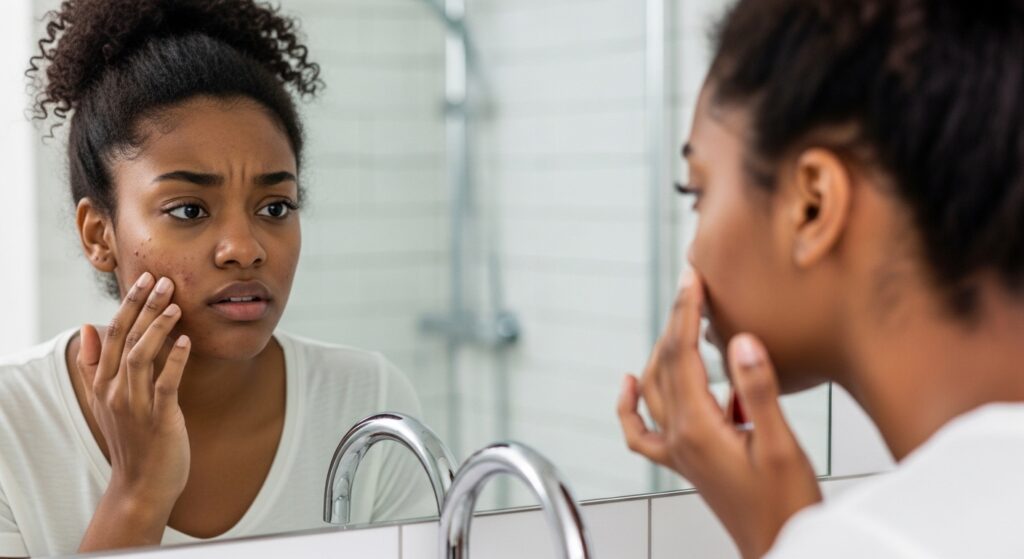
Fine lines are among the earliest visible signs of skin aging, often appearing around the eyes, forehead, mouth, and other areas where facial expressions occur frequently. Finding the best fine line treatment for face can help improve skin texture, maintain hydration, and reduce the appearance of early wrinkles.
We understand that achieving smoother, healthier-looking skin requires the right combination of skincare ingredients, professional treatments, and consistent daily care. Whether fine lines develop from natural aging, sun exposure, dehydration, or environmental damage, effective treatments can help improve their appearance and support long-term skin health.
What Causes Fine Lines on the Face?
Fine lines develop when the skin gradually loses collagen, elastin, and moisture. These essential components help maintain skin firmness, elasticity, and smoothness.
As collagen production declines with age, the skin becomes thinner and less resilient, making fine lines increasingly noticeable.
Several factors contribute to facial fine lines, including:
- Natural Aging: Gradual reductions in collagen and elastin affect skin firmness.
- Sun Exposure: Ultraviolet radiation accelerates collagen breakdown and premature skin aging.
- Dehydration: Insufficient skin hydration makes superficial lines more noticeable.
- Repeated Facial Expressions: Smiling, squinting, and frowning contribute to expression lines.
- Smoking: Tobacco exposure accelerates visible skin aging and damages collagen.
- Environmental Stress: Pollution and oxidative stress can contribute to skin deterioration.
Understanding these causes allows us to identify the most effective treatments for fine lines and wrinkles based on individual skin needs.
Best Fine Line Treatment for Face: Top Skincare Solutions
Choosing the right facial treatment involves identifying ingredients that improve hydration, stimulate collagen production, and protect the skin against further damage.
1. Retinol for Fine Lines and Wrinkles
Retinol is one of the most widely studied skincare ingredients for improving early signs of aging. As a vitamin A derivative, retinol supports skin cell turnover and collagen production.
Regular use may help:
- Reduce the appearance of fine lines.
- Improve uneven skin texture.
- Support firmer-looking skin.
- Minimize visible signs of photoaging.
We recommend introducing retinol gradually, beginning with a low concentration two or three nights weekly, depending on skin tolerance. A moisturizer can help minimize irritation, while daily sunscreen protects against further sun damage.
Retinoids should generally be avoided during pregnancy.
2. Hyaluronic Acid for Facial Hydration
Hyaluronic acid is an excellent option for individuals experiencing dehydration-related fine lines. This moisture-binding ingredient helps attract and retain water, creating a temporarily plumper skin appearance.
The benefits of hyaluronic acid for fine lines include improved hydration, enhanced skin softness, and reduced visibility of superficial dehydration lines.
We recommend applying a hyaluronic acid serum before moisturizer to help maintain comfortable, hydrated skin throughout the day.
3. Vitamin C Serum for Premature Aging
Vitamin C is a powerful antioxidant that helps protect the skin from environmental oxidative stress while supporting normal collagen synthesis.
Consistent application of a well-formulated vitamin C serum for fine lines may improve skin brightness, uneven tone, and visible signs of sun-related aging.
For optimal results, we recommend applying vitamin C in the morning, followed by moisturizer and broad-spectrum sunscreen.
4. Peptides for Firmer-Looking Skin
Peptides are short chains of amino acids commonly included in anti-aging skincare formulations. Certain peptides may support improvements in skin hydration, elasticity, and the appearance of fine lines.
Although clinical evidence varies between formulations, peptide serums can complement a comprehensive skincare routine.
We recommend choosing peptide-based products with moisturizing ingredients such as glycerin, ceramides, and hyaluronic acid.
5. Sunscreen for Fine Line Prevention
Daily sun protection is essential for preventing premature facial aging. UV exposure damages collagen and elastin, contributing to wrinkles, pigmentation, and reduced skin elasticity.
A broad-spectrum sunscreen with SPF 30 or higher helps protect against UVA and UVB radiation.
We recommend applying sunscreen every morning and reapplying approximately every two hours during prolonged outdoor exposure, particularly after swimming or sweating.
Consistent sunscreen use remains one of the most effective strategies for preventing additional sun-related fine lines.
Professional Treatments for Fine Lines on the Face
When topical skincare products do not provide sufficient improvement, professional cosmetic treatments may offer more noticeable results.
Laser Skin Resurfacing
Laser resurfacing targets damaged skin and stimulates tissue remodeling, potentially improving fine lines, texture, and certain signs of sun damage.
Fractional laser treatments may be suitable for selected patients, although recovery time and pigmentation risks vary depending on the technology and skin type.
A qualified dermatologist can recommend appropriate settings and treatment options.
Microneedling for Fine Lines
Microneedling creates controlled microscopic injuries in the skin to encourage natural healing and collagen remodeling.
Professional microneedling may improve mild wrinkles, uneven texture, and certain acne scars over a series of sessions.
We recommend professional assessment before treatment, particularly for individuals prone to hyperpigmentation or scarring.
Botulinum Toxin Injections
Botulinum toxin injections temporarily relax targeted facial muscles responsible for dynamic expression lines.
They are commonly used for:
- Forehead lines.
- Crow’s feet around the eyes.
- Frown lines between the eyebrows.
Results generally develop over several days and commonly last around three to four months, although individual outcomes vary.
Chemical Peels
Chemical peels use exfoliating solutions to remove damaged superficial skin layers and encourage skin renewal.
Depending on their strength and formulation, professional peels may help improve mild fine lines, pigmentation, and rough facial texture.
Superficial peels generally involve less recovery than deeper procedures, but stronger peels require careful medical supervision.
How to Choose the Best Fine Line Treatment for Your Skin Type
Not every anti-aging treatment suits every complexion. We recommend selecting products according to skin type, sensitivity, and the severity of facial lines.
| Skin Type | Recommended Fine Line Treatment |
|---|---|
| Dry Skin | Hyaluronic acid, ceramides, moisturizing creams |
| Oily Skin | Lightweight retinol formulations, gel moisturizers |
| Sensitive Skin | Gentle moisturizers, low-strength retinoids when tolerated |
| Combination Skin | Hydrating serums, carefully introduced retinol |
| Mature Skin | Retinoids, rich moisturizers, professional treatment options |
For individuals with sensitive skin, we recommend patch-testing new products and introducing only one active ingredient at a time.
Daily Skincare Routine for Reducing Facial Fine Lines
A consistent skincare routine helps maximize treatment effectiveness and maintain healthy skin.
Morning Anti-Aging Skincare Routine
- Gentle Cleanser: Remove impurities without stripping natural moisture.
- Vitamin C Serum: Provide antioxidant support and improve skin radiance.
- Hydrating Serum: Apply hyaluronic acid to improve skin hydration.
- Moisturizer: Strengthen the skin barrier and reduce moisture loss.
- Broad-Spectrum Sunscreen: Protect the skin with SPF 30 or higher.
Evening Anti-Aging Skincare Routine
- Cleanse Thoroughly: Remove sunscreen, makeup, and daily impurities.
- Apply Retinol: Introduce a suitable retinol formula gradually.
- Use a Hydrating Serum: Support moisture balance when needed.
- Apply Moisturizer: Help minimize dryness and maintain skin barrier function.
We recommend avoiding excessive exfoliation, particularly when incorporating retinol into an existing skincare routine.
How Long Does Fine Line Treatment Take to Work?
The time required to notice visible improvements depends on the treatment, skin condition, and consistency of use.
Hydrating products may temporarily soften the appearance of dehydration lines within hours, while retinol and other collagen-supporting ingredients generally require several weeks or months.
Professional treatments may produce noticeable improvements sooner, although collagen remodeling after procedures such as microneedling and laser resurfacing continues over time.
We emphasize realistic expectations because no single treatment permanently eliminates every facial wrinkle.
Natural Ways to Support Fine Line Treatment Results
Alongside targeted skincare, healthy daily habits help maintain skin quality and reduce preventable environmental damage.
We recommend prioritizing adequate sleep, balanced nutrition, regular hydration, and avoiding smoking.
A diet containing fruits, vegetables, healthy fats, and sufficient protein provides nutrients involved in normal skin maintenance.
Limiting excessive sun exposure and avoiding tanning beds also helps prevent further collagen damage.
While these habits cannot completely reverse established wrinkles, they support the effectiveness of a comprehensive anti-aging skincare routine.
Common Mistakes to Avoid When Treating Fine Lines
Even effective skincare products may cause problems when used incorrectly. Applying too many active ingredients simultaneously can trigger irritation, dryness, and skin barrier damage.
Common mistakes include overusing retinol, combining multiple strong exfoliants, skipping sunscreen, and expecting immediate results from collagen-supporting products.
We recommend following product instructions, maintaining a consistent routine, and seeking professional guidance when irritation persists.
When Should You Consider Professional Fine Line Treatment?
Professional evaluation may be beneficial when fine lines become more noticeable despite regular skincare or when deeper wrinkles require targeted cosmetic treatment.
A dermatologist can distinguish dehydration lines from expression-related wrinkles and sun-induced skin changes.
This assessment helps determine whether topical treatments, injectable procedures, microneedling, or laser therapies are appropriate.
We recommend discussing potential side effects, expected improvements, recovery requirements, and treatment costs before undergoing cosmetic procedures.
FAQs about Best Fine Line Treatment for Face
1. What is the best fine line treatment for the face?
The best fine line treatment for the face depends on your skin type and concerns. Retinoids, hyaluronic acid, vitamin C, and professional treatments such as laser resurfacing can help improve the appearance of fine lines and wrinkles.
2. Can fine lines on the face be removed permanently?
Fine lines cannot always be removed permanently. However, anti-aging skincare treatments can significantly reduce their appearance. Consistent skincare, sun protection, and professional treatments help maintain smoother, younger-looking skin.
3. Which skincare ingredients are best for reducing fine lines?
Effective ingredients include retinol, hyaluronic acid, peptides, vitamin C, and niacinamide. Retinol supports collagen production, while hyaluronic acid improves skin hydration and temporarily plumps fine lines.
4. How long does it take to see results from fine line treatments?
Results depend on the treatment. Hydrating products may temporarily improve skin appearance within days, while retinol and other anti-aging treatments typically require several weeks or months of consistent use.
5. Are natural remedies effective for treating facial fine lines?
Natural ingredients such as aloe vera and plant-based oils may improve hydration. However, they have limited evidence for reducing wrinkles compared with clinically studied treatments like retinoids.
6. What is the best treatment for fine lines around the eyes?
Eye creams containing gentle retinoids, peptides, and hyaluronic acid may help improve fine lines. Dermatologist-administered treatments may offer additional improvements for deeper wrinkles.
7. How can we prevent fine lines from appearing on the face?
We recommend using broad-spectrum SPF 30 or higher, moisturizing regularly, avoiding smoking, and maintaining a consistent skincare routine.
8. Are professional fine line treatments worth it?
Professional treatments, including microneedling, chemical peels, and laser resurfacing, may provide noticeable improvements. A qualified dermatologist can recommend the most suitable option based on individual skin needs.
Conclusion
Finding the best fine line treatment for face requires a balanced approach that combines effective skincare ingredients, daily sun protection, and appropriate professional treatments.
Retinol, hyaluronic acid, vitamin C, and moisturizers can improve the appearance of early fine lines, while procedures such as microneedling, laser resurfacing, and botulinum toxin injections offer additional options for specific concerns.
We believe the most effective approach begins with understanding individual skin needs, choosing evidence-based treatments, and maintaining a consistent skincare routine. With appropriate care and realistic expectations, smoother, healthier-looking skin is an achievable long-term goal.

