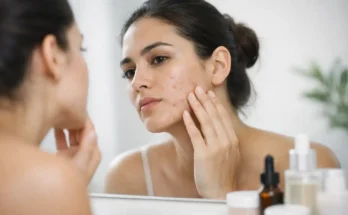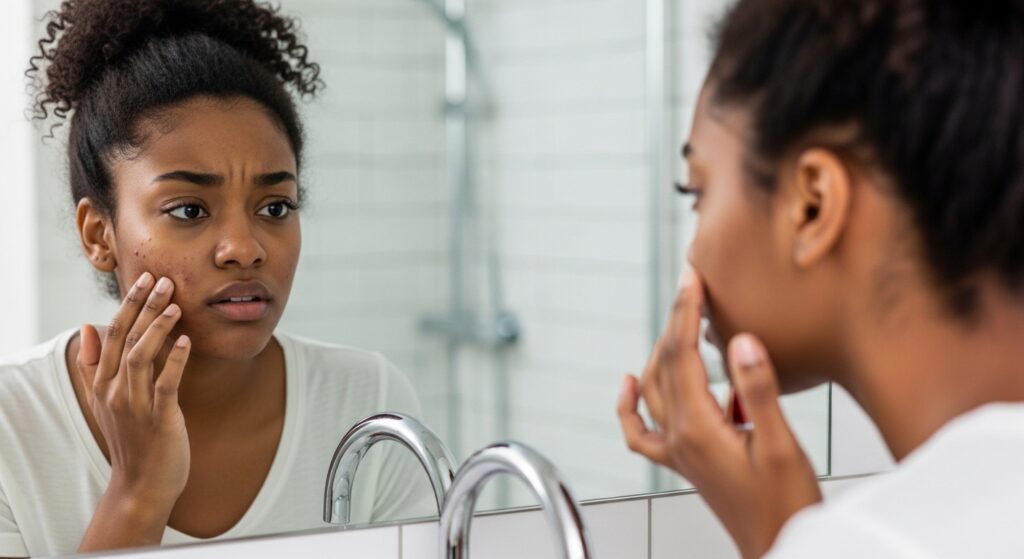
Hormonal acne treatment for women can involve topical medicines, prescription hormonal therapy, or a combination tailored to the severity of the breakouts. The total cost depends on the treatment selected, consultation fees, medication availability, and any monitoring required.
When comparing options, we should consider both the initial expense and the cost of maintaining results. A manageable, evidence-based routine offers better value than repeatedly buying products that do not address persistent acne.
Understanding Hormonal Acne in Women
Hormones influence oil production, which contributes to clogged pores and breakouts. Adult women may notice acne around the chin and jawline, recurring spots before menstruation, or persistent breakouts after changing contraceptives. However, the location or timing of acne alone does not confirm a hormonal disorder.
We should assess the full picture before choosing treatment: the type of spots, their frequency, previous treatments, skin sensitivity, and reproductive plans. This helps distinguish a suitable first treatment from a condition requiring specialist assessment.
How Much Does Hormonal Acne Treatment for Women Cost?
There is no universal price for hormonal acne treatment. Fees vary between countries, clinics, pharmacies, and healthcare systems. Without a specific location and provider, an exact figure would be unreliable.
A useful estimate should cover the complete treatment pathway, rather than the price of one cream or tablet. Ask for an itemised quote that separates the first appointment, medication, follow-up visits, and any tests.
Expenses to Include in a Treatment Budget
Before committing to a treatment plan, we should account for:
- Initial consultation: Assessment by a qualified clinician or dermatologist.
- Medication: Creams, gels, tablets, or a prescribed combination.
- Follow-up appointments: Reviews to assess progress and adjust treatment.
- Monitoring: Tests when indicated by the medicine and individual health risks.
- Basic skincare: A gentle cleanser, moisturiser, and sunscreen.
- Maintenance treatment: Ongoing medication where needed to control recurrence.
Also ask whether the quoted medication price covers a month or an entire treatment course. A low first-month cost may not reflect the overall expense.
Hormonal Acne Treatment Options for Women
The best option depends on whether acne is mild, inflamed, persistent, or causing scarring. Dermatology guidance supports several topical and oral treatments, including medicines that address hormonal influences. aad.org
1. Topical Retinoids
Topical retinoids, such as adapalene and tretinoin, help prevent clogged pores and treat acne. They may form part of a treatment plan even when breakouts appear hormonally influenced.
Dryness and irritation can affect tolerability, so the prescribed application schedule matters. More frequent use does not automatically produce faster improvement.
For budgeting, compare the prescribed formulation, pack size, and expected duration of use. Ask whether an appropriate generic version is available.
2. Benzoyl Peroxide
Benzoyl peroxide is an established acne treatment that may be used alongside other medicines. It is particularly relevant when treatment needs to address inflammatory acne.
It can irritate skin and bleach fabrics. A simpler routine can make it easier to identify which product is causing irritation and avoid paying for unnecessary additions.
3. Azelaic Acid
Azelaic acid can treat acne and help fade dark marks that remain after spots clear. This makes it relevant when both active breakouts and uneven pigmentation are concerns.
Availability and price depend on concentration, formulation, and whether the product requires a prescription locally. We should compare the active ingredient and prescribed strength, rather than relying on packaging or “brightening” claims. aad.org
4. Spironolactone
Spironolactone is a prescription medicine used for persistent acne in women. It reduces the effects of androgens and may be considered when other treatments have not provided adequate control.
Potential side effects include increased urination, breast tenderness, and menstrual changes. Pregnancy must be avoided during treatment, and a clinician should discuss suitable contraception where pregnancy is possible. Individual health conditions and other medicines influence prescribing and monitoring decisions. aad.org
The total expense can include the prescription, follow-up consultations, and any indicated monitoring. We should obtain those costs before starting rather than considering the tablet price alone.
5. Combined Oral Contraceptive Pills
Certain combined oral contraceptives can improve acne and may be appropriate for women who also want contraception. They are not suitable for everyone; prescribing requires a review of medical history and relevant risks.
A clinician may recommend a contraceptive pill alone or alongside another acne medicine. We should clarify whether the proposed option addresses both contraception and acne, and how its ongoing cost fits the treatment budget. aad.org
6. Topical Clascoterone
Clascoterone is a topical prescription treatment that targets androgen activity in the skin. It offers another option for addressing hormonal influences, although availability varies by country.
Where available, ask how its expected benefits, tolerability, and price compare with established alternatives. A newer product is not automatically the most suitable choice for every woman. aad.org
7. Oral Antibiotics and Isotretinoin
Oral antibiotics may be used for moderate to severe inflammatory acne. They should be prescribed within an appropriate combination plan, with treatment reviewed and duration limited to reduce antibiotic resistance.
Isotretinoin may be considered for severe acne, acne causing scarring, or cases that have not responded adequately to standard treatment. It requires specialist oversight and strict pregnancy precautions. These treatments have different purposes and should not be selected simply because acne follows a monthly pattern. NICE
Comparing Treatment Costs Fairly
We can compare proposals more accurately by asking each provider for the same information.
| Cost question | What to clarify |
|---|---|
| What does the consultation fee include? | Assessment, prescription, and any included review |
| How long will each medicine last? | Expected replacement frequency |
| Are tests necessary? | Which tests, why, and their separate charges |
| Is a generic option suitable? | Potential savings on the prescribed treatment |
| What happens after improvement? | Expected maintenance medicines and appointments |
This approach helps reveal the practical difference between an affordable treatment plan and an inexpensive product that requires frequent replacement.
How to Reduce Unnecessary Treatment Spending
A focused plan makes budgeting easier. We should prioritise prescribed treatment and essential skincare before buying multiple serums, supplements, or cosmetic packages.
Practical Ways to Manage Costs
- Request an itemised estimate before starting.
- Ask about suitable generic medicines when available.
- Avoid duplicate active ingredients across several products.
- Check insurance or healthcare coverage for consultations and prescriptions.
- Keep planned reviews so ineffective or poorly tolerated treatment can be adjusted.
- Track progress consistently rather than replacing the routine after every breakout.
If a clinic recommends a package, ask which elements treat active acne and which address residual marks or scars. These are separate goals and may require separate budgets.
How Long Does Hormonal Acne Treatment Take?
Acne treatment requires consistency. NICE advises that noticeable benefits may take six to eight weeks, with an initial treatment review commonly scheduled at 12 weeks. Hormonal therapies can also require several months to assess their benefit. NICE
We should budget for the planned assessment period and discuss significant irritation or side effects promptly. Progress photographs taken under similar lighting can help make follow-up discussions more useful.
Pregnancy Plans and Treatment Selection
Pregnancy, breastfeeding, and plans to conceive should be discussed before treatment begins. Topical retinoids and oral tetracycline antibiotics are unsuitable during pregnancy or when planning pregnancy, while spironolactone also requires pregnancy avoidance. Isotretinoin has particularly strict pregnancy-prevention requirements. NICE
We should make reproductive plans part of the first consultation so the recommended treatment fits both skin concerns and personal circumstances.
Choosing a Suitable Plan for Lasting Acne Control
The most useful plan balances clinical suitability, tolerability, affordability, and follow-up. Ask what improvement to expect, when treatment will be reviewed, and what maintenance might involve.
Persistent painful acne, developing scars, or inadequate improvement deserves professional reassessment. Repeatedly purchasing stronger products without reviewing the diagnosis can increase spending while delaying appropriate care.
FAQs about Hormonal Acne Treatment for Women Cost and Options
1. How much does hormonal acne treatment for women cost?
The cost of hormonal acne treatment for women varies depending on the treatment type, severity of acne, location, and whether prescription medication or professional procedures are required. Over-the-counter products are generally more affordable than dermatologist-supervised treatments.
2. What are the common treatment options for hormonal acne?
Treatment may include topical retinoids, benzoyl peroxide, salicylic acid, prescription antibiotics, hormonal therapies, and certain oral medications. A dermatologist can recommend options based on individual needs.
3. Are hormonal acne medications expensive?
Costs differ by medication, dosage, insurance coverage, and pharmacy. Generic prescription medications may be less expensive than branded alternatives.
4. Does insurance cover hormonal acne treatment?
Some health insurance plans may cover dermatologist consultations, prescription medications, or medically necessary acne treatments. Cosmetic procedures are often excluded. Patients should confirm coverage with their provider.
5. Are there affordable hormonal acne treatment options?
Yes. Affordable options may include gentle cleansers, salicylic acid, benzoyl peroxide, adapalene, and generic prescription treatments when appropriate.
6. How long does hormonal acne treatment take to work?
Many treatments require several weeks or months before noticeable improvement occurs. Consistent use is important, and treatment may need adjustment over time.
7. When should women see a dermatologist for hormonal acne?
Professional evaluation is recommended when acne is persistent, painful, causing scars, or not improving with over-the-counter treatments. A dermatologist can identify suitable hormonal acne treatment options and discuss expected costs.
Conclusion
Hormonal acne treatment for women cost and options should be considered together. Topical medicines, hormonal therapies, and specialist treatments offer different benefits, responsibilities, and ongoing expenses.
We should seek an individual assessment, request a transparent cost breakdown, and choose a routine that can be followed consistently. A clear plan provides a stronger basis for controlling breakouts and managing the long-term cost of care.