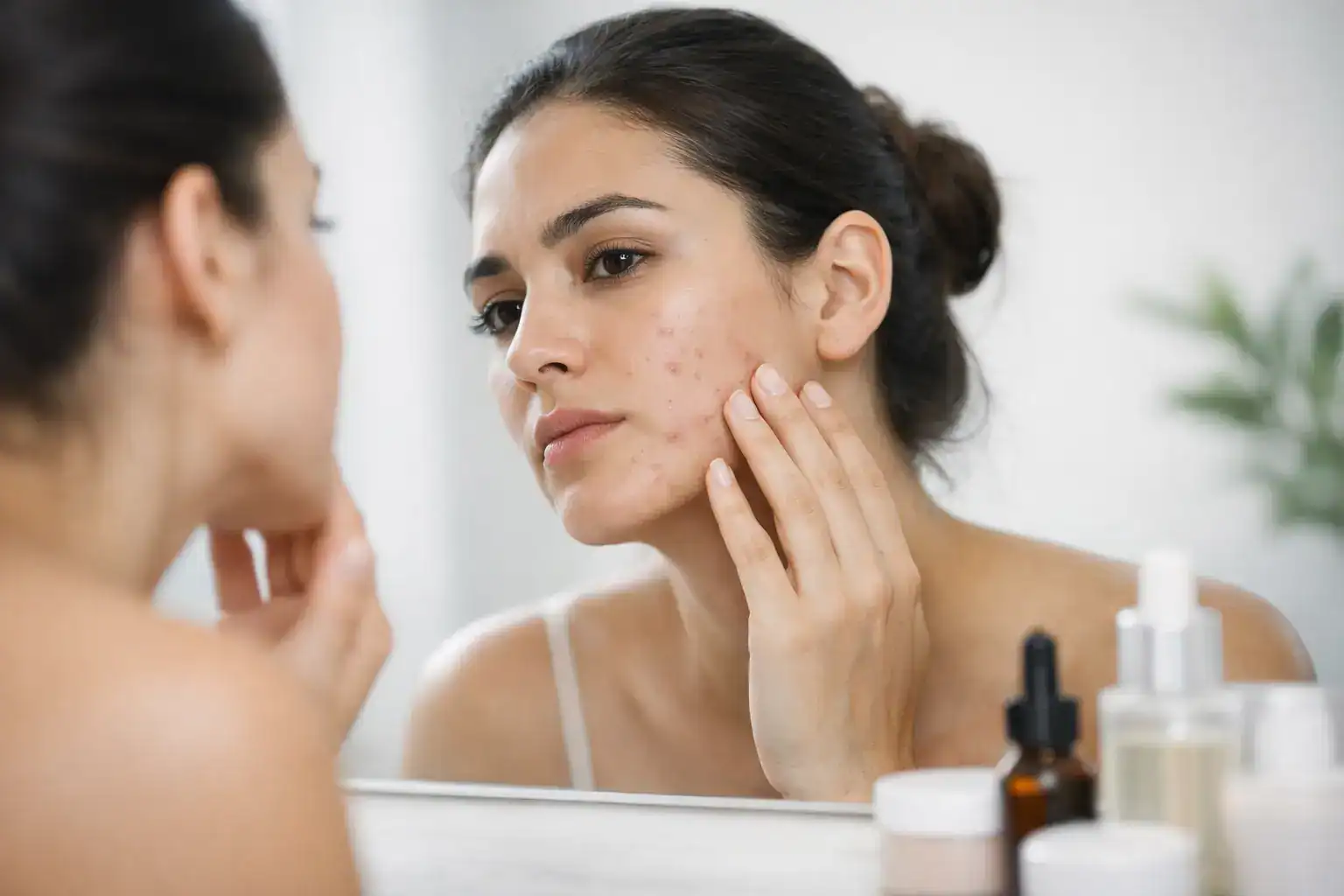
Finding the best dermatologist recommended anti aging skincare for dry skin is essential for maintaining a smoother, healthier, and more youthful-looking complexion. As skin ages, it gradually loses moisture, elasticity, and natural oils, making fine lines, wrinkles, and uneven texture more noticeable. For individuals with dry skin, these changes can become particularly challenging without an effective skincare routine.
We recommend choosing dermatologist-recommended anti-aging products that combine powerful skin-renewing ingredients with intensive hydration. The right combination of moisturizers, serums, cleansers, and sun protection can improve skin texture, minimize the appearance of wrinkles, and strengthen the skin’s natural moisture barrier.
By understanding which ingredients work best for aging, moisture-deficient skin, we can develop a skincare routine that delivers visible improvements while supporting long-term skin health.
Why Dry Skin Requires Specialized Anti-Aging Skincare
Dry skin produces insufficient natural oils or struggles to retain moisture, often resulting in tightness, roughness, flaking, and increased sensitivity. As the skin ages, declining lipid levels and changes in barrier function can make moisture retention even more difficult.
We emphasize that anti-aging skincare for dry skin must address two important concerns: visible signs of aging and inadequate hydration.
Unlike products formulated for oily skin, anti-aging treatments for dry skin should contain moisturizing ingredients that support the skin barrier while introducing active ingredients gradually.
A well-designed routine can help:
- Reduce the appearance of fine lines and wrinkles by improving hydration and supporting collagen production.
- Restore skin moisture through humectants and nourishing emollients.
- Improve skin elasticity and texture with evidence-based active ingredients.
- Strengthen the protective skin barrier to minimize dryness and irritation.
- Protect against premature skin aging caused by ultraviolet radiation and environmental exposure.
Choosing the right products allows us to target visible aging concerns without compromising skin comfort.
Best Dermatologist Recommended Anti Aging Ingredients for Dry Skin
The effectiveness of any anti-aging skincare routine depends largely on its ingredients. Dermatologists commonly recommend formulations containing clinically studied ingredients that improve hydration, protect the skin, and address age-related changes.
1. Hyaluronic Acid for Deep Hydration
Hyaluronic acid is a powerful humectant that attracts and binds water, helping skin appear plumper and smoother.
For aging dry skin, hyaluronic acid can temporarily reduce the visibility of fine lines caused by dehydration.
We recommend applying a hyaluronic acid serum to slightly damp skin and following it with a moisturizer to help seal in hydration.
2. Retinol for Wrinkles and Skin Renewal
Retinol is among the most widely studied ingredients for improving visible signs of skin aging. As a vitamin A derivative, it encourages skin cell turnover and supports collagen production.
Regular use may improve fine lines, uneven texture, and age-related discoloration.
However, retinol can cause dryness and irritation, particularly when first introduced.
We recommend beginning with a low-strength retinol formulation once or twice weekly, followed by a rich moisturizer. Frequency can gradually increase depending on skin tolerance.
Retinoids should generally be avoided during pregnancy unless specifically advised otherwise by a qualified healthcare professional.
3. Ceramides for Skin Barrier Repair
Ceramides are naturally occurring lipids that help maintain the skin’s protective barrier.
As skin ages, reduced lipid levels can contribute to dryness and increased moisture loss.
Ceramide-rich creams help replenish essential barrier lipids, improve moisture retention, and support skin comfort.
We consider ceramides especially valuable for individuals experiencing persistent dryness while using anti-aging treatments.
4. Vitamin C for Brighter, Firmer-Looking Skin
Vitamin C is an antioxidant that helps protect against oxidative stress and supports collagen synthesis.
When included in a consistent skincare routine, appropriately formulated vitamin C may improve uneven skin tone and the appearance of photoaging.
For dry skin, we recommend hydrating vitamin C serums rather than formulations containing high concentrations of potentially irritating ingredients.
5. Niacinamide for Improved Skin Texture
Niacinamide, also known as vitamin B3, is a versatile ingredient commonly used in dermatologist-recommended skincare.
It helps support the skin barrier, improve moisture retention, and reduce the appearance of uneven skin tone.
Niacinamide is generally well tolerated and can be particularly beneficial when combined with ceramides and glycerin.
6. Peptides for Supporting Aging Skin
Peptides are short chains of amino acids included in many anti-aging moisturizers and serums.
Certain peptide formulations may modestly improve the appearance of fine lines and skin texture, although evidence varies depending on the specific peptide and formulation.
We recommend treating peptides as complementary ingredients rather than replacements for sunscreen or proven retinoid treatments.
Top Dermatologist Recommended Anti Aging Skincare Products for Dry Skin
Selecting suitable skincare products involves considering ingredient quality, formulation, skin tolerance, and specific aging concerns.
The following product categories provide a practical foundation for an effective routine.
1. Gentle Hydrating Facial Cleanser
A cleanser should remove dirt, sunscreen, and impurities without stripping essential skin oils.
We recommend fragrance-free, non-stripping cleansers containing glycerin, ceramides, or hyaluronic acid.
Cream-based and hydrating lotion cleansers are particularly suitable for mature, dry skin.
2. Hydrating Anti-Aging Serum
A moisturizing serum containing hyaluronic acid, glycerin, or niacinamide can improve the appearance of dehydrated skin.
Applying a serum before moisturizer helps provide additional hydration, particularly during periods of increased dryness.
3. Rich Anti-Aging Moisturizer
A high-quality moisturizer is essential for managing dryness and maintaining a healthy skin barrier.
We recommend looking for formulations containing:
- Ceramides to support barrier function.
- Glycerin to attract and retain moisture.
- Squalane to soften and nourish dry skin.
- Shea butter to reduce moisture loss.
- Hyaluronic acid to provide additional hydration.
Cream moisturizers are often more suitable for very dry skin than lightweight gel formulations.
4. Gentle Retinol Night Treatment
Retinol-based treatments can improve visible wrinkles, rough texture, and uneven pigmentation over time.
Individuals with dry skin should prioritize gentle formulations and avoid combining retinol with multiple strong exfoliating products in the same routine.
5. Broad-Spectrum Sunscreen
Daily sunscreen is one of the most important components of dermatologist recommended anti aging skincare for dry skin.
Ultraviolet radiation contributes to collagen breakdown, wrinkles, pigmentation, and premature skin aging.
We recommend a moisturizing, broad-spectrum sunscreen with SPF 30 or higher, applied every morning and reapplied approximately every two hours during prolonged outdoor exposure.
Best Morning and Night Anti-Aging Skincare Routine for Dry Skin
An effective skincare routine does not require numerous expensive products. Consistency and appropriate ingredient selection are more important than product quantity.
Morning Anti-Aging Skincare Routine
We recommend the following morning routine:
- Gentle cleanser: Cleanse without stripping the skin’s natural oils.
- Hydrating serum: Apply hyaluronic acid or niacinamide to support moisture retention.
- Vitamin C serum: Use a gentle antioxidant formulation if tolerated.
- Rich moisturizer: Apply a ceramide-based cream to maintain hydration.
- Broad-spectrum sunscreen: Finish with SPF 30 or higher for daily protection.
This combination supports hydration while helping protect against environmental factors that accelerate visible aging.
Night Anti-Aging Skincare Routine
Nighttime skincare focuses on cleansing, moisturization, and targeted treatments.
- Remove makeup and sunscreen using a gentle cleanser.
- Apply a hydrating serum to replenish moisture.
- Introduce retinol gradually on selected evenings.
- Apply a nourishing moisturizer to reduce dryness and irritation.
- Use an additional barrier-protecting ointment on particularly dry areas when needed.
For individuals beginning retinol, applying moisturizer before and after the treatment may help improve tolerability.
How to Choose the Best Anti Aging Skincare for Dry Skin
Choosing suitable products requires balancing anti-aging benefits with skin-barrier protection.
We recommend evaluating the following factors before purchasing skincare products.
Consider Your Skin’s Sensitivity
Dry skin can become irritated by fragrance, harsh exfoliants, and strong active ingredients.
We recommend choosing fragrance-free products, particularly when the skin is prone to redness, stinging, or flaking.
Prioritize Hydration and Barrier Support
An effective moisturizer should contain a combination of humectants, emollients, and ingredients that reduce moisture loss.
Hydration can temporarily improve the appearance of fine lines while maintaining skin comfort.
Introduce Active Ingredients Slowly
Combining retinol, exfoliating acids, and multiple potent serums too quickly may cause unnecessary irritation.
We recommend introducing one active product at a time, patch-testing new formulations, and monitoring skin tolerance.
Choose Products Based on Evidence, Not Price
Expensive skincare products are not automatically more effective.
Affordable products containing proven ingredients such as ceramides, glycerin, retinol, and broad-spectrum UV filters can provide excellent results when used consistently.
Common Mistakes to Avoid When Treating Aging Dry Skin
Even high-quality anti-aging products may cause problems when used incorrectly.
We recommend avoiding several common skincare mistakes:
- Over-exfoliating: Frequent exfoliation can damage the skin barrier and worsen dryness.
- Skipping moisturizer: Active anti-aging treatments can increase irritation when adequate hydration is neglected.
- Using strong retinol immediately: High-strength products may cause peeling and discomfort.
- Ignoring sunscreen: UV exposure can undermine improvements achieved through other skincare treatments.
- Changing products too frequently: Anti-aging ingredients often require consistent use over several weeks or months before noticeable results develop.
A simplified routine is generally easier to maintain and may reduce the risk of irritation.
How Long Does Anti Aging Skincare Take to Show Results?
The time required to notice improvements depends on the ingredients used, the condition of the skin, and consistency.
Hydrating products may make skin feel softer and appear plumper shortly after application. Improvements in skin-barrier function can develop over several weeks.
Retinol-based treatments generally require longer periods of consistent use, often around three to six months, before meaningful improvements in fine lines and skin texture become apparent.
We recommend maintaining realistic expectations and remembering that topical skincare can improve visible aging concerns but cannot completely eliminate deep wrinkles or reverse all structural changes associated with aging.
Additional Dermatologist-Approved Tips for Maintaining Youthful Dry Skin
Beyond selecting effective skincare products, daily habits play an important role in maintaining healthy-looking skin.
Protect Skin From Excessive Heat
Hot showers and frequent washing with harsh cleansers can remove protective oils.
We recommend lukewarm water, gentle cleansing, and applying moisturizer shortly after washing.
Maintain Consistent Moisturization
Applying moisturizer at least twice daily can improve comfort and reduce moisture loss.
Individuals experiencing severe dryness may benefit from thicker creams or ointments.
Support Overall Skin Health
Adequate nutrition, sleep, and avoiding smoking can support general skin health.
However, these habits should complement rather than replace proven skincare treatments and daily sun protection.
Consult a Dermatologist for Persistent Concerns
Severe dryness, recurring irritation, eczema symptoms, or unexplained skin changes may require professional evaluation.
A dermatologist can recommend appropriate treatments based on skin condition, medical history, and individual tolerance.
Why Dermatologist Recommended Anti Aging Skincare Is Worth Considering
Dermatologist-recommended skincare emphasizes ingredient effectiveness, tolerability, and long-term skin health.
For individuals with dry, aging skin, we recommend investing in a few essential products rather than building an unnecessarily complicated routine.
A gentle cleanser, hydrating serum, ceramide-rich moisturizer, appropriately introduced retinol, and daily sunscreen create a practical foundation for maintaining smoother, healthier-looking skin.
The greatest benefits often come from choosing suitable formulations and using them consistently.
FAQs about Dermatologist Recommended Anti Aging Skincare for Dry Skin
1. What is the best dermatologist recommended anti aging skincare for dry skin?
Dermatologists generally recommend hydrating moisturizers, retinoids, hyaluronic acid, ceramides, and broad-spectrum sunscreen. These products help improve skin hydration, reduce the appearance of fine lines, and protect against premature aging.
2. Which ingredients are best for aging and dry skin?
The most beneficial ingredients include hyaluronic acid, ceramides, glycerin, peptides, niacinamide, and retinol. They help maintain moisture, support the skin barrier, and improve the appearance of wrinkles.
3. Can retinol be used on dry skin?
Yes. Retinol can improve fine lines and uneven skin texture, but it may cause dryness and irritation. We recommend starting with a low concentration, applying it gradually, and using a moisturizer. Retinoids should be avoided during pregnancy.
4. How often should I apply anti aging skincare products?
We recommend applying moisturizer twice daily, sunscreen every morning, and retinol at night as tolerated. Consistency is essential for achieving noticeable improvements.
5. What is the best moisturizer for dry, aging skin?
A rich, fragrance-free moisturizer containing ceramides, glycerin, hyaluronic acid, and shea butter is an excellent option. These ingredients help restore moisture and strengthen the skin’s protective barrier.
6. How long does anti aging skincare take to show results?
Hydration improvements may appear within days, while visible changes in fine lines and skin texture typically require several weeks to months of consistent use.
7. Is sunscreen necessary for dry, aging skin?
Absolutely. Broad-spectrum SPF 30 or higher helps prevent sun-related wrinkles, dark spots, and collagen damage. We recommend daily application regardless of skin type.
8. Can dermatologist recommended anti aging skincare prevent wrinkles?
While skincare cannot completely prevent natural aging, sunscreen, moisturizers, and appropriate retinoids can help minimize premature skin aging and improve the appearance of existing fine lines.
Conclusion
Choosing the best dermatologist recommended anti aging skincare for dry skin involves combining effective anti-aging ingredients with reliable moisture protection.
We recommend prioritizing hyaluronic acid, ceramides, glycerin, niacinamide, gentle retinol, and broad-spectrum sunscreen to address dryness, fine lines, uneven texture, and visible signs of aging.
By maintaining a consistent morning and nighttime skincare routine, avoiding harsh products, and protecting the skin barrier, we can support a smoother, more hydrated, and youthful-looking complexion.
Ultimately, the most effective anti-aging skincare routine for dry skin is one that delivers lasting hydration, improves skin comfort, and provides measurable benefits without unnecessary irritation.

