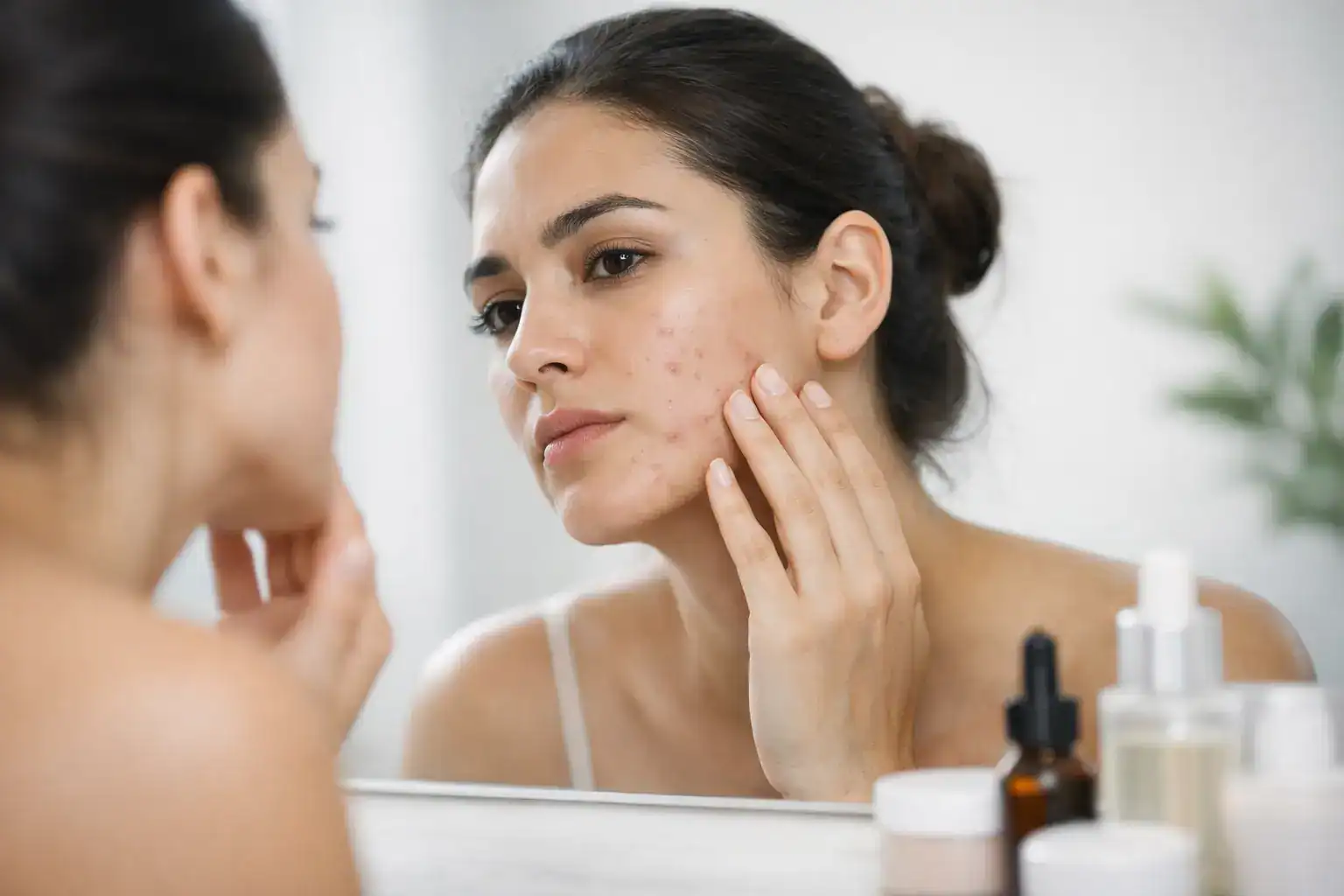
Finding the right anti aging skincare for dry skin requires understanding which products deliver lasting hydration, support skin elasticity, and reduce the appearance of fine lines and wrinkles. Dry skin often makes visible signs of aging more noticeable because insufficient moisture can emphasize fine lines, rough texture, and dullness.
Fortunately, effective anti-aging skincare does not always require expensive products or professional treatments. We can achieve healthier, smoother, and more radiant-looking skin by choosing scientifically supported ingredients and maintaining a consistent skincare routine.
In this guide, we explore anti aging skincare for dry skin cost and options, including affordable products, premium treatments, essential ingredients, and practical recommendations for different budgets.
Understanding Anti Aging Skincare for Dry Skin
Dry skin produces or retains insufficient moisture and may experience tightness, flaking, irritation, and increased visibility of fine lines. As skin ages, changes in natural oil production, barrier function, and collagen contribute to dryness and wrinkles.
We recommend selecting anti-aging products that combine deep hydration, skin barrier protection, and proven wrinkle-reducing ingredients.
An effective skincare routine should address three essential concerns: preventing moisture loss, protecting against environmental damage, and improving the appearance of existing signs of aging.
Ingredients such as hyaluronic acid, ceramides, glycerin, peptides, and retinoids can help support these goals when incorporated appropriately.
Best Anti Aging Skincare for Dry Skin: Cost and Product Options
The cost of anti-aging skincare varies depending on product formulation, brand positioning, ingredient concentration, and treatment type.
We can generally categorize skincare options into affordable, mid-range, and premium products.
1. Affordable Anti Aging Skincare for Dry Skin
Typical price range: $10–$30 per product
Affordable skincare products can provide excellent hydration and support the skin barrier without requiring a substantial investment.
We recommend looking for products containing:
- Hyaluronic acid: Attracts and holds water, temporarily plumping dehydrated skin.
- Ceramides: Help strengthen the skin barrier and reduce moisture loss.
- Glycerin: Supports hydration and improves skin softness.
- Niacinamide: Helps maintain barrier function and improve uneven skin tone.
- Petrolatum: Provides an effective protective layer to prevent water loss.
A gentle cleanser, rich moisturizer, and broad-spectrum sunscreen can form the foundation of an affordable skincare routine.
2. Mid-Range Anti Aging Skincare Products
Typical price range: $30–$80 per product
Mid-range skincare often offers specialized formulations combining hydrating ingredients with targeted anti-aging ingredients.
These products may include peptide moisturizers, retinol creams, antioxidant serums, and nourishing overnight treatments.
We recommend choosing products based on ingredient quality, tolerability, and evidence of effectiveness rather than price alone.
For dry skin, fragrance-free formulations with additional moisturizing ingredients are particularly beneficial.
3. Premium Anti Aging Skincare for Dry Skin
Typical price range: $80–$250+ per product
Premium skincare products may feature sophisticated textures, specialized delivery systems, and combinations of active ingredients.
Common options include advanced peptide creams, antioxidant serums, intensive night moisturizers, and luxurious hydrating treatments.
However, higher prices do not automatically guarantee better results.
We recommend prioritizing proven active ingredients and consistent use instead of relying exclusively on premium branding.
Anti Aging Skincare for Dry Skin Cost Comparison
Understanding typical skincare expenses helps us establish a practical budget while maintaining an effective routine.
| Skincare product | Estimated cost (USD) | Primary benefit |
|---|---|---|
| Gentle hydrating cleanser | $8–$30 | Removes impurities without excessive dryness |
| Hyaluronic acid serum | $10–$60 | Improves skin hydration |
| Ceramide moisturizer | $12–$65 | Supports the moisture barrier |
| Retinol treatment | $15–$90 | Reduces the appearance of fine lines |
| Vitamin C serum | $15–$100 | Helps improve uneven tone and photodamage |
| Broad-spectrum SPF 30+ sunscreen | $10–$50 | Protects against UV-related skin aging |
| Nourishing night cream | $15–$120 | Reduces overnight moisture loss |
These are illustrative retail price ranges in US dollars, not verified current quotations. Actual costs vary by brand, product size, retailer, and location.
For beginners, we recommend investing first in a quality moisturizer and sunscreen before introducing additional anti-aging treatments.
Essential Ingredients in the Best Anti Aging Skincare for Dry Skin
Choosing products with appropriate active ingredients is more important than purchasing numerous skincare products.
Hyaluronic Acid for Hydration
Hyaluronic acid is a humectant that attracts water and helps improve the appearance of dehydrated skin.
We recommend applying a hyaluronic acid serum to slightly damp skin and following with a moisturizer to reduce water loss.
Retinol for Fine Lines and Wrinkles
Retinol is a vitamin A derivative commonly used to address visible signs of skin aging.
With consistent use, it can improve the appearance of fine lines, uneven texture, and some pigmentation concerns.
However, retinol may initially cause dryness and irritation. We suggest beginning with a low-strength formula two nights per week and increasing frequency gradually as tolerated.
Retinoids should be avoided during pregnancy, and those planning pregnancy should consult a healthcare professional before use.
Ceramides for Skin Barrier Repair
Ceramides are naturally occurring lipids that help maintain the skin’s protective barrier.
We recommend ceramide-rich moisturizers for dry, mature skin because they help reduce moisture loss and improve comfort.
Vitamin C for Brighter Skin
Vitamin C is an antioxidant that can help improve the appearance of uneven skin tone and signs of sun damage.
We suggest selecting a formulation suitable for dry or sensitive skin and pairing it with daily sunscreen.
Affordable vs. Luxury Anti Aging Skincare: Which Is Better?
Both affordable and luxury skincare products can improve the appearance of aging skin when formulated with effective ingredients.
Affordable products often provide reliable moisturizing ingredients such as glycerin, ceramides, and petrolatum.
Luxury formulations may offer more elegant textures, distinctive packaging, or specialized ingredient combinations.
Nevertheless, the best anti aging skincare for dry skin is the routine that delivers hydration, minimizes irritation, and supports consistent use.
We recommend evaluating products based on performance, ingredient suitability, and overall value rather than assuming expensive products are automatically superior.
Professional Anti Aging Treatments for Dry Skin and Their Costs
For individuals seeking more noticeable improvements, professional dermatological treatments may complement an at-home skincare routine.
Common options include:
- Hydrating facial treatments: Approximately $75–$250 per session.
- Superficial chemical peels: Approximately $100–$300 per session.
- Microneedling: Approximately $200–$700 per session.
- Laser skin rejuvenation: Approximately $500–$2,500+ per session, depending on the technology and treatment area.
- Hyaluronic acid dermal fillers: Approximately $600–$1,200+ per syringe.
These estimates are broad planning ranges, and treatment costs vary substantially by location, practitioner, and procedure.
Professional treatments also carry risks, including irritation, pigmentation changes, infection, or other complications.
We recommend consulting a qualified dermatologist before undergoing cosmetic procedures, especially when the skin barrier is compromised or the skin is particularly sensitive.
How to Build an Effective Anti Aging Skincare Routine for Dry Skin
An effective anti-aging routine should balance hydration, skin protection, and targeted treatment.
Morning Skincare Routine
We recommend beginning with a gentle skincare routine that protects against dryness and environmental damage.
- Gentle cleanser: Cleanse without stripping natural oils.
- Hydrating serum: Apply hyaluronic acid or glycerin-based products.
- Moisturizer: Choose a cream containing ceramides or nourishing emollients.
- Sunscreen: Apply broad-spectrum SPF 30 or higher to exposed skin.
Daily sunscreen is particularly important because ultraviolet radiation contributes to premature skin aging, wrinkles, and pigmentation.
Evening Skincare Routine
Our recommended evening routine focuses on moisture replenishment and gradual skin renewal.
- Cleanse with a gentle, non-drying cleanser.
- Apply a hydrating serum if needed.
- Introduce a low-strength retinol treatment on selected nights, if tolerated.
- Finish with a rich moisturizer to help protect the skin barrier.
For exceptionally dry areas, a thin layer of petrolatum over moisturizer may help reduce overnight moisture loss.
How to Choose Anti Aging Skincare for Dry Skin on a Budget
Building an effective routine does not require purchasing every product marketed for mature skin.
We recommend prioritizing essential products and introducing additional treatments gradually.
A practical purchasing strategy includes choosing a fragrance-free moisturizer, broad-spectrum sunscreen, and gentle cleanser before investing in specialized serums.
When comparing skincare products, we should consider ingredient concentration, packaging size, skin compatibility, and cost per application.
We also suggest patch-testing new products and avoiding the simultaneous introduction of several active ingredients.
This approach helps identify potential irritants while reducing unnecessary spending.
Common Mistakes to Avoid When Buying Anti Aging Skincare for Dry Skin
Even expensive skincare products may fail to deliver satisfactory results when used incorrectly.
Common mistakes include using harsh cleansers, exfoliating too frequently, applying strong retinoids without gradually building tolerance, and skipping daily sunscreen.
We should also avoid combining multiple potentially irritating treatments without appropriate guidance.
For dry skin, excessive exfoliation can weaken the protective barrier and worsen visible flaking.
A simple, consistent routine is often more beneficial than an elaborate regimen filled with competing active ingredients.
How Long Does Anti Aging Skincare Take to Show Results?
The time required to notice improvements depends on the ingredients used and the condition being treated.
Hydrating products may improve skin softness and temporarily reduce the appearance of dehydration lines within days.
Barrier-supporting moisturizers may produce more noticeable comfort and texture improvements over several weeks.
Retinol and other targeted anti-aging treatments generally require several months of consistent use before meaningful improvements in fine lines and uneven texture become apparent.
We recommend assessing products based on gradual improvements rather than expecting immediate elimination of wrinkles.
Final Tips for Maintaining Youthful-Looking Dry Skin
Achieving smoother, healthier-looking skin requires more than choosing expensive skincare products.
We recommend maintaining a consistent skincare routine, protecting the skin against excessive sun exposure, using gentle cleansers, and avoiding products that cause persistent irritation.
Staying adequately hydrated, getting sufficient sleep, and maintaining a balanced diet can also support overall skin health.
For individuals experiencing persistent dryness, cracking, inflammation, or worsening irritation, professional dermatological guidance may be necessary.
FAQs about Anti Aging Skincare for Dry Skin
1. What is the best anti aging skincare for dry skin?
The best anti aging skincare for dry skin includes products containing hyaluronic acid, ceramides, peptides, and retinol. These ingredients help improve hydration, reduce the appearance of fine lines, and support healthier-looking skin.
2. How can I reduce wrinkles on dry skin naturally?
We recommend maintaining proper hydration, using a rich moisturizer, applying sunscreen daily, and following a balanced diet. These habits help protect the skin and minimize the appearance of premature aging.
3. Is retinol good for dry skin?
Yes, retinol can benefit dry skin by improving skin texture and reducing fine lines. However, we recommend starting with a low concentration, applying moisturizer, and introducing it gradually to prevent irritation. Retinoids should be avoided during pregnancy.
4. Which ingredients should I look for in anti aging products for dry skin?
We recommend hyaluronic acid, glycerin, ceramides, niacinamide, peptides, and squalane. These ingredients help retain moisture, strengthen the skin barrier, and improve overall skin appearance.
5. How often should I moisturize aging dry skin?
We recommend moisturizing at least twice daily, preferably after cleansing. A nourishing moisturizer helps maintain hydration, improve skin softness, and reduce the visibility of dehydration lines.
6. Can anti aging skincare reverse wrinkles?
Anti aging skincare can reduce the appearance of fine lines and wrinkles, but it cannot completely reverse aging. Consistent use of sunscreen, moisturizers, and suitable active ingredients can improve skin texture over time.
7. How long does anti aging skincare take to show results?
Hydrating products may improve skin appearance immediately, while retinol and other anti aging ingredients typically require several weeks to months of consistent use for noticeable improvements.
8. Is sunscreen necessary for dry, aging skin?
Yes. We recommend broad-spectrum SPF 30 or higher daily to protect against UV damage, premature wrinkles, and uneven skin tone.
Conclusion
We recommend beginning with essential products such as hyaluronic acid serums, ceramide moisturizers, gentle cleansers, and broad-spectrum sunscreen, then gradually incorporating targeted treatments when appropriate.
Whether selecting affordable skincare products or premium formulations, consistent application and skin barrier protection remain essential.
By investing in proven ingredients and following a carefully structured skincare routine, we can improve hydration, soften the appearance of fine lines, and maintain healthier, more radiant-looking skin without unnecessary spending.

