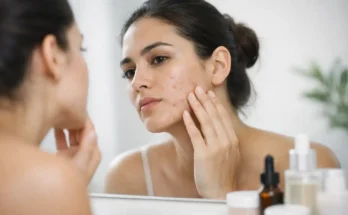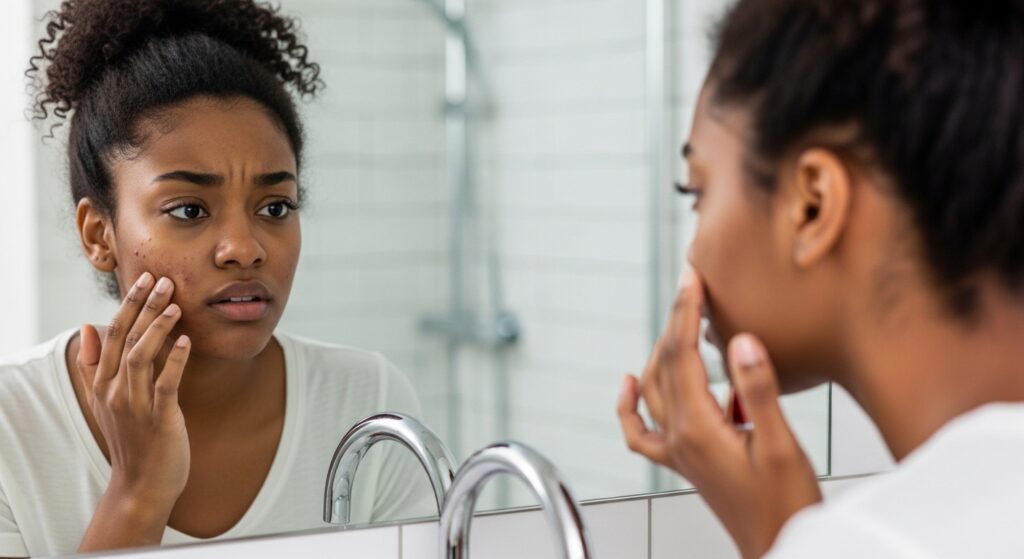
Acne scars can remain long after active breakouts have cleared, leaving changes in skin texture, depth, pigmentation, and overall smoothness. For people with depressed or uneven scars, professional laser procedures are among the treatment options dermatologists may use to make scars less noticeable. However, the best dermatologist recommended acne scar laser treatment is not the same for every patient.
When we consider laser treatment for acne scars, we must look beyond the name of the laser. Scar type, scar depth, skin tone, active acne, pigmentation, expected downtime, previous treatments, and the risk of side effects all influence treatment selection. Dermatologists frequently create an individualized treatment plan because ice-pick, rolling, boxcar, hypertrophic, and mixed acne scars can respond differently to the same procedure. The American Academy of Dermatology also notes that acne should generally be controlled before scar treatment begins so that continuing breakouts do not create additional scars.
How Dermatologist Recommended Acne Scar Laser Treatment Works
Laser resurfacing uses controlled energy to treat targeted areas of scarred skin. Depending on the technology, the laser may remove microscopic columns of damaged surface tissue, deliver heat beneath the skin, or combine resurfacing with deeper stimulation.
As the treated skin heals, collagen and elastin production can help improve the appearance of depressed acne scars and uneven texture. Dermatologists may also use laser energy to contour the tissue surrounding certain scars, making differences in skin level less noticeable.
Laser treatment should therefore be viewed as scar improvement rather than complete scar removal. Even successful procedures may leave some visible scarring, particularly when scars are deep or multiple scar types occur together.
Which Acne Scars Can Be Treated With Laser Therapy?
Laser resurfacing is commonly considered for atrophic acne scars, which are scars that sit below the surrounding skin. These include rolling scars, boxcar scars, and some shallower ice-pick scars.
Rolling scars tend to create broad, wave-like depressions. Boxcar scars usually have more defined edges and may range from relatively shallow to deep. Ice-pick scars are narrow but can extend deeply into the skin. Because deep scars behave differently from superficial texture changes, laser treatment alone may not always provide the desired correction.
The American Academy of Dermatology specifically emphasizes that identifying the acne scar type is an important part of treatment planning and that ice-pick scars may require a different approach from rolling scars.
For deeper or tethered scars, dermatologists may combine laser resurfacing with procedures such as subcision, fillers, microneedling, radiofrequency treatments, or minor scar surgery. Combination treatment is particularly relevant when several different scar patterns are present on the same face.
Types of Laser Treatment Dermatologists May Recommend
There is no universally superior acne scar laser for every patient. The major choices include fractional ablative lasers and fractional non-ablative lasers, with the treatment intensity adjusted according to the skin and scars being treated.
Fractional CO2 Laser for Acne Scars
Fractional carbon dioxide, or fractional CO2 laser, is one of the better-known resurfacing treatments for atrophic acne scars. Instead of treating the entire skin surface uniformly, fractional technology creates microscopic treatment zones while leaving surrounding areas available to support healing.
The procedure can stimulate substantial skin remodeling, making it particularly relevant for patients with more noticeable textural acne scars.
Recent comparative evidence suggests that fractional CO2 treatment may produce a stronger clinical-response signal than some erbium-based fractional lasers, although it can also involve greater pain and longer recovery in certain comparisons. Treatment outcomes vary according to laser settings, scar severity, skin type, study design, and treatment protocol.
Erbium Laser Treatment for Acne Scars
Erbium-based fractional lasers are another option for acne scar resurfacing. They may be selected when the dermatologist wants to balance scar improvement with tolerability and recovery considerations.
CO2 and erbium lasers should not simply be viewed as stronger versus weaker versions of the same treatment. Their tissue interactions, settings, depth, downtime, and suitability for a particular patient’s skin may differ.
A dermatologist should therefore determine whether an erbium-based treatment, fractional CO2 laser, another energy-based procedure, or a combination approach better matches the patient’s scars.
Non-Ablative Fractional Laser Treatment
A non-ablative fractional laser delivers controlled energy beneath the surface while generally causing less surface disruption than ablative resurfacing. The trade-off may be that several treatment sessions are required before the desired degree of improvement becomes visible.
The American Academy of Dermatology notes that multiple laser sessions can be necessary, particularly with non-ablative treatments.
Non-ablative approaches can be particularly relevant when reducing downtime or managing pigmentation risk is an important consideration.
What Dermatologists Consider Before Recommending Acne Scar Laser Treatment
A proper consultation should come before laser resurfacing. Important factors generally include:
- Scar type and depth: Rolling, boxcar, ice-pick, raised, and mixed scars may require different treatments.
- Skin tone: Pigmentation risk influences the device, settings, and treatment intensity selected.
- Active acne: Continuing breakouts may need to be controlled before scar-focused procedures begin.
- Existing pigmentation: Post-acne dark marks may require a different strategy from true textural scars.
- Previous acne treatments: Certain medications and procedures can affect treatment timing and healing.
- Downtime: More intensive resurfacing can involve longer redness, swelling, crusting, or recovery.
- Treatment expectations: Laser therapy can reduce scar visibility but cannot guarantee perfectly smooth or scar-free skin.
- Combination therapy: Deep or mixed scars may respond better when laser treatment is combined with another scar procedure.
These factors are among the reasons an individualized plan is more useful than choosing a laser based simply on advertisements, price, or before-and-after photographs.
Dermatologist Recommended Acne Scar Laser Treatment for Dark Skin
Laser acne scar treatment requires additional consideration in darker skin tones because inflammation can trigger post-inflammatory hyperpigmentation, producing darker areas after treatment.
This does not automatically mean people with darker skin cannot receive laser treatment. Published reviews indicate that laser therapy can be used for skin of colour when the laser type, settings, treatment density, and overall protocol are appropriately selected. However, the possibility of pigmentation changes should be discussed before treatment.
For some patients, dermatologists may favor less aggressive treatment parameters, non-ablative fractional devices, staged treatment, or alternatives such as microneedling and radiofrequency microneedling. The American Academy of Dermatology states that microneedling and radiofrequency microneedling can be used across skin tones.
Anyone with richly pigmented skin should seek a dermatologist or qualified medical professional who has substantial experience treating acne scars in similar skin tones.
How Many Laser Sessions Are Needed for Acne Scars?
There is no fixed number of sessions that guarantees results.
Some people may see noticeable improvement after a limited number of procedures, while others require a series of treatments. The number of sessions depends on the type of laser, scar severity, treatment intensity, healing response, skin type, and whether other procedures are incorporated into the treatment plan.
It is also important to allow time for collagen remodeling. The skin can continue changing after the visible redness or swelling has resolved, so final improvement should not always be judged immediately after a session.
Dermatologists may recommend multiple treatments rather than one highly aggressive procedure, particularly when minimizing complications is important. The AAD notes that acne scar treatment is often not a one-session process.
Possible Side Effects of Acne Scar Laser Treatment
Professional laser resurfacing can produce temporary side effects while the skin heals. Depending on the treatment, these may include redness, swelling, tenderness, peeling, crusting, temporary darkening, or changes in pigmentation.
Less common complications can include infection, burns, prolonged pigment changes, or additional scarring. Acne scar laser research also identifies post-inflammatory hyperpigmentation as an important consideration, especially in darker skin types.
The risk profile depends significantly on the patient’s skin, laser system, treatment parameters, medical history, pre-treatment preparation, and aftercare.
This is why laser resurfacing should be performed by an appropriately qualified professional with experience assessing and treating acne scars rather than being approached as a routine cosmetic procedure.
Preparing for Acne Scar Laser Treatment
Preparation begins with an accurate skin assessment. Patients should discuss their medications, supplements, previous acne therapies, history of cold sores, tendency to develop dark marks or keloids, previous cosmetic procedures, and current skincare routine with the treating clinician.
Sun exposure is particularly important. A tan or sunburn can increase the risk of unwanted reactions during laser treatment. The American Academy of Dermatology recommends careful sun protection before and after scar laser procedures and emphasizes the importance of following individualized preparation instructions.
Active breakouts should also be discussed. Treating scars while uncontrolled inflammatory acne continues may address old damage without preventing new scars.
Aftercare Following Laser Treatment for Acne Scars
Proper aftercare supports healing and may reduce complications.
Treated skin can temporarily become more sensitive, so patients should follow the exact cleansing, moisturizing, medication, and skincare instructions provided by their dermatologist. Makeup or irritating active ingredients may need to be avoided temporarily depending on the procedure.
Daily sun protection is especially important. The AAD recommends broad-spectrum, water-resistant sunscreen with an SPF of at least 30 following acne scar treatment and advises patients to limit excessive sun exposure while treated skin heals.
Picking, scratching, or aggressively exfoliating healing skin should be avoided. Patients should also contact their clinician if they develop unexpected blistering, worsening pain, signs of infection, significant swelling, or persistent pigment changes.
Laser Treatment vs Microneedling for Acne Scars
Both laser resurfacing and microneedling stimulate processes involved in skin remodeling, but they do so differently.
Laser treatment may provide more intensive resurfacing for certain atrophic scars. Microneedling mechanically creates controlled microscopic injuries and encourages collagen production without using laser energy.
For people who have pigmentation concerns or darker skin tones, microneedling may sometimes form part of a dermatologist’s treatment strategy because it is considered suitable across skin tones.
Neither procedure should automatically be considered superior in every case. A patient with shallow rolling scars may need a different approach from someone with deep ice-pick scars, extensive boxcar scars, or scars tethered to deeper tissue.
Why Combination Treatment May Produce Better Acne Scar Improvement
One of the most important principles in modern acne scar management is recognizing that many patients have more than one scar type.
A laser may improve general texture while another procedure treats the structural cause of a deeper scar. For example, a dermatologist may use a surgical technique to release or lift a deep depressed scar and subsequently use laser resurfacing to improve surrounding texture.
The AAD describes combination treatment as common in acne scar management, while systematic-review evidence also supports tailoring fractional laser treatment according to scar type and combining it with additional procedures when appropriate.
This individualized approach can be more logical than repeatedly treating every scar with the same device.
How to Choose the Best Dermatologist Recommended Acne Scar Laser Treatment
The best treatment begins with determining whether the visible marks are actually scars. Post-inflammatory hyperpigmentation, persistent redness, enlarged pores, active acne, and true depressed scars can look similar to an untrained eye but require different management.
We should then consider scar depth and pattern, skin tone, history of pigmentation, downtime tolerance, previous procedures, active acne status, and realistic treatment goals.
A reputable consultation should explain the proposed laser technology, why it is appropriate for the patient’s scar type, likely number of sessions, expected healing period, possible complications, alternatives, and whether combination treatment may provide a better result.
Promises of completely eliminating acne scars should be viewed cautiously. Established clinical guidance describes treatment primarily as a way of making scars less noticeable and improving texture, not guaranteeing flawless skin.
When to See a Dermatologist for Acne Scar Treatment
Professional evaluation is particularly useful when acne scars are deep, widespread, worsening, associated with continuing breakouts, causing significant pigmentation changes, or have not improved with basic skincare.
A dermatologist can distinguish between discoloration and permanent textural scarring and determine whether fractional CO2 laser, an erbium-based laser, non-ablative fractional resurfacing, microneedling, radiofrequency, fillers, scar surgery, or combination treatment is more appropriate.
Patients who develop keloids easily, have darker skin that frequently develops pigmentation after inflammation, take medications affecting healing, or have undergone previous scar procedures should make these factors clear during consultation.
FAQs about Dermatologist Recommended Acne Scar Laser Treatment
What laser treatment do dermatologists recommend for acne scars?
Dermatologists may recommend fractional CO2 laser, erbium laser, pulsed dye laser, or non-ablative fractional laser treatment, depending on the type, depth, and severity of acne scars.
Is laser treatment effective for acne scars?
Yes. Acne scar laser treatment can improve skin texture, stimulate collagen production, and reduce the appearance of certain scars. Results vary depending on scar type and individual skin response.
How many laser sessions are needed for acne scars?
Some people notice improvement after one treatment, while others may require multiple sessions. A dermatologist can recommend a treatment schedule after assessing the skin.
Does acne scar laser treatment hurt?
Most treatments may cause mild discomfort, warmth, or a stinging sensation. Dermatologists often use topical numbing cream to improve comfort during the procedure.
Which acne scars respond best to laser treatment?
Laser therapy may be helpful for rolling scars, boxcar scars, uneven texture, and post-acne redness. Deep ice-pick scars may require additional treatments such as TCA CROSS or other procedures.
Is laser acne scar treatment safe for dark skin?
Certain lasers can be used on darker skin tones, but careful treatment selection is important because of the risk of post-inflammatory hyperpigmentation. Treatment should be performed by an experienced dermatologist.
How long does recovery take?
Recovery depends on the laser used. Mild treatments may require only a few days, while stronger resurfacing procedures may involve longer redness, peeling, or sensitivity.
Should active acne be treated before laser therapy?
In many cases, dermatologists recommend controlling active acne first to reduce the risk of developing new scars during the treatment process.
Conclusion
The most appropriate dermatologist recommended acne scar laser treatment is the one selected according to the patient’s actual scar pattern, skin characteristics, pigmentation risk, medical history, and treatment goals.
Fractional CO2 laser can provide meaningful improvement for many atrophic acne scars, while erbium-based and non-ablative fractional lasers may offer useful alternatives depending on recovery requirements and skin characteristics. Deep rolling, boxcar, or ice-pick scars may require additional techniques because laser resurfacing alone cannot correct every structural problem.
We achieve the safest and most realistic treatment strategy when active acne is first controlled, scars are accurately classified, suitable laser parameters are selected, pigmentation risk is considered, and aftercare is followed carefully. Rather than searching for one universally “best” laser, the goal should be a personalized acne scar treatment plan that improves texture while minimizing unnecessary risk.