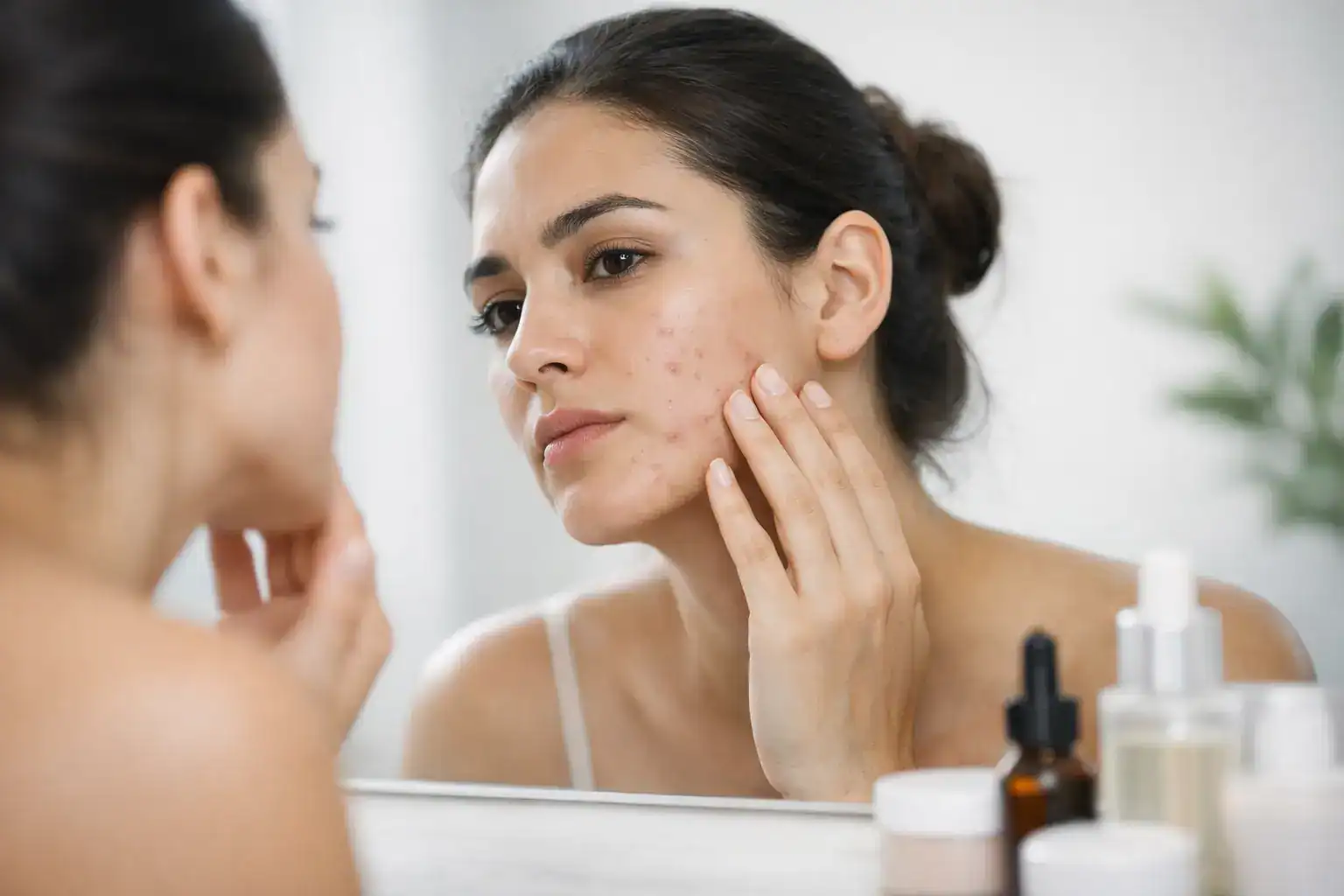
The best post inflammatory hyperpigmentation treatment combines daily sun protection, control of the original skin condition, and targeted products that gradually fade dark marks. For acne-related pigmentation, azelaic acid and topical retinoids can be particularly useful because they address breakouts as well as the discoloration left behind. Persistent patches may benefit from dermatologist-supervised treatment.
We recommend choosing a treatment according to the cause of the marks, skin sensitivity, and the depth of pigmentation. A consistent routine that the skin tolerates is more useful than repeatedly switching products or applying stronger formulas that cause irritation.
Understanding Post Inflammatory Hyperpigmentation
Post inflammatory hyperpigmentation, commonly called PIH, is darkening that develops after skin inflammation or injury. It can appear after acne, eczema, burns, insect bites, or irritation. The affected area produces or retains excess melanin, leaving a darker patch where the skin has healed.
PIH can affect any skin tone, but it is often more noticeable and longer-lasting in darker skin. Marks may range from light brown to dark brown, while deeper pigmentation can have a greyish appearance. Identifying the original trigger helps guide treatment and prevent further discoloration.
Common Triggers to Address Before Treating Dark Marks
Before selecting a fading cream, we recommend checking for ongoing sources of inflammation:
- Active acne: Repeated breakouts can create new marks while older ones fade.
- Eczema or dermatitis: Uncontrolled irritation can prolong discoloration.
- Picking and scratching: Repeated injury interferes with recovery.
- Irritating skincare: Products that sting or inflame the skin may contribute to dark spots.
Controlling these triggers is a central part of treatment. Otherwise, the skin may continue developing pigmentation despite a carefully chosen brightening routine.
Best Treatment Options for Post Inflammatory Hyperpigmentation
Treatment should balance effectiveness with tolerability. We recommend starting with sun protection and one appropriate active ingredient, then adjusting the routine according to the skin’s response.
1. Daily Sunscreen for Preventing Darkening
Broad-spectrum sunscreen is a foundation of hyperpigmentation care. Sun exposure can darken existing marks, making improvement harder to maintain.
Choose SPF 30 or higher, preferably in a water-resistant formula. For darker skin tones, a tinted sunscreen containing iron oxides also helps protect against visible light, which can worsen pigmentation. An acne-prone complexion may benefit from a non-comedogenic formula.
Apply sunscreen to exposed skin and follow its reapplication instructions, particularly during outdoor activity. A comfortable texture and a shade that blends well make daily use easier to sustain.
2. Azelaic Acid for Acne and Dark Marks
Azelaic acid is a useful option when PIH develops alongside acne. It has anti-inflammatory properties, helps address blocked pores, and targets hyperpigmentation.
We recommend considering it when the aim is to manage the source of new marks while improving existing discoloration. It may be better tolerated than some stronger acne treatments, although sensitive skin can still react.
Introduce it according to the product instructions or a clinician’s advice. Increasing applications simply to accelerate fading may create irritation and make the routine harder to maintain.
3. Topical Retinoids for Acne-Related Pigmentation
Topical retinoids, including adapalene and tretinoin, can treat acne and help lighten the dark spots that remain after breakouts. They may also be used as maintenance treatment once acne improves.
Their practical advantage is addressing both ongoing acne and its pigmentary consequences. The appropriate product depends on acne severity, skin tolerance, and whether prescription treatment is needed. We recommend following a clear treatment plan rather than combining several retinoid products.
Retinoids can cause irritation, and this can trigger additional dark marks in skin of colour. Starting slowly and using moisturiser can help reduce that risk. Persistent burning or significant inflammation should prompt a review of the routine, rather than more frequent application. aad.org
4. Hydroquinone for Persistent Hyperpigmentation
Hydroquinone is an established topical treatment for hyperpigmentation and can be particularly effective for PIH when the underlying inflammatory condition is controlled.
We recommend dermatologist guidance when considering it for stubborn marks. The treatment plan should specify the product strength, application area, duration, and review point. This makes it easier to assess improvement and decide whether the approach remains appropriate.
Hydroquinone should be selected as a targeted treatment for discoloration, with realistic expectations about gradual improvement. Its effectiveness does not remove the need to control acne, eczema, or other sources of inflammation.
5. Vitamin C and Other Fading Ingredients
Vitamin C, kojic acid, and glycolic acid are among the ingredients used to help fade dark spots. They offer additional options when selecting a product that suits the skin’s needs.
We recommend introducing one product at a time. This makes it easier to identify whether the formula helps or causes irritation. Ingredient names alone do not determine how well a finished product will suit an individual complexion.
Choose reputable products with clear ingredient information. Unverified lightening products can contain harmful substances, including undeclared steroids or mercury.
Chemical Peels and Laser Treatment for PIH
Professional procedures may be considered when pigmentation remains troublesome despite topical care. However, chemical peels, lasers, and intense pulsed light can also injure the skin and cause further pigmentation.
We recommend a dermatologist assessment before choosing a procedure, especially for darker skin tones. The clinician should evaluate the likely diagnosis, skin response, and whether the expected benefit justifies the risk of additional inflammation. A more intensive treatment is not automatically a better treatment for dark marks.
Questions to Ask Before a Pigmentation Procedure
A consultation should provide clear answers to the following:
- Is the discoloration definitely post inflammatory hyperpigmentation?
- Is topical treatment still a reasonable option?
- What experience does the practitioner have with similar skin tones?
- Could the procedure worsen pigmentation?
- What preparation, aftercare, and follow-up will be required?
These questions help establish a reviewable treatment plan and realistic expectations before committing to a course of procedures.
A Simple Skincare Routine for Post Inflammatory Hyperpigmentation
We recommend keeping the routine manageable. A short routine is easier to follow consistently and makes reactions easier to trace.
Morning Routine
- Cleanse gently with a product that suits the skin.
- Apply the chosen treatment if its instructions recommend morning use.
- Use moisturiser according to the skin’s needs.
- Apply sunscreen as the final skincare step before makeup.
Choose products based on comfort and compatibility. A routine should remain practical enough to repeat every day.
Evening Routine
- Remove makeup and cleanse.
- Apply the prescribed or selected treatment as directed.
- Use moisturiser to support comfort.
- Record any persistent irritation before adding another product.
We recommend keeping a simple record of product names and application frequency. If the routine needs adjusting, that information helps identify what changed and when.
How Long Does Post Inflammatory Hyperpigmentation Take to Fade?
Dark marks usually improve gradually. Once the trigger stops, a spot a few shades darker than the surrounding skin may fade within six to twelve months. Pigment deeper in the skin can take years, although treatment may accelerate improvement.
We recommend comparing photographs taken under similar lighting rather than judging progress from daily mirror checks. Small changes are easier to notice over longer intervals. The aim is steady fading alongside fewer new marks, rather than a sudden change in overall skin colour.
Choosing Treatment During Pregnancy
Pregnancy changes which skincare treatments are appropriate. Topical retinoids should be avoided during pregnancy and when pregnancy is being planned. Azelaic acid is among the topical options generally considered suitable, but the complete routine should still be reviewed with a qualified clinician.
We recommend sharing every treatment being used, including non-prescription creams and serums. This allows the clinician to assess the actual combination rather than a single ingredient in isolation.
When to Seek a Dermatologist Assessment
Professional assessment is useful when the diagnosis is uncertain, inflammation continues, or a tolerable routine produces little improvement. It can also help distinguish pigmentation from other conditions that require a different approach.
Information to Bring to the Consultation
We recommend preparing:
- Photographs showing how the marks developed.
- A list of current skincare products.
- Details of previous treatments and reactions.
- Information about ongoing acne, itching, or irritation.
- Any pregnancy or pregnancy-planning considerations.
This gives the clinician a clearer starting point and helps avoid repeating products that have already caused problems.
FAQs about Best Post Inflammatory Hyperpigmentation Treatment
1. What is the best treatment for post-inflammatory hyperpigmentation?
The best post-inflammatory hyperpigmentation treatment includes topical ingredients such as azelaic acid, retinoids, niacinamide, vitamin C, and hydroquinone. The most effective option depends on your skin type, pigmentation severity, and underlying cause.
2. How long does post-inflammatory hyperpigmentation take to fade?
Mild post-inflammatory hyperpigmentation (PIH) may fade within 3–6 months, while deeper pigmentation can take 6–12 months or longer. Consistent treatment and sun protection can help improve results.
3. Can post-inflammatory hyperpigmentation disappear permanently?
Yes, PIH can fade completely. However, new dark spots may develop if acne, eczema, irritation, or other inflammatory skin conditions continue.
4. What ingredients work best for post-inflammatory hyperpigmentation?
Effective ingredients include azelaic acid, retinoids, kojic acid, vitamin C, niacinamide, and glycolic acid. These ingredients help reduce excess pigmentation and improve uneven skin tone.
5. Is post-inflammatory hyperpigmentation treatment safe for dark skin?
Yes. Treatments such as azelaic acid and niacinamide are often suitable for darker skin tones. However, aggressive chemical peels and inappropriate laser treatments may worsen pigmentation.
6. Does sunscreen help treat post-inflammatory hyperpigmentation?
Absolutely. Daily use of broad-spectrum SPF 30 or higher sunscreen helps prevent dark spots from becoming darker. Tinted sunscreens containing iron oxides may provide additional protection against visible light.
7. Can chemical peels remove post-inflammatory hyperpigmentation?
Chemical peels can improve PIH by promoting skin exfoliation. However, they should be selected and performed carefully, particularly for darker skin tones.
8. When should I see a dermatologist for hyperpigmentation?
Consult a dermatologist if pigmentation persists despite consistent skincare, worsens, or causes significant concern. Professional evaluation helps identify the most effective and safest treatment for your skin.
Conclusion
The best post inflammatory hyperpigmentation treatment is a personalised plan built around sun protection, control of inflammation, and carefully selected topical care. Azelaic acid and retinoids are useful options for acne-related marks, while persistent pigmentation may require supervised treatment.
We recommend prioritising consistency, skin comfort, and measurable progress. A routine that prevents new marks while gradually fading existing discoloration offers the most practical path towards a more even complexion.