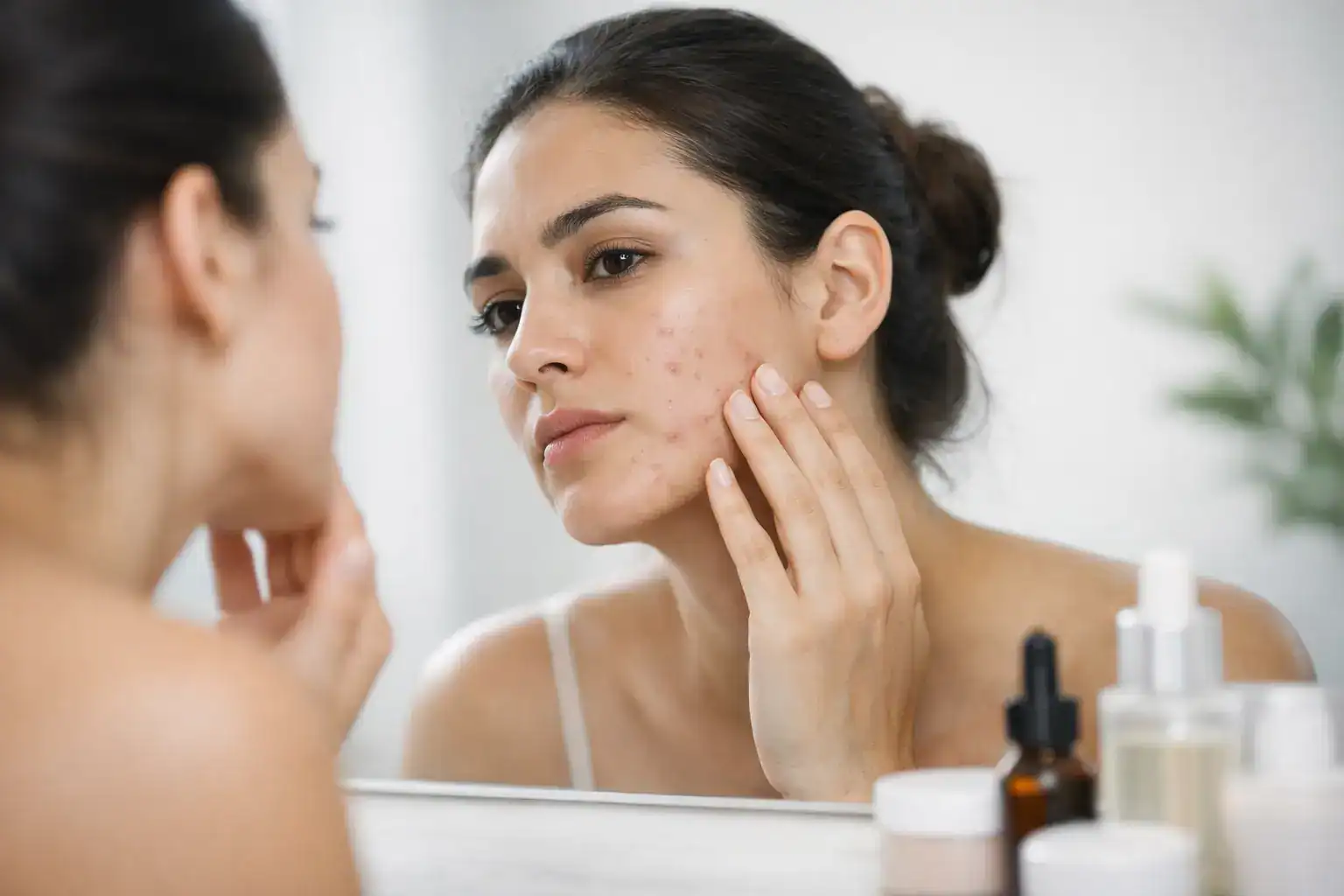
Finding affordable post inflammatory hyperpigmentation treatment near me starts with choosing care that fits both your skin and your budget. A low-priced cream offers little value if it causes irritation, while an expensive procedure may be unnecessary when a simpler treatment plan is suitable.
We recommend comparing local providers by their qualifications, treatment approach, and complete costs. The goal is to address existing dark marks, manage the condition causing them, and build a routine you can maintain without unnecessary spending.
Understanding Post Inflammatory Hyperpigmentation
Post inflammatory hyperpigmentation (PIH) describes dark marks that develop after skin inflammation or injury. Acne, eczema, burns, friction, and irritating skincare products can leave pigmentation after the original problem settles. These marks can affect any skin tone, although they are often more noticeable and persistent in darker skin.
PIH usually appears where the inflammation occurred. Flat discoloration differs from an indented or raised scar, so a treatment advertised for “acne scars” may not address your particular concern. A professional assessment helps distinguish pigmentation from other conditions before you spend money on treatment.
How to Find Affordable Hyperpigmentation Treatment Nearby
We suggest creating a shortlist of local dermatology services before purchasing a treatment package. Search using your town, city, or neighbourhood alongside terms such as “dermatologist for dark spots” or “post inflammatory hyperpigmentation consultation.”
Consider hospital dermatology departments, established private clinics, and qualified clinicians offering suitable remote consultations. Availability and fees differ, so request current information directly rather than relying on old advertisements.
What to Check Before Booking a Consultation
Compare providers using the following criteria:
- Professional credentials: Confirm the clinician’s registration and relevant dermatology qualifications.
- Experience with your skin tone: Ask about their approach to pigmentation in skin similar to yours.
- Consultation fees: Establish whether the first assessment includes a written treatment plan.
- Follow-up arrangements: Check how reviews are booked and charged.
- Product flexibility: Ask whether you can purchase prescribed products from another reputable supplier.
- Treatment expectations: Look for realistic explanations instead of guaranteed clearance.
A nearby clinic is convenient, but distance should not be the only deciding factor. Clear advice and transparent pricing make the service easier to evaluate.
Affordable Treatment Options for Post Inflammatory Hyperpigmentation
Treatment should match the cause, extent, and persistence of the pigmentation. We recommend discussing a manageable starting plan before adding multiple products or procedures.
Sun Protection for Dark Marks
Sun protection is a central part of managing pigmentation. The American Academy of Dermatology recommends tinted sunscreen containing iron oxide, with broad-spectrum protection, water resistance, and SPF 30 or higher, for people seeking to prevent and fade dark spots. Iron oxide also helps protect against visible light, which can worsen pigmentation.
When comparing products, consider whether the shade, texture, and price make regular use practical. A sunscreen you can comfortably wear and replace is a better budget choice than an expensive formula you use sparingly.
Topical Treatments for Uneven Skin Tone
Options used for PIH include azelaic acid, topical retinoids, and hydroquinone. Other ingredients, including vitamin C, may also be considered. These treatments are not interchangeable: suitability depends on your skin, existing irritation, and other products or medicines you use.
We recommend asking the clinician to identify the purpose of each prescribed product. Understanding whether it targets pigmentation, active acne, or skin irritation helps prevent overlapping purchases.
Supervised Hydroquinone Treatment
Hydroquinone can help treat selected cases of hyperpigmentation, but it requires appropriate instructions and monitoring. It may cause irritation, and prolonged or inappropriate use can contribute to unwanted discoloration, including exogenous ochronosis. A clinician should explain the planned duration and when to review treatment.
Avoid treating a higher concentration as an automatic upgrade. Ask about the correct formulation and whether an alternative would better suit your circumstances.
Managing the Cause of Recurring Dark Spots
Fading old marks becomes harder when new inflammation continues. If acne, eczema, or an irritating product keeps triggering dark spots, the underlying problem needs attention alongside pigmentation treatment.
The American Academy of Dermatology advises treating the condition causing the discoloration first. Products that burn or sting can also irritate the skin and contribute to further dark marks.
We therefore recommend reviewing your current routine during the consultation. Bring product names or photographs of their labels, including soaps, serums, spot treatments, and lightening creams. This gives the clinician a clearer picture and may identify purchases you no longer need.
Are Chemical Peels and Lasers Worth the Cost?
Chemical peels and laser treatments may help selected cases, but procedures can also trigger additional pigmentation through skin injury. Careful selection is particularly important for people prone to PIH. These treatments should follow an individual assessment rather than being chosen solely because they are advertised as faster.
Before paying, ask why the procedure is recommended, what alternatives exist, and how complications would be managed. Request an explanation of the expected number of sessions, aftercare requirements, and review schedule.
Questions to Ask Before Buying a Procedure Package
Use these questions to make the proposal easier to compare:
- Is the quoted price for one session or the complete course?
- Are consultation and follow-up fees included?
- Which aftercare products will be required?
- What happens if the skin becomes irritated?
- Can we review progress before committing to additional sessions?
Written answers help you assess the financial commitment without feeling pressured to decide immediately.
What Affects Hyperpigmentation Treatment Costs?
There is no single price for affordable PIH treatment. Charges vary by location, provider, prescribed products, and whether procedures are recommended. A useful quote should separate these costs instead of presenting only a starting price.
Costs to Include in Your Budget
Ask for an estimate covering:
- Initial assessment and any necessary investigations.
- Prescribed treatment, including likely replacement purchases.
- Routine skincare, particularly sunscreen and moisturiser.
- Follow-up visits and treatment adjustments.
- Procedures, where appropriate.
- Travel expenses for repeat appointments.
We recommend comparing the cost of the proposed plan over several months. A cheaper first appointment can become less economical if essential reviews or products carry substantial additional charges.
How to Reduce Unnecessary Skincare Spending
A practical budget begins with prioritisation. Ask which products are essential now, which are optional, and which can wait until progress is reviewed.
Avoid buying several dark-spot products simply because each contains a different popular ingredient. A clinician or pharmacist can help check whether the products overlap or conflict with your treatment instructions.
We also suggest checking the price per quantity, purchasing from reputable sellers, and asking whether a lower-cost equivalent is available. Keep a record of what you spend so future appointments can address both results and affordability.
How Long Does PIH Take to Improve?
Dark marks usually improve gradually. According to the American Academy of Dermatology, spots a few shades darker than the surrounding skin may fade within six to twelve months after the cause is removed; deeper pigmentation can take longer. Treatment may help, but an individual timeline cannot be guaranteed.
We recommend agreeing on a review point with your clinician. Photographs taken under similar lighting can make gradual changes easier to discuss and reduce the temptation to replace products prematurely.
Preparing for Your First Pigmentation Consultation
Before the appointment, write down when the marks appeared, what preceded them, and what treatments you have tried. Include any reactions and the approximate duration of previous product use.
State your budget early. For example, ask for a plan that prioritises essential treatment and allows optional purchases to be considered later. A clear spending limit gives the clinician useful information when discussing practical choices.
FAQs about Affordable Post Inflammatory Hyperpigmentation Treatment Near Me
1. What is the most affordable treatment for post inflammatory hyperpigmentation?
Affordable post inflammatory hyperpigmentation treatments include azelaic acid, niacinamide, topical retinoids, and sunscreen. These options can gradually reduce dark spots and improve uneven skin tone without expensive cosmetic procedures.
2. Where can I find affordable post inflammatory hyperpigmentation treatment near me?
We recommend searching for licensed dermatology clinics, skin specialists, and reputable skincare centres in your area. Compare consultation fees, treatment options, and patient reviews before choosing a provider.
3. How much does post inflammatory hyperpigmentation treatment cost?
The cost of post inflammatory hyperpigmentation treatment depends on the severity of pigmentation, treatment method, and clinic location. Over-the-counter skincare products are generally more affordable than professional chemical peels or laser treatments.
4. Can post inflammatory hyperpigmentation be treated at home?
Yes. Mild cases may improve with azelaic acid, niacinamide, gentle skincare, and daily broad-spectrum SPF 30 or higher sunscreen. Consistent treatment and avoiding skin irritation are essential.
5. How long does it take to remove post inflammatory hyperpigmentation?
Visible improvement may begin within 8–12 weeks, although deeper pigmentation can take several months or longer. Results depend on skin type, pigmentation severity, and treatment consistency.
6. Is affordable hyperpigmentation treatment safe for dark skin?
Yes. Treatments such as azelaic acid and niacinamide are generally suitable for darker skin tones. However, aggressive chemical peels and certain laser procedures may worsen pigmentation if performed incorrectly.
7. Do I need a dermatologist for post inflammatory hyperpigmentation?
Mild pigmentation may respond to home skincare. However, we recommend consulting a qualified dermatologist for persistent, severe, or worsening dark spots.
8. What is the best way to prevent hyperpigmentation from returning?
We recommend daily sunscreen, gentle skincare, avoiding picking at acne, and treating underlying skin inflammation to reduce the risk of recurring dark spots.
Conclusion
Finding affordable post inflammatory hyperpigmentation treatment near me means comparing complete treatment plans, not just advertised prices. We recommend prioritising a reliable assessment, appropriate topical treatment, consistent sun protection, and transparent follow-up costs.
Choose a provider who explains the options clearly and respects your budget. A focused, sustainable plan gives you a practical way to manage dark marks while avoiding unnecessary products and premature procedure packages.

