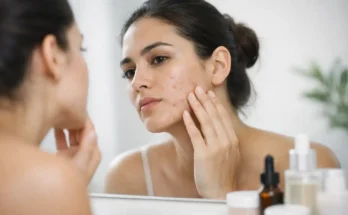
Adult acne can make choosing skincare frustrating, especially when products promise clear skin but deliver little improvement. Understanding acne treatment for adults, cost and options helps us make better decisions about both treatment and spending.
An effective approach considers the type of acne, its severity, previous treatments and individual health needs. Mild breakouts may respond to pharmacy products, while painful, persistent or scarring acne often requires prescription care. The aim is to control breakouts with a manageable plan that supports long-term skin health.
How Much Does Acne Treatment for Adults Cost?
There is no single standard price for adult acne treatment. Costs depend on the country, clinic, medication, insurance arrangements and length of treatment. A product’s purchase price also tells us little about the full expense of managing acne.
When comparing options, we should calculate the cost of the complete treatment plan. This may include an initial consultation, medication refills, follow-up appointments and any necessary monitoring.
Expenses to Include in an Acne Treatment Budget
Before starting treatment, we should ask about:
- Consultation fees: Initial assessments and subsequent reviews.
- Medication costs: Topical products, oral medicines and repeat prescriptions.
- Monitoring: Blood tests or other checks when clinically required.
- Supporting skincare: A gentle cleanser, moisturiser and sunscreen.
- Maintenance treatment: Products used after the initial course.
- Separate procedures: Any proposed treatment for scars or persistent marks.
Requesting an itemised estimate makes comparison easier. A seemingly inexpensive appointment may lead to additional expenses, while a higher initial fee may include follow-up care. Written quotes should explain what is included and what will be charged separately.
Over-the-Counter Acne Treatment for Adults
For mild adult acne, pharmacy treatments may provide a practical starting point. Established ingredients include benzoyl peroxide, salicylic acid and adapalene, although availability without a prescription varies by location. Deep, painful spots or acne that leaves scars should be assessed by a dermatologist. aad.org
Benzoyl Peroxide
Benzoyl peroxide is an established acne treatment available in washes, gels and other formulations. It targets bacteria involved in acne and can form part of a combination treatment plan. Dryness and irritation may affect tolerability, making the formulation and instructions important. It can also bleach fabric. nhs.uk
Salicylic Acid
Salicylic acid is another option for acne-prone skin, particularly when blocked pores are a concern. A pharmacist can help us choose an appropriate product. Adding several exfoliating products at once can make a routine difficult to tolerate, so a simpler approach is often easier to maintain. NHS
Adapalene
Adapalene is a topical retinoid used for blackheads, whiteheads and pimples. It offers an evidence-based option for adult acne, but suitability depends on individual circumstances. We should check product instructions and seek professional advice when pregnancy or other health considerations apply. aad.org
From a budgeting perspective, we should compare pack size, expected duration and refill costs. Buying multiple products before assessing the first treatment can increase spending without establishing which ingredient is helping.
Prescription Topical Treatments for Persistent Acne
When pharmacy treatment is insufficient, a clinician may recommend prescription topical therapy. Options include topical retinoids, benzoyl peroxide combinations, topical antibiotics and azelaic acid. Treatment selection depends on the acne pattern, tolerability and previous response. aad.org
Combination products can address more than one aspect of acne within a single prescription. However, convenience does not automatically mean a lower price. We should compare the cost of the prescribed combination with suitable alternatives discussed by the clinician.
Questions to Ask About Prescription Products
Useful questions include:
- Is a generic equivalent available?
- How long should one tube or bottle last?
- Does the prescription replace existing skincare products?
- What should we do if irritation develops?
- When will treatment be reviewed?
Topical antibiotics require particular care. Dermatologists commonly combine them with another acne treatment, such as benzoyl peroxide, to improve treatment effectiveness and reduce antibiotic resistance. They should not become an indefinite, unsupervised skincare routine. aad.org
Oral Medicines for Moderate or Severe Adult Acne
More extensive or inflammatory acne may require treatment beyond creams and gels. Oral medicines can add prescription and monitoring expenses, so we should understand the intended course before starting.
Oral Antibiotics
Clinicians may prescribe oral antibiotics for appropriate cases, usually alongside topical treatment. Acne guidelines recommend limiting systemic antibiotic use and combining it with benzoyl peroxide and other topical therapies. Follow-up helps determine whether treatment is working and when it should change. aad.org
For cost planning, we should ask about the medication supply, review appointments and the treatment expected after antibiotics finish. The first prescription may represent only one stage of the overall plan.
Hormonal Treatments
For selected adults, hormonal options such as combined oral contraceptives or spironolactone may be considered. These are recognised treatment options, but medical suitability must be assessed individually. They are not appropriate for everyone, and the choice should account for health history and pregnancy plans. aad.org
A useful cost discussion includes the expected duration, refill arrangements and whether any monitoring is necessary. We should avoid choosing hormonal medication solely because its monthly price appears affordable.
Isotretinoin Treatment: Benefits and Cost Considerations
Isotretinoin is an important option for severe acne or acne that has not responded adequately to standard topical or oral treatment. It requires medical supervision and a careful discussion of benefits, risks and monitoring. aad.org
The total expense can include specialist appointments, medication and required checks. Where pregnancy is possible, pregnancy-prevention requirements and testing also affect the treatment pathway because isotretinoin can seriously harm an unborn baby. aad.org
When comparing isotretinoin costs, we should request an estimate for the anticipated course rather than focusing only on one month’s capsules. The provider should explain appointment frequency, testing charges and which expenses are included.
Professional Procedures and Acne Scar Treatment
Procedures are sometimes offered alongside medical treatment. However, we should ask what each proposed procedure is intended to address: active breakouts, discolouration or established scars.
These concerns require different assessments. Paying for a package without a clear diagnosis makes it difficult to judge value. We should also ask whether a procedure has evidence for the specific concern and whether a less expensive medical option is appropriate first.
Questions Before Paying for a Procedure
Before committing, we should clarify:
- What result is realistically expected?
- How many sessions are proposed?
- What is the total estimated cost?
- Who will perform the treatment?
- What aftercare or recovery expenses apply?
- Is ongoing acne treatment also necessary?
Separating procedure costs from routine acne care creates a clearer budget and prevents confusion about what the treatment package covers.
How to Make Adult Acne Treatment More Affordable
Affordable care begins with a focused plan. We can compare pharmacy prices, ask about suitable generic prescriptions and confirm insurance coverage before booking. Where public healthcare is available, we should check eligibility and local prescription arrangements.
A simple skincare routine also helps control spending. Gentle cleansing, non-comedogenic products and avoiding harsh scrubbing support acne care; squeezing spots can increase the risk of scars. NHS
We should keep a record of products used, treatment instructions and changes in the skin. This helps make follow-up appointments more productive and reduces repeated purchases of products that have already proved unsuitable.
FAQs about Acne Treatment for Adults: Cost and Options
1. How much does adult acne treatment cost?
The cost of adult acne treatment varies depending on acne severity, treatment type, location, and whether insurance covers dermatology services. Over-the-counter products are usually less expensive than prescription medications or professional procedures.
2. What are the most affordable acne treatment options for adults?
Affordable options may include benzoyl peroxide, salicylic acid, adapalene, gentle cleansers, and non-comedogenic moisturisers. A dermatologist can recommend suitable products based on skin type.
3. Are prescription acne treatments more expensive?
They can be. Prescription treatments may include topical retinoids, antibiotics, hormonal therapy, or oral medications. Costs depend on the medication, pharmacy, dosage, and insurance coverage.
4. What professional treatments are available for adult acne?
Dermatologists may recommend chemical peels, corticosteroid injections, light or laser therapies, acne extractions, or treatments for acne scarring.
5. Does insurance cover adult acne treatment?
Insurance may cover dermatologist consultations and medically necessary prescription treatments. Cosmetic procedures, particularly treatments for acne scars, may not be covered.
6. How do I choose the right acne treatment option?
Treatment should be based on acne type, severity, skin sensitivity, medical history, and budget. Persistent, painful, or scarring acne should be evaluated by a qualified healthcare professional.
7. Is professional acne treatment worth the cost?
Professional care can be beneficial when over-the-counter treatments are ineffective or acne is causing scarring, inflammation, or significant discomfort. A dermatologist can create a personalised treatment plan and help reduce unnecessary spending on unsuitable products.
Conclusion
The best approach to acne treatment for adults, cost and options combines appropriate care with transparent pricing. We should compare the full course of treatment, including consultations, refills, monitoring and maintenance.
Mild acne may respond to pharmacy treatment, while persistent, painful or scarring acne deserves professional assessment. A clear diagnosis, realistic expectations and an itemised budget help us choose a treatment plan we can follow consistently.