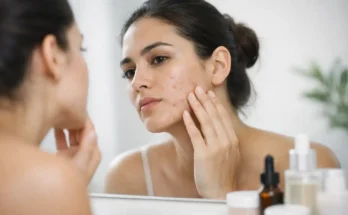
The best acne treatment for adults depends on the type of breakouts, their severity and how comfortably the skin tolerates treatment. Blackheads and whiteheads may respond to topical medication, while persistent inflammatory acne, painful nodules or recurring hormonal breakouts may require prescription care.
We recommend approaching adult acne with a clear goal: controlling existing blemishes while preventing new breakouts and reducing the risk of permanent scarring. An effective plan combines appropriate treatment, gentle skincare and consistent follow-up, rather than relying on a single product to address every concern.
Understanding Adult Acne Before Choosing Treatment
Adult acne can affect the face, chest and back. Some people experience occasional spots, while others develop widespread inflammation or deep, painful lumps. Breakouts may also leave changes in skin colour or texture.
Acne develops when hair follicles become blocked by oil and dead skin cells, with bacteria contributing to inflammation. Hormonal changes, certain medicines and oily skincare or hair products can contribute to breakouts. We therefore recommend reviewing both the appearance of the acne and the products or medications used regularly. NHS
Common Adult Acne Patterns
Recognising the main pattern helps guide a discussion with a pharmacist or dermatologist:
- Blackheads and whiteheads: Blocked pores that may occur without substantial inflammation.
- Inflamed pimples: Raised, tender spots, sometimes containing pus.
- Nodules and cysts: Deeper, painful lesions that require particular attention because of scarring risk.
- Recurring lower-face breakouts: Persistent acne around the chin or jawline that may benefit from assessment for hormonal treatment.
Location alone does not establish the cause. We recommend avoiding assumptions that every jawline breakout is hormonal or that every small facial bump is acne.
Best Topical Treatments for Adult Acne
Topical treatments are applied directly to the skin. Dermatology guidelines support several options, including benzoyl peroxide, topical retinoids, azelaic acid and salicylic acid. Combining treatments with different actions can be useful, but the combination should match the person’s needs and tolerance. aad.org
Topical Retinoids for Blocked Pores
Topical retinoids, such as adapalene and tretinoin, help clear blocked pores and treat blackheads, whiteheads and some inflammatory pimples. They may also form part of a maintenance plan once acne improves.
Irritation can make treatment difficult to sustain. We recommend following the product instructions or prescribed plan rather than applying additional medication in an attempt to accelerate results. If dryness or irritation develops, a dermatologist may adjust the amount, frequency or supporting moisturiser. aad.org
Benzoyl Peroxide for Inflammatory Breakouts
Benzoyl peroxide reduces acne-associated bacteria and is available in several formulations, including washes and leave-on products. It is often combined with another medication that addresses a different part of acne development.
The practical choice involves more than selecting an ingredient. We recommend considering whether a wash, gel or cream fits the treatment instructions and daily routine. A complicated routine that is frequently skipped is less useful than a manageable plan followed consistently. aad.org
Azelaic Acid and Salicylic Acid
Azelaic acid and salicylic acid are additional guideline-supported topical options. Their suitability depends on the acne pattern, formulation and other treatments already being used.
We recommend introducing products thoughtfully rather than assembling several acne treatments at once. Keeping a record of each product’s name and active ingredient makes it easier to identify duplication and discuss any irritation with a pharmacist or clinician.
Prescription Treatments for Persistent Adult Acne
When topical care does not provide adequate control, prescription treatment may be appropriate. Options supported by dermatology guidelines include oral antibiotics, selected hormonal therapies and isotretinoin. Prescription treatment requires an individual assessment, including relevant medical history and medication review. aad.org
Oral Antibiotics for Inflammatory Acne
Oral antibiotics, such as doxycycline, may be used for inflammatory acne. Guidelines recommend limiting systemic antibiotic use and combining it with benzoyl peroxide and other appropriate topical treatments.
We recommend asking how long the antibiotic is intended to be used, when progress will be reviewed and which treatment will continue afterwards. These questions help clarify the plan and support responsible antibiotic use. Antibiotics should not become an indefinite solution without reassessment. aad.org
Hormonal Treatment for Adult Women
Some women with persistent lower-face or jawline acne benefit from spironolactone or a suitable combined oral contraceptive. These treatments require a prescription and screening for medical conditions, medication interactions and relevant risks.
Spironolactone is unsuitable during pregnancy, and pregnancy prevention must be discussed when pregnancy is possible. Combined oral contraceptives are also unsuitable for some people, including those with certain clotting or cardiovascular risks. We recommend discussing reproductive plans and medical history openly before choosing hormonal treatment. aad.org
Isotretinoin for Acne Requiring Specialist Care
Isotretinoin is another guideline-supported option. A specialist determines whether it is appropriate and explains the required monitoring and precautions.
We recommend treating this discussion as a full review of the acne’s impact, previous treatment attempts and individual circumstances. Bringing a written treatment history can help make the consultation more productive.
A Practical Skincare Routine for Acne-Prone Adults
We recommend keeping the supporting routine straightforward. Gentle cleansing and products labelled non-comedogenic, meaning they are designed not to clog pores, can support acne management. Scrubbing and squeezing spots can worsen irritation or increase the risk of scars. NHS
Daily Skincare Steps
A manageable routine can include:
- Gentle cleansing: Wash without aggressive scrubbing.
- Treatment as directed: Follow the prescribed or labelled application instructions.
- Suitable moisturiser: Discuss an appropriate option if treatment causes dryness.
- Sun protection: Use a non-comedogenic, broad-spectrum sunscreen with SPF 30 or higher.
- Makeup removal: Remove makeup at the end of the day.
Sun protection is particularly relevant when using topical retinoids. We recommend choosing products that fit comfortably into everyday use, making consistency easier. aad.org
How Long Does Adult Acne Treatment Take?
Acne treatment requires patience. The American Academy of Dermatology advises that fewer breakouts may take at least six to eight weeks to become noticeable. An early lack of visible improvement does not automatically mean a suitable treatment has failed. aad.org
We recommend tracking progress through brief notes and occasional photographs taken under similar lighting. Record new breakouts, discomfort, missed applications and any side effects. This provides a clearer basis for review than judging the skin differently each morning.
Follow-up should address both results and tolerability. A treatment that improves blemishes but causes troublesome irritation may need adjustment.
When to See a Dermatologist for Adult Acne
Professional assessment is appropriate when self-treatment is unsuccessful, breakouts are deep or painful, scars are developing, or acne affects mental wellbeing. We recommend seeking help before repeated product changes become the main strategy. NHS
Preparing for an Acne Consultation
Bring useful information, including:
- Current skincare products and their active ingredients.
- Previous acne treatments and how long they were used.
- Prescription medicines and supplements.
- Relevant medical conditions.
- Pregnancy, breastfeeding or plans to conceive.
- The effect of acne on daily life and confidence.
An accurate diagnosis matters because conditions such as folliculitis and perioral dermatitis can resemble acne but require different treatment. aad.org
FAQs about Best Acne Treatment for Adults
What is the best acne treatment for adults?
The best adult acne treatment depends on your acne type, severity and skin sensitivity. Common options include adapalene, benzoyl peroxide, salicylic acid and azelaic acid. A dermatologist can recommend treatment for persistent or severe breakouts.
Which treatment works best for blackheads and whiteheads?
Salicylic acid helps unclog pores, while topical retinoids, such as adapalene, treat blackheads, whiteheads and some pimples. Introduce products gradually and follow their instructions to minimise irritation.
How long does adult acne treatment take to work?
Allow six to eight weeks to assess initial improvement. Avoid switching products too quickly or adding several treatments at once, as this can irritate your skin.
Can acne treatment reduce dark spots?
Yes. Azelaic acid can treat acne and help fade the dark marks left after breakouts. Some topical retinoids also help improve these marks. Dark spots are different from indented or raised acne scars.
Should adults with acne use sunscreen?
Yes. Choose a non-comedogenic sunscreen that will not clog pores, with broad-spectrum SPF 30 or higher. Sun protection is especially useful when using treatments that increase skin sensitivity.
When should I see a dermatologist?
Seek professional care for deep, painful pimples, acne that causes scarring, or persistent breakouts. If you are pregnant or trying to conceive, consult a clinician before starting acne treatment because some products are unsuitable.
Conclusion
We recommend choosing adult acne treatment through a structured process: identify the breakout pattern, select appropriate therapy, support the skin with gentle care and review progress consistently. The best treatment is an individually suitable plan that can be followed comfortably and adjusted when necessary. Persistent, painful or scarring acne deserves professional assessment rather than prolonged trial and error.