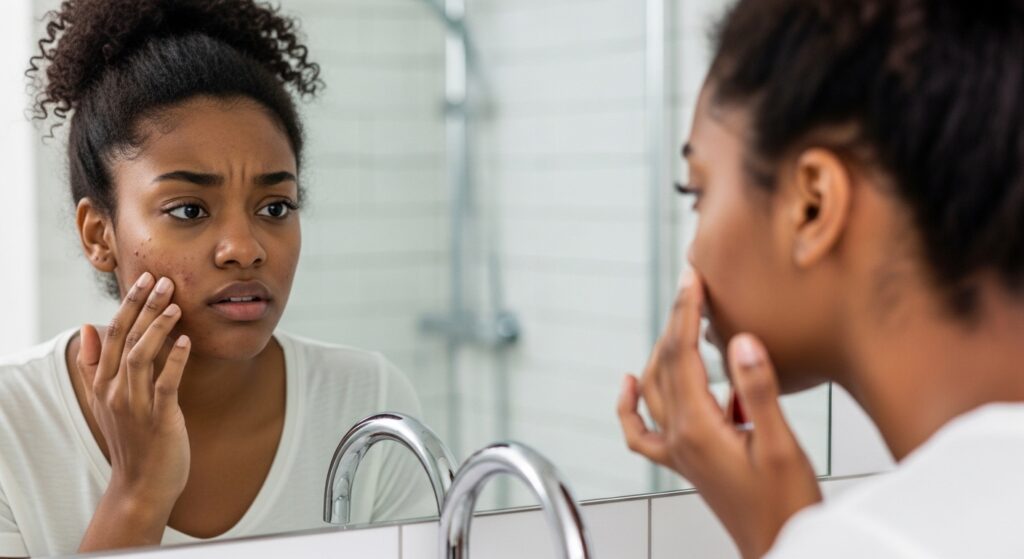
Wrinkles, fine lines, and skin laxity are common signs of aging that can affect facial appearance and skin texture. Fortunately, advancements in dermatology have introduced effective solutions for improving these concerns without traditional cosmetic surgery. Dermatologist recommended laser treatment for wrinkles is among the most established options for reducing visible signs of aging, stimulating collagen production, and improving overall skin quality.
We understand that choosing the right laser treatment requires careful consideration of skin type, wrinkle severity, treatment effectiveness, and recovery time. With several advanced laser technologies available, we recommend understanding how each treatment works before selecting the most suitable option.
What Is Dermatologist Recommended Laser Treatment for Wrinkles?
Laser treatment for wrinkles is a cosmetic dermatology procedure that uses concentrated light energy to improve skin texture and reduce the appearance of fine lines and wrinkles. Depending on the technology, laser energy removes damaged surface skin, heats deeper tissue, or creates microscopic treatment zones that stimulate the skin’s natural repair processes.
These treatments promote collagen remodeling, helping improve skin smoothness, firmness, and elasticity over time.
Dermatologists commonly recommend laser skin resurfacing for concerns such as forehead wrinkles, fine lines around the eyes, wrinkles surrounding the mouth, uneven skin texture, and certain signs of sun damage.
However, not every laser is appropriate for every patient. Treatment selection depends on the individual’s skin tone, medical history, wrinkle depth, and desired results.
Best Dermatologist Recommended Laser Treatments for Wrinkles
Several laser technologies are used in modern dermatology to address aging skin. Each offers different benefits, treatment intensity, and recovery requirements.
Types of Laser Treatments Dermatologists Recommend
1. Fractional CO2 Laser Treatment: Fractional carbon dioxide lasers create controlled microscopic injuries in the skin while leaving surrounding tissue untreated. They can significantly improve fine lines, moderate wrinkles, and skin texture. However, they generally require meaningful recovery time and carry risks of discoloration and scarring.
2. Erbium YAG Laser Resurfacing: Erbium lasers remove superficial skin layers with relatively precise tissue targeting. They are often considered for fine lines, superficial wrinkles, and uneven texture. Recovery varies depending on treatment depth and whether the procedure is fractional or fully ablative.
3. Fractional Non-Ablative Laser Treatment: These lasers deliver heat into the skin without removing the entire surface. They encourage collagen remodeling and can gradually improve fine lines with less downtime than aggressive ablative procedures. Multiple sessions are commonly necessary.
4. Non-Fractional Ablative Laser Resurfacing: Full-field ablative resurfacing treats the entire selected skin surface and may offer substantial improvement in deeper wrinkles. Because of its intensity, it requires careful patient selection, extensive aftercare, and longer healing.
5. Non-Ablative Skin Rejuvenation Lasers: Certain non-ablative devices heat targeted skin layers to encourage gradual collagen changes. They are generally better suited to mild wrinkles and early skin aging than pronounced facial folds.
We recommend consulting a qualified dermatologist to determine which laser wrinkle removal treatment offers the most appropriate balance of effectiveness, safety, and recovery.
How Laser Treatment for Wrinkles Works
Laser skin resurfacing addresses wrinkles by stimulating controlled skin renewal and collagen remodeling.
As the skin ages, collagen production and structural support decline, contributing to fine lines, deeper creases, and reduced firmness. Laser treatments deliver carefully controlled energy to the skin, creating biological responses that encourage tissue repair.
Ablative lasers remove selected layers of skin while heating underlying tissue. This process can improve surface irregularities and stimulate collagen remodeling.
Non-ablative lasers deliver thermal energy beneath the skin’s surface without intentionally removing the outer layer. Their results develop gradually and are usually more subtle.
We emphasize that laser treatment primarily improves skin quality and surface wrinkles. Deep expression lines caused by repetitive muscle movement may respond better to other dermatological treatments, including botulinum toxin injections.
Benefits of Dermatologist Recommended Laser Treatment for Wrinkles
Laser treatments offer several potential advantages for individuals seeking improved skin appearance without undergoing traditional cosmetic surgery.
Key Benefits of Laser Skin Resurfacing
- Reduced fine lines and wrinkles: Certain laser procedures can soften visible lines around the eyes, mouth, and forehead.
- Improved skin texture: Resurfacing treatments can reduce roughness and create a smoother skin surface.
- Enhanced collagen remodeling: Controlled thermal stimulation encourages changes in the skin’s collagen structure.
- Improved skin firmness: Some patients experience modest tightening as collagen remodeling progresses.
- Reduced signs of sun damage: Appropriate laser treatments may improve selected pigmentation irregularities and photoaging.
- Long-lasting improvements: Results can persist for months or years, depending on treatment type, skin condition, and ongoing aging.
- Customizable treatment intensity: Dermatologists can adjust treatment depth and settings according to individual needs.
We encourage realistic expectations because results vary significantly between patients. Laser resurfacing cannot completely eliminate deep wrinkles or permanently stop the aging process.
Who Is a Good Candidate for Laser Wrinkle Treatment?
The best candidates for dermatologist recommended laser treatment for wrinkles are individuals with realistic expectations who want to improve fine lines, skin texture, or selected signs of photoaging.
Patients with mild to moderate wrinkles may benefit from fractional or non-ablative lasers. Individuals with more pronounced surface wrinkles may be considered for ablative resurfacing when medically appropriate.
However, treatment suitability depends on several factors, including skin pigmentation, active skin conditions, recent tanning, medications, and healing history.
Individuals with darker skin tones require particular attention because certain laser treatments carry an increased risk of post-inflammatory hyperpigmentation or hypopigmentation. A dermatologist experienced in treating the patient’s skin type can select safer settings or recommend alternative approaches.
We also recommend assessing conditions such as active infections, a history of abnormal scarring, and susceptibility to cold sores before proceeding.
What to Expect During Laser Treatment for Wrinkles
Understanding the treatment process helps patients prepare for their appointments and follow recommended aftercare instructions.
Before the Procedure
A dermatologist typically examines the skin, reviews medical history, evaluates wrinkle severity, and discusses treatment goals.
Patients may be instructed to avoid excessive sun exposure, discontinue selected irritating skincare products, or follow prescribed antiviral precautions when appropriate.
During the Procedure
The skin is cleaned, and topical anesthesia or additional pain-control measures may be provided depending on the laser’s intensity.
The dermatologist then passes the laser device over the designated treatment areas.
Treatment duration varies according to the laser technology, surface area, and procedure intensity.
After the Procedure
Patients may experience redness, swelling, warmth, and temporary sensitivity.
More intensive ablative procedures can produce peeling, crusting, and prolonged healing. Non-ablative treatments generally involve shorter recovery periods.
We recommend following individualized aftercare instructions to protect healing skin and reduce complications.
Laser Treatment for Wrinkles: Results and Recovery Time
Recovery time is an important factor when comparing different laser wrinkle treatments.
| Laser treatment | Typical recovery | Expected improvement |
|---|---|---|
| Fractional CO2 laser | Approximately 5–14 days of initial healing | Moderate to substantial improvement in suitable wrinkles |
| Erbium YAG resurfacing | Several days to 2 weeks, depending on depth | Improvement in fine lines and surface wrinkles |
| Fractional non-ablative laser | Often 1–3 days of noticeable redness or swelling | Gradual, generally modest improvement |
| Full-field ablative resurfacing | Often 2 weeks or longer for initial healing | Potentially substantial improvement in selected deeper wrinkles |
| Non-ablative rejuvenation laser | Minimal to several days | Subtle, progressive improvement |
These are general estimates rather than guaranteed recovery periods. Persistent redness after ablative resurfacing can last considerably longer than initial wound healing.
Collagen remodeling continues after treatment, and improvements may become more noticeable over several months.
Are Laser Treatments for Wrinkles Safe?
Laser wrinkle treatments can be effective when performed by appropriately trained medical professionals using suitable equipment and settings.
Nevertheless, laser skin resurfacing involves potential risks, including burns, infection, acne flare-ups, prolonged redness, scarring, and changes in skin pigmentation.
The risks are generally greater with aggressive ablative procedures and in patients who are more susceptible to pigment changes.
We recommend choosing a qualified dermatologist who can explain the treatment’s benefits, possible complications, expected recovery, and alternatives before obtaining informed consent.
How to Maintain Results After Laser Wrinkle Treatment
Proper skincare is essential for supporting healing and preserving the cosmetic benefits of laser resurfacing.
Essential Aftercare and Long-Term Skincare Tips
- Use broad-spectrum sunscreen: Apply SPF 30 or higher regularly once your dermatologist confirms the skin is ready for sunscreen.
- Avoid unnecessary sun exposure: Protect treated skin from direct sunlight, particularly during the healing period.
- Follow gentle skincare routines: Use recommended cleansers, moisturizers, and wound-care products.
- Avoid harsh exfoliation: Do not introduce strong acids, scrubs, or retinoids until cleared by your dermatologist.
- Maintain skin hydration: Appropriate moisturization supports the skin barrier and comfort.
- Attend follow-up appointments: Dermatological reviews help monitor healing and identify complications.
- Consider maintenance treatments: Additional sessions may be recommended depending on the treatment plan and desired outcomes.
We emphasize that consistent sun protection remains one of the most important measures for reducing further photoaging.
How to Choose the Best Dermatologist for Laser Wrinkle Removal
Choosing an experienced dermatologist is as important as selecting the correct laser technology.
We recommend looking for a qualified specialist with documented experience in laser skin resurfacing for wrinkles, particularly for patients with similar skin tones and treatment concerns.
During consultation, patients should ask about the specific device, expected improvement, recovery requirements, possible side effects, and total treatment cost.
A reputable dermatologist should provide realistic expectations and explain when other treatments may be more appropriate.
We also recommend discussing whether combination treatments, such as prescription retinoids, injectable treatments, or other evidence-based skin rejuvenation procedures, could better address particular types of wrinkles.
FAQs about Dermatologist Recommended Laser Treatment for Wrinkles
1. What is the best dermatologist recommended laser treatment for wrinkles?
Dermatologists commonly recommend fractional CO2 lasers, Erbium YAG lasers, and non-ablative fractional lasers for wrinkle reduction. The best option depends on skin type, wrinkle severity, and recovery preferences.
2. Is laser treatment effective for deep wrinkles?
Yes, laser skin resurfacing can improve the appearance of deep wrinkles by stimulating collagen production and renewing damaged skin. However, deeper wrinkles may require multiple sessions or complementary treatments.
3. How many laser treatments are needed to reduce wrinkles?
The number of sessions depends on the laser technology and wrinkle severity. Ablative laser treatments may produce noticeable improvements after one session, while non-ablative treatments typically require several sessions.
4. Is dermatologist recommended laser treatment for wrinkles safe?
Laser wrinkle treatments are generally safe when performed by qualified dermatologists. However, possible side effects include redness, swelling, pigmentation changes, infection, and scarring.
5. How long do laser wrinkle treatment results last?
Results can last several months to years, depending on the treatment type, skin condition, sun exposure, and skincare routine. Maintenance treatments may help preserve improvements.
6. Can laser treatment remove wrinkles permanently?
Laser treatments can significantly reduce wrinkle visibility, but they cannot permanently prevent skin aging. Consistent skincare and sun protection help maintain results.
7. Which laser treatment is best for sensitive skin?
Non-ablative fractional lasers may be suitable for some sensitive skin types because they generally involve less surface damage. A dermatologist should assess individual skin sensitivity before recommending treatment.
8. Is laser treatment suitable for all skin tones?
Laser wrinkle treatments can be performed on various skin tones, but darker skin has a higher risk of pigmentation changes. Choosing an experienced dermatologist and appropriate laser settings is essential.
Conclusion
Dermatologist recommended laser treatment for wrinkles offers an established approach to improving fine lines, skin texture, and selected signs of facial aging. From fractional CO2 resurfacing to gentler non-ablative lasers, modern dermatology provides treatment options suited to different skin concerns and recovery preferences.
We recommend prioritizing professional skin assessment, appropriate laser selection, and consistent aftercare to achieve safer and more satisfying outcomes. With realistic expectations and guidance from an experienced dermatologist, laser wrinkle treatment can deliver meaningful improvements in skin smoothness, appearance, and overall quality.