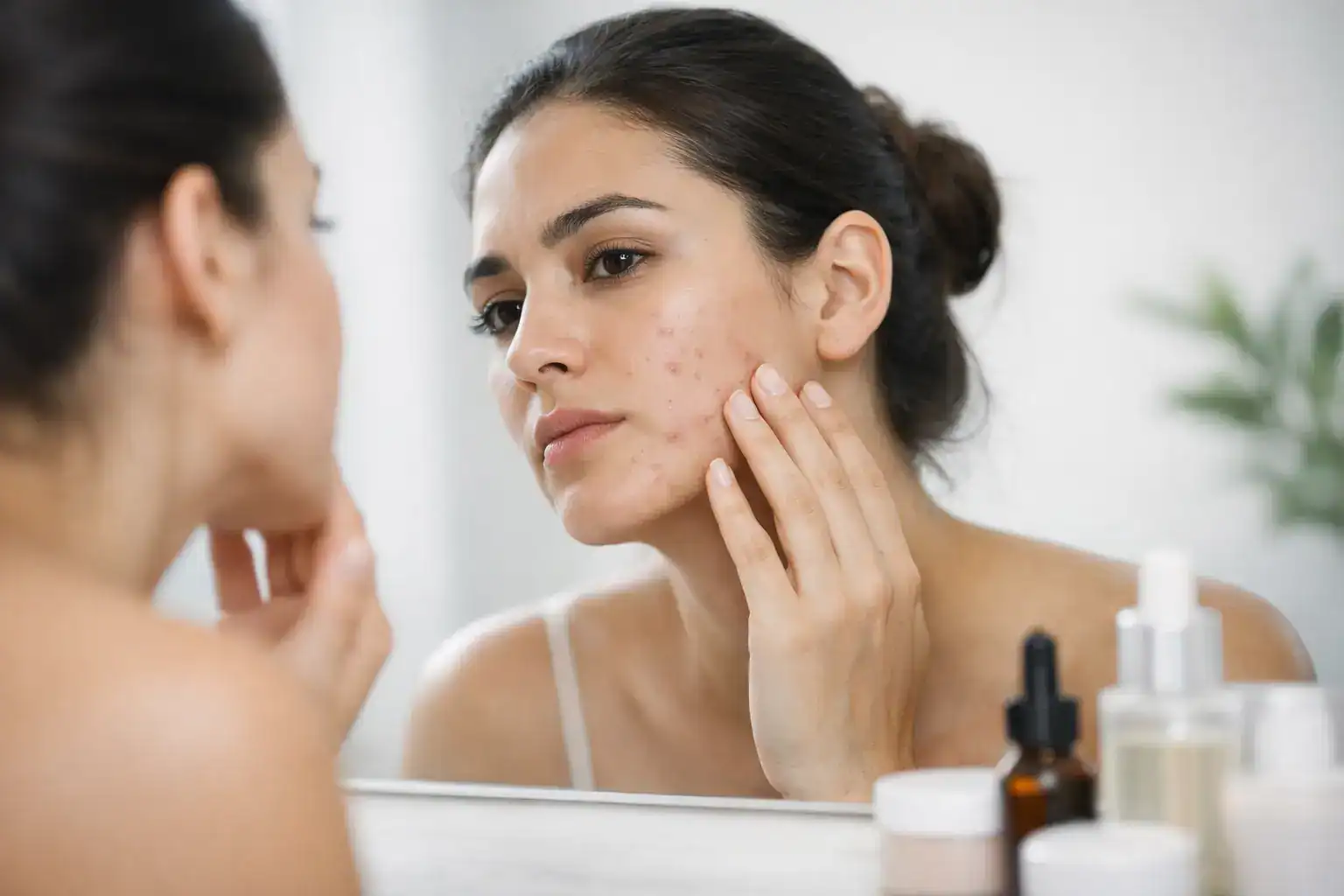
Finding affordable hyperpigmentation treatment for dark skin near me starts with choosing care that suits both your skin and your budget. Dark spots can follow acne, irritation, injuries, or hormonal changes, but buying several brightening products without identifying the cause can become expensive and frustrating.
We recommend a practical approach: understand the pigmentation, address ongoing triggers, and compare treatment plans by their total cost. A manageable routine and appropriate professional guidance can help you work towards a more even complexion while preserving your natural skin tone.
Understanding Hyperpigmentation in Dark Skin
Hyperpigmentation describes areas of skin that appear darker than the surrounding complexion. In darker skin tones, inflammation from breakouts, eczema, or irritating products can leave noticeable marks after the original problem settles. Treating the underlying condition helps prevent additional discoloration.
An accurate assessment matters because similar-looking patches may require different treatment. We should avoid assuming that every dark mark is an acne scar or that every brightening cream will address its cause.
Common Pigmentation Concerns to Discuss During a Consultation
- Post-inflammatory hyperpigmentation: Flat dark marks that develop after inflammation or injury.
- Melasma: Patches of pigmentation, often on the face, that require a tailored treatment and maintenance plan.
- Product-related discoloration: Darkening associated with irritation from skincare or haircare products.
- Persistent or unexplained patches: Changes that need assessment before cosmetic treatment begins.
Before an appointment, note when the marks appeared, whether they followed breakouts, and which products you currently use. Bring product labels or photographs rather than relying on brand names alone.
Affordable Hyperpigmentation Treatment Options for Dark Skin
We recommend discussing topical treatment before committing to a package of procedures. The right choice depends on the diagnosis, skin sensitivity, existing routine, and whether acne or another condition remains active.
Azelaic Acid for Acne and Dark Marks
Azelaic acid can treat acne and the dark spots that remain after breakouts clear. This makes it a useful option to discuss when both concerns are present. Topical retinoids can also treat acne and help lighten associated dark marks.
For an affordable plan, ask whether one treatment can address multiple concerns. We should compare the recommended formulation, quantity, and replacement frequency rather than assuming the least expensive bottle offers the best value.
Retinoids for Selected Pigmentation Concerns
Retinoids require careful introduction because irritation can undermine a skincare routine. Dermatology guidance recommends starting with a less intense formulation and gradually increasing use according to tolerance.
We recommend asking for clear application instructions instead of combining a retinoid with several exfoliating products independently. Tell the clinician if you are pregnant, planning pregnancy, or breastfeeding before choosing medication.
Clinician-Supervised Hydroquinone
A dermatologist may prescribe hydroquinone for selected pigmentation concerns, including melasma. Other options include prescription combinations or alternatives such as azelaic acid. The appropriate choice depends on the individual assessment.
We recommend obtaining a defined treatment duration and review plan. Avoid treating a prescription pigment treatment as an indefinite everyday cosmetic. Ask which areas to treat, when to return, and what to do if irritation develops.
Sun Protection as Part of Dark Spot Treatment
For darker skin tones, dermatologists recommend tinted sunscreen containing iron oxide, alongside broad-spectrum protection, water resistance, and SPF 30 or higher. Iron oxide helps protect against visible light, which can contribute to pigmentation.
We recommend including sunscreen in the treatment budget from the beginning. A product that feels comfortable and suits your complexion is easier to use consistently than one you avoid because of its texture or appearance.
When comparing options, consider the amount supplied, how frequently it needs replacing, and whether it fits your daily activities. Ask for suitable alternatives if the recommended product is unaffordable.
How to Find Affordable Hyperpigmentation Treatment Near You
A search for dark spot treatment near me may return dermatology clinics, hospitals, beauty salons, and cosmetic centres. We recommend verifying who will assess your skin and who will perform any proposed procedure before paying.
Questions to Ask a Local Provider
- Who conducts the consultation?
Request the clinician’s name, qualifications, and registration details. - What experience do you have treating dark skin?
Ask about experience with your pigmentation concern and similar skin tones. - What does the consultation fee include?
Clarify whether assessment, prescriptions, or a follow-up visit are included. - Can we begin with a simpler treatment plan?
Ask whether topical care is appropriate before considering procedures. - What will the complete course cost?
Request an itemised estimate covering products, appointments, procedures, and aftercare. - When will we review progress?
Establish when treatment should be reassessed rather than purchasing repeated packages automatically.
We can also enquire about dermatology services at public or teaching hospitals. Compare their actual fees, appointment availability, and follow-up arrangements with private providers rather than assuming either option will always be cheaper.
What Determines Hyperpigmentation Treatment Cost?
There is no reliable universal price for hyperpigmentation treatment for dark skin. Local fees, prescribed products, appointment frequency, and the proposed treatment course all affect the total.
Costs to Include in Your Comparison
- Initial consultation: The assessment and treatment discussion.
- Medication or skincare: The recommended products and likely replacement costs.
- Follow-up appointments: Reviews used to assess progress and tolerance.
- Procedures: Individual session fees and the proposed number of sessions.
- Aftercare: Products or appointments required after treatment.
- Maintenance: Ongoing care once the initial course ends.
We recommend requesting written estimates from providers. Comparing consultation fees alone can be misleading when one clinic includes a review and another charges separately.
State your budget during the consultation. Ask which parts of the plan are essential, which can wait, and whether a lower-cost equivalent is available.
Are Chemical Peels and Laser Treatments Suitable for Dark Skin?
Chemical peels and laser treatments may be considered for selected pigmentation concerns, but suitability requires careful assessment. Skin injury, including injury associated with peels or laser procedures, can itself cause post-inflammatory hyperpigmentation.
We recommend choosing a provider who can explain the expected benefit, relevant risks, and aftercare for your skin tone. A discounted procedure is poor value if it is inappropriate for your condition.
Details to Confirm Before Booking a Procedure
- The diagnosis the procedure is intended to treat.
- Why it is recommended at this stage.
- The practitioner’s qualifications and relevant experience.
- Whether preparation or a test area is appropriate.
- The expected recovery period and aftercare.
- How complications would be assessed and managed.
Avoid purchasing a large treatment package before receiving an individual assessment. Request time to review the proposed plan and its full cost.
Keeping a Hyperpigmentation Routine Affordable
We recommend building a routine around the agreed treatment plan instead of continually adding products. Keep a written list of what you use, how often you apply it, and any symptoms that develop.
Practical Ways to Reduce Unnecessary Spending
- Ask which current products you can continue using.
- Check for duplicate ingredients across recommended products.
- Request affordable alternatives before purchasing.
- Avoid buying several new treatments at once.
- Confirm how long each product should last.
- Follow application instructions rather than using extra product to accelerate results.
Persistent burning, peeling, or discomfort should prompt a review of the routine. Increasing product strength without guidance can make treatment harder to tolerate.
How Long Does Hyperpigmentation Take to Fade?
Once the trigger is controlled, some marks a few shades darker than the natural complexion may fade over six to twelve months. Deeper discoloration can take substantially longer, although treatment may help accelerate fading.
We recommend taking occasional photographs in consistent lighting and reviewing progress at the agreed appointment. Daily comparisons can make gradual changes difficult to notice.
Progress should include fewer new marks and a tolerable routine, alongside changes in existing pigmentation. Avoid providers who guarantee complete clearance within days.
FAQs about Affordable Hyperpigmentation Treatment for Dark Skin Near Me
1. What is the most affordable hyperpigmentation treatment for dark skin?
Affordable hyperpigmentation treatments for dark skin include azelaic acid, niacinamide, vitamin C, and certain retinoids. These ingredients can gradually reduce dark spots, improve uneven skin tone, and promote healthier-looking skin.
2. How can I find affordable hyperpigmentation treatment near me?
We recommend searching for affordable dermatologists or skin clinics near you, comparing consultation fees, checking patient reviews, and choosing professionals experienced in treating darker skin tones.
3. Which treatment works best for hyperpigmentation on dark skin?
Azelaic acid, topical retinoids, and dermatologist-prescribed hydroquinone are commonly used for hyperpigmentation. The most effective option depends on the cause, severity, and sensitivity of your skin.
4. How much does hyperpigmentation treatment cost?
The cost of hyperpigmentation treatment varies depending on your location, treatment method, and dermatologist. Over-the-counter skincare products are generally more affordable than professional chemical peels and laser procedures.
5. Can hyperpigmentation on dark skin be treated naturally?
Some gentle skincare ingredients may support skin health, but natural remedies have limited evidence for treating hyperpigmentation. We recommend avoiding lemon juice, harsh scrubs, and unverified bleaching products that may worsen pigmentation.
6. How long does affordable hyperpigmentation treatment take to work?
Most topical treatments require 8–12 weeks before noticeable improvements appear. Deeper pigmentation may take several months, depending on treatment consistency and individual skin response.
7. Is hyperpigmentation treatment safe for dark skin?
Yes. Hyperpigmentation treatments can be safe for dark skin when appropriately selected. We recommend consulting a qualified dermatologist because aggressive treatments may trigger additional pigmentation.
8. Can sunscreen help prevent hyperpigmentation?
Yes. Daily broad-spectrum SPF 30 or higher sunscreen, preferably tinted with iron oxides, helps prevent dark spots from worsening and supports treatment results.
Conclusion
The best starting point for affordable hyperpigmentation treatment for dark skin near me is a qualified assessment, a clear budget, and an itemised treatment plan.
We recommend prioritising appropriate treatment, consistent sun protection, and manageable follow-up. Comparing the complete course of care helps you choose an option you can sustain while working towards a healthier, more even-looking complexion.