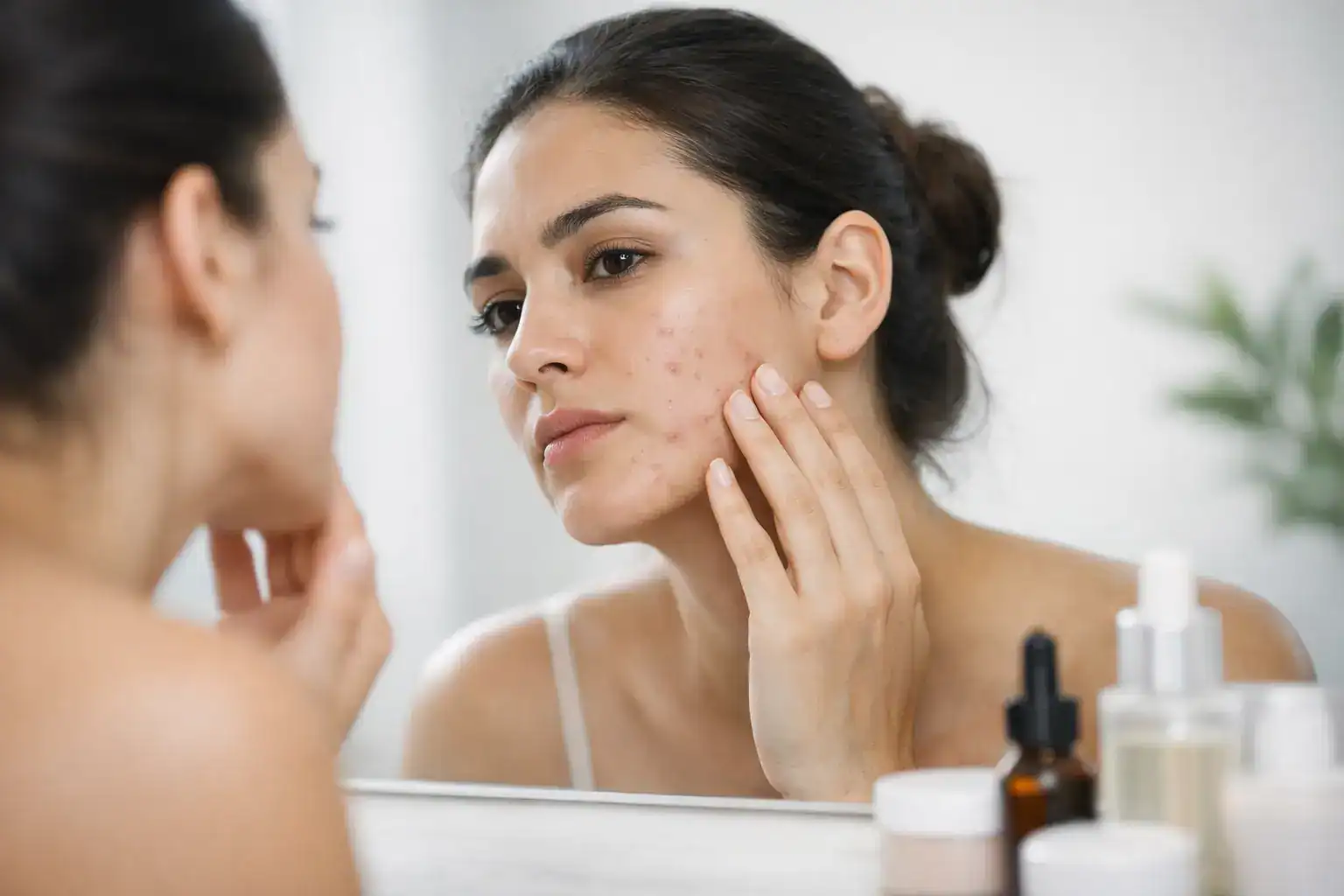
Dermatologist recommended hyperpigmentation treatment for dark skin starts with identifying the cause of discoloration and choosing treatments that improve uneven tone without creating further irritation. Acne marks, melasma, and pigmentation after eczema or injury can look similar, yet they may require different approaches.
We recommend viewing treatment as a coordinated plan: address the underlying trigger, protect the skin from sunlight, and use carefully selected ingredients. The aim is to restore a more even appearance while preserving the skin’s natural colour.
Identify the Cause Before Choosing Dark Spot Treatment
A dark mark left after a pimple often represents post-inflammatory hyperpigmentation, sometimes shortened to PIH. Similar marks can follow burns, insect bites, scratching, or irritation from skincare products. Treating the inflammation helps prevent new discoloration while existing marks fade.
Melasma commonly produces flat, brown or greyish facial patches, often across the cheeks, forehead, or upper lip. Hormonal influences and sunlight can contribute to its development. Unlike individual acne marks, melasma often requires ongoing management because it can return after treatment.
We recommend bringing a list of current products and medications to a dermatology appointment. Include when the pigmentation appeared, whether it followed a rash or breakout, and which treatments have already been tried. This information makes the consultation more useful and helps avoid repeating unsuccessful approaches.
Daily Sun Protection for Hyperpigmentation in Dark Skin
Sun protection is an essential part of managing pigmentation. For melasma, dermatology guidance recommends broad-spectrum sunscreen with SPF 30 or higher. A tinted formula containing iron oxides offers additional protection against visible light, which can worsen pigmentation.
We recommend selecting a texture and shade that are comfortable enough for daily use. Reapply sunscreen approximately every two hours outdoors and after swimming or sweating, following the product instructions. A wide-brimmed hat and shade provide additional protection.
What to Look for in a Sunscreen
When comparing products, check for:
- Broad-spectrum protection against UVA and UVB.
- SPF 30 or higher.
- Iron oxides in a tinted formula.
- A shade that blends comfortably with the complexion.
- A texture that fits the existing skincare routine.
Price and packaging should be secondary to whether the product meets these requirements and can be used consistently.
Topical Treatments Dermatologists May Recommend
Several topical treatments can improve pigmentation, but they are not interchangeable. We recommend discussing the diagnosis, skin sensitivity, and intended treatment duration before choosing a prescription or adding multiple products.
Azelaic Acid
Azelaic acid is one option dermatologists may prescribe for melasma. It can be considered when selecting alternatives to hydroquinone, although individual tolerance still matters. The appropriate formulation and application schedule should reflect the treatment plan rather than a general “brightening” claim.
Hydroquinone
Hydroquinone is a commonly prescribed melasma treatment that helps reduce excess pigmentation. Dermatologists may prescribe it alone or as part of a combination cream.
We recommend using it only according to professional instructions, including where to apply it and when to return for review. It can cause irritation, and inappropriate use may produce unwanted discoloration.
Retinoids and Prescription Combination Creams
A dermatologist may prescribe tretinoin, a retinoid, or a triple combination cream containing hydroquinone, tretinoin, and a corticosteroid. These combinations are established options for melasma; they require medical supervision.
The corticosteroid in a prescribed combination serves a specific treatment purpose. It should not be treated as permission to use separate steroid creams routinely for complexion lightening. Ask for clear instructions about treatment duration and follow-up.
Vitamin C and Kojic Acid
Vitamin C and kojic acid are additional ingredients dermatologists may consider. Choosing between them involves more than comparing ingredient names: the formulation, tolerability, and reason for the pigmentation all matter.
We recommend introducing products according to a clear plan rather than layering several pigment treatments at once. This also makes it easier to identify which product causes discomfort or provides a useful improvement.
Treat Acne to Prevent New Hyperpigmentation
When breakouts continue, fading existing marks is only part of the task. Acne treatment helps reduce the formation of new spots and lowers the risk of scarring.
Dermatology guidance for darker skin tones includes treatments such as retinoids, benzoyl peroxide, and salicylic acid, selected according to the acne’s severity and the person’s skin. Gentle skincare and avoiding squeezing or picking pimples are also important.
We recommend asking whether the treatment plan addresses both active acne and the marks it leaves behind. Keep track of these as separate outcomes: fewer new breakouts is progress even when older discoloration remains visible.
Professional Procedures for Persistent Pigmentation
Procedures may be considered when a dermatologist determines that they offer a suitable benefit. They should follow an assessment of the pigmentation rather than being selected solely because a clinic advertises rapid results.
Chemical Peels
Chemical peels can improve some pigmentation by removing outer skin cells containing pigment. However, they can also worsen discoloration or cause scarring. An experienced practitioner should select the peel and explain the recovery process.
Laser Treatments
Laser treatment for hyperpigmentation in dark skin requires particular care. Results vary, and treatment can sometimes worsen pigmentation or leave lighter patches, with these complications more frequently seen in people of colour. We recommend a provider with substantial experience treating darker skin tones.
Questions to Ask Before a Procedure
Before committing, ask:
- What diagnosis is being treated?
- Why is this procedure suitable for this skin tone?
- What improvement is realistic?
- What are the risks of darker or lighter patches?
- What preparation and aftercare are required?
- How will complications be managed?
Request a written estimate that includes consultation, treatment sessions, follow-up, and aftercare products.
Tranexamic Acid for Selected Melasma Cases
For some people with persistent melasma, a clinician may consider tranexamic acid. Oral treatment requires assessment because it is unsuitable for certain patients, including those with an increased risk of blood clots.
We recommend discussing medical history and current medications before considering this option. It is a treatment for selected cases, rather than a general-purpose tablet for every type of dark spot.
Build a Practical Hyperpigmentation Skincare Routine
A manageable routine makes instructions easier to follow and results easier to assess. We recommend organising products around the dermatologist’s plan instead of continually adding new treatments.
Morning Routine
- Cleanse gently.
- Apply any treatment directed for morning use.
- Use moisturiser as needed.
- Apply the recommended sunscreen.
Evening Routine
- Remove makeup and cleanse gently.
- Apply prescribed treatment according to instructions.
- Use moisturiser as directed.
Keep the written instructions accessible. Product names, application frequency, and review dates are more useful than remembering that a cream should be used “regularly.”
How Long Does Hyperpigmentation Take to Fade?
Pigmentation improves gradually. Once its trigger has stopped, a mark a few shades darker than the surrounding skin may fade naturally within six to twelve months. Deeper pigmentation can take longer, sometimes years. Treatment may help speed improvement, but immediate clearance should not be expected.
We recommend taking occasional photographs in consistent lighting. Compare the same areas rather than relying on changing mirrors, camera filters, or daily impressions. Bring these photographs to follow-up appointments so progress can be discussed clearly.
When to Seek a Dermatologist’s Assessment
Professional assessment is especially valuable when the diagnosis is uncertain, previous products have failed, or a procedure is being considered. A changing or unusual spot should be examined before it is treated cosmetically: some lesions that resemble age spots require a different diagnosis and approach.
Pregnancy also changes treatment choices. Hydroquinone and retinoid creams should be avoided during pregnancy; discuss suitable alternatives with the treating clinician.
FAQs about Dermatologist Recommended Hyperpigmentation Treatment for Dark Skin
1. What is the best dermatologist-recommended hyperpigmentation treatment for dark skin?
Dermatologists commonly recommend azelaic acid, retinoids, vitamin C, niacinamide, and prescription hydroquinone. The best treatment depends on the cause and severity of hyperpigmentation.
2. Is hyperpigmentation treatment safe for dark skin?
Yes. Hyperpigmentation treatments for dark skin can be safe when properly selected. However, aggressive chemical peels, unsuitable lasers, and irritating products may worsen pigmentation.
3. How long does hyperpigmentation take to fade on dark skin?
Mild dark spots may improve within 8–12 weeks, while deeper pigmentation can take several months. Consistent treatment and sun protection are essential.
4. Can dermatologists permanently remove hyperpigmentation?
Dermatologists can significantly reduce hyperpigmentation, but permanent removal is not always possible. New dark spots may develop due to sun exposure, acne, inflammation, or hormonal changes.
5. Which ingredients should people with dark skin avoid?
We recommend avoiding unregulated skin-lightening creams, mercury-containing products, harsh bleaching agents, and excessive exfoliation. These can damage the skin and worsen discoloration.
6. Is laser treatment recommended for hyperpigmentation on dark skin?
Certain laser treatments may help, but they require careful selection by an experienced dermatologist because darker skin has a higher risk of post-inflammatory hyperpigmentation.
7. Can sunscreen prevent hyperpigmentation from returning?
Yes. Daily broad-spectrum SPF 30 or higher helps prevent pigmentation from worsening. Tinted sunscreens containing iron oxides also protect against visible light.
8. When should I consult a dermatologist for hyperpigmentation?
We recommend consulting a dermatologist when dark spots persist, spread, worsen, or fail to respond to appropriate skincare.
9. What is the most effective skincare routine for hyperpigmentation?
A gentle cleanser, targeted brightening treatment, moisturizer, and daily sunscreen form an effective foundation for managing hyperpigmentation in dark skin.
Conclusion
The most useful dermatologist recommended hyperpigmentation treatment for dark skin is a clear, personalised plan. We recommend confirming the cause, agreeing on suitable products, protecting the skin from sunlight, and reviewing progress before escalating treatment.
Ask for practical instructions and realistic expectations. A plan that can be followed consistently provides a stronger foundation for improving uneven tone than repeatedly switching between products promising instant results.