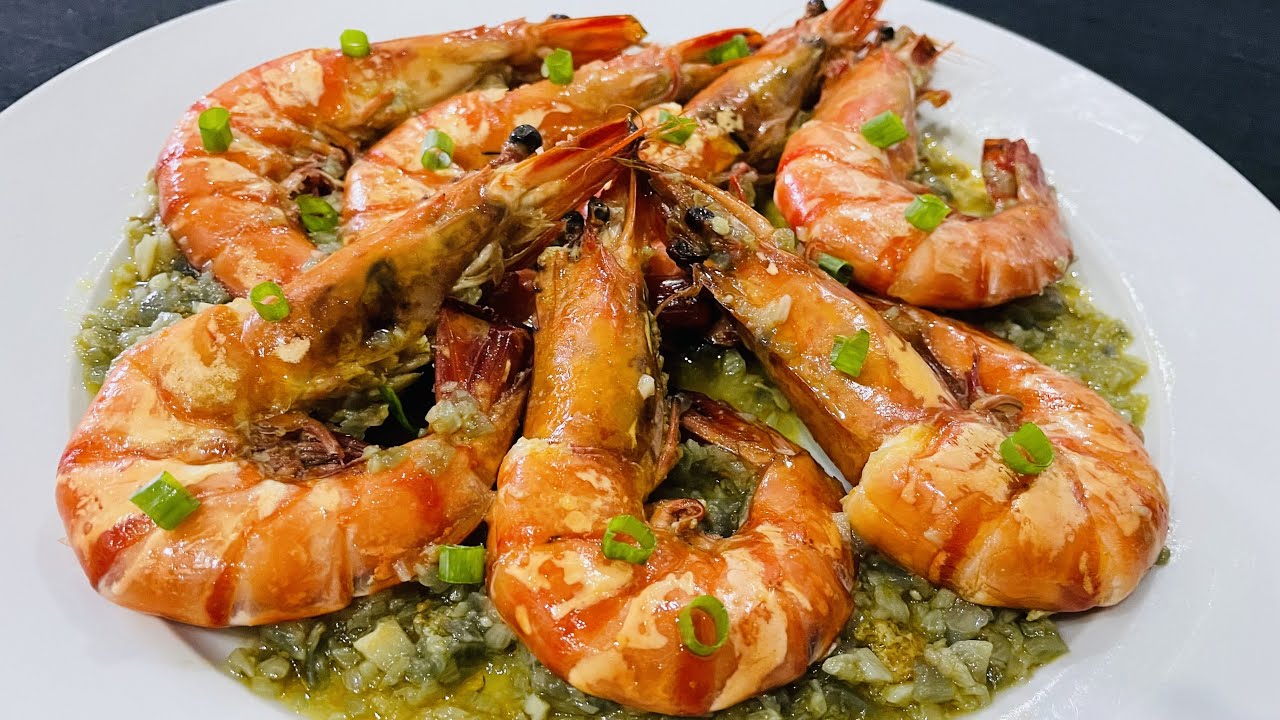
Tiger Shrimp Recipe: Tiger shrimp are one of the most flavorful, juicy, and impressive seafood options we can prepare at home. With their large size, firm texture, slightly sweet taste, and beautiful striped shells, tiger shrimp make an excellent dish for weeknight dinners, family gatherings, seafood platters, rice bowls, pasta dishes, grilled meals, and restaurant-style homemade recipes. This tiger shrimp recipe gives us a simple but deeply flavorful way to cook shrimp until they are tender, buttery, garlicky, lightly smoky, and perfectly seasoned.
In this step-by-step guide, we prepare tiger shrimp with garlic, butter, olive oil, lemon juice, paprika, herbs, and a balanced blend of seasonings. The result is a rich, savory, slightly tangy seafood dish that tastes fresh, elegant, and satisfying without requiring complicated techniques. Whether we are using fresh tiger shrimp or frozen tiger shrimp, this recipe helps us bring out their natural sweetness while keeping the shrimp moist and delicious.
Ingredients You’ll Need for Tiger Shrimp Recipe
To make the best tiger shrimp recipe, we need simple ingredients that enhance the shrimp rather than overpower them. Tiger shrimp cook quickly, so every ingredient should add flavor, aroma, and balance.
Main Ingredients
- 1 pound tiger shrimp, peeled and deveined, tails on or off
- 2 tablespoons olive oil
- 3 tablespoons unsalted butter
- 4 garlic cloves, finely minced
- 1 tablespoon fresh lemon juice
- 1 teaspoon lemon zest
- 1 teaspoon smoked paprika
- ½ teaspoon black pepper
- ½ teaspoon salt, or to taste
- ½ teaspoon chili flakes, optional for heat
- ½ teaspoon onion powder
- ½ teaspoon dried oregano
- 1 tablespoon fresh parsley, chopped
- 1 tablespoon fresh cilantro, optional
- Lemon wedges, for serving
Optional Flavor Additions
- 1 teaspoon honey for a light sweet glaze
- 1 tablespoon soy sauce for deeper umami flavor
- ½ teaspoon cayenne pepper for a spicy tiger shrimp recipe
- 1 tablespoon white wine for a more elegant sauce
- 1 tablespoon cream for a richer buttery finish
Best Tiger Shrimp to Use
For this recipe, we can use either fresh tiger shrimp or frozen tiger shrimp. Fresh shrimp should smell clean and mild, never sour or overly fishy. The shells should look firm, glossy, and slightly translucent. If using frozen tiger shrimp, we should thaw them properly before cooking so they season evenly and cook at the same speed.
Large tiger shrimp are ideal because they remain juicy and tender when seared. Smaller shrimp can also work, but they cook faster and require close attention. For the best presentation, leaving the tail on adds a restaurant-style look, while removing the tail makes the dish easier to eat in pasta, rice, tacos, or salads.
How to Prepare Tiger Shrimp Before Cooking
Proper preparation is important for a clean, flavorful dish. First, we rinse the shrimp gently under cold water. Then we pat them completely dry with paper towels. Drying the shrimp is essential because excess moisture can cause the shrimp to steam instead of sear. A dry surface helps the shrimp develop better color and a stronger garlic-butter flavor.
If the shrimp are not already deveined, we remove the dark vein along the back using a small knife. We can keep the shells on for extra flavor or peel them for easier eating. For this recipe, peeled and deveined shrimp work best because the seasoning coats the shrimp directly.
Step-by-Step Guide to Make Tiger Shrimp
Step 1: Season the Tiger Shrimp
In a large bowl, we add the tiger shrimp, olive oil, salt, black pepper, smoked paprika, onion powder, dried oregano, chili flakes, lemon zest, and lemon juice. We toss everything together until the shrimp are evenly coated.
The seasoning should cling lightly to the shrimp without becoming too wet. We allow the shrimp to rest for about 10 minutes so the flavors can settle into the surface. We should not marinate shrimp for too long with lemon juice because the acid can begin to change the texture and make the shrimp slightly firm before cooking.
Step 2: Heat the Pan Properly
We place a large skillet or frying pan over medium-high heat. A wide pan is best because it gives the shrimp enough space to sear instead of crowding together. When the pan is hot, we add a small drizzle of olive oil.
The pan should be hot enough that the shrimp sizzle immediately when added. This quick heat helps seal in moisture and gives the shrimp a beautiful golden edge.
Step 3: Sear the Tiger Shrimp
We arrange the shrimp in a single layer in the pan. We avoid piling them on top of each other because overcrowding causes steam, which can make the shrimp watery. We cook the shrimp for about 2 minutes on the first side until they start turning pink and slightly golden.
Then we flip each shrimp and cook for another 1 to 2 minutes. Tiger shrimp cook quickly, and overcooking can make them rubbery. The shrimp are ready when they turn opaque, curl slightly, and feel firm but still juicy.
Step 4: Add Garlic and Butter
Once the shrimp are nearly cooked, we reduce the heat to medium. We add the butter and minced garlic to the pan. As the butter melts, we stir gently so the garlic becomes fragrant without burning.
This step creates the rich garlic-butter sauce that coats the shrimp. The garlic should smell warm and savory, not bitter. We spoon the melted butter over the shrimp for about 30 to 60 seconds, allowing every piece to absorb the flavor.
Step 5: Finish with Lemon and Herbs
After the shrimp are fully cooked, we turn off the heat and add a final squeeze of fresh lemon juice. We sprinkle chopped parsley and cilantro over the shrimp. The lemon brightens the buttery sauce, while the herbs add freshness and color.
We toss gently once more so the shrimp are glossy, flavorful, and evenly coated.
How Long to Cook Tiger Shrimp
Tiger shrimp usually cook in 3 to 5 minutes, depending on their size. Large tiger shrimp may need slightly more time, while smaller shrimp may cook faster. The most important rule is to avoid overcooking.
Properly cooked shrimp should be pink, opaque, and tender. If shrimp curl tightly into a hard “O” shape, they may be overcooked. A gentle “C” shape usually means they are cooked well. Because tiger shrimp are larger than regular shrimp, they are forgiving, but they still need careful timing.
Best Ways to Serve Tiger Shrimp
This garlic butter tiger shrimp recipe can be served in many delicious ways. For a simple meal, we can serve it with steamed rice, fried rice, coconut rice, mashed potatoes, roasted vegetables, or a fresh salad. The buttery lemon sauce tastes excellent over warm grains and vegetables.
For a more filling dinner, tiger shrimp can be added to pasta with extra garlic butter sauce. They also work beautifully in tacos with cabbage slaw, avocado, lime crema, and fresh herbs. For a lighter option, we can serve the shrimp over lettuce, cucumber, cherry tomatoes, and a lemon dressing.
Serving Ideas
- Tiger shrimp with garlic butter rice
- Tiger shrimp pasta with lemon cream sauce
- Grilled tiger shrimp skewers
- Tiger shrimp tacos with lime slaw
- Tiger shrimp salad with avocado
- Tiger shrimp with roasted potatoes
- Tiger shrimp over noodles
- Tiger shrimp with stir-fried vegetables
Tiger Shrimp Recipe Variations
Spicy Tiger Shrimp Recipe
For a spicy version, we increase the chili flakes and add cayenne pepper or chopped fresh chili. This gives the shrimp a bold heat that pairs well with rice, noodles, or tacos. A small amount of honey can balance the spice and create a lightly sticky glaze.
Grilled Tiger Shrimp Recipe
To grill tiger shrimp, we thread the seasoned shrimp onto skewers and grill them over medium-high heat for about 2 minutes per side. We brush them with garlic butter after grilling to keep the flavor fresh and rich. Grilled tiger shrimp are perfect for outdoor meals and seafood platters.
Creamy Garlic Tiger Shrimp
For a creamy version, we add a splash of heavy cream after the butter and garlic melt. We let the sauce simmer gently for a minute, then return the shrimp to the pan. This creates a rich sauce that works especially well with pasta, mashed potatoes, or crusty bread.
Asian-Style Tiger Shrimp
For an Asian-inspired flavor, we add soy sauce, ginger, sesame oil, and a small amount of honey. This gives the shrimp a savory, slightly sweet glaze that pairs well with jasmine rice, noodles, or stir-fried vegetables.
Tips for the Best Tiger Shrimp Recipe
For the best result, we always pat the shrimp dry before seasoning. This helps them sear properly and prevents the pan from becoming watery. We also avoid cooking shrimp straight from frozen because they release too much moisture and cook unevenly.
Using fresh garlic gives the sauce a stronger and better flavor than garlic powder alone. Smoked paprika adds color and light smokiness, while lemon juice balances the richness of the butter. We add herbs at the end so they remain fresh and bright.
The pan should be hot before the shrimp go in, but the heat should be reduced before adding butter and garlic. This prevents the butter from burning and keeps the garlic sweet and aromatic.
How to Store Leftover Tiger Shrimp
Leftover tiger shrimp should be cooled and stored in an airtight container in the refrigerator. They are best eaten within 2 days. To reheat, we warm them gently in a pan over low heat with a small amount of butter or olive oil. We avoid high heat because already-cooked shrimp can become tough when reheated too aggressively.
Tiger shrimp can also be chopped and used cold in salads, wraps, sandwiches, or seafood bowls. If the shrimp were cooked in garlic butter, the chilled flavor remains rich and delicious.
What Makes This Tiger Shrimp Recipe Special
This recipe works because it keeps the shrimp at the center of the dish. Tiger shrimp already have a naturally sweet, firm, and satisfying seafood flavor, so they do not need heavy sauces or complicated preparation. Garlic, butter, lemon, paprika, and herbs create a balanced coating that enhances the shrimp without hiding their taste.
The cooking method is quick, direct, and reliable. By searing the shrimp first and finishing them in garlic butter, we get both flavor and texture. The shrimp remain juicy inside while becoming glossy and aromatic outside. This makes the dish feel elegant enough for guests but simple enough for everyday cooking.
FAQs about Tiger Shrimp Recipe
Can we use frozen tiger shrimp?
Yes, frozen tiger shrimp work very well. We should thaw them in the refrigerator or under cold running water, then pat them dry before seasoning.
Should tiger shrimp be cooked with the shell on or off?
Both methods work. Shell-on shrimp can have deeper flavor, while peeled shrimp are easier to eat and absorb seasoning better. For this recipe, peeled and deveined shrimp are the most convenient.
How do we know when tiger shrimp are done?
Tiger shrimp are done when they turn pink, opaque, and lightly firm. They should curl gently but not become tight and rubbery.
Can this recipe be made without butter?
Yes. We can use only olive oil, but butter adds richness and gives the shrimp a smoother, more luxurious sauce.
What side dishes go best with tiger shrimp?
Rice, pasta, roasted vegetables, salad, garlic bread, mashed potatoes, noodles, and grilled vegetables all pair beautifully with tiger shrimp.
Final Thoughts
This tiger shrimp recipe is simple, flavorful, and perfect for anyone who wants a quick seafood dish with restaurant-quality taste. With garlic, butter, lemon, paprika, and fresh herbs, we create a rich and balanced shrimp recipe that works for dinner, lunch, parties, family meals, and special occasions. The shrimp cook quickly, the ingredients are easy to find, and the result is juicy, tender, and full of flavor.
When we prepare tiger shrimp with the right seasoning, proper heat, and careful timing, we get a dish that feels fresh, elegant, and satisfying every time. Serve it with rice, pasta, salad, vegetables, or warm bread, and enjoy a delicious homemade seafood meal that is both easy and impressive.